Thinking about buying in Hancock Park and wondering how the historic rules could affect your plans? You are not alone. Hancock Park’s Historic Preservation Overlay Zone protects one of Los Angeles’ most admired collections of early 20th‑century homes, and it comes with a clear process for exterior changes. In this guide, you will learn how the HPOZ works, what needs approval, how timelines and costs can play out, and what to check before you write an offer. Let’s dive in.
What an HPOZ means in Los Angeles
A Historic Preservation Overlay Zone is a local zoning tool that safeguards a neighborhood’s historic character. In Los Angeles, HPOZs use a Preservation Plan and an HPOZ Board to review proposed exterior work that is visible from the public right‑of‑way. The focus is on how your home meets the street: façades, roofs, doors and windows, porches, visible materials, and major landscape features that shape the streetscape.
Interior work is generally not part of HPOZ review. Routine interior updates that do not affect the exterior usually move forward under normal building permits.
Why Hancock Park is special
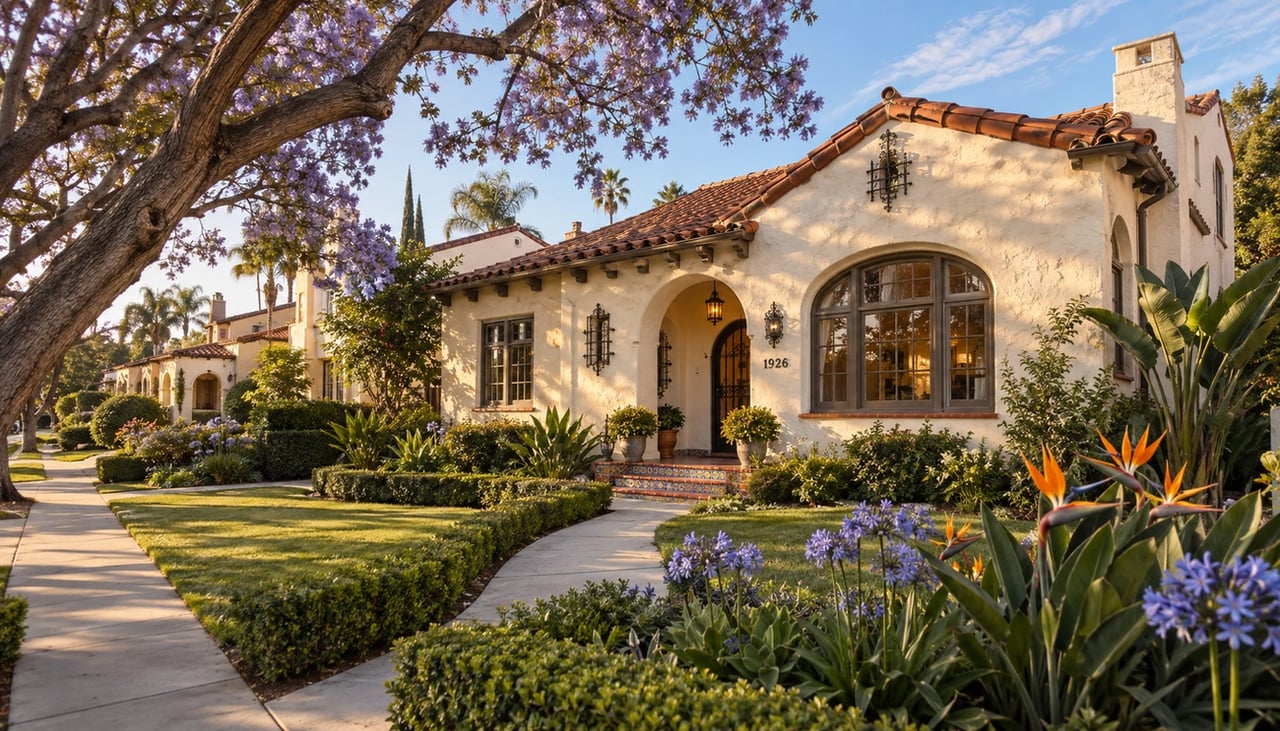
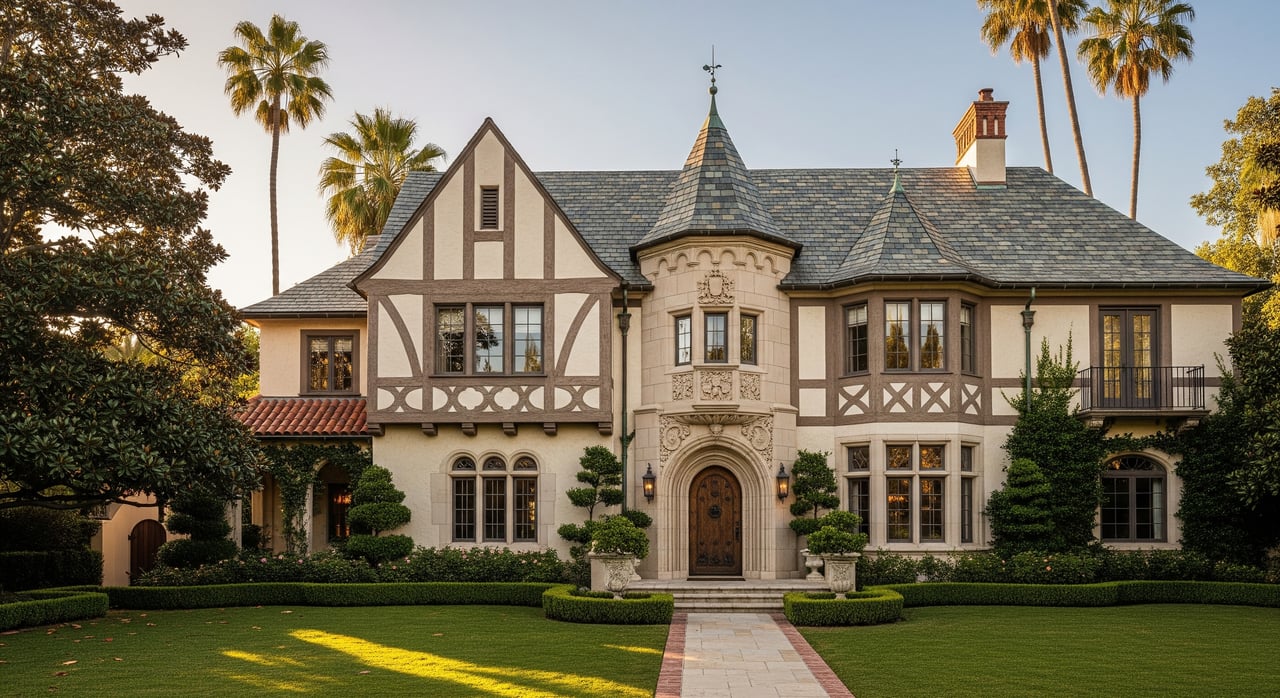
Hancock Park is known for its 1920s to 1940s high‑style residential architecture. You will see Spanish Colonial Revival, English Tudor and Cotswold, Mediterranean, Colonial Revival, and other period revival designs. The HPOZ’s intent is to conserve the streetscapes and the character‑defining details that make these homes feel authentic.
Buying here means you are stepping into a neighborhood with strong preservation values. Projects that respect original design are encouraged. Proposals that would erase or overwhelm those features face a higher bar.
Contributing vs. non‑contributing homes
Every property in the Hancock Park HPOZ is listed in the Preservation Plan’s inventory as either contributing or non‑contributing.
- Contributing properties retain their historic character. They often face a more detailed level of review for exterior changes.
- Non‑contributing properties are either significantly altered or built later. They typically have more flexibility for changes, though work still needs to be compatible with the district.
As a buyer, it is important to confirm your property’s status in the inventory. Contributing status can shape design options, timelines, and budgets.
What work needs HPOZ approval
HPOZ review is centered on exterior changes visible from the street. Here is how common projects are handled:
Exterior alterations and additions
Additions, new construction, and alterations to character‑defining features usually require approval. For a contributing house, additions must be compatible with the original design and typically sited or massed so they do not dominate the historic form when viewed from the street.
Routine maintenance and in‑kind repair
Normal maintenance and like‑for‑like repairs are generally allowed without formal review. If you replace materials in kind, matching the original in material, profile, and location, you may only need an administrative clearance. Changing materials or profiles can trigger a higher level of review.
Paint color
Paint policies vary by HPOZ. In many cases, repainting in a similar color or on non‑character‑defining surfaces is treated like maintenance. Painting primary façades or character‑defining finishes in a new scheme may be reviewed. Check the Hancock Park Preservation Plan for guidance before you finalize colors on major façades.
Windows and roofs
Replacing character‑defining windows or roof materials is typically reviewed. Like‑for‑like replacements often qualify for administrative approval. Switching to a new window type or a roof material that alters the look is more likely to require board review.
Demolition and substantial alterations
Demolition or substantial alteration of a contributing resource is heavily scrutinized and often discouraged. Under the Preservation Plan and City policy, demolition is reviewed against strict findings and may be denied.
Interior renovations
Interior changes that do not affect the exterior usually fall outside HPOZ review. If structural work touches exterior elements or changes what is visible from the street, expect review.
How approvals work
When you plan exterior work, you will follow one of several approval paths:
Administrative clearance
Minor, clearly allowed work that meets the Preservation Plan can often be approved administratively. Like‑for‑like repairs and small changes that do not alter the historic character may fall here.
Certificate of Appropriateness or HPOZ Board review
Larger projects, visible additions, new construction, or demolitions typically require formal review, often including a Certificate of Appropriateness and a public meeting before the HPOZ Board. Submittal materials commonly include plans, elevations, and photos that show how the work complies with the Preservation Plan.
Timelines and planning
Approval timelines vary with scope and board schedules. Administrative clearances can be comparatively quick. Full board reviews can take several weeks to a few months. Build this time into your escrow expectations and construction planning so you are not rushed.
Building permits vs. HPOZ approval
HPOZ approval is separate from building permits. Most projects need both HPOZ sign‑off and permits from the Los Angeles Department of Building and Safety. Sequence matters. Secure your HPOZ clearance before finalizing permit drawings to avoid redesigns.
Costs, financing, and insurance
Buying in an HPOZ does not automatically increase project fees, but compliance can influence costs.
- Materials and labor. Preserving historic materials or profiles may require specialized trades or custom fabrication. That can add cost compared to standard replacements. In some cases, maintaining original elements can be more cost‑effective than full replacement.
- Renovation financing. Most lenders finance homes in HPOZs. If you plan a renovation, confirm whether approval milestones affect loan draws and timelines. Appraisals may consider unique historic features differently, so share the scope and review path early with your lender.
- Insurance. Premiums for older homes can be higher depending on condition and systems. Historic designation itself does not automatically change insurance requirements. Discuss your plan with your insurer.
Buyer due diligence checklist
Before you write an offer or remove contingencies, take these steps:
- Verify HPOZ status and contributing classification in the Hancock Park inventory for the property’s address.
- Review the Hancock Park Preservation Plan, especially the character‑defining features relevant to your house type and street.
- Ask the seller for copies of past HPOZ approvals, Certificates of Appropriateness, and any enforcement notices or correspondence. These files show what was permitted and how the Plan has been interpreted on that property.
- If your purchase depends on a remodel or addition, include contingencies tied to obtaining HPOZ approvals.
- Consider a pre‑offer conversation with City preservation staff or a preliminary design review to gauge feasibility.
- Speak with an architect or contractor experienced with Hancock Park or similar HPOZ work for realistic costs and timelines.
- Confirm with your lender how HPOZ review might affect renovation financing and draw schedules.
- Ask whether the property has a Mills Act contract and request the contract documents if it does.
Resale, disclosures, and enforcement
Sellers must disclose the HPOZ status and any known restrictions, open violations, or unpermitted work. As a buyer, request documentation of prior approvals and permits. If you discover unpermitted exterior work that should have been reviewed, factor potential corrective steps and timelines into your negotiations.
The Mills Act: tax savings with obligations
The Mills Act is a California program that can significantly lower property taxes in exchange for a preservation contract. In Los Angeles, Mills Act contracts are administered through the City’s Office of Historic Resources and approved by City bodies, with the County Assessor implementing tax adjustments.
- Contracts are selective. Not every property qualifies. The City sets program rules and caps.
- Contracts run with the land. If the property already has a Mills Act contract, it continues after a sale.
- Owners accept obligations. You agree to maintain and preserve the property consistent with the contract and the Preservation Plan. Review the scope and reporting requirements before you buy.
If a Mills Act property is on your shortlist, ask for the contract, the most recent inspections or reports, and any notices of required work.
Smart strategies for design and approvals
Thoughtful design is the fastest path to yes. Keep these principles in mind:
- Work with the house. Respect original massing, rooflines, and materials on contributing properties. Additions should be compatible and, where possible, sited to minimize visibility from the street.
- Preserve character‑defining features. Windows, doors, porches, stucco or masonry details, and decorative elements often define the style. Repair first, replace only when necessary, and match profiles if you must replace.
- Start early. Engage City preservation staff and an experienced architect early to align on scope, details, and submittal materials.
- Plan for time. Align your design and construction schedule with board calendars. Having realistic milestones reduces stress and change orders.
Working with the right advisors
Buying in Hancock Park is a lifestyle choice and a stewardship commitment. You deserve clear guidance from people who know both the market and the process. A senior‑level real estate advisor can help you:
- Source homes aligned with your design plans and risk tolerance for review.
- Coordinate conversations with City preservation staff and assemble prior approvals and permits from the seller.
- Connect you with architects and contractors who have HPOZ experience, so you enter escrow with realistic budgets and timelines.
- Structure contingencies that protect your goals without compromising your offer’s appeal.
If you want discreet, high‑touch guidance paired with global reach, you can count on a boutique, senior‑advisor approach backed by Sotheby’s international channels.
Ready to explore Hancock Park with confidence and a clear plan? Request a private consultation with Christina Pope for tailored guidance.
FAQs
Hancock Park HPOZ basics: What is reviewed?
- Exterior changes visible from the public right‑of‑way, plus additions, new construction, demolition, and alterations to character‑defining materials and features.
Contributing vs. non‑contributing: Why does it matter?
- Contributing homes retain historic character and face closer review for changes; non‑contributing homes often have more flexibility, though compatibility with the district still applies.
Window and roof replacement in Hancock Park: Do I need approval?
- Like‑for‑like replacements often qualify for administrative approval; changing materials, profiles, or appearance typically requires formal review.
Second stories or large additions: Are they allowed?
- Possibly, but additions that alter the visible form of a contributing house face careful scrutiny and design constraints. Early consultation with City staff and an experienced architect is key.
Paint colors in an HPOZ: Are there rules?
- Repainting in similar colors or on non‑character‑defining surfaces is often treated as maintenance; new schemes on primary façades or character‑defining finishes may be reviewed under the Plan.
Interior remodels in Hancock Park: Do they trigger review?
- Interior work typically does not require HPOZ review unless it affects the exterior or elements visible from the street.
Permits and approvals: What comes first?
- Obtain HPOZ approval or administrative clearance first, then pursue building permits with the Los Angeles Department of Building and Safety.
Mills Act for buyers: How does it affect me?
- A Mills Act contract can lower property taxes but comes with preservation obligations and continues after a sale. Review the contract terms during due diligence.