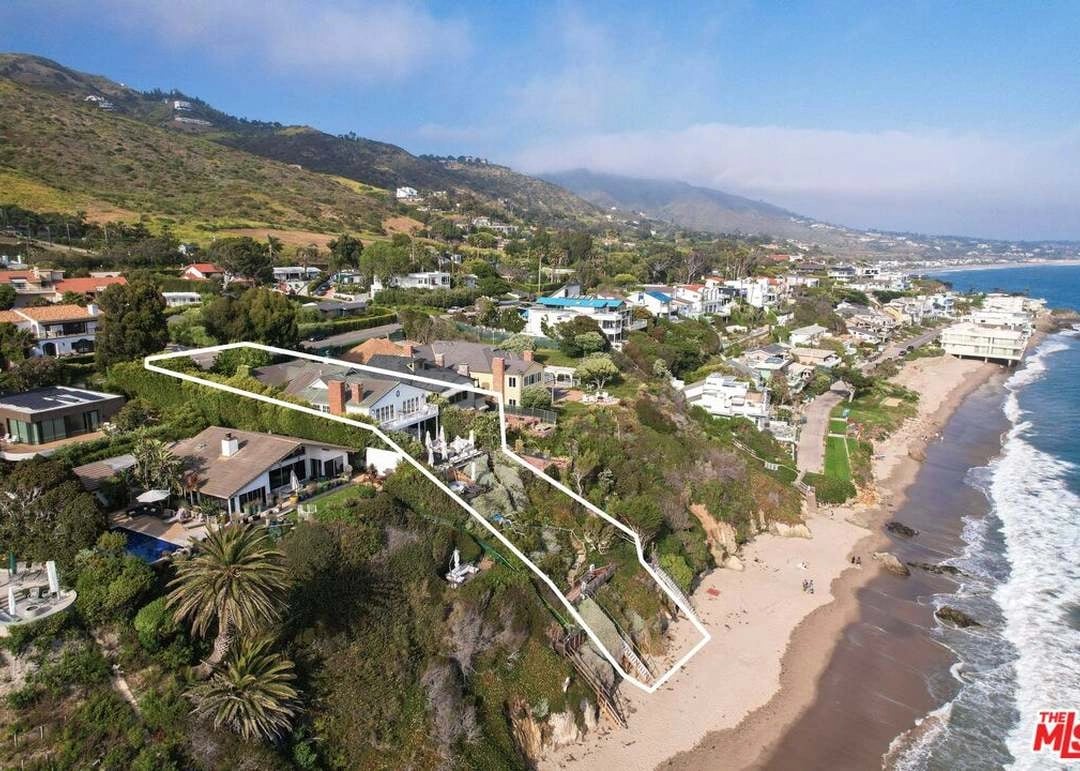
Broad Beach Malibu homes reward buyers who look well beyond the ocean view. The right property hinges on quieter details — timing, access rights, and the coastal rules that govern what an owner can and cannot do with the land.
Los Angeles luxury transactions of this caliber often move privately, where discretion and careful due diligence carry as much weight as the address itself. For buyers with Broad Beach in mind, knowing the directions to the road is only where things begin. Coastal permits, public beach access rights, and erosion exposure each have a direct bearing on long-term value. With more than $125M per year estimated at risk by 2050, the protections attached to any given property deserve serious attention. This guide walks through what buyers should verify before moving forward.
Step 1: Find Broad Beach Malibu Homes and Understand Coastal Rules
Searches for Broad Beach Malibu homes should draw from both public listings and discreet agent networks. Sotheby's has shown 27 Broad Beach homes and 523 across Malibu — a range that underscores why buyers benefit from comparing this corridor against alternatives. The most significant transactions rarely surface publicly, which means establishing representation early gives buyers access to opportunities that never reach a listing page.
Street access and property rights are not the same thing, and Broad Beach Road makes that distinction easy to miss. Broad Beach Road, West Sea Level Drive, and East Sea Level Drive each tell a different story. City planning classifies both Sea Level Drives as private gated roads under MEHOA ownership, yet West Sea Level Drive also carries a recorded public beach-access route through a pedestrian gate and easement. A gate may limit vehicle entry while a public coastal access right remains fully intact underneath it. For any property along these roads, buyers should ask who maintains the road, whether a homeowners association governs it, and what utilities, wastewater systems, and evacuation routes are attached to the home.
Christina Pope works with buyers seeking homes suited to elevated living and effortless hosting — whether the search is immediate or still taking shape. 📞 310-404-9931 ✉️ [email protected]
Every parcel in Malibu sits within the coastal zone, and its Local Coastal Program governs development. That program takes precedence over conflicting City plans, so permit records should be in hand well before a formal offer is made.
Step 2: Verify Coastal Permits and Beach Access Rights
"development shall not interfere with the public’s right of access to the sea" — California Coastal Act, California coastal access legislation

Image Source: Mountains Recreation and Conservation Authority
"development shall not interfere with the public's right of access to the sea" — California Coastal Act, California coastal access legislation
Private transactions reward precision. Buyers of Broad Beach Malibu homes should treat permit files and access records as core deal documents — not details to accept from listing language.
Match the address and APN against City records. City and OnBase files can show building and geology documents; request planning hard copies. Where City files are incomplete, request Coastal Commission records using the APN and prior owner's name. Commission files for Malibu can reach back to 1977.
Read permit conditions, the deed, title exceptions, and the easement map carefully. On Broad Beach, a lateral-access offer may run from the mean high tide line to a strip 25 feet inland of the daily high-water line, while remaining at least 10 feet from approved development. The daily high-water line shifts over time, and the easement area shifts with it.
Confirm physical conditions against those documents. Public access rights can include designated vertical routes and dry-sand easements, while wet beach seaward of the mean high tide line remains publicly accessible. Coastal Commission mapping identifies Broad Beach access points and dry-sand easements specifically.
Buyers should ask the seller to identify any fences, signs, gates, or landscaping within an access area. Permit conditions can require the removal of barriers that restrict public lateral passage — a detail worth confirming well before closing.
Step 3: Assess Coastal Costs and Protect Your Purchase
"Our insurance system kind of pretends that climate change doesn’t exist, and that’s not workable anymore," — Michael Wara, Director of the Climate and Energy Policy Program at Stanford
Los Angeles luxury purchases of this nature tend to come together through private conversations, where timing, records, and clear-eyed financial review do more work than any listing ever could. Christina Pope, Sotheby's International Realty, EliteResidenceInternational.com, offers that kind of discreet, detail-driven support to buyers considering Broad Beach Malibu homes.
Price the shoreline obligation. The Broad Beach GHAD funds beach restoration and ongoing maintenance through assessments tied to each owner's linear beach frontage. The work covers nourishment, dune restoration, sand backpassing, and rock revetments — with project materials describing 300,000 cubic yards of sand placed every five years and up to 75,000 cubic yards of annual nourishment. Buyers should request current assessments and bond information directly from GHAD before committing.
Test ownership costs before contingency removal. An insurance quote specific to the address, its elevation, and flood-zone designation should be obtained early. Standard homeowners policies routinely exclude flood damage, erosion, shoreline loss, salt-air deterioration, and deferred maintenance. Flood coverage may also be required for government-backed mortgages. The Natural Hazard Disclosure, Malibu's 2026 Coastal Vulnerability Assessment map, maintenance records, and any engineer findings are all worth reviewing at this stage.
Keep inspection protection. A thorough home inspection gives buyers a clear picture of conditions and systems — and the contractual standing to negotiate, accept, or walk away. In 2024, 66% of mortgage buyers included an inspection contingency. For Broad Beach Road homes, structural, drainage, septic, and corrosion reviews can each surface issues that credits should address before closing.
Conclusion
Broad Beach is one of the more demanding purchases on the Malibu coast — not because of its price, but because of everything attached to it. Coastal permits, recorded access easements, GHAD assessments, and insurance exposure each require the kind of attention that listing descriptions rarely provide.
Buyers who get this right do so by treating the records as seriously as the property itself. Christina Pope of Sotheby's International Realty brings the discretion and precision these decisions require, helping clients arrive at the closing table with clarity and confidence.
Key Takeaways
• Treat coastal permits, access easements, and title records as core deal documents—not details to trust from listing descriptions.
• Confirm public beach access separately from private upland ownership; gates and fences may coexist with recorded pedestrian or dry-sand easements.
• Request GHAD assessments, bond information, and beach-nourishment obligations to accurately price Broad Beach’s long-term shoreline costs.
• Obtain insurance quotes, flood-zone details, hazard disclosures, and coastal-engineer reports before removing contingencies or finalizing financing.
• Use inspections, surveys, and legal review to verify boundaries, erosion exposure, permit compliance, and barriers affecting access rights.
FAQs
Q1. What does a beach-access easement mean for a Broad Beach homeowner?
It gives the public a legal right to use a defined part of private property to reach or walk along the beach. Review recorded easements, title documents, and maps to confirm their location and terms.
Q2. Does buying a Broad Beach home mean owning the beach in front of it?
Not exclusively. The wet beach seaward of the mean high tide line remains publicly accessible, and recorded easements may allow public use of some dry sand.
Q3. Can you buy beachfront property in Malibu, California?
Yes, but private ownership does not cancel public beach-access rights. Buyers should verify coastal permits, property boundaries, and access easements before committing.
Q4. Can owners put up gates or fences to keep people off beach-access paths?
Gates and fences cannot override recorded public-access rights. Permit conditions may require removal of barriers that block public passage, even where a road is privately owned.
Q5. Can Broad Beach homeowners install rocks or shoreline barriers to control erosion?
Do not assume shoreline protection is allowed. Check applicable coastal permit requirements, existing approvals, and project conditions before planning work. Buyers should also review Broad Beach GHAD assessments and restoration obligations.