Is Venice calling your name, but the mix of bungalows, Spanish stucco, and striking glass boxes has you guessing what is what? You are not alone. Venice blends a century of design into a few square miles, and each style carries different implications for value, permits, and upkeep. In this quick guide, you will learn how to spot the major architectural styles, what they mean for your budget and timeline, and how to navigate local rules with confidence. Let’s dive in.
How Venice took shape
Venice began as Abbot Kinney’s early 20th century seaside resort with canals, a boardwalk, and compact bungalow lots. That original pattern created narrow parcels, close setbacks, and walkable streets that still shape how homes look and live today.
Through the decades, Venice evolved from resort town to bohemian hub, then to a mix of restored cottages and high‑end modern infill. Some areas, including the canals and certain walk streets, carry conservation or design review protections. Exterior changes in these zones can require review, so you will want to confirm rules with the City of Los Angeles Department of City Planning and check local updates through the Venice Neighborhood Council.
Venice sits low and near the ocean, which brings flood and maintenance considerations. If you are targeting canal-front or low‑lying streets, review official maps using the FEMA Flood Map Service Center and visualize long‑term sea‑level scenarios through the NOAA Sea Level Rise Viewer. Salt air also accelerates corrosion on exterior metals and hardware, which affects your maintenance plan.
Venice architectural styles at a glance
California Bungalow and Craftsman
- Era: 1900s to 1920s, common across early neighborhoods.
- Look for: low‑sloped gables, broad porches with tapered or square posts, exposed rafter tails, wood siding or shingles, double‑hung windows.
- Buyer notes: Original plans can be modest and charming. Expect possible foundation and seismic upgrades in older examples, especially if you plan a major remodel.
Spanish Colonial Revival and Mediterranean Revival
- Era: 1920s to 1930s, with periodic revivals.
- Look for: smooth stucco, red clay tiles, arched openings, decorative iron, recessed windows, intimate courtyards.
- Buyer notes: Period character is a draw. Verify prior exterior changes for permit compliance in conservation areas.
Victorian
- Era: late 19th to early 20th century, rare in Venice.
- Look for: asymmetry, ornate trim, bay windows, steep roofs.
- Buyer notes: Scarce and often notable. Preservation and sensitive restoration can support value.
Beach Cottage and Coastal Vernacular
- Era: early 20th century to present.
- Look for: compact single‑story footprints, relaxed porches and stoops, sometimes with added decks.
- Buyer notes: Many have expansions or replacements. Confirm quality and permits on any additions.
Mid‑Century Modern
- Era: 1940s to 1960s, scattered examples.
- Look for: horizontal lines, large panes of glass, clerestory windows, minimal ornament.
- Buyer notes: Restored mid‑century homes can be valued when done thoughtfully. Check glazing, insulation, and structural integrity.
Art Deco and Streamline Moderne
- Era: 1920s to 1940s, more visible on commercial streets.
- Look for: smooth stucco, rounded corners, horizontal banding, stylized geometry.
- Buyer notes: Residential examples exist, but the strongest presence is along older commercial corridors.
Contemporary and Modern Infill
- Era: 1990s to present.
- Look for: clean forms, expansive glass, rooftop decks, mixed cladding such as metal, wood, and stucco.
- Buyer notes: Newer builds often maximize height and lot coverage within rules. Expect design review and robust permitting on major projects.
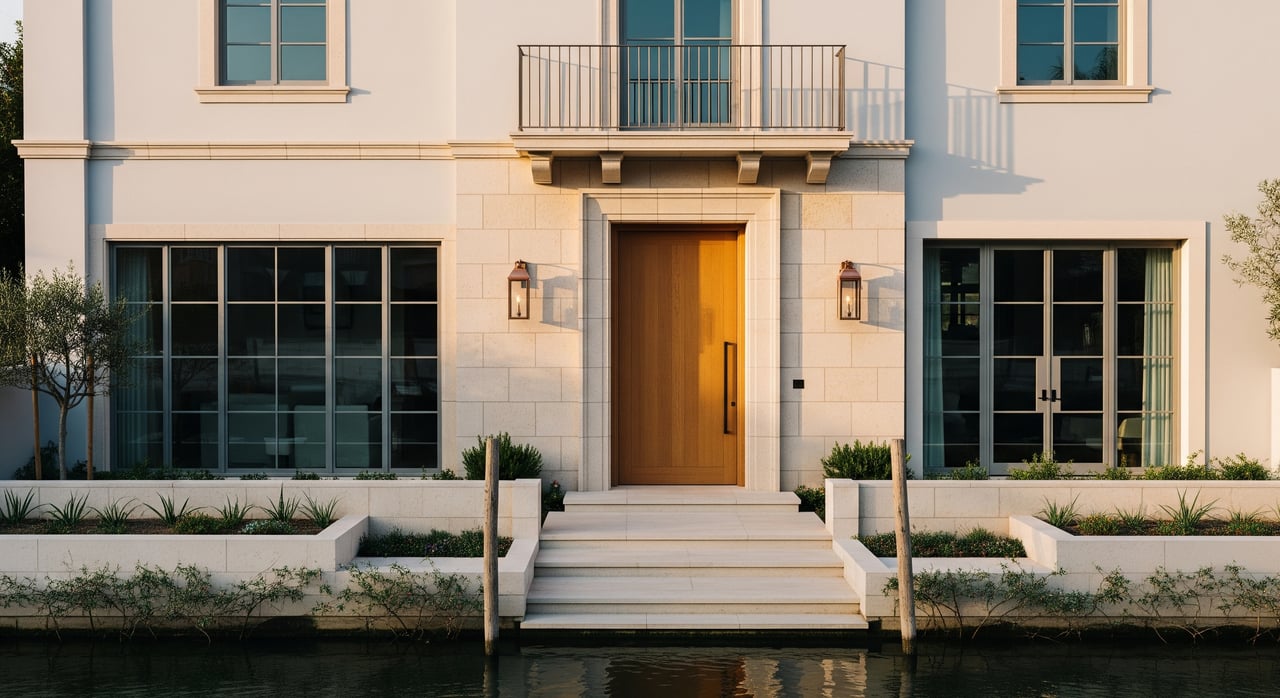
Canal‑front homes
- Era: varied, from restored cottages to new luxury builds.
- Look for: docks, decks, seawalls, and distinctive waterfront detailing.
- Buyer notes: Canal properties can carry extra maintenance and permitting layers. Confirm conservation restrictions early in due diligence.
What buyers should look for
- Permits and design review. In conservation or walk‑street areas, exterior changes can trigger review. Start with the City of Los Angeles Department of City Planning and local guidance from the Venice Neighborhood Council.
- Structural and seismic. Older bungalows may need foundation bolting, shear walls, or framing upgrades. Review requirements with the Los Angeles Department of Building and Safety and engage qualified inspectors.
- Flood and coastal risk. Use the FEMA Flood Map Service Center to identify flood zones and review sea‑level scenarios via NOAA’s Viewer. Insurance and lender requirements can change with your zone.
- Lot constraints. Narrow, deep lots influence parking, setbacks, and expansion. Discuss feasibility before planning additions or ADUs.
- Materials and maintenance. Salt air increases corrosion. Budget for more frequent painting, marine‑grade hardware, and vigilant roof and deck care.
What sellers should highlight
- Preserved character. Original woodwork, intact porches, and period windows resonate when maintained well.
- Permitted upgrades. Seismic, systems, and envelope improvements reduce buyer uncertainty. Maintain a clean permit trail from LADBS.
- Outdoor living. Courtyards, decks, and privacy features help in lively areas near Abbot Kinney and the boardwalk.
- Energy and resilience. Solar, efficient windows, and flood‑aware design signal thoughtful ownership.
Permits, coastal, and conservation
Some properties fall within the California coastal zone, which can add permits and policy checks. Align your plan early with the California Coastal Commission and confirm city processes through Los Angeles City Planning. If the home has historic character or is near protected zones, consult the Los Angeles Conservancy for context and best practices. For building permits, structural work, and inspections, start with the Los Angeles Department of Building and Safety.
Value drivers in Venice
- Location and lot size. Proximity to canals, walk streets, and amenities influences pricing, as do wider lots.
- Style and integrity. Well‑maintained California Bungalows and architecturally significant mid‑century or historic homes often perform well.
- Design quality. Thoughtful contemporary homes that capture light and views can command premiums, especially when the finish and detailing are strong.
- Canal frontage. Waterfront settings are unique and often valued, with added considerations for maintenance and approvals.
Renovation and ADU realities
ADUs are popular and often allowed under state and local rules, but feasibility depends on lot coverage, setbacks, and parking. Some zones include conservation or coastal overlays that shape design choices. Discuss options with a local architect and verify specifics with City Planning and LADBS before you draft plans. Rooftop decks may be regulated by height limits and structure, so include a structural assessment early.
Maintenance and resilience by the ocean
- Choose corrosion‑resistant metals and marine‑grade fixtures.
- Schedule regular exterior inspections, repainting, and deck upkeep.
- Protect vulnerable systems and consider flood‑smart improvements if your property is in a mapped zone.
- Explore local incentives for energy efficiency and water‑wise landscaping where available.
Ready to move with confidence?
Whether you are targeting a soulful Craftsman on a walk street or a polished modern with a rooftop deck, the right guidance makes all the difference. For discreet, senior‑level advisory backed by global reach, connect with Christina Pope for a private conversation. Join Christina’s Inner Circle — Request a private consultation.
FAQs
What architectural styles are common in Venice, Los Angeles?
- You will most often see California Bungalows, Spanish Colonial Revival, beach cottages, contemporary infill, and scattered mid‑century homes, with Art Deco more visible on commercial streets.
Do Venice canal-area homes have special permit rules?
- Some canal and walk‑street areas include conservation or design review; check with City Planning and the Venice Neighborhood Council before planning exterior changes.
How does flooding affect Venice homeownership?
- Low‑lying and canal properties may fall within FEMA flood zones, which can affect insurance and lending; confirm zones via the FEMA Flood Map Service Center and review scenarios with NOAA’s Viewer.
Can you add an ADU or rooftop deck in Venice?
- ADUs are often allowed, but lot coverage, setbacks, parking, and coastal or conservation rules apply; confirm feasibility with City Planning and LADBS.
Which Venice home styles tend to sell for a premium?
- Well‑maintained bungalows with preserved character, architecturally significant mid‑century or historic homes, canal‑front properties, and well‑designed contemporary homes that capture views often perform strongly.
What inspections matter when buying an older Venice bungalow?
- Prioritize foundation and seismic assessments, roofing and deck checks, permit records through LADBS, and coastal factors like corrosion and potential flood risk.