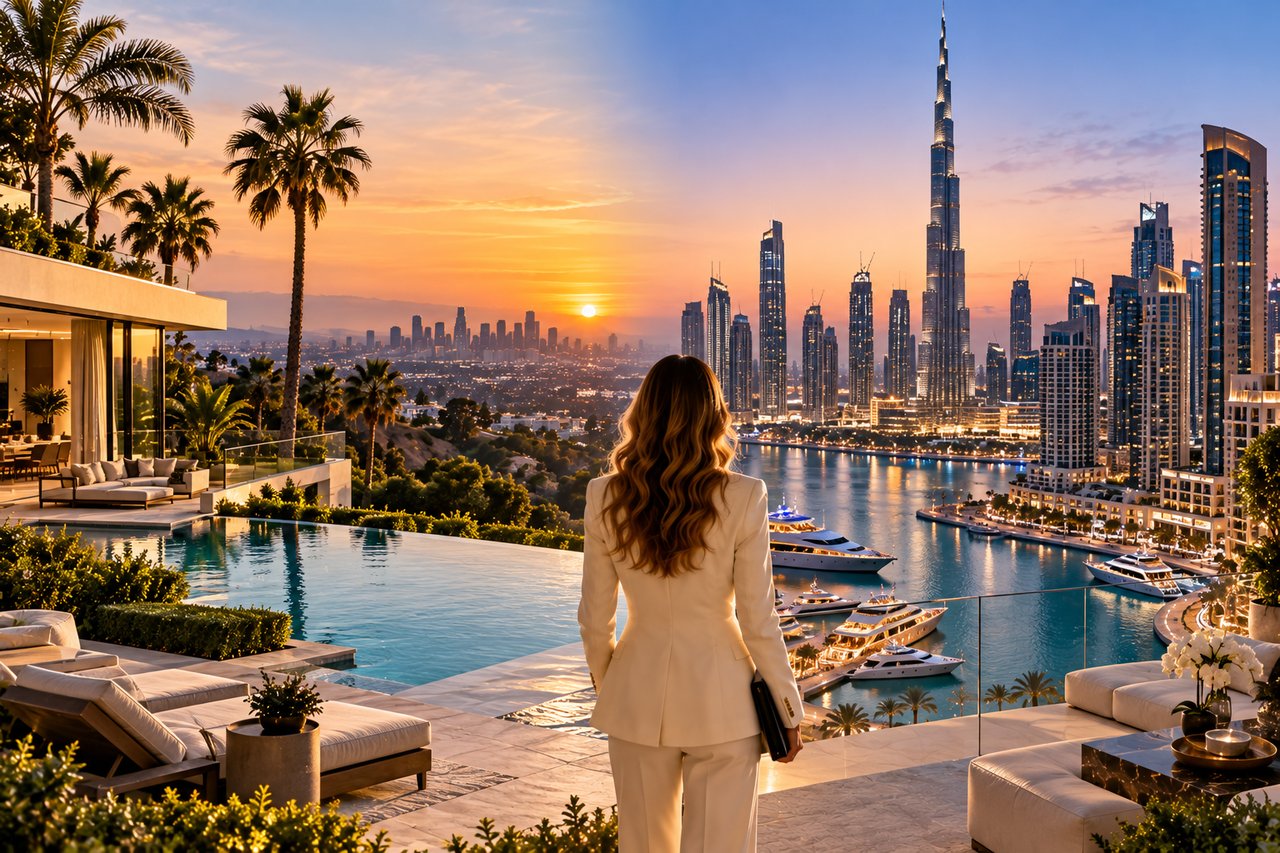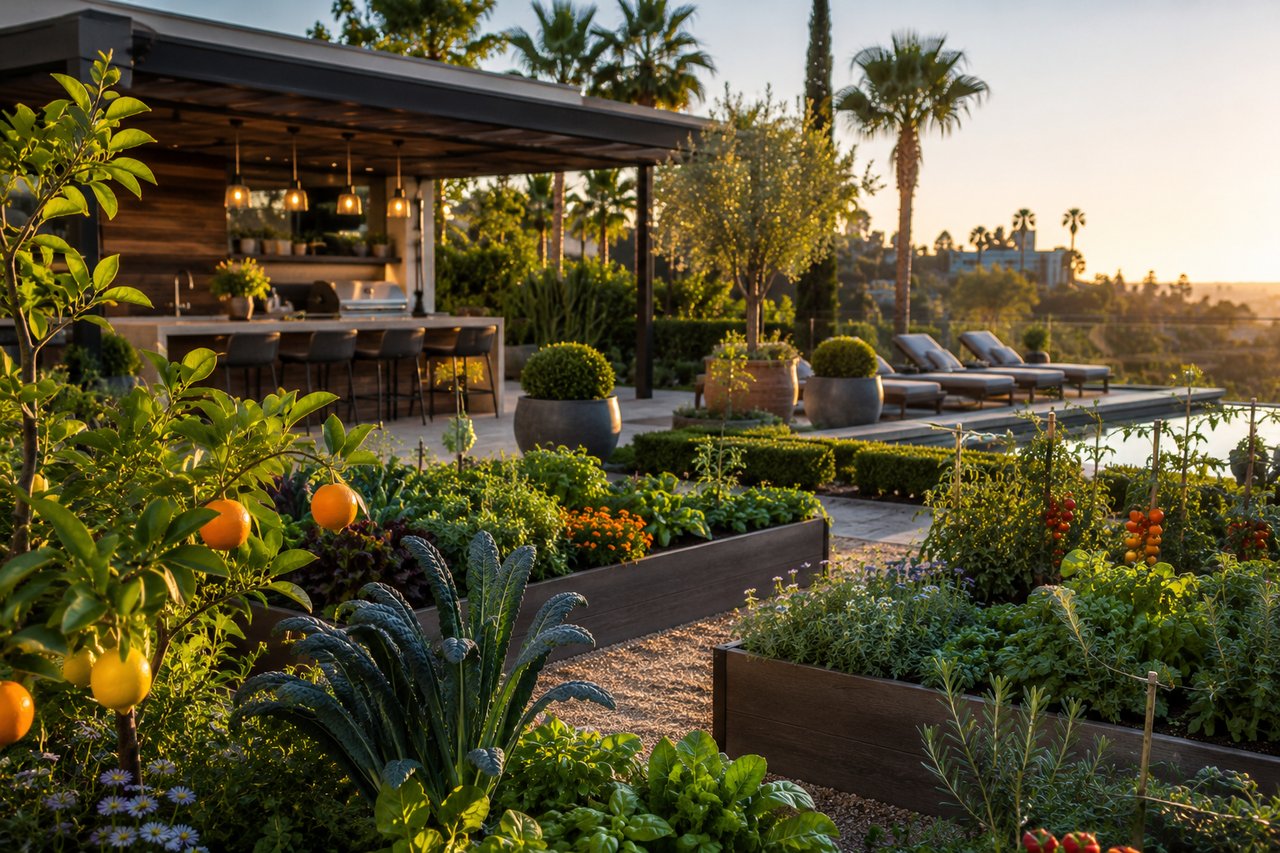
Edible landscaping is changing how LA homeowners approach their outdoor spaces. It replaces water-intensive lawns with productive gardens that deliver both beauty and function. Traditional lawns consume substantial amounts of water and energy but offer nothing in return. This makes them impractical for California properties. Edible landscapes provide environmental benefits and fresh harvests. They maintain the sophisticated esthetics expected in luxury neighborhoods. High-end homeowners are embracing this fundamental change. This piece explores edible landscaping design principles tailored for Southern California. You'll learn about selecting drought-tolerant landscaping edible plants and implementing edible landscaping ideas that boost property value. We also cover practical approaches to edible garden design that balance productivity with curb appeal.
Why LA Luxury Homeowners Are Choosing Edible Garden Design
Property Value Enhancement Through Productive Landscaping
Attractive landscaping adds an estimated 15 percent to a home's perceived value. Research shows that design sophistication and plant size are the landscape factors that most affect property worth. Edible garden design takes this further. Good landscaping increases property prices by five to seven percent, while excellent landscaping such as edible gardens can accelerate valuations to around 28 percent. An upgrade from average to excellent landscaping increases home value by 10 percent to 12 percent.
The investment returns compound over time. Landscape improvements increase in value as trees and shrubs mature and improve esthetic appeal year after year. Standard lawn care service returns 217 percent of its cost at resale and makes it the highest-ROI outdoor project category. Raised beds filled with organic herbs, fruits and vegetables appeal to potential buyers who view this feature as a money-saving investment.
Privacy and Exclusivity in High-End Edible Landscapes
Landscaping provides privacy and tranquility that appeals to luxury buyers. Tall shrubs, trees and placed fencing create secluded retreats within a property. Edible landscaping design achieves this through strategic plant selection. Blueberries function as bold foundational shrubs, while artichokes serve as statement plants. Avocado trees replace traditional ornamentals and provide strong structural presence.
Those who love to entertain know the right home makes all the difference. Christina Pope would be delighted to help you find spaces designed for elevated living and effortless hosting if you're thinking about a purchase in the near future or beginning your search.  310-404-9931
  [email protected]
Water Conservation Meets California Esthetics
California's lawns just need approximately 200 gallons of potable water per person per day. Traditional grass landscapes consume resources without producing anything in return. Edible gardens, by contrast, use nowhere near as much water as commercial agricultural production of the same crops. Raised bed gardens managed with drip irrigation reduce water usage by up to 70 percent compared to lawns.
California grows more than 400 agricultural commodities and gives homeowners prime weather to cultivate edible plants year-round. Drought-tolerant landscaping edible plants such as pomegranates, figs, perennial herbs and artichokes integrate naturally into Mediterranean-climate designs.
The Move From Traditional Lawns to Functional Beauty
About 163,812 square kilometers of American landscape consists of lawn, an area three times larger than any irrigated crop. These monocultures prove prone to insect and disease problems. Grass strips soil of nutrients, particularly nitrogen, while providing no habitat for pollinators or wildlife.
Edible landscapes sequester more carbon dioxide than grass alone and store it in both above- and below-ground biomass. Diverse plantings attract beneficial insects and pollinators, which creates functional ecosystems rather than sterile expanses. The result: landscapes that produce food, support biodiversity and require fewer chemical inputs.
Planning Your Edible Landscaping Design in Los Angeles
"Designing an edible landscape is like designing any other kind of landscape. You're thinking about your foundational plants, trees, groundcovers, and you're thinking more broadly about the virtues of a lot of fruiting species that achieve the same goals." — Christian, Expert in landscape design
Understanding Your Property's Microclimate and Sun Exposure
Microclimates are localized climates that differ from surrounding areas due to topography, proximity to structures, and vegetation. Valleys trap cold air. Hilltops experience more wind exposure and temperature fluctuations. A brick wall can change adjacent air temperature by over 13°F compared to surrounding areas. South and west-facing walls absorb solar energy during the day and release it at night, benefiting heat-loving vegetables. The southeast side of a property provides the warmest conditions.
Most fruiting plants require at least six hours of sunlight daily, while leafy greens and herbs tolerate partial shade. Edible gardens should receive at least 6 hours of direct sunlight to support healthy growth and productivity. Note that patterns change as the sun moves from overhead in summer toward the southern sky in winter at the time you map sun exposure.
HOA Guidelines and Neighborhood Esthetics
HOAs restrict front yard food gardens due to esthetic concerns and perceived effects on property values. Gardens can attract wildlife and require maintenance that boards view as problematic. Homeowners can work within these restrictions by choosing ornamental edibles like blueberries and rosemary, mixing flowers with vegetables, and maintaining neat borders. Plant clusters rather than rows create a landscape appearance that satisfies HOA standards.
Perennials and Annuals for Your Edible Garden
Perennial crops develop extensive root systems that make them drought-resistant. Established perennials require less water once their roots mature, after three to five years. Asparagus can live twenty or more years, while rhubarb survives half a century in suitable locations. Annuals like lettuce and tomatoes have shallow roots and prove more vulnerable to heat stress.
Drought-Tolerant Landscaping Edible Plants
Established fruiting trees should be watered deeply but not often, once every 4-6 weeks depending on conditions. Figs, olives, and persimmons offer drought-resilient fruit production. Mediterranean herbs including thyme, sage, and rosemary thrive with minimal irrigation. Pomegranates prove very heat and drought tolerant, preferring temperatures over 85 degrees Fahrenheit.
Essential Edible Landscaping Ideas for Southern California
"With fresh fruit close at hand, it's easier to follow dietary guidelines that encourage filling half our plates with fruits and vegetables for good health." — Rachel Surls, UC Cooperative Extension sustainable food systems advisor
Fruit Trees Thriving in LA's Climate
Southern California supports citrus like lemons, oranges, mandarins and grapefruits. Stone fruits such as peaches, plums and apricots thrive with low-chill varieties suited to mild winters. Figs adapt to arid conditions and produce twice each year. Persimmons display vibrant fall color. Fuyu types are eaten crisp while Hachiya varieties taste best when soft. Pomegranates tolerate extreme heat with little water once mature. Dwarf varieties fit smaller properties while maintaining full fruit production.
Ornamental Herbs and Vegetables With Year-Round Interest
Perennial herbs like rosemary, thyme and oregano provide structure and fragrance throughout the year. Rosemary cultivars reach five feet in upright forms or cascade over walls. Swiss chard varieties display rainbow stems in red, magenta and orange. Kale offers texture and nutrients, with Rainbow Candy Crush combining pink centers and green edges. Artichokes deliver bold architectural presence with electric-indigo blooms.
Vertical Gardens and Living Walls in Limited Spaces
Edible living walls accommodate lettuce, spinach, herbs and strawberries in modular systems. Trellises support cucumbers, beans and tomatoes. Ground footprint shrinks while airflow improves. Exterior walls receiving direct sunlight produce one ounce per square foot weekly of greens and herbs.
Natives and Mediterranean Edibles
California natives include miner's lettuce, hummingbird sage and Cleveland sage hybrids. Roger's Red grapes, golden currant and woodland strawberries also thrive. Mediterranean staples such as bay, globe artichoke and feijoa match LA's summer-dry, winter-wet pattern. Both categories require little irrigation once roots establish.
Strategic Placement to Maximize Harvest and Curb Appeal
Frequently harvested herbs belong in kitchen entries. Stone fruits and perennials suited to weekly picking occupy mid-range zones. End-of-season crops like pumpkins work in distant areas. Odd-numbered plant groupings create visual impact while maintaining organized esthetics that preserve property presentation standards expected in luxury neighborhoods.
Building and Maintaining Your Luxury Edible Garden
Installing Drip Irrigation Systems for Efficiency
Drip irrigation exceeds 90 percent efficiency whereas sprinkler systems reach only 50 to 70 percent. These systems can use 30 to 50 percent less water than traditional methods. Soil type determines emitter placement: locate emitters 12 inches apart in sand, 18 inches in loam, and 24 inches in clay. Most systems operate at 10 psi with emitters rated at 1/2, 1, or 2 gallons per hour. Automated timers deliver consistent moisture to root zones and reduce maintenance.
Using Hardscaping to Define Edible Garden Spaces
Pathways between raised beds use pebbles for attractive drainage, mulch for easier wheelbarrow access, or wood chips that decompose into nutrients. These materials define garden zones and prevent weed growth. Permanent pathways support year-round access and protect soil structure from compaction.
Companion Planting for Natural Pest Control
Basil planted with tomatoes repels aphids and thrips. Marigolds deter nematodes in root crops. Nasturtiums attract aphids away from valuable crops[462]. Garlic and onions repel Japanese beetles, cabbage loopers, and carrot rust flies[481].
Seasonal Rotation and Continuous Production
Crop rotation on a three to four-year cycle prevents soil-borne disease accumulation. Plant families rotated through beds moderate nutrient depletion and disrupt pest lifecycles. Vegetables grouped by family—nightshades, brassicas, cucurbits, and legumes—occupy separate beds each season.
Conclusion
Edible landscaping reshapes LA properties into productive, water-efficient estates that deliver visual sophistication and practical returns. Drought-tolerant plants, efficient irrigation, and strategic placement boost property values while reducing environmental effect when these gardens are designed with care. So luxury homeowners get fresh harvests and lower water bills in distinctive outdoor spaces that reflect California's evolving approach to green practices. Christina Pope offers a look at LA's most distinguished homes to those seeking properties with exceptional outdoor potential or to find elevated living spaces. 310-404-9931 [email protected]
Key Takeaways
LA luxury homeowners are replacing water-intensive lawns with edible landscapes that combine sophisticated esthetics with practical benefits—from fresh harvests to enhanced property values.
• Excellent edible landscaping can increase property values by up to 28%, far exceeding standard lawn care returns, while mature fruit trees and raised beds continue appreciating over time.
• Edible gardens reduce water consumption by up to 70% compared to traditional lawns through drip irrigation and drought-tolerant plants like pomegranates, figs, and Mediterranean herbs.
• Strategic design balances productivity with curb appeal by using ornamental edibles (blueberries, artichokes), vertical gardens for limited spaces, and companion planting for natural pest control.
• Understanding microclimates and sun exposure is critical—most fruiting plants need 6+ hours of sunlight, while south-facing walls can shift temperatures by 13°F for heat-loving crops.
• Perennial crops like asparagus and rhubarb develop extensive root systems that make them drought-resistant and productive for decades, requiring minimal maintenance once established.
This shift from sterile grass monocultures to functional ecosystems represents California's evolution toward sustainable luxury living—where outdoor spaces produce food, support biodiversity, and require fewer chemical inputs while maintaining the sophisticated presentation expected in high-end neighborhoods.
FAQs
Q1. How does edible landscaping increase property value compared to traditional lawns? Excellent edible landscaping can boost property values by up to 28%, significantly outperforming standard lawn care which typically returns about 217% of its cost at resale. The value continues to increase as fruit trees and perennial plants mature, with upgrades from average to excellent landscaping adding 10-12% to home value. Raised beds with organic herbs, fruits, and vegetables are particularly appealing to buyers who view them as both esthetic enhancements and practical investments.
Q2. What are the best drought-tolerant edible plants for Southern California landscapes? Mediterranean herbs like rosemary, thyme, oregano, sage, and lavender thrive with minimal irrigation once established. Fruit trees such as pomegranates, figs, olives, and persimmons offer excellent drought resistance and heat tolerance. Artichokes serve as bold architectural plants, while perennial crops develop extensive root systems that make them naturally drought-resistant after 3-5 years of establishment.
Q3. How much water can edible gardens save compared to traditional lawns? Edible gardens managed with drip irrigation systems can reduce water usage by up to 70% compared to traditional lawns. California lawns typically consume approximately 200 gallons of potable water per person per day, while raised bed gardens with efficient irrigation use far less water than both lawns and commercial agricultural production of the same crops.
Q4. Can I grow edible plants in my front yard if I have an HOA? Many HOAs restrict front yard food gardens due to esthetic concerns, but you can work within these guidelines by choosing ornamental edibles like blueberries and rosemary, mixing flowers with vegetables, and maintaining neat borders. Grouping plants in clusters rather than rows creates a landscape appearance that typically satisfies HOA standards while still providing productive harvests.
Q5. What fruit trees grow best in Los Angeles's climate? LA's climate supports citrus varieties including lemons, oranges, mandarins, grapefruits, and kumquats year-round. Low-chill stone fruits like peaches, plums, apricots, and nectarines thrive in mild winters. Figs produce twice annually and adapt well to arid conditions, while persimmons offer vibrant fall color. Avocado trees provide strong structural presence, and dwarf varieties of most fruit trees fit smaller properties while maintaining full production.