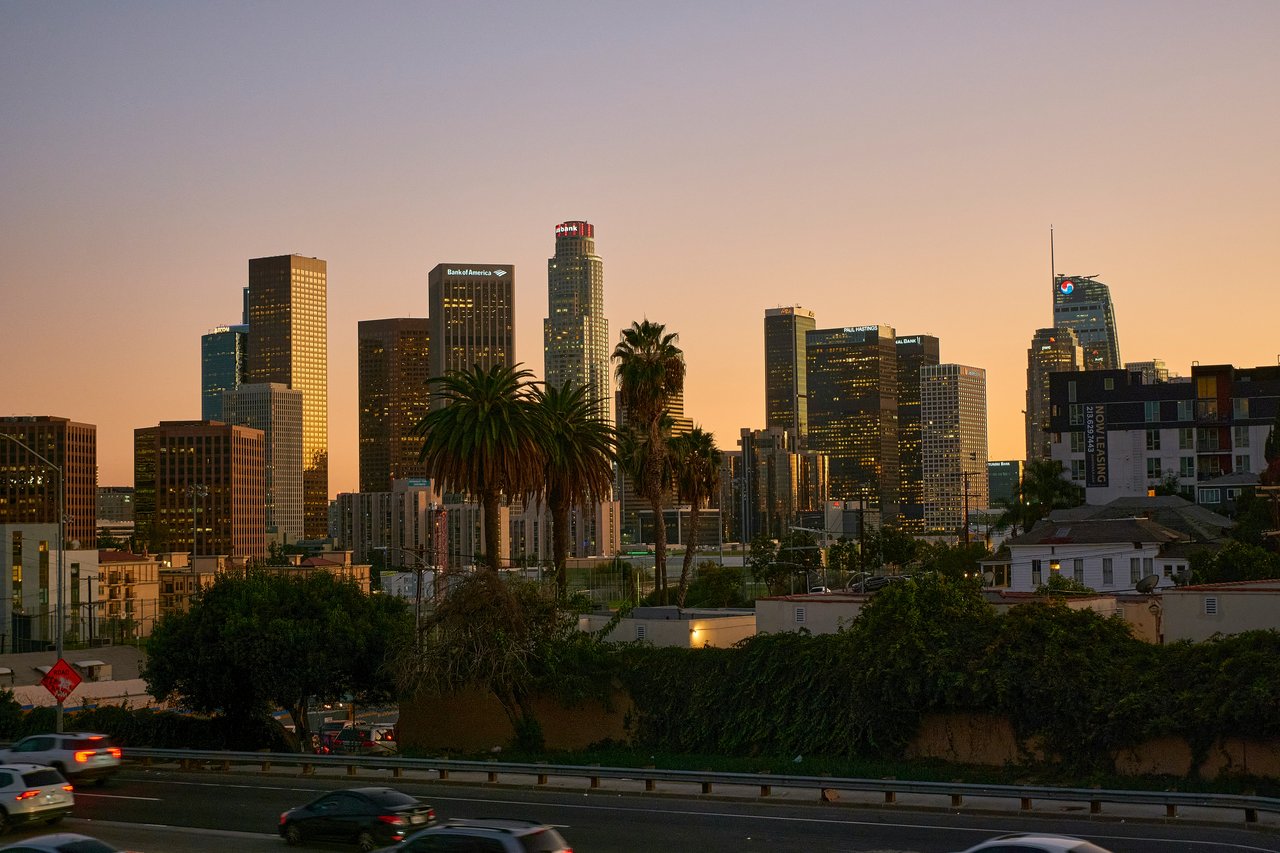
Bel Air houses represent investments where discretion and precision matter more than public listings suggest. Buyers focus on square footage and finishes, but the most important value drivers often remain invisible: how a property sits on ridgelines, steep canyons and benches along the Santa Monica Mountains. These topographical nuances create distinct microclimates that shape comfort, energy costs and satisfaction over time. South exposures deliver consistent sun year-round. Canyon bottoms stay cooler and more shaded. Understanding orientation isn't optional when you evaluate bel air houses for sale in Los Angeles. This piece gets into how hillside placement affects modern bel air houses in California and what sun exposure patterns mean for daily living. We'll also cover which factors warrant a full picture before purchasing.
How hillside orientation shapes your Bel Air home experience
Luxury real estate in Los Angeles operates through relationships and knowledge that rarely surface in public listings. The most consequential decisions about bel air houses happen when buyers understand factors that marketing materials never emphasize. Christina Pope at Sotheby's International Realty and EliteResidenceInternational.com works with clients who recognize that orientation on Bel Air's hillsides determines far more than views.
South-facing bel air houses in california receive direct sunlight throughout the day. This creates bright interiors and reduces winter heating needs, but it also drives summer cooling costs higher. Furniture, flooring and artwork in south-facing rooms fade faster from constant UV exposure.
North-facing properties on hillside slopes experience the opposite condition. These bel air houses for sale in California stay cooler year-round but receive minimal direct sunlight. North slopes can feel darker and retain more moisture, especially when you have winter months and the sun sits lower in the sky.
East-facing modern bel air houses capture gentle morning light without afternoon heat. Rooms stay cooler as the day progresses, which benefits those seeking lower afternoon energy consumption. West-facing properties absorb intense afternoon sun from 3 PM until sunset. This creates substantial heat gain and glare issues. It also accelerates wear on exterior materials and interior furnishings.
Sun exposure impacts on modern Bel Air houses
Sun patterns in bel air houses california determine operational costs that most buyers underestimate during viewings. Properties with extensive west-facing glass experience the highest cooling expenses at the time afternoon sun penetrates rooms during the warmest part of the day. Air conditioning systems fight peak temperatures from 3 PM to sunset, and this heat gain proves expensive. Energy consumption runs higher than properties with alternative orientations.
South-facing glass in modern bel air houses receives consistent sunlight that functions as passive solar heating during winter months. Properly sized overhangs paired with these windows act as natural radiators. They reduce heating costs while blocking summer rays at the time the sun sits higher overhead. West-facing windows demand different strategies since low-angle afternoon light creates intense glare and heat at the time interiors already feel warmest.
Natural light exposure carries health implications beyond energy bills. Outdoor environments deliver between 10,000 and 100,000 lux compared to typical indoor spaces that provide only 100 to 500 lux. Bel air houses for sale in California with south or west orientations require low-E glazing with appropriate Solar Heat Gain Coefficient ratings to manage thermal performance. External shading solutions, deciduous trees on western exposures, and vertical fins intercept low-angle sun before it penetrates glass. This reduces both glare and cooling loads.
What buyers need to evaluate before purchasing Bel Air houses for sale
Evaluating bel air houses for sale los angeles just needs more than single showings during convenient afternoon hours. Properties reveal different characteristics depending on time of day. Morning hours expose how much natural light enters east-facing spaces. Evening tours reveal artificial lighting quality, noise from nearby traffic and how the property functions after sunset. Weekend visits show neighbor activity patterns and street parking availability that weekday showings conceal.
Topographic surveys provide detailed slope data that determines construction costs and regulatory compliance. Slopes exceeding 30 percent cannot be developed in many California jurisdictions, while slopes between 20 and 30 percent face restrictions. Downhill slope development costs far less than uphill excavation because gravity assists machinery and reduces both time and fuel consumption. Buyers need geotechnical reports before purchasing steep slope sites to identify soil stability issues and remediation costs.
Local hillside ordinances establish setback requirements from ridgelines, typically 100 feet horizontally and vertically. These regulations limit where structures can sit and how much grading occurs. View easements rarely exist unless recorded documents grant such rights.
The right home makes all the difference if you love to entertain. I'd be delighted to help you find spaces designed for sophisticated living and effortless hosting if you're thinking about a purchase in the near future or beginning your search. Christina Pope  310-404-9931
  [email protected]
Conclusion
Orientation determines much more than marketing materials reveal about Bel Air properties. Buyers who understand how hillside placement affects energy costs and natural light make better decisions than those who focus on finishes and square footage alone. The right home makes all the difference for those who love to entertain, and Christina Pope at Sotheby's International Realty ( 310-404-9931 | [email protected]) helps find spaces designed for raised living where sun exposure and slope work in your favor.
Key Takeaways
Understanding hillside orientation and sun exposure is crucial for making informed decisions about Bel Air luxury real estate investments.
• South-facing properties receive consistent sunlight year-round, reducing winter heating costs but increasing summer cooling expenses and UV damage to interiors.
• West-facing homes experience intense afternoon heat and glare from 3 PM to sunset, driving up energy costs during peak temperature hours.
• Visit properties at multiple times throughout the day to assess natural lighting, noise levels, and how spaces function from morning to evening.
• Slopes exceeding 30% face development restrictions in California, while 20-30% slopes require significant construction cost increases for uphill excavation.
• Energy efficiency varies dramatically by orientation - proper window placement and shading solutions can reduce cooling loads by managing solar heat gain coefficients.
The most successful Bel Air buyers evaluate topographic surveys, understand setback regulations, and calculate long-term operational costs based on sun exposure patterns rather than focusing solely on interior finishes and square footage.
FAQs
Q1. Does home orientation really matter when building or buying a house? Home orientation is one of the most cost-effective ways to improve building comfort and energy efficiency. The direction your home faces determines natural lighting patterns, heating and cooling costs, and overall livability throughout the year. South-facing properties receive consistent sunlight, while west-facing homes experience intense afternoon heat that can significantly increase cooling expenses.
Q2. What are the main problems with west-facing windows in a home? West-facing windows create intense heat gain and glare from approximately 3 PM until sunset, exactly when outdoor temperatures are already at their peak. This orientation drives up air conditioning costs, causes furniture and flooring to fade faster from UV exposure, and can make rooms uncomfortably hot. The low-angle afternoon sun is particularly difficult to manage compared to other orientations.
Q3. How can I prevent my south-facing windows from overheating my home in summer? Properly sized roof overhangs are key to managing south-facing windows. When designed correctly, overhangs block high-angle summer sun while allowing lower-angle winter sun to enter for natural heating. You can also use low-E glazing with appropriate Solar Heat Gain Coefficient ratings, install exterior shading devices, or plant deciduous trees that provide summer shade but allow winter light through bare branches.
Q4. Should I visit a property at different times before purchasing? Yes, visiting multiple times throughout the day is essential. Morning visits reveal how much natural light enters east-facing spaces, while evening tours show artificial lighting quality, noise levels, and how the property functions after sunset. Weekend visits expose neighbor activity patterns and parking situations that weekday showings might miss.
Q5. What slope restrictions should I know about when buying hillside property? In many California jurisdictions, slopes exceeding 30 percent cannot be developed, while slopes between 20 and 30 percent face significant construction restrictions and higher costs. Downhill slope development costs substantially less than uphill excavation because gravity assists machinery. Always obtain geotechnical reports before purchasing steep slope sites to identify soil stability issues and potential remediation expenses.