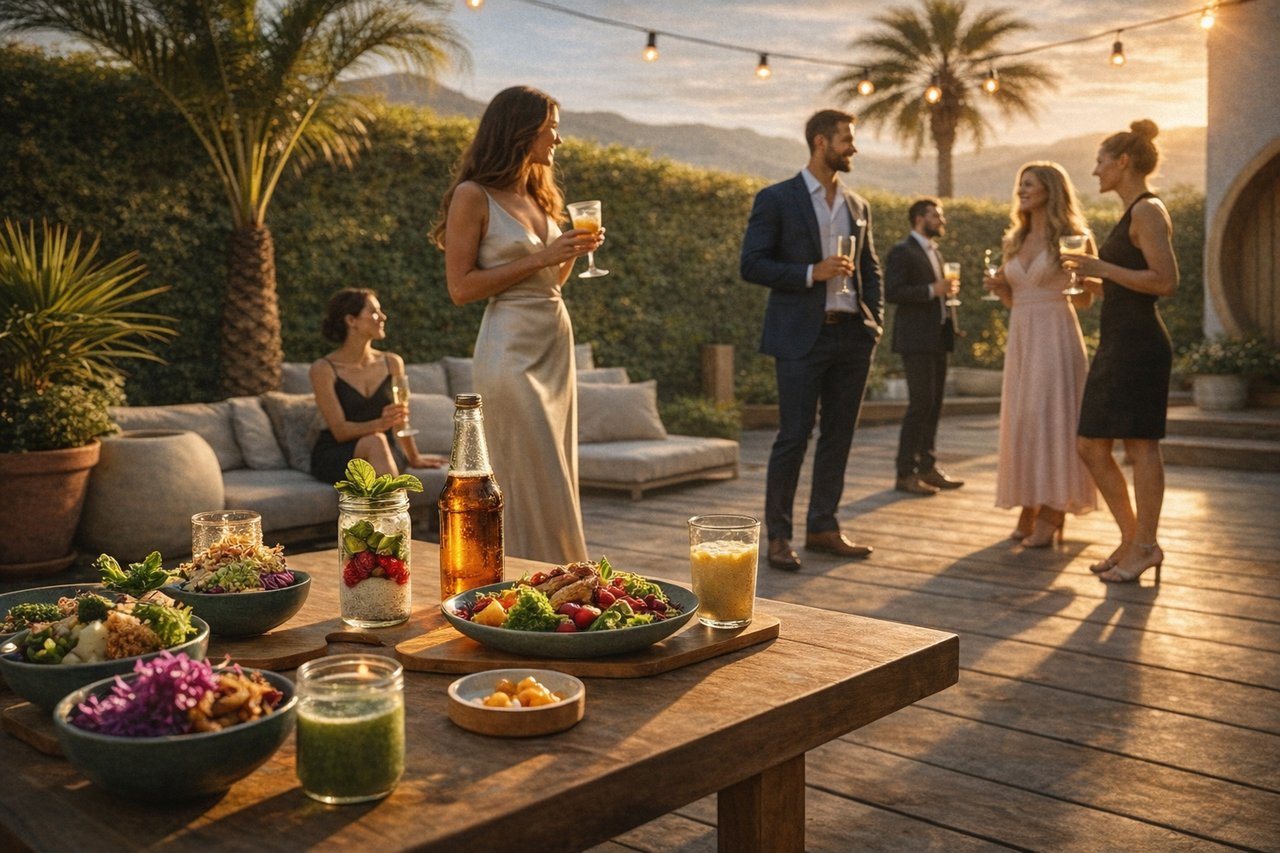
Health-conscious entertainment has become the new standard in Los Angeles and changed how residents gather and socialize in 2026. The city leads the nation in plant-based protein consumption at 1.80 meals per week. It ranks as the most vegetarian-friendly city in the U.S.. These moves reflect a broader movement where health-conscious consumers prioritize wellness without sacrificing social connection. Angelenos now prepare 6.30 home-cooked meals weekly and prove that a health-conscious lifestyle can coexist with gatherings. This piece explores how LA is redefining social events through innovative food and beverage programs alongside wellness-centered activities. We cover practical hosting strategies that accommodate dietary needs and keep gatherings engaging and inclusive.
How LA Redefined What It Means to Entertain
From Nightlife to Daylight Socializing
Los Angeles has witnessed a cultural change where bedtimes moved from 5 a.m. to 9 p.m., and wake-up calls went from noon to 5 a.m.. The cool kids now slam matcha shots before heading to day raves where attendees remain sober. A broader movement away from alcohol-centered gatherings toward daytime events that value clarity and connection drives this transformation.
The "Soft Clubbing" phenomenon captures this progress. Coffee clubbing events surged by 478%, while attendance grew 150%. Morning dance parties increased 20% in events and 13% in attendance. Thermal gatherings saw the most dramatic growth. Events jumped 256% and attendance skyrocketed 1,105%. These numbers reveal a fundamental reimagining of when and how people gather.
The 30+ crowd seeking electric energy without late-night exhaustion gets what it needs from Dayshift parties. Participants dance under disco balls and experience confetti showers during daylight hours. Memorable gatherings don't need darkness or alcohol.
The Influence of Health-Conscious Lifestyle Trends
Gen Z drives this cultural recalibration, with 61% wanting to drink less and get better sleep, mental health, and physical fitness, compared to 41% of all U.S. adults. This generation consumes nearly 30% less alcohol than millennials did at the same age. The movement extends beyond temporary sobriety experiments into sustained lifestyle changes.
Sober-curious gatherings increased 92%. 1 in 5 U.S. adults actively seek alcohol-free events. Wellness communities in Los Angeles organize daily gatherings where people move together and support each other beyond the workout. Group settings create stronger bonds through shared experiences. Participants push harder when surrounded by others doing the same.
Why Traditional Entertaining No Longer Works
Economic realities shape new entertainment priorities. Traditional nightlife feels expensive for price-sensitive generations seeking better value. Health-conscious consumers want vibrant social energy and community without big financial costs or physical hangovers.
Wellness birthday parties illustrate this change. Demand for private wellness-themed celebrations grew 300% in the past five years. Social milestone retreats increased 48% since 2023, with birthdays representing the majority. These events stack Reformer Pilates with health bowls and spa days or thermal circuits with group saunas.
The desire for authentic connection counters superficial online interactions. Health-conscious lifestyle choices match immersive, in-person experiences that blend entertainment with values of productivity and mental clarity. Traditional bars close and nightlife struggles, while wellness-centered gatherings thrive because they leave participants feeling better than when they arrived.
Food and Beverage Innovations for Social Gatherings
Adapting Menus for Health-Conscious Consumers
Restaurants respond to shifting needs by expanding menu options that match wellness goals. Data shows 60% of diners actively seek healthier choices when eating out. Hosts adapt by providing lower-calorie dishes, plant-based proteins and nutrient-dense ingredients. Superfoods like avocados, turmeric and leafy greens boost menu appeal. Marking items free from common allergens like nuts, dairy and gluten demonstrates awareness of guests' needs.
Smaller Portion Sizes and Intentional Eating
Research confirms that exposure to smaller portions changes perceptions of normal serving sizes. Participants who viewed smaller portions selected less food the next day. Environmental cues from reduced portion sizes decrease energy intake. Guests don't feel deprived. This approach supports mindful consumption at social gatherings.
Low-ABV and Non-Alcoholic Beverage Programs
Premium non-alcoholic options have become standard expectations. Guests want crafted beverages, not consolation prizes. Functional mocktails incorporate adaptogens and magnesium for calm social energy. The sober-curious movement drives the need for sophisticated alternatives. Non-alcoholic spirits cost similarly to mid-shelf alcohol but lift the inclusive experience.
Functional Foods and Supplements in Social Settings
Functional foods provide physiological benefits beyond simple nutrition. Studies show these foods help prevent chronic diseases and support longevity. Probiotics in fermented dairy products serve specific health goals. Immunity-boosting ingredients like elderberry and echinacea appear in dishes year-round.
Farm-to-Table and Seasonal Menu Design
Sourcing ingredients from local farms supports agricultural communities while reducing carbon footprints. Seasonal produce picked at peak provides superior nutrition and flavor. Farm-to-table dining creates meaningful connections between consumers and producers.
Interactive Food Experiences and Cooking Demos
Cooking demonstrations transform gatherings into shared experiences. These interactive elements strengthen workplace relationships and create lasting memories. Health-focused demos teach attendees to prepare nutritious meals while understanding ingredient benefits. Participants learn practical skills in entertaining, engaging formats.
Wellness Activities That Bring People Together
Group Fitness Classes as Social Events
Group workouts transform exercise into community experiences. Members attending group classes visit gyms 2.7 times per week compared to just 2 visits for solo exercisers. Therefore, they show 26% lower cancellation rates and 35% higher loyalty than individual attendees. Gym-only members prove 56% more likely to cancel than those participating regularly in group sessions. Partner workouts, team challenges and AMRAP formats create accountability systems and social outlets at the same time.
Cold Plunge and Sauna Gatherings
Temperature-based wellness gatherings have redefined social connection. IcePass offers high-heat sauna and cold immersion amenities in community-driven environments. Members experience sessions before or after daily life. Supersaunners delivers Finnish-style mobile sauna and cold plunge setups to homes or event spaces directly and accommodates 6-10 people in rotation. These gatherings replace traditional nightlife with endorphin-boosting experiences. Groups sweat together and plunge into cold tubs while creating memorable moments.
Guided Meditation and Breathwork Sessions
Breathwork and meditation promote connections beyond individual practice. Group sessions create belonging while supporting emotional well-being. Guided practices help calm nervous systems and reduce stress. They encourage mindfulness by bringing awareness to the present moment.
Nature-Based and Outdoor Activities
Outdoor gatherings offer wellness experiences that are easy to access. Hiking requires minimal specialized gear and provides variation in a variety of terrains. Outdoor yoga combines restorative practice with natural settings and requires little equipment. These activities refresh spirits while reconnecting participants with nature.
Practical Tips for Hosting Health-Conscious Events
Planning Around Different Dietary Needs
Approximately 6 out of 10 Americans have some dietary restriction. Gather this information early through RSVP forms to prevent last-minute complications. Experienced caterers handle diverse needs and maintain quality across all dishes. Clear labeling helps guests guide through options with confidence and shows which dishes meet specific requirements like vegan, gluten-free, or nut-free priorities. Guests with severe allergies need cross-contamination protocols that require separate utensils and preparation areas.
Timing Your Events for Optimal Guest Energy
Temperature control substantially affects guests' comfort. Keep spaces around 70-72°F so attendees stay engaged without discomfort. Protein placement at buffet lines helps guests make energizing choices that sustain focus. Quiet start mornings with no sessions before 9 a.m. respect natural rhythms. Build in 15-minute breaks between intensive activities to prevent energy crashes.
Creating Comfortable Spaces for All Wellness Levels
Space planning that works allocates 7-10 square feet per person for comfortable movement. Multiple energy zones accommodate different comfort levels, from high-energy activity areas to quiet corners with soft lighting. Colors in the blue and green family slow heart rate and promote calm. Flexible seating arrangements support lounging, standing and traditional setups.
Economical Wellness Entertaining Options
Buy seasonal ingredients and frozen produce to reduce costs without sacrificing nutrition. One wellness retreat managed $25 per person for three days through strategic grocery planning. Potluck formats split expenses and expose guests to new dishes. Free outdoor activities provide rejuvenating experiences without financial burden.
Conclusion
Health-conscious entertainment represents more than a temporary trend for Angelenos. This movement reflects deeper values around connection, wellness, and intentional living. Hosts who welcome plant-based menus, daytime activities, and inclusive beverage programs create gatherings that leave guests energized. The change proves that memorable social experiences don't require compromises. LA demonstrates that wellness and celebration coexist at the time hosts prioritize authenticity and shared experiences over traditional indulgence.
Key Takeaways
Los Angeles is pioneering a wellness revolution in social gatherings, proving that health-conscious entertaining creates deeper connections while supporting guests' well-being goals.
• Daytime socializing replaces nightlife: Coffee clubbing events surged 478% as Angelenos shift from 5 a.m. bedtimes to 9 p.m., prioritizing clarity over late-night exhaustion.
• Functional foods and low-ABV drinks elevate gatherings: Premium non-alcoholic options with adaptogens and superfoods satisfy health-conscious guests without compromising sophistication.
• Group wellness activities strengthen social bonds: Participants in group fitness visit gyms 2.7 times weekly versus 2 times for solo exercisers, showing 26% lower cancelation rates.
• Strategic planning accommodates diverse needs: Collecting dietary restrictions early and maintaining 70-72°F temperatures ensures comfortable, inclusive experiences for all wellness levels.
• Budget-friendly options make wellness accessible: Seasonal shopping and potluck formats prove that meaningful health-conscious gatherings don't require significant financial investment.
This transformation demonstrates that modern entertainment can align personal values with social connection, creating events that energize rather than deplete participants while building stronger community bonds.
FAQs
Q1. Why are daytime social events becoming more popular than traditional nightlife in Los Angeles? Daytime events prioritize mental clarity, physical wellness, and authentic connection over alcohol-centered gatherings. Coffee clubbing events have surged by 478%, and morning dance parties increased by 20%, reflecting a cultural shift where people seek vibrant social energy without late-night exhaustion or hangovers. This trend is particularly driven by younger generations who value better sleep, mental health, and fitness.
Q2. What are some popular wellness activities for group gatherings? Group fitness classes, cold plunge and sauna sessions, guided meditation and breathwork, and nature-based activities like hiking and outdoor yoga have become popular social wellness activities. These experiences create stronger community bonds while supporting physical and mental well-being, with group fitness participants showing 26% lower cancelation rates compared to solo exercisers.
Q3. How can hosts accommodate different dietary needs at health-conscious events? Hosts should collect dietary information early through RSVP forms, work with experienced caterers who can handle diverse requirements, and clearly label all dishes indicating vegan, gluten-free, or allergen-free options. Implementing cross-contamination protocols with separate utensils and preparation areas is essential for guests with severe allergies.
Q4. What are functional foods and why are they important for social gatherings? Functional foods provide physiological benefits beyond basic nutrition, helping prevent chronic diseases and supporting overall wellness. These include superfoods like avocados, turmeric, quinoa, and leafy greens, as well as probiotics in fermented foods and immunity-boosting ingredients like elderberry and echinacea. They allow hosts to offer nutritious options that align with guests' health goals.
Q5. How can someone host a health-conscious event on a budget? Budget-friendly options include shopping for seasonal ingredients, buying frozen produce, organizing potluck-style gatherings to split costs, and choosing free outdoor activities like hiking or park yoga. Strategic grocery planning can reduce costs to as low as $25 per person while maintaining nutritious, high-quality offerings that don't compromise the wellness experience.