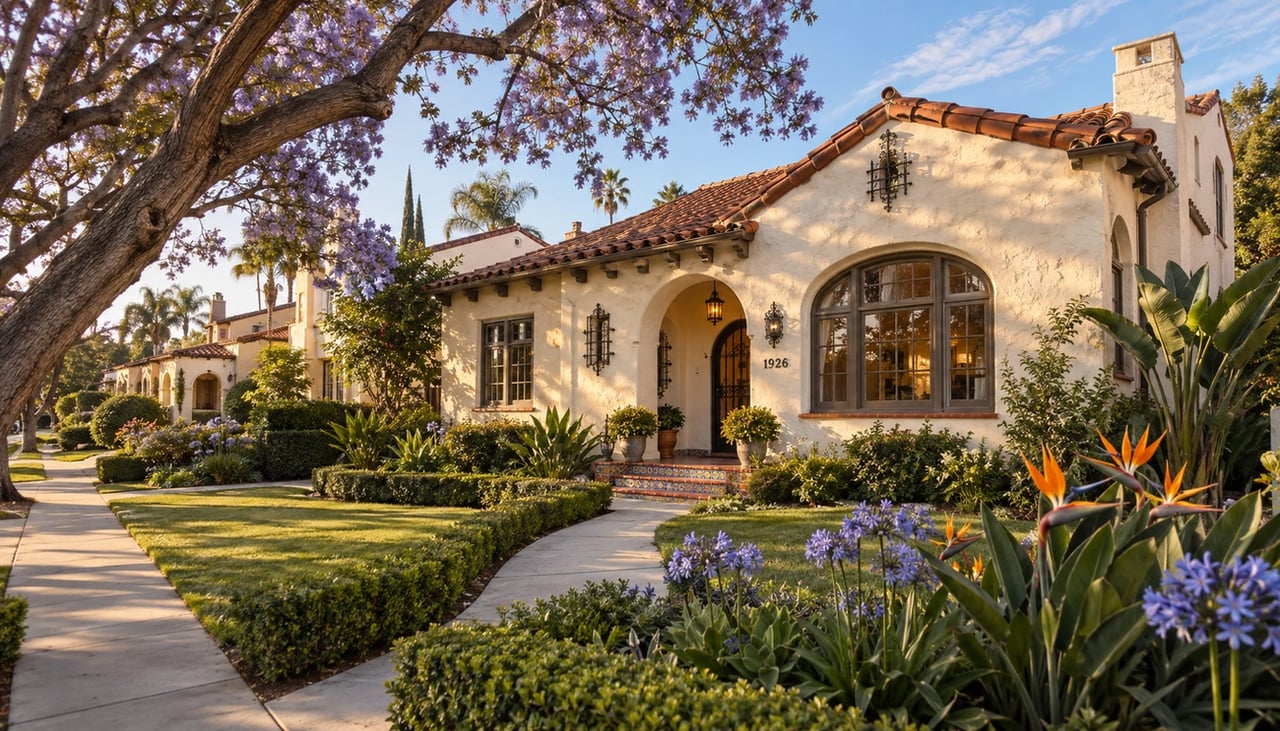
What separates a sound acquisition from a true legacy holding is knowing how luxury estates function — not just as places to live, but as long-term financial instruments. This article examines what affluent buyers understand about selecting the right properties, structuring ownership wisely, and transferring high-end real estate across generations with both intention and precision.
Why Luxury Real Estate is the Preferred Wealth Preservation Strategy
"Real estate cannot be lost or stolen, nor can it be carried away. Purchased with common sense, paid for in full, and managed with reasonable care, it is about the safest investment in the world." — Franklin D. Roosevelt, U.S. President
Real Estate as a Safe Haven Asset in Volatile Markets
Luxury properties operate on fundamentals that securities markets simply cannot replicate. Land is finite. Rental income flows regardless of what equity markets are doing. And the physical nature of real estate anchors value in ways that paper assets cannot when conditions deteriorate.
The income data tells the story clearly. Average annual income returns from real estate during UK recessions held at 5.7% just 20 basis points below the non-recessionary average of 5.9%. That consistency traces back to something straightforward: people will always need shelter, and that baseline demand does not evaporate in downturns.
The contrast with equities sharpens that point considerably. Between January and October 2022, global developed market equities dropped nearly 22% peak-to-trough, while the MSCI Global Property Index returned a positive 5% over that same stretch. Real estate only corrected later in the year well after equity markets had already hit bottom.
How Physical Assets Outperform Traditional Investment Vehicles
Private real estate held a negative correlation with equities, government bonds, corporate bonds, and gold from 2021 to 2025. That independence from other asset classes is precisely what makes it valuable it holds its ground when conventional diversification tools stop working.
The performance record reinforces that position. Private real estate investment returns were positive in 17 of the 20 worst quarters between 1990 and 2008, while 60/40 stock and bond portfolios fell during those same periods. Rental income plays a significant role here payments continue regardless of broader conditions, providing the kind of predictability that high-net-worth families plan around.
The Data Behind Real Estate's 60% Appreciation Rate
House prices rose 54.9% nationwide between the first quarter of 2020 and the first quarter of 2025, with more than half of metro areas surpassing that figure. Demographic demand, constrained supply, and inflation-linked value increases all contributed to that growth.
Institutional allocators have taken note. Real estate allocations among institutional investors have held at nearly 11% since the start of the decade, despite broader market uncertainty. Properties structured with multi-generational use in mind capture both near-term rental income and long-horizon appreciation, two return streams that build on each other over time.
What Affluent Buyers Know About Selecting Legacy Properties
"Owning a home is a keystone of wealth…both financial affluence and emotional security." — Suze Orman, Financial advisor and author
Most residential purchases follow market timing. Legacy property acquisition follows something else entirely — life timing, strategic positioning, and a level of discretion that rarely surfaces in public listings. The criteria that define a generational holding are fundamentally different from those of a transactional buy.
Location Selection: Markets That Hold Value Across Decades
A legacy property requires exceptional location, historical or architectural significance, and long-term investment potential. London townhouses in Belgravia, Parisian hotel particuliers, Central Park West penthouses, Lake Geneva waterfront villas, and Malibu coastal compounds represent the caliber of holdings that endure.
The common thread across the most sought-after addresses London's Mayfair, Kensington, and Chelsea; New York's Upper East Side; Paris's 6th through 8th arrondissements; lakefront estates in Geneva and Zurich; branded residences in Dubai; and historic properties across the South of France and Tuscany — is scarcity paired with sustained demand. Supply rarely grows in these markets, and appetite rarely fades.
Architectural Significance and Rarity as Value Drivers
Properties with genuine character — historical significance, exceptional craftsmanship, or amenities that cannot be replicated — carry both sentimental weight and long-term financial value. Historic districts, oceanfront communities, and alpine resort towns draw domestic and international buyers alike, and tend to hold their footing more firmly when broader markets soften.
Size and Flexibility Requirements for Multi-Generational Use
Multigenerational home buying reached 17% of all buyers in 2024, an all-time high. The right property offers enough space and privacy for different generations to coexist comfortably under one roof or across a well-designed estate — without compromise. For families who also love to entertain, the property needs to perform on both counts. Christina Pope at Sotheby's International Realty (310-404-9931, [email protected]) works closely with clients to identify homes that meet those exacting standards.
Privacy, Security, and Controlled Access Features
For affluent buyers, privacy is not a feature it is a baseline expectation. The ability to control access, maintain predictability, and preserve autonomy gives these properties an anchor quality that goes well beyond financial value. They ground families across time, offering stability that holds through uncertainty.
How to Preserve Wealth for Generations Through Strategic Ownership
Selecting the right property is only part of the equation. How that property is held and by whom determines whether wealth compounds or quietly erodes across generations. High-net-worth families understand this well, structuring acquisitions through legal entities that separate personal liability from asset performance.
Using LLCs and Trusts to Protect Assets
Real estate may be held through trusts, LLCs, or family entities, and the right structure depends on factors including residency, intended use, financing, liability exposure, estate planning goals, and cross-border considerations. Families frequently purchase through these vehicles to maintain discretion and protect assets. The benefits extend well beyond liability protection entity structures also facilitate ownership transfers, centralize management, establish governance frameworks, and create opportunities for valuation discounts.
Tax Optimization for High-Net-Worth Real Estate Holders
Depreciation allows investors to offset rental income, reducing taxable income even as the underlying property appreciates. Section 1031 treatment applies to qualifying real property held for business or investment use, allowing families to defer capital gains taxes by reinvesting proceeds into like-kind properties. Perhaps most valuable is the step-up in basis at death, which resets the tax basis to fair market value and can significantly reduce or eliminate capital gains taxes for heirs.
The current estate and gift tax exemption stands at $13.99 million per individual, meaning married couples can protect $27.98 million from federal estate taxes. That figure drops to approximately $7 million per person once 2026 begins a timeline worth planning around.
Structuring Properties to Generate Income While Maintaining Control
Multifamily properties generate income from multiple tenants, creating diversified cash flow within a single asset. General Partner structures allow senior generations to manage day-to-day operations while Limited Partners provide capital and retain exposure to distributions and appreciation. Families with multiple generations involved can create tiered ownership arrangements that make succession both intentional and orderly.
Estate Planning as a Safeguard Against Wealth Erosion
Qualified Personal Residence Trusts allow families to transfer residences at discounted valuations while retaining the right to remain in the home. Grantor Retained Annuity Trusts are particularly well-suited for properties expected to appreciate significantly transferring future appreciation to beneficiaries while the original owner retains an income stream. When transferring ownership interests in privately held real estate entities, the value of those interests may differ meaningfully from the value of the underlying property, due to lack of control and marketability factors.
Getting this right requires the right team. Successful estate planning calls for close collaboration among tax advisors, estate planning attorneys, real estate attorneys, valuation specialists, wealth advisors, and investment professionals. For those seeking strategic positioning in Los Angeles luxury markets, Christina Pope at Sotheby's International Realty (310-404-9931, [email protected], EliteResidenceInternational.com) provides access to properties structured for generational wealth preservation.
The $4.6 Trillion Wealth Transfer: Preparing the Next Generation
Wealth transfer decisions in Los Angeles unfold through private conversations where timing and strategic positioning determine outcomes. An estimated $124 trillion will transfer intergenerationally through 2048, with $25 trillion flowing directly into real estate. Gen Xers and Millennials stand to inherit $4.6 trillion in real estate alone.
Understanding the Silver Tsunami and Its Impact on Luxury Real Estate
The scale of what is changing hands right now is remarkable. In 2025, $6 trillion moved from older generations to younger ones. Gen X stands to inherit $14 trillion over the next decade, while Millennials will receive $8 trillion during the same period and over the next 25 years, Millennials are on track to receive $46 trillion in total. Those coming into inherited wealth tend to be far less sensitive to interest rates, which helps explain why luxury markets continue to hold strong even as broader conditions soften.
What Millennials and Gen X Heirs Prioritize Differently
Younger investors bring a different set of convictions to wealth management. They show stronger preferences for crypto, digital assets, private equity, and direct company investments compared to those 44 and older. Their approach to sustainability is notably different as well 73% already own sustainable assets, compared to just 26% of older investors. These are not minor preferences. They signal a genuine shift in how the next generation intends to steward what it inherits.
Financial Planning for Wealth Preservation Across Generational Transitions
Financial literacy remains one of the most consequential gaps in successful wealth transfer. Heirs who do not understand what their families own or how that wealth was built find themselves unprepared when ownership responsibilities arrive. Families who succeed in keeping wealth intact across generations treat inheritance as a shared conversation, one that starts early and covers not just assets, but the risks taken and the discipline required to build them.
Managing Multi-Generational Estates: Division vs. Retention Strategies
Many heirs choose to sell inherited properties rather than take on their management. Large estates carry real maintenance demands, and geographic distance from an inherited property often tips the decision toward liquidation. Others sell at favorable valuations to diversify or reinvest closer to where they live. Neither path is wrong what matters is that the decision is made with full information and sound counsel. For those thinking through acquisition or transition strategy in the Los Angeles luxury market, Christina Pope at Sotheby's International Realty (310-404-9931, [email protected], EliteResidenceInternational.com) brings the expertise and discretion these conversations require.
Conclusion
The most enduring acquisitions are rarely the loudest ones. Selecting properties with lasting value, holding them through the right legal structures, and bringing the next generation into the conversation early — these are the habits that separate families who preserve wealth from those who simply inherit it.
For those ready to take that next step, Christina Pope brings the market knowledge, discretion, and global perspective that this caliber of purchase demands. Reach out at 310-404-9931 or [email protected] to begin the search for elevated living.
Key Takeaways
Luxury real estate has emerged as the cornerstone of generational wealth preservation, with affluent families leveraging strategic property ownership to protect and grow assets across decades. Here's what sophisticated buyers understand about building lasting family legacies through real estate:
• Real estate delivers exceptional stability: Private real estate maintained 5.7% average annual returns during recessions and appreciated 60% over five years, outperforming volatile equity markets while providing consistent income streams.
• Strategic location selection drives legacy value: Properties in established luxury hubs like Mayfair, Central Park West, and Geneva waterfront hold enduring appeal due to limited supply, architectural significance, and multi-generational functionality.
• Smart ownership structures preserve wealth: Using LLCs, trusts, and 1031 exchanges allows families to defer taxes, protect assets from liability, and transfer properties efficiently while maintaining control across generations.
• The $4.6 trillion wealth transfer demands preparation: With Gen X and Millennials inheriting massive real estate holdings, successful families start financial literacy conversations early and structure properties for either retention or strategic liquidation.
The most successful wealth preservation strategies combine exceptional property selection with sophisticated legal structures and proactive family planning. Those who master these elements create assets that appreciate financially while anchoring family identity across generations.
FAQs
Q1. How do wealthy families successfully preserve their wealth across multiple generations? Wealthy families preserve generational wealth through basic financial literacy education starting at a young age, regular family discussions about money management, involving younger generations in investment decisions, and encouraging entrepreneurial thinking and financial independence. Strategic real estate ownership, proper legal structures like trusts and LLCs, and early conversations about wealth stewardship are essential components of successful wealth preservation.
Q2. What is the "third-generation curse" in wealth preservation? The third-generation curse refers to a common pattern where 70% of family wealth is lost by the second generation and 90% by the third generation. This phenomenon occurs when families fail to prepare heirs for wealth stewardship, lack financial literacy education, or don't establish proper governance structures. Successful families combat this by treating inheritance as a shared responsibility and starting wealth management conversations early.
Q3. Why do heirs often sell inherited properties instead of keeping them? Heirs frequently sell inherited properties due to several factors: large estates requiring significant maintenance become burdensome, geographic distance from inherited properties makes management difficult, and some heirs prefer to sell at favorable valuations to diversify their portfolios or reinvest closer to home. Without proper preparation and understanding of property management, heirs may feel unprepared for ownership responsibilities.
Q4. What are the worst types of assets to inherit from a wealth preservation perspective? The most challenging assets to inherit include condo timeshares, family businesses without succession plans, traditional IRAs with tax implications, collectibles with uncertain valuations, vacation homes requiring ongoing maintenance, certain heirlooms with limited marketability, complex wills, and firearms with legal complications. These assets often create more burden than benefit for unprepared heirs.
Q5. How do tax strategies help preserve wealth in real estate investments? Tax optimization strategies include depreciation to offset rental income, Section 1031 exchanges to defer capital gains taxes when reinvesting in new properties, and step-up in basis at death which resets tax basis to fair market value and significantly reduces capital gains taxes for heirs. The current estate and gift tax exemption of $13.99 million per individual allows families to protect substantial wealth from federal estate taxes.