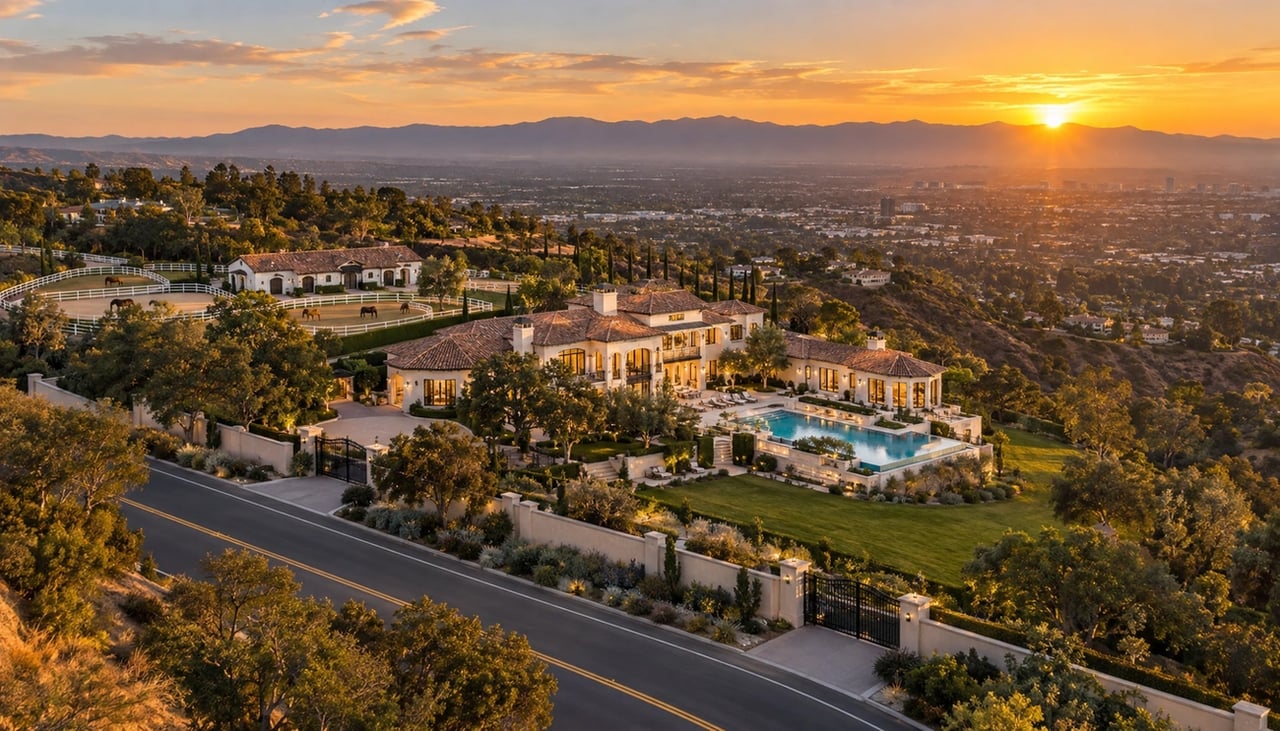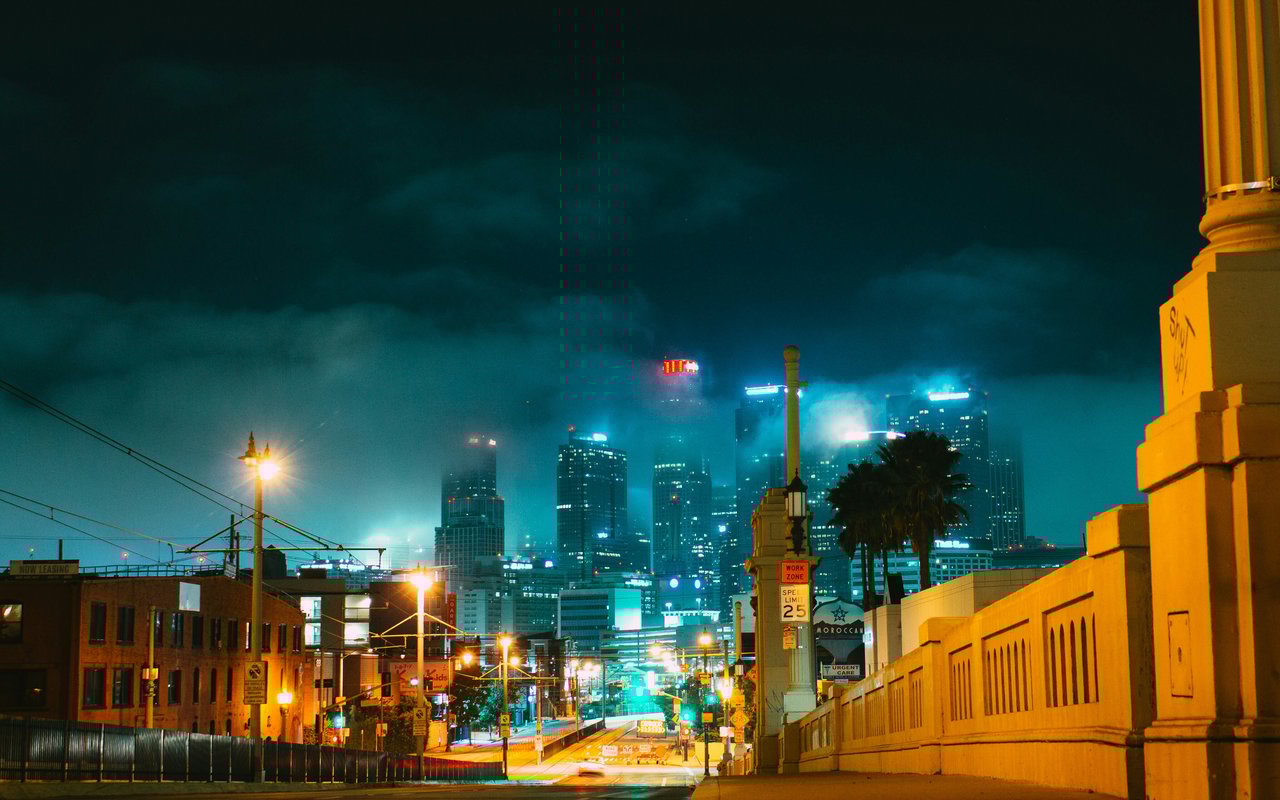
Outdoor home lighting ideas can change an ordinary property into a captivating evening estate. The right exterior lighting makes all the difference in creating perfect ambiance or accentuating a home's distinctive design features. You can illuminate architectural verticals, highlight landscape elements or create welcoming pathways. Lighting lifts a property's nighttime presence.
This piece explores essential exterior house lighting ideas to enhance architectural beauty and outdoor lighting ideas for landscapes and pathways. Homeowners will find front of house lighting ideas and detailed exterior lighting concepts designed to showcase their property's potential after dark.
Essential Outdoor Lighting Ideas for Your Home's Architecture
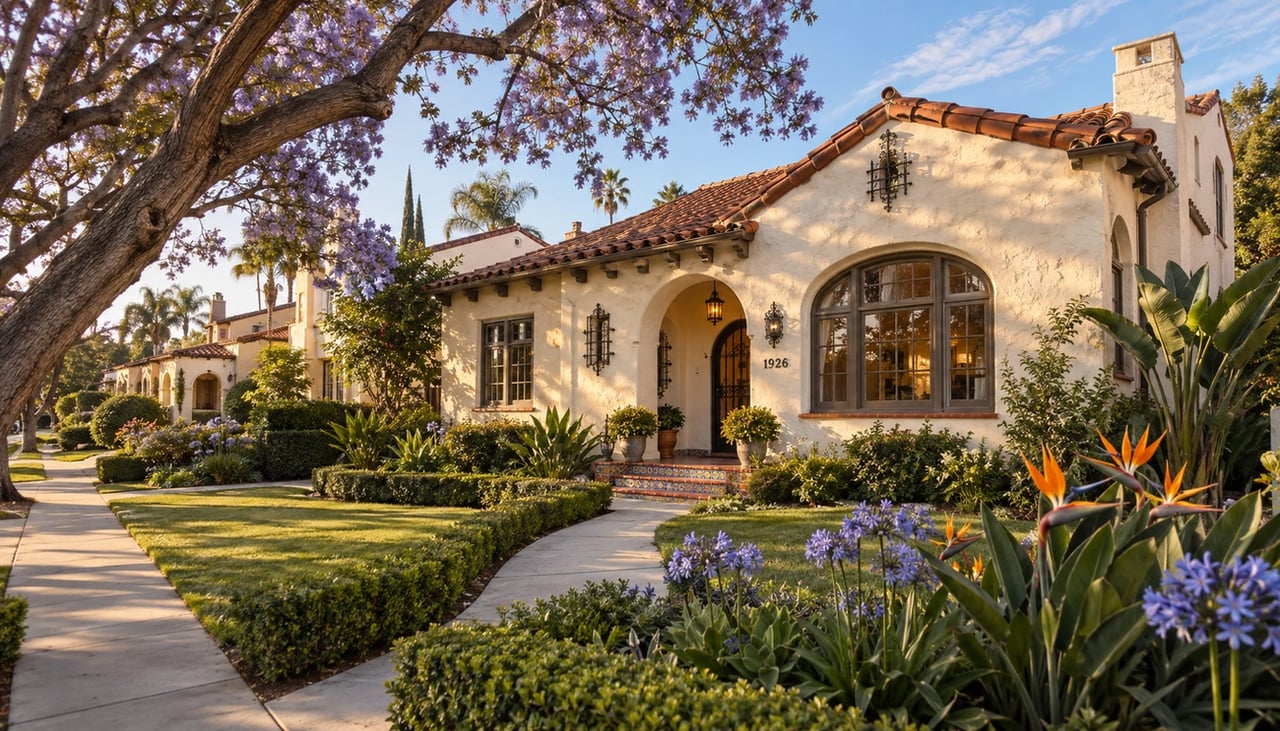
Architectural lighting reveals a home's character after dark by matching fixture styles and placement strategies to structural design elements. Colonial and traditional homes benefit from symmetrical arrangements. Lantern-style wall sconces positioned near doorways echo historical gas lanterns, and path lighting reinforces formal layouts through parallel lines leading to entrances. Post lights add stately presence that mirrors architectural columns and creates rhythm along walkways.
Modern and contemporary exteriors pair with geometric wall fixtures that emphasize clean lines and hardscape lighting that outlines retaining walls and stairs. Recessed and in-ground options maintain visual simplicity and create layered illumination without physical obstruction.
Farmhouse and rustic homes gain warmth through deck lighting on porches and stairs. Bistro lights strung across pergolas and weathered lanterns mounted on columns complete the look. Hanging pendant lights in matte black or industrial metals work above outdoor dining areas under deep overhangs.
Victorian and Gothic styles just need theatrical approaches. Tree lighting illuminates tall gables and turrets, and decorative wall sconces blend with ornate trim. Building entrances should target up to four footcandles on the ground and two footcandles vertically to properly illuminate facades. Second-story lighting on gables and dormers prevents unbalanced appearance. LED roofline systems use at least 75% less energy than traditional bulbs.
Landscape and Pathway Lighting Ideas for Evening Appeal
Pathways and landscape features require thoughtful lighting systems that balance function with visual appeal. Three main outdoor lighting ideas serve these areas: solar lights charge through photovoltaic cells during six to eight hours of direct sunlight and require no wiring, low voltage systems operate at 12 volts through transformers plugged into GFCI outlets, and line voltage installations run at 120 volts requiring licensed electrician installation.
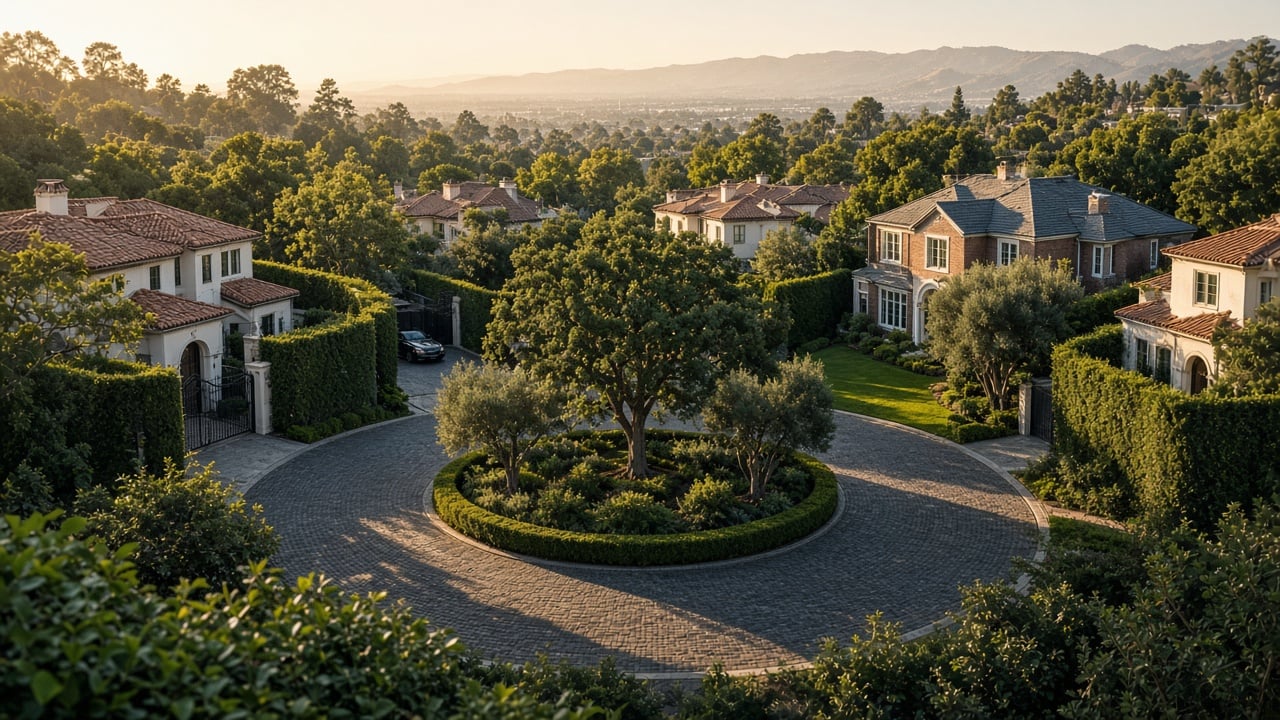
Path lights positioned six to eight feet apart create even coverage along walkways. Fixtures placed no more than six inches from path edges light up walking surfaces at night. Staggered arrangements on alternating sides produce more appealing results than straight runway-style lines. Bollard lights work well for long or open walkways where people approach from multiple directions.
Accent lights placed near the base of trees or large shrubs shine upward and highlight landscape elements. Small trees or shrubs need one fixture. Medium trees benefit from cross lighting with two fixtures. Moonlighting recreates natural effects by mounting fixtures at least 25 feet high within tree canopies. This creates dappled patterns through leaves and branches.
Recessed and well lights install flush with ground surfaces for sophisticated uplighting along driveways, walkways and patios without bulky hardware. Color temperatures between 2,700K and 3,000K emit warmer light suitable for residential properties. Dark sky approved fixtures using 3,000K or below prevent upward light pollution.
Advanced Exterior House Lighting Ideas for Luxury Ambiance
High-end outdoor lighting raises properties through designer craftsmanship and sophisticated layering techniques. Premium fixtures from world-class designers incorporate handcrafted elements using brass, powder-coated aluminum, and textured glass that withstand weather while serving as sculptural focal points. These statement pieces make first and last impressions on guests and define how people feel entering and leaving a property.
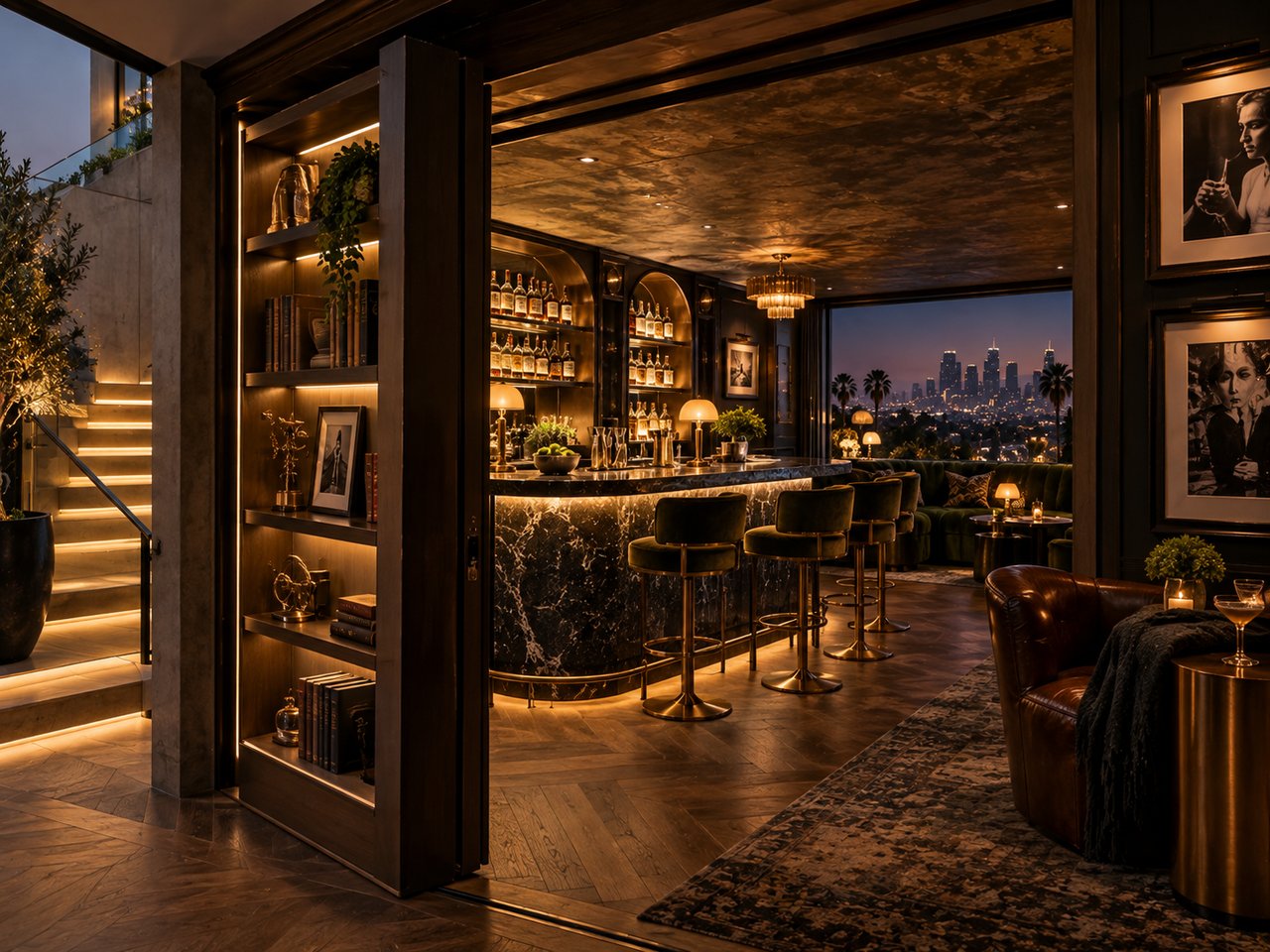
Luxury ambiance depends on three-layer systems working concurrently. Ambient lighting provides foundational illumination through wall-mounted fixtures and post lights, whereas task lighting guides specific areas like gates and staircases. Accent lighting spotlights architectural details and landscape features and creates visual hierarchy. Balancing these layers prevents over-lighting while maintaining depth through contrast.
Shadow techniques add dramatic sophistication beyond simple illumination. Grazing positions fixtures parallel to textured surfaces and creates sharp contrasts that highlight stone and brick details. Uplighting trees casts dynamic shadows on walls and introduces movement and mystery. The interplay between illuminated areas and intentional darkness produces depth that transforms ordinary exteriors into captivating evening estates.
Color temperature shapes mood. Warm lights between 2,700K and 3,000K create inviting atmospheres suitable to entertain. Well-lit homes can feel up to 20% more valuable. The right home makes all the difference for those who love to entertain. If you're thinking over a purchase in the near future or beginning your search, I'd be delighted to help you find spaces designed for raised living and effortless hosting. Christina Pope  310-404-9931
  [email protected]
Conclusion
Thoughtful exterior lighting transforms properties from ordinary houses into captivating estates. The right lighting approach improves both beauty and perceived value, whether it illuminates architectural details or creates welcoming pathways through layered systems. The right home makes all the difference for those who love to entertain. Christina Pope helps buyers find spaces designed for effortless hosting and elevated living at 310-404-9931 or [email protected].
Key Takeaways
Transform your property into a stunning evening estate with strategic outdoor lighting that enhances architecture, landscapes, and creates luxury ambiance for elevated living and entertaining.
• Match lighting styles to your home's architecture - Colonial homes need symmetrical lanterns, modern homes require geometric fixtures, and farmhouse styles benefit from warm bistro lights and weathered lanterns.
• Create functional pathway lighting with proper spacing - Position path lights 6-8 feet apart and within 6 inches of walkway edges, using warm 2,700K-3,000K color temperatures for residential appeal.
• Layer three lighting levels for luxury ambiance - Combine ambient lighting (foundational illumination), task lighting (functional areas), and accent lighting (architectural highlights) to create depth and visual hierarchy.
• Use shadow techniques for dramatic sophistication - Position fixtures to graze textured surfaces and uplight trees, creating contrast between illuminated areas and intentional darkness for captivating evening appeal.
• Invest in quality fixtures as sculptural focal points - Premium materials like brass and textured glass serve dual purposes as weather-resistant lighting and artistic statements that can increase perceived home value by up to 20%.
Well-designed outdoor lighting systems not only enhance safety and functionality but create the perfect atmosphere for entertaining while showcasing your property's architectural beauty after dark.
FAQs
Q1. What type of outdoor lighting works best for different home architectural styles? Colonial and traditional homes benefit from symmetrical lantern-style wall sconces and post lights, while modern homes pair well with geometric fixtures and recessed lighting. Farmhouse styles are enhanced by bistro lights and weathered lanterns, whereas Victorian and Gothic homes require dramatic tree lighting and decorative wall sconces to complement their ornate features.
Q2. How far apart should pathway lights be installed for proper illumination? Path lights should be positioned six to eight feet apart to create even coverage along walkways. For optimal results, place fixtures no more than six inches from the path edges, and consider staggering them on alternating sides rather than arranging them in straight lines for a more visually appealing effect.
Q3. What are the three layers of lighting needed for luxury outdoor ambiance? The three essential layers include ambient lighting for foundational illumination through wall-mounted fixtures and post lights, task lighting to guide specific areas like gates and staircases, and accent lighting to spotlight architectural details and landscape features. Balancing these layers creates depth and visual hierarchy without over-lighting.
Q4. What color temperature is recommended for residential outdoor lighting? Warm light temperatures between 2,700K and 3,000K are ideal for residential properties as they create inviting atmospheres suitable for entertaining. This range provides comfortable illumination while maintaining a welcoming ambiance that enhances the property's evening appeal.
Q5. How can shadow techniques enhance outdoor lighting design? Shadow techniques add dramatic sophistication by positioning fixtures nearly parallel to textured surfaces (grazing) to highlight stone, brick, and wood details. Uplighting trees creates dynamic shadows on walls, introducing movement and mystery. The intentional contrast between illuminated areas and darkness produces depth that transforms ordinary exteriors into captivating evening spaces.