Luxury real estate trends show a surprisingly strong market that performs better than the overall real estate sector. The market closed December 2025 with unexpected strength as single-family transactions grew 7.8% compared to last year. Attached luxury properties showed a 4.1% increase from December 2024.
The numbers look impressive, but the biggest problem rarely makes it to mainstream market reports - the luxury real estate market plays by its own rules. Most valuable deals happen quietly among trusted networks. The inventory of single-family luxury homes grew by 10.2% year over year. The sales ratio for luxury properties dropped to 14.06% in January from its 37% peak just two years ago. This contrast explains the growing gap between public luxury market reports and ground reality.
This widening gap becomes clearer when we look at buyer preferences. The 90th-percentile threshold for national luxury prices settled at $1.19 million. On top of that, properties with sustainability features, purified air systems, and recovery spaces now cost 10-25% more as buyers value health-enhancing features over traditional status symbols. The 75-and-older population will grow 48% by 2034, and wealthy seniors now plan their final homes differently. They see it as a multi-decade, multigenerational strategy rather than just downsizing.
The Quiet Divide: What Most Reports Don’t Show
Beneath the gleaming surface of widely published real estate data lies a world that most market analyzes fail to capture. Private transactions, exclusive networks, and strategic discretion form the foundation of true luxury real estate operations especially at the highest levels of the market. These hidden mechanisms, often invisible to mainstream reporting, create what industry insiders recognize as "the quiet divide" the stark contrast between publicly reported trends and the reality of how elite properties actually change hands.
Why off-market deals matter more than ever
Off-market transactions, once considered merely an alternative strategy in luxury real estate, have evolved into a cornerstone of high-end property sales. These private deals, occurring without public listings or marketing campaigns, now represent a significant percentage of ultra-luxury transactions particularly those exceeding $10 million.
The appeal of off-market deals has intensified for several compelling reasons. First, they offer unparalleled privacy in an era where digital footprints are increasingly difficult to control. For high-profile individuals whether celebrities, business leaders, or political figures keeping real estate moves confidential has become an essential security measure rather than merely a preference.
Moreover, off-market transactions provide extraordinary strategic advantages. Sellers avoid the market stigma that can develop when a property lingers publicly unsold, while buyers gain access to exclusive inventory without competing against the broader market. This creates a uniquely balanced negotiating environment where both parties feel they've secured valuable advantages.
Financial considerations likewise drive this trend. Properties sold privately often command premium prices precisely because of their exclusivity and the bespoke negotiation process. Conversely, sellers sometimes accept slightly lower offers in exchange for the certainty and discretion that off-market deals provide especially important when asset reallocation or privacy considerations outweigh maximizing absolute dollar returns.
Perhaps most significantly, off-market transactions provide a crucial buffer against market volatility. When publicly tracked metrics fluctuate dramatically, private deals continue steadily through established networks of trust. This creates a parallel market that operates by different rules, following different timing patterns than the publicly reported residential sector.
The mechanics of these transactions differ substantially from conventional sales. Rather than traditional marketing campaigns and open houses, properties change hands through curated showings, often orchestrated through layers of professional intermediaries who carefully vet potential buyers. Initial outreach typically occurs through personal connections, with formal documentation appearing only after verbal agreements have solidified.
These transactions create unique challenges for market analysts and economists. Without comprehensive data on off-market deals, published reports present an incomplete picture of actual market activity, particularly at the highest price points. This incomplete data then influences broader perceptions about market health, pricing trends, and inventory levels often painting a misleading portrait of the true luxury landscape.
For those operating in this environment, relationship networks matter more than digital platforms. A trusted agent's personal connections often determine which buyers gain access to specific properties and which sellers receive legitimate interest rather than mere curiosity. This relationship-driven approach stands in stark contrast to the algorithm-heavy methodologies that dominate mainstream real estate.
How elite buyers and sellers operate under the radar
Elite participants in the luxury housing market employ sophisticated strategies that differ markedly from conventional real estate approaches. These techniques, refined over generations and adapted to modern circumstances, allow for remarkable discretion while still achieving precise market objectives.
From the seller's perspective, the process often begins with quiet conversations among trusted advisors wealth managers, attorneys, and specialized agents who understand both the property's attributes and the seller's unique needs. These early discussions focus not merely on price points but on strategic outcomes: timing requirements, privacy concerns, and optimal transaction structures that might benefit tax positioning or wealth transfer plans.
Many ultra-high-net-worth sellers engage in what insiders call "pre-positioning" subtly socializing the potential availability of their property within extremely selective circles long before any formal sales process begins. This might occur through casual mentions at private events, charitable gatherings, or club settings where potential buyers of appropriate means naturally congregate. This approach creates organic interest without leaving digital evidence of a property's availability.
When formal marketing becomes necessary, elite sellers typically employ phased approaches. The first phase might include only private outreach to specific individuals known to have interest in particular property types or locations. Only if these efforts prove unsuccessful might the property enter a second phase with slightly broader exposure though still far from public listing. Throughout this process, sophisticated contractual protections including non-disclosure agreements and significant earnest money requirements ensure that only serious prospects with genuine interest progress to viewing stages.
For buyers at this level, the process likewise operates differently than conventional home searches. Rather than publicly available listing services, elite buyers typically communicate detailed acquisition criteria to a small network of trusted advisors. These might include architectural preferences, privacy requirements, security needs, and specific geographical considerations.
The most sophisticated buyers maintain ongoing relationships with key brokers in multiple markets years before actual purchase intent, positioning themselves to receive first consideration when exceptional properties become available. This advance preparation ensures they can move decisively when opportunities arise an essential advantage in a segment where the most desirable properties may never formally enter the market.
Elite buyers also frequently utilize specialized purchase entities and complex ownership structures that obscure their identities. While sometimes portrayed as merely privacy measures, these approaches serve legitimate wealth preservation purposes, enabling cleaner asset segregation and specific inheritance planning. Limited liability companies, trusts, and other vehicles create additional layers between the public record and the ultimate beneficial owner.
The mechanics of property viewing likewise differ dramatically at this level. Rather than conventional showings, elite buyers often experience carefully orchestrated private presentations where the property is prepared exclusively for their visit. Sellers' representatives may vacate the premises entirely, while buyers' representatives handle all aspects of the viewing process. In the most private scenarios, specialized security teams conduct advance sweeps, temporary staff sign strict confidentiality agreements, and even catering or hospitality elements are selected specifically to appeal to the individual buyer's known preferences.
This "white glove" approach extends to negotiations as well. Rather than the offer-counteroffer pattern typical in conventional transactions, elite deals often involve lengthy preliminary discussions where principal terms are established verbally before any documentation occurs. These conversations frequently address not just price but nuanced considerations like specific artwork inclusions, furnishing packages, staff retention, and closing timelines tailored to both parties' travel schedules or other commitments.
Throughout this process, information control remains paramount. Transaction details often remain known only to a handful of advisors, with even family members sometimes unaware of real estate moves until completion. This extraordinary level of discretion explains why published market reports consistently under represent activity at the highest price points the most significant transactions simply never enter the public record in meaningful ways.
The role of discretion in the luxury housing market
Discretion serves as more than a mere preference in luxury real estate; it functions as a fundamental market currency that influences everything from property values to transaction timelines. The practice of discretion has evolved from a simple privacy consideration into a sophisticated market mechanism with significant implications for how luxury properties are valued, marketed, and transferred.
At its core, discretion creates tangible financial value. Properties with documented histories of discreet transactions typically command premium prices precisely because buyers value the established precedent of privacy. This premium manifests most clearly in properties designed with privacy as a central architectural feature, those with limited street visibility, secure access points, and careful landscaping that shields primary living areas from external view.
Beyond physical characteristics, discretion shapes marketing strategies in fundamental ways. The most valuable properties often receive minimal or even zero digital exposure, a direct inversion of mainstream real estate practice where maximum online visibility drives value. Instead, property details circulate through private memorandums shared only after verification of financial capacity and signing of confidentiality agreements.
This approach creates a secondary benefit: properties marketed discreetly avoid the market stigma that can develop when a public listing remains available for extended periods. Without visible "days on market" metrics, properties can be quietly shown to select prospects over longer time frames without developing the perception of being undesirable or overpriced. This patience often results in more favorable transaction terms for sellers who can wait for the ideal buyer rather than responding to market pressure.
Discretion particularly influences international transactions, where wealth preservation considerations and currency controls may create additional complexity. For international buyers acquiring U.S. luxury properties, discretion provides not just personal privacy but essential family security particularly for those from regions with political instability or security concerns. This explains why certain segments of the international elite place extraordinary premiums on properties with proven discretion records and established security protocols.
The mechanics of discretion extend beyond marketing to every transaction phase. Paperwork often utilizes code names rather than property addresses, inspection teams sign extensive confidentiality agreements, and closing processes occur through specialized private banking channels rather than conventional title companies. In the most sensitive transactions, even property tax records may be structured to obscure ultimate ownership through carefully designed legal entities.
This culture of discretion creates ripple effects throughout the luxury ecosystem. Service providers from interior designers to landscape architects develop specialized protocols for high-profile clients, often restricting project photography, limiting staff knowledge of client identities, and developing communication channels that minimize information exposure.
The real estate professionals who thrive in this environment possess unique skill sets that extend far beyond conventional transaction management. They function simultaneously as confidants, strategists, and information gatekeepers often privy to extraordinarily sensitive financial information that shapes transaction structures. Their value derives less from marketing acumen than from relationship trust and judgment about which buyers and sellers might prove compatible despite never meeting directly.
Industry veterans note that discretion patterns have intensified in recent years as digital privacy concerns heighten and wealth concentration increases. Properties that might have received limited public marketing a decade ago now change hands with zero digital footprint a trend likely to continue as privacy technology advances and high-net-worth individuals increasingly view information control as essential rather than merely desirable.
For market participants unaccustomed to this environment, the learning curve can prove steep and costly. Those who breach discretion protocols, even inadvertently, typically find themselves quickly excluded from future opportunities. This creates natural barriers to market entry and explains why the most significant transactions often flow through established relationship networks that have demonstrated discretion over decades rather than years.
The continued emphasis on discretion creates fascinating tension with regulatory trends toward greater transparency in real estate transactions. While anti-money laundering protocols and beneficial ownership reporting requirements continue to expand, sophisticated market participants develop increasingly creative approaches to balancing compliance with privacy preservation often through complex ownership structures spanning multiple jurisdictions.
This parallel system of private transactions explains why public records increasingly fail to capture the true nature of luxury market activity. The transactions that shape actual pricing trends and inventory perceptions may never appear in conventional data sets, creating the "quiet divide" between reported market conditions and the reality experienced by those operating at the highest levels of luxury real estate.
2025 in Review: A Year of Divergence
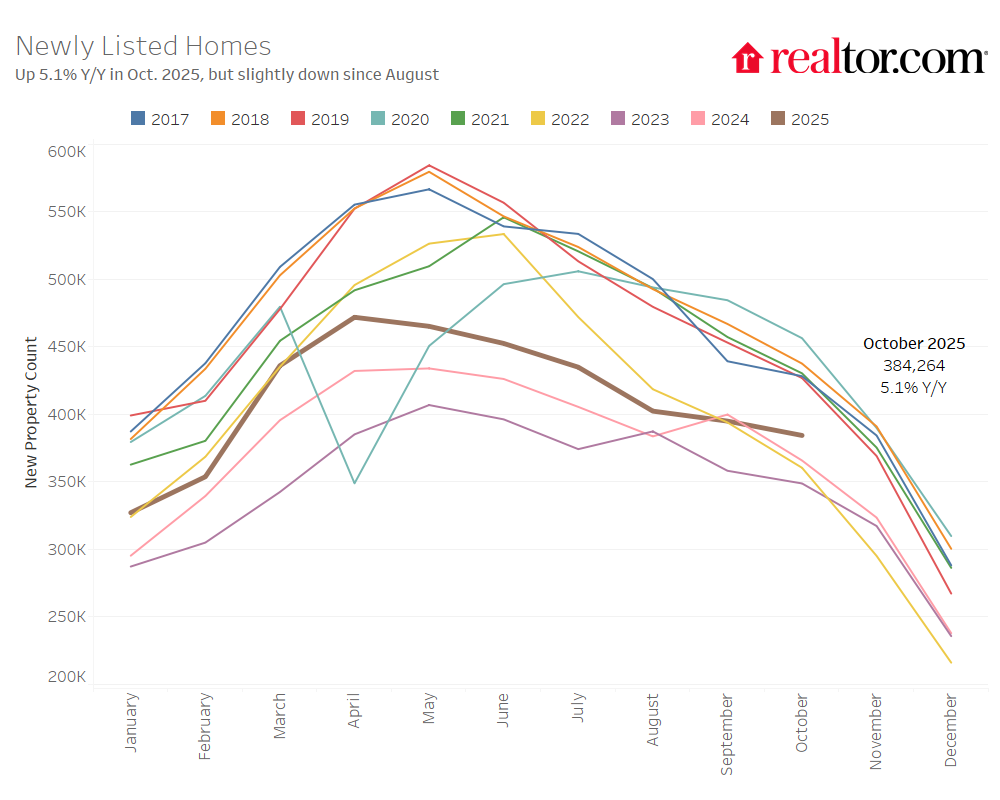
Image Source: Realtor.com
The 2025 luxury real estate market showed striking contrasts beneath basic metrics. Market segments moved in unexpected ways. Unlike past cycles where luxury and general markets moved together, 2025 showed remarkable differences between housing tiers. This split created both challenges and chances for investors who spotted the subtle realities behind the headlines.
Luxury home market vs. general housing trends
The median sale price of luxury homes in the United States rose 4.6% year-over-year to $1.31 million in December 2025. These numbers were well ahead of the broader housing market where non-luxury prices increased just 1.4% to $375,000 the slowest growth since tracking began in 2013. This gap points to a key change in market dynamics. Luxury housing now runs on different economic rules than general housing.
High mortgage rates stayed through 2025, yet the national luxury benchmark showed strength. Properties in the top 10% by value kept their edge despite a mild softening toward year-end. The luxury threshold dropped to $1.20 million by November 2025, a 2.3% yearly decline. This small correction was nowhere near the swings seen in past downturns.
The ultra-luxury tier's performance stood out the most. While most Americans faced a slow housing market in 2025, wealthy buyers lived in a different world. Ultra-luxury deals (properties above $10 million) jumped up, with 2,261 sales adding up to $38.63 billion [92]. The top ten home sales in the U.S. each topped $100 million up from five in 2023 and seven in 2024.
This split market shows how different buyers think and pay. Regular homebuyers watched interest rates closely, while ultra-luxury buyers didn't worry much about mortgages. These buyers, powered by stock market gains and major cash events, cared more about location and lifestyle than financing costs.
Location patterns highlighted these differences too. New York's luxury market stayed strong despite doubts about the city's future. Manhattan led the country with over $7.50 billion in ultra-luxury sales nearly 30% higher than last year. New luxury spots like Houston and Scottsdale grew fast, with Houston's $10 million-plus sales jumping 900% above pre-pandemic levels.
Market players should note one key fact: ultra-luxury real estate no longer follows general housing patterns. Through 2025, as most buyers struggled with affordability, $10 million-plus properties followed their own rules. Wealth concentration mattered more than typical housing factors.
Single-family vs. attached luxury performance
2025 saw clear differences between single-family and attached luxury properties. Both types did well but at different rates. Single-family luxury home sales beat their 2024 numbers by 6.1% for the year. Attached luxury sales stayed just below last year but caught up fast moving from 2.7% behind in September to just 1.6% by December.
December 2025 really showed these trends meeting. Single-family luxury sales grew 7.8% from last year, while attached luxury sales rose 4.1% compared to December 2024. Month-to-month changes told an even better story: single-family sales went up 9.4%, while attached properties jumped 15.9% from November. These numbers broke the usual seasonal pattern of cooling off from October through January before picking up in early spring.
Prices for both types grew steadily but differently. Median sold prices went up 3.9% year-over-year for single-family luxury homes and 2.7% for attached properties. Month-to-month, single-family median prices edged up 0.9%, while attached properties dipped 2.0%. The attached segment's price drop likely came from more sales at lower prices rather than weakness in the market.
Available homes showed more differences between segments. Year-over-year inventory rose 10.2% for single-family homes and 5.3% for attached properties. New listings told an interesting story about sellers. Single-family new listings grew 4.6% from last year but dropped month-to-month. This suggests homeowners felt more confident than earlier but stayed careful [94]. Attached home listings fell 1.6% year-over-year and 27.6% month-to-month, even as buyers looked for deals in this segment.
December's market balance backed up this story. Single-family luxury stayed a seller's market, while the attached segment moved between balanced and seller-friendly territory [94]. Better sales rather than low supply caused this shift a good sign for early 2026.
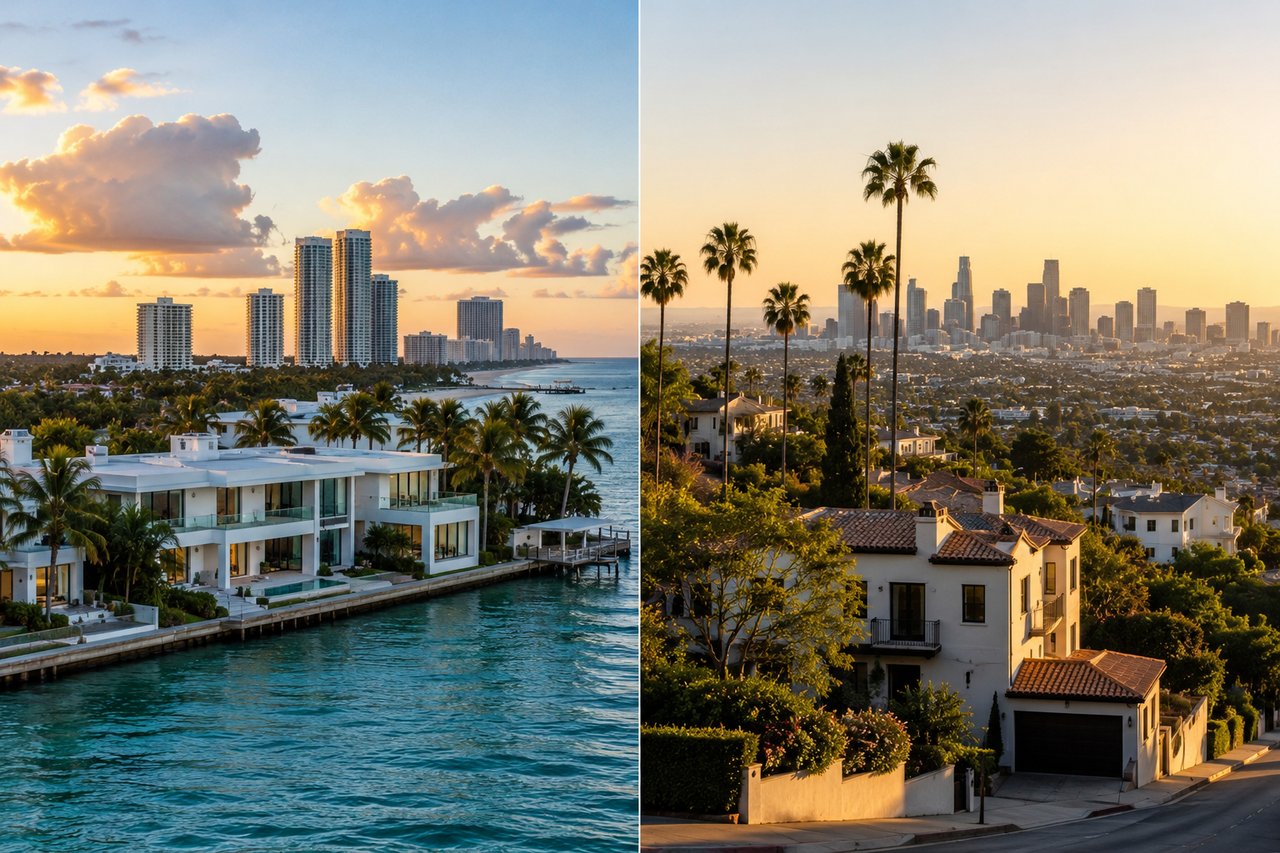
Location made these differences even clearer. Places with high land costs like Miami and Manhattan saw attached luxury homes sometimes outperform single-family ones, thanks to prime spots and fancy features that rich buyers wanted. New luxury markets usually saw stronger single-family sales, where buyers could get more space and privacy.
The Two Luxury Markets Emerging in 2026
"At the lower end of the luxury market spectrum, home buyers are a little more sensitive to their overall net worth and the stock market." — Mark Zandi, Chief Economist at Moody's Analytics, leading economic forecaster
The luxury real estate market of 2026 shows a clear split that challenges the old idea of a single "luxury market." Two separate segments now exist. Each follows its own rules and has unique financial drivers. This split goes beyond just price differences. It reflects how buyers think, what they can afford, and their long-term goals.
Segment 1: Ultra-high-net-worth buyers
Ultra-high-net-worth (UHNW) buyers with at least $30 million in liquid assets show remarkable strength in luxury real estate. These buyers stayed active throughout 2025 by buying second and third homes. Their activity helped shield the ultra-luxury market from economic pressures. Luxury sales grew twice as fast as the traditional market, with many properties selling for more than $10 million.
These buyers stand out in how they buy property. UHNW individuals see real estate as more than just a home it's a strategic asset that helps preserve wealth. About 68% of these buyers either kept or grew their real estate holdings in 2025. They treat property as a "life-blood strategy, not just a lifestyle purchase". This investment mindset explains why 96% of luxury property specialists reported steady or rising all-cash deals.
UHNW buyers don't face the same limits as other buyers. One expert pointed out that "Interest rates don't really drive the decision". These buyers often skip traditional loans and opt for all-cash purchases or special wealth-management plans. They focus more on lifestyle and good deals than on economic indicators that might worry others.
Family planning plays a big role in UHNW real estate choices. Philip White, president and CEO of Sotheby's International Realty, notes that "Mature buyers are increasingly prioritizing homes that can evolve with them over time, supporting independence while also accommodating adult children, grandchildren, or extended family". This shows up in flexible layouts, private guest suites, and family spaces.
The Great Wealth Transfer shapes how UHNW buyers act. A projected $38.30 trillion will move between generations. The United States accounts for $17.30 trillion, while global transfers make up the remaining $21.00 trillion. This creates a new wave of younger luxury buyers with deep pockets and long-term plans.
Brokers who work with ultra-luxury clients must know about wealth creation patterns as much as property details. One broker explains, "When you're dealing with generational wealth, real estate becomes a life-blood strategy, not just a lifestyle purchase". This helps explain why $10 million-plus sales stay strong despite market changes.
Segment 2: Aspirational and equity-rich buyers
The second segment includes two related groups: aspirational luxury buyers (worth $1-5 million) and equity-rich buyers who've built up property value recently. These buyers react differently to market conditions and care more about financing options than UHNW buyers do.
Reports show aspirational buyers grew more careful in 2025. They watched economic signs closely before buying luxury properties. One market analyst stated clearly: "The aspirational luxury buyer has virtually disappeared". This shows the growing gap between market segments. Still, these buyers haven't given up they've just become more selective.
Equity-rich buyers have emerged as key players in luxury real estate. These people often bought homes years ago at lower prices and saw their value grow substantially. They use this equity to step into luxury markets for the first time. Their buying power comes from built-up real estate wealth rather than cash, making them confident but careful shoppers.
This segment focuses on better lifestyles more than just investment returns. Industry analysis shows "They're not just looking for a bigger house they're looking for a clear and tangible upgrade in quality, location, and the lifestyle that comes with it". These buyers love properties with wellness features, which can cost 10-25% more than regular luxury homes.
Real estate professionals must understand what modern buyers want. Today's luxury purchase "is less about owning the biggest house on the block and more about securing a home that delivers a specific, highly personal experience". The right home makes all the difference for those who love to entertain. If you're planning to buy soon or starting your search, I'd love to help you find spaces designed for elevated living and effortless hosting. Christina Pope  310-404-9931
  [email protected]
Key Takeaways
The luxury real estate market has fundamentally split into two distinct segments in 2026, each operating by different rules and requiring specialized strategies to navigate successfully.
• Off-market deals dominate ultra-luxury transactions - Private sales now represent the majority of $10+ million properties, creating a parallel market invisible to public data and traditional analysis.
• Two luxury segments have emerged with opposing behaviors - Ultra-high-net-worth buyers ($30M+ assets) remain immune to interest rates, while aspirational buyers have become highly selective and market-sensitive.
• Wellness features command 10-25% premiums - Properties with purified air systems, recovery spaces, and health-enhancing amenities now outperform traditional luxury status symbols in buyer demand.
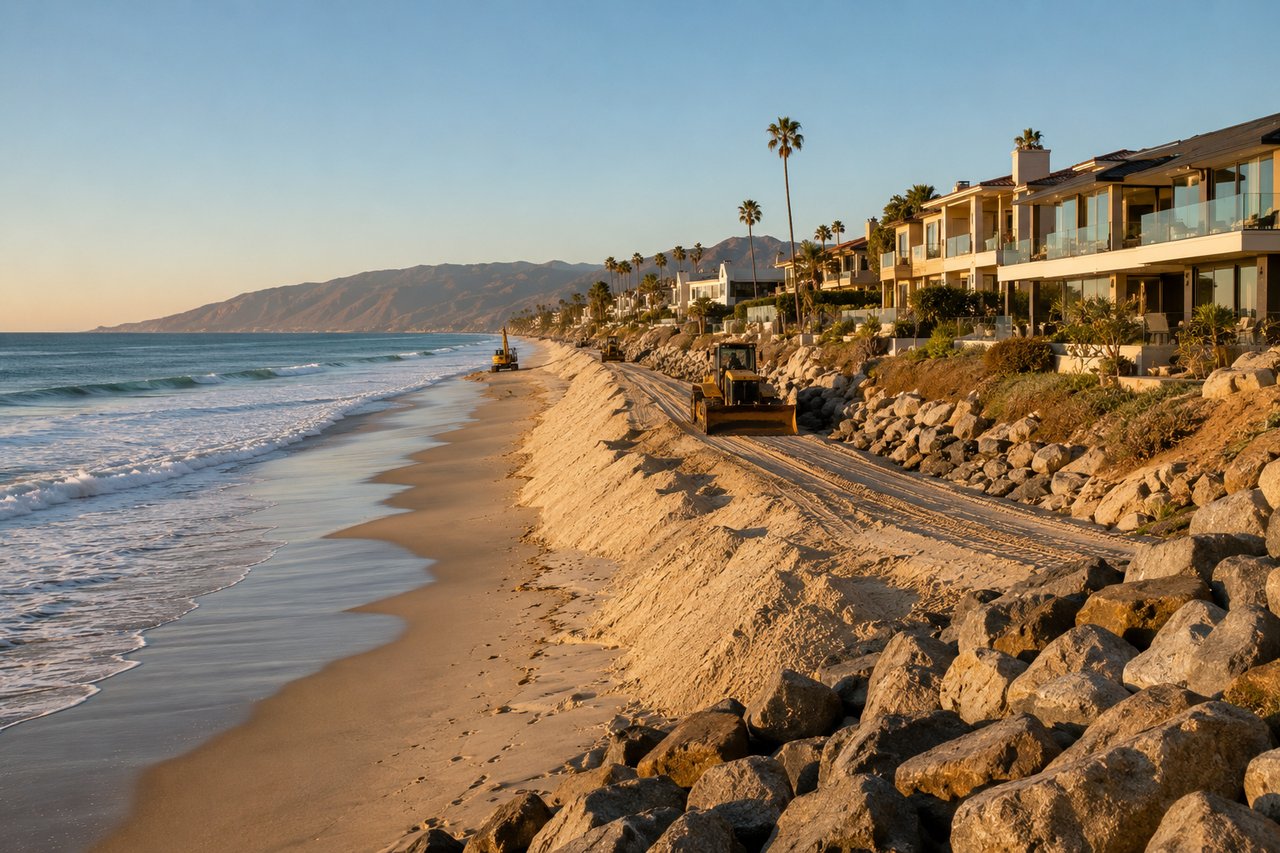
• Climate resilience drives long-term value - Buyers increasingly evaluate properties for slope stability, fire exposure, and environmental risks, making climate adaptation the fastest-growing luxury feature category.
• Discretion has become a market currency - Properties with proven privacy records command premium prices, while the most valuable transactions occur through relationship networks rather than digital platforms.
The luxury market's evolution reflects broader wealth concentration trends, with the ongoing $38.30 trillion Great Wealth Transfer creating new buyer dynamics that prioritize strategic asset positioning over traditional homeownership motivations.
FAQs
Q1. What are the projections for the luxury real estate market in 2026? Luxury real estate is expected to see stable or growing revenues, with a focus on value over volume. About 67% of luxury executives anticipate maintaining or improving profit margins in 2026.
Q2. How is the ultra-high-net-worth segment influencing the luxury real estate market? Ultra-high-net-worth buyers, typically with at least $30 million in liquid assets, are driving resilience in the ultra-luxury market. They view real estate as a strategic asset class and wealth preservation tool, often making all-cash purchases and focusing on multigenerational planning.
Q3. What features are becoming increasingly important in luxury homes? Wellness features like purified air systems, mineralized water filtration, and recovery spaces are now standard in high-end home design. Climate resilience is also a major consideration, with buyers evaluating properties for long-term environmental risks.
Q4. How has the definition of "luxury" in real estate changed? The entry point for luxury property has significantly increased, now starting around $1.30 million nationally. High-end luxury begins at $2 million, while ultra-luxury starts at $5.40 million. This represents a substantial increase from previous years.
Q5. What role does discretion play in luxury real estate transactions? Discretion is crucial in luxury real estate, often influencing property values and transaction processes. Many high-end deals occur off-market, with elaborate privacy measures in place to protect the identities and interests of elite buyers and sellers.