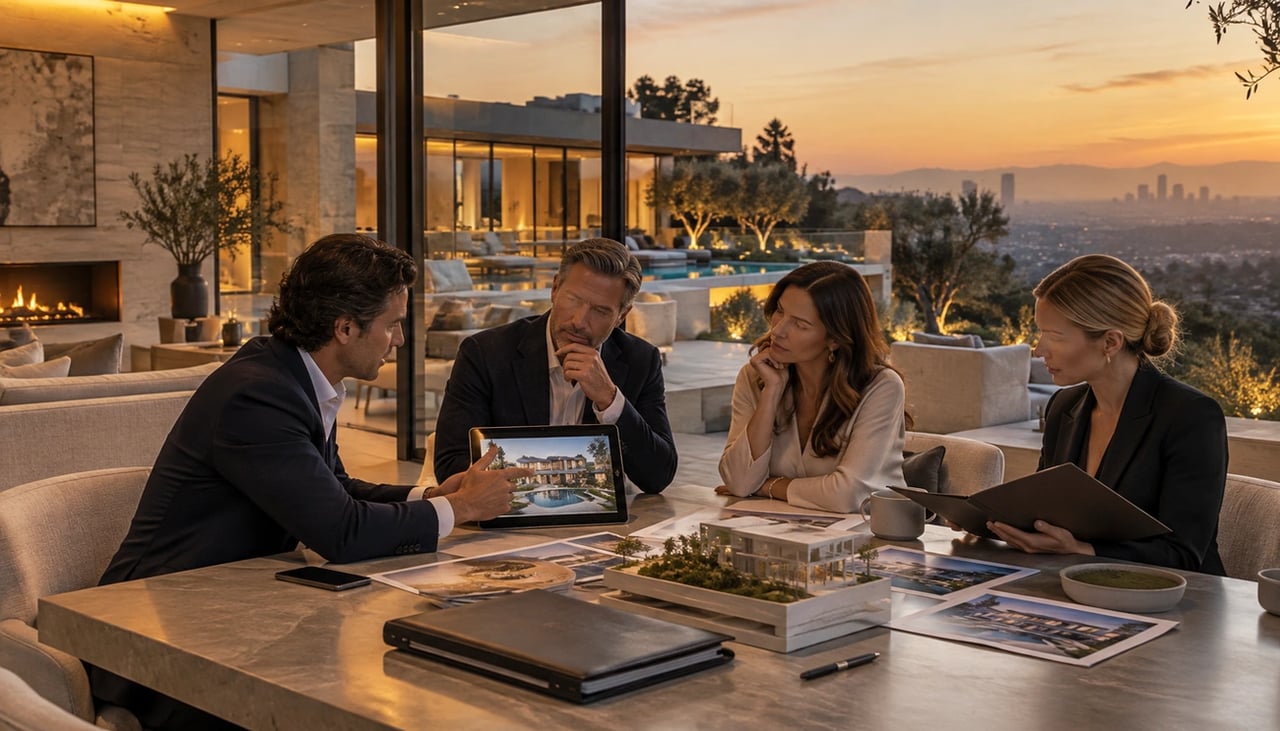
Home theaters have captured the attention of property owners across America, with over 40% of US households now featuring some form of theater setup. The pandemic reshaped entertainment preferences dramatically—movie ticket sales dropped from 1.23 billion in 2019 to just 220 million in 2020, while 70% of Americans made shows and movies their primary pastime during lockdowns.
Property owners want to know: does a dedicated entertainment space actually increase their home's worth? Real estate professionals report that well-designed home theaters typically return about 65% of the initial investment. The value varies considerably based on location and buyer expectations. Luxury markets like Los Angeles showcase this range clearly, where home theaters span from basic $2,000 setups to custom installations reaching $33,000. Certain buyers view these entertainment spaces not as luxury additions but as essential features of their ideal home.
This analysis examines how much value a home theater contributes to your property, which features buyers actually prioritize, and specific considerations for luxury properties in Los Angeles and Beverly Hills in 2025.
Why Buyers Love Home Theaters
"In the higher-end luxury neighborhoods we serve, the lack of a home theater can certainly detract from the buyer's perception of a home's value if many other comparable homes they're seeing DO include a home theater." — Alex Bracke, Real estate professional at Valor Group of Pearson Smith Realty
Home theaters in Los Angeles luxury real estate represent more than entertainment they offer private experiences that rival public venues. Discretion matters in this market, and personal entertainment spaces have become essential features rather than optional amenities.
Entertainment rooms that are important for luxury homes in Los Angeles
High-end Los Angeles properties see unprecedented demand for entertainment-ready features. Homebuyers want residences that function as social hubs. Forbes notes that wealthy buyers now expect their properties to double as venues for gatherings, events, and retreats. This shift represents a fundamental evolution in how luxury homes are valued and marketed.
9330 Flicker Way, currently listed by Christie’s, exemplifies this evolution with its home theater complemented by a bar and hookah lounge, creating the perfect hosting venue. These features reflect years of digital-first interactions, pushing buyers toward spaces designed for entertaining.
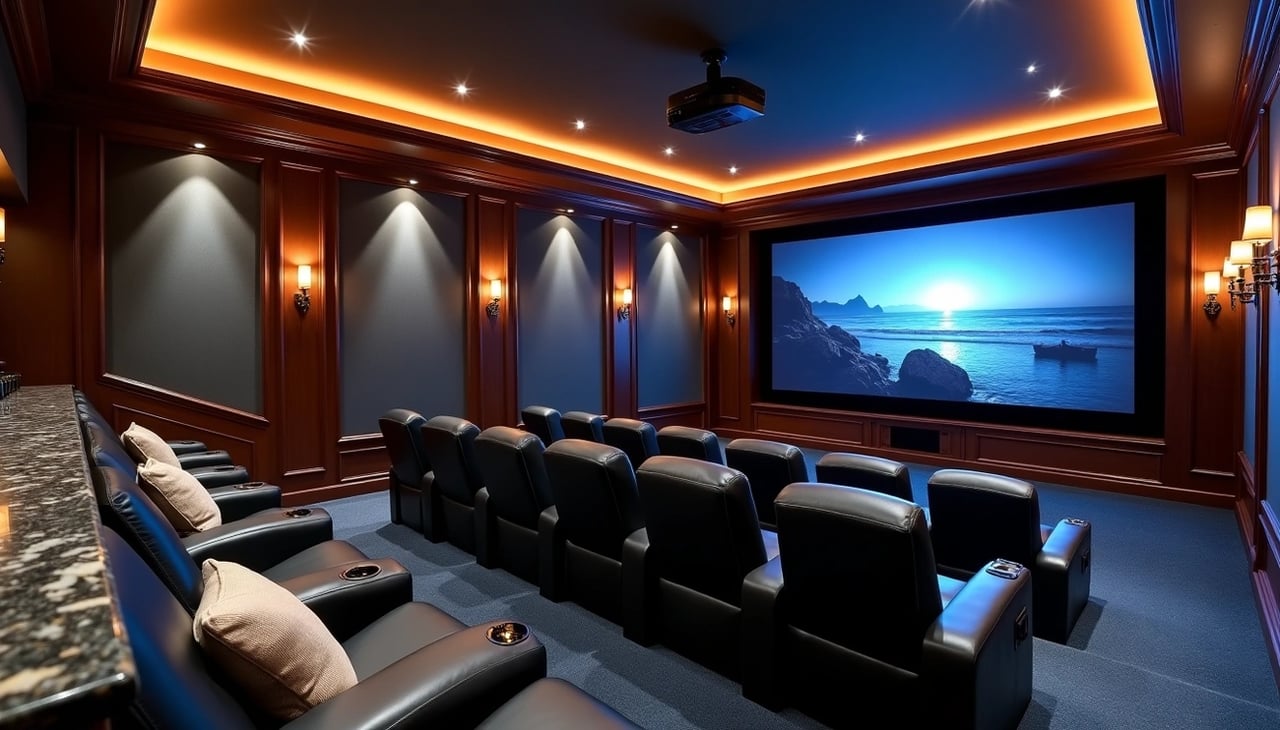
Beverly Hills immersive home theaters have become priority features that cater to growing demand for high-end, at-home experiences. These spaces impress with state-of-the-art sound systems, plush seating, and architectural elements that enhance acoustics and visual appeal. Modern screening rooms serve as showpieces featuring acoustically engineered environments, 4K projectors, and Dolby Atmos sound systems.
Generational appeal: families, retirees, and tech lovers
Home theaters appeal across generational lines. Younger generations face financial constraints, with Gen Z earners having approximately USD 30,000 in discretionary income compared to USD 55,100 for forty-somethings. Yet the desire for quality home entertainment remains consistent across age groups.
Sixty-three percent of Americans watch movies at home daily or several times per week—a figure that holds across all generations. Seventy percent of Americans prefer watching movies with family, friends, or significant others rather than alone, proving that at-home viewing stays predominantly social.
Families find home theaters create valuable connection opportunities. Younger generations spend eight to over ten hours daily online, but a well-designed home theater helps build family movie night traditions creating uninterrupted time together despite constant distractions. The space becomes the favorite room where family bonds strengthen.
The emotional value of in-home entertainment
Home theaters deliver emotional benefits that numbers alone cannot capture. Recent research reveals that 67% of Australians turn to entertainment to reset or recharge emotionally. This emotional motivation falls into three categories: Anchor (safety and familiarity), Escape (indulgence and play), and Unleash (intense emotional experiences).
The global home theater market has grown to USD 3.23 billion between 2021-2025, reflecting consumers' increasing investment in creating cinematic experiences within their homes. Modern buyers pursue guaranteed emotional returns on their investments.
Comfort and cost drive 78% of Americans to prefer watching movies at home. Picture quality and social experience remain important considerations, with 97% of viewers citing picture and audio quality as crucial factors in deciding where to watch films.
Los Angeles luxury properties feature unique additions like hidden speakeasies, wine-tasting rooms adjacent to theaters, or dual-use setups that function as game-day lounges. Technology plays a central role, with voice-activated mood lighting, AI-driven climate control, and high-tech kitchens creating effortless hosting experiences.
Home theaters have become essential components of luxury living. The ability to create memorable, shared experiences at home ranks among the most valued amenities a property can offer.
What Makes a Home Theater Valuable

Image Source: Decorilla
Los Angeles luxury real estate operates on unspoken expectations. Home theaters have moved beyond amenities to become essential features that buyers simply assume will be present. The difference between an impressive room and a genuine value addition often comes down to understanding what discerning buyers truly seek.
Key features buyers look for
Well-designed entertainment spaces typically return about 65% of their initial investment. A $10,000 theater setup could add approximately $6,500 to your home's value. Certain features consistently capture buyer attention:
-
Quality sound systems with proper acoustics create immersive experiences through technologies like Dolby Atmos and DTS:X
-
Premium seating featuring recliners with built-in massagers, heating elements, and ergonomic support
-
Sophisticated lighting with dimmable controls, fiber optic ceilings, and LED accent strips
-
High-end displays such as 4K/8K projectors with HDR support or large-format OLED screens
-
Smart integration allowing seamless control of equipment, lighting, and climate
Location within your home significantly impacts value contribution. Basements generally yield lower valuations as "below-grade" rooms, while theaters situated in above-grade spaces command higher value per square foot.
The difference between a cool room and a value booster
Buyers view home theaters in absolute terms either essential or unnecessary . This creates unique market dynamics, particularly in Beverly Hills, where specific features can transform ordinary spaces into genuine value multipliers.
Versatility becomes crucial for broad appeal. Tech enthusiasts might appreciate custom seating and elaborate theming, but mainstream buyers often see excessive personalization as requiring costly conversion . Spaces that function beyond entertainment—as offices, playrooms, or spare bedrooms appeal to wider audiences .
Three factors separate impressive rooms from genuine value boosters: technical excellence, aesthetic restraint, and functional flexibility. Outdated technologies diminish both viewing experience and financial value. Buyers recognize dated systems that demand immediate upgrading.
How to make your theater stand out in listings
Effective marketing demonstrates current capabilities alongside future potential. Real estate experts recommend showcasing theaters in action during showings. Movies playing with optimal lighting help potential buyers envision themselves enjoying the space.
Luxury properties benefit from highlighting technological future-proofing. Theaters designed with conduits for additional wiring and equipment upgrade space demonstrate foresight that sophisticated buyers value. Soundproofing represents another selling point—particularly in open-concept homes—preventing audio from disrupting other activities.
Successful theater marketing requires understanding your target demographic. Affluent buyers and entertainment enthusiasts typically place higher value on these spaces. Families with children and older adults who prefer at-home entertainment often see dedicated theaters as compelling features that justify premium pricing.
The most valuable home theaters deliver spectacular experiences today while remaining adaptable to future technologies and buyer preferences.
Designing for Value and Versatility
Los Angeles luxury real estate operates on unspoken rules where every design choice reflects the owner's sophistication. A thoughtfully designed home theater demonstrates foresight—a quality discerning buyers immediately recognize. The most successful entertainment spaces balance current enjoyment with long-term adaptability, enhancing both lifestyle and investment potential.
Smart tech and future-proofing
Future-proof home theaters resist technological obsolescence through careful planning for tech trends and consumer needs. The 2025 market shows a clear shift toward multipurpose media rooms, with installations increasing 60% annually at a median cost of $37,500. This means installing infrastructure that accommodates growth and change.
"Buy once, cry once" remains the guiding principle for smart integration. Quality components prevent the costly cycle of frequent replacements. Modern receivers support 8K video, multiple audio zones, and wireless extensions throughout the home. AI-driven innovations make operation effortless while creating personalized experiences.
Los Angeles properties now require control systems that unify management of audio, video, lighting and climate into a single interface. These systems allow programming of "scenes" or "routines" that transform the environment with a single command. Voice control capability enhances the futuristic appeal many buyers expect.
Soundproofing and lighting control
Soundproofing serves dual purposes: preventing sound from entering or leaving the theater while managing acoustics within the space. Basic soundproofing typically costs between $100-$300 per treatment area, representing one of the most valuable investments for maintaining peace throughout the home.
Effective sound isolation requires a systematic approach:
-
Installing insulation in walls with sound-dampening materials
-
Adding solid-core doors and sealing all gaps
-
Using floating floors where possible
-
Implementing acoustic panels to prevent echo [13]
Lighting transforms the viewing environment from functional to extraordinary. Smart lighting systems automatically dim when a movie starts and gradually brighten when paused [12]. LED strip lights with RGB color-changing options, fiber optic ceiling installations resembling star fields, and in-floor lighting designs create theater-like ambiance without compromising screen visibility [6].
Creating a space that can be repurposed
Multipurpose media rooms reflect changing buyer preferences. These versatile spaces have replaced traditional basement theaters as prime entertainment destinations. Layout planning with growth in mind allows spaces to evolve without complete redesign.
Gaming has emerged as a major driver of this trend, with next-gen consoles and high-end PCs transforming theaters into multi-purpose entertainment hubs. Designing with gaming considerations from the outset increases appeal across demographics.
Space constraints offer creative solutions. Spare bedrooms, walk-in closets, unused garages, or even garden sheds can be transformed into effective theaters. The enclosed nature of these spaces helps minimize natural light a bonus for projection systems.
Built-in seating creates a "bite-sized" theater experience within a larger multipurpose room . This approach allows the space to serve multiple functions while still delivering immersive entertainment when desired.
The most valuable home theaters today serve multiple purposes without compromising on quality. Smart technology, effective soundproofing, and flexible design elements maximize both current enjoyment and future resale potential.
Cost vs. Value: What You Need to Know
"Home theaters are generally thought to return you around 65% of their original cost." — Homes and Gardens, Home and lifestyle publication with real estate expertise
"Home theaters are generally thought to return you around 65% of their original cost." — Homes and Gardens, Home and lifestyle publication with real estate expertise
Understanding the financial side of home theaters helps property owners make smart decisions. The balance between upfront costs and future returns requires careful evaluation of both immediate expenses and long-term value.
Budgeting for different levels of setup
Home theater investments typically fall into three categories, each delivering different experiences and potential returns:
Entry-Level Systems ($2,000-$3,000): Basic surround sound setups work well in smaller spaces. These systems include an entry-level 5.1-channel configuration with an AV receiver, five speakers, and a subwoofer. They improve upon standard TV audio but offer limited immersion compared to higher-end options.
Mid-Level Systems ($3,000-$10,000): These setups often feature Dolby Atmos capabilities in 5.1.2 or 7.1.2 configurations, delivering excellent sound quality with powerful subwoofers. They work best in spaces between 215-430 square feet. Audio professionals recommend spending no more than 30% of budgets under $10,000 on the display.
High-End Systems ($10,000-$100,000+): Premium installations starting at $10,000 can reach hundreds of thousands of dollars, featuring Dolby Atmos 7.2.4 or 9.4.6 configurations with flagship speakers and amplifiers [15]. Complete immersive theaters typically cost $10,000 to $30,000, while luxury installations with premium finishes may reach $50,000-$60,000.
Audio specialists recommend dedicating 40-50% of budgets under $10,000 to speakers. Setting aside 5-10% for acoustic panels significantly improves the experience. These allocations ensure balanced performance across all components.
How much value does a home theater add to a house?
The return on investment for home theaters typically reaches around 65%. A $20,000 theater might add approximately $13,000 to your home's value. Well-designed theaters can increase property value by 5-10% in certain cases.
Appraisal methods vary significantly across the industry. Baltimore-based real estate agent Laura Snyder notes that some appraisers value only the finished space without considering equipment, while others adjust specifically for theaters with raised seating. This variation makes precise valuation challenging.
Market segment plays a crucial role in returns. Lower-priced and mid-range markets often view home theaters as luxury upgrades with limited appeal. High-end properties benefit more significantly, as these features can enhance marketability substantially.
For those who love to entertain, the right home makes all the difference. If you're considering a purchase in the near future or beginning your search, I'd be delighted to help you discover spaces designed for elevated living and effortless hosting. Christina Pope 📞 310-404-9931 ✉️ [email protected]
When is it worth the investment?
The investment value depends on several key considerations:
-
Your Local Market: Properties in areas where home theaters are uncommon may gain competitive advantage, while they might be expected in affluent neighborhoods.
-
Property Price Range: Adding $75,000 worth of theater equipment to a $100,000 home produces poor returns. The theater investment should align with the home's overall value.
-
Usage Timeline: Property owners who will enjoy the theater for many years before selling often find the personal value justifies the investment regardless of future returns.
-
Versatility of Design: Theaters designed for multiple uses (office, playroom) maintain broader appeal and typically deliver better returns.
-
Quality of Components: Higher-quality installations with proper wiring, acoustics, and adaptable equipment preserve their appeal longer.
Home theaters often improve saleability even when financial returns aren't complete—particularly for luxury properties where many buyers consider them essential features. These installations can provide properties with a competitive edge in higher price brackets, potentially securing offers that might otherwise go to competing listings.
Local Market Insights: Los Angeles and Beyond
Luxury real estate in Los Angeles operates on relationships, discretion, and understanding what truly matters to discerning clients. The most valuable properties often sell before public listings, with amenities that speak to a home's caliber and the lifestyle it offers.
Los Angeles home theater trends in 2025
Los Angeles luxury properties reflect the evolving expectations of sophisticated buyers. High-net-worth clients seek gated access, private security, and smart home technology. Gen-X buyers particularly want "the smartest home they can find" with integrated systems managing lighting, climate, security, and entertainment [19].
Today's entertainment spaces feature AI-driven smart theaters that automatically adjust lighting, sound levels, and seating positions based on content [20]. Micro-LED technology has become the preferred choice, with ultra-thin, modular panels creating seamless displays that rival commercial cinema screens [20].
Local demand influences returns
Home theaters have shifted from luxury additions to expected features for affluent buyers [19]. This change stems from years of preferring private entertainment and hosting spaces over public venues [19].
Beverly Hills home theater expectations
Home theaters rank among the most sought-after amenities in Beverly Hills, offering exclusive entertainment experiences [21]. These spaces typically include:
-
State-of-the-art sound systems
-
High-quality projectors
-
Large screens and comfortable seating
-
Custom lighting and acoustics [21]
Beverly Hills theaters represent sound investments beyond personal enjoyment. Properties with theaters command higher prices in a market where luxury and exclusivity define value [21]. Even converted spare rooms can add significant appeal when designed thoughtfully [22].
Tips to Maximize Appeal When Selling
Selling a property with a home theater in the exclusive Los Angeles market requires strategic presentation. The difference between merely listing and truly showcasing a premium feature often determines success.
Staging your home theater for showings
First impressions determine buyer perception. During showings, have a movie playing with low volume to provide a sample of the experience. Optimal lighting creates an immersive atmosphere that helps potential buyers envision themselves enjoying the space. Clean and organize the theater meticulously, as a spotless environment signals proper maintenance of technical components.
Marketing strategies for high-end buyers
Luxury properties demand professional photography highlighting the theater from multiple angles. Consider creating cinematic-style videos showcasing not just the theater's features but the lifestyle it represents. Position the space as a centerpiece for entertaining guests rather than just a room for watching movies.
Should you include the equipment in the sale?
This remains a gray area requiring careful consideration. Some agents recommend noting "home theater electronics and screen stay with a full price offer" . Others suggest listing equipment as "negotiable". Remember that if you're not including all components, your agent should never market the space as a complete home theater.
For those who love to entertain, the right home makes all the difference. If you're considering a purchase in the near future or beginning your search, I'd be delighted to help you discover spaces designed for elevated living and effortless hosting. Christina Pope 📞 310-404-9931 ✉️ [email protected]
Conclusion
Home theaters add measurable value to luxury properties, especially in markets like Beverly Hills and Los Angeles. The standard return on investment hovers around 65%, yet their true worth extends beyond financial calculations. These spaces create emotional benefits through shared experiences and memorable moments that resist quantification.
Property owners seeking to maximize their theater's value should focus on three essential elements. Versatility ensures the space appeals to diverse buyers rather than limiting the market. Quality components resist obsolescence and technological changes. Proper acoustic design and isolation create experiences that separate luxury properties from expensive ones.
The numbers support this approach – 70% of Americans prefer watching movies with others rather than alone, making home theaters natural gathering spaces for families and friends. This social element explains why properties with well-designed entertainment areas often sell faster, even when direct financial returns appear modest. Luxury buyers view these spaces as essential lifestyle features rather than extravagant additions.
Future-proofing maintains value over time. Theaters designed with expandability – smart integration, adaptable layouts, and infrastructure that supports technological advancement – preserve their appeal through market cycles and changing trends. Buyers appreciate spaces that won't require immediate upgrades.
Home theaters represent more than entertainment spaces – they reflect the changing definition of luxury living where experiences matter more than possessions. Market conditions and buyer preferences will continue evolving, yet well-designed home theaters remain valuable assets for discerning homeowners who understand that life's most precious commodity isn't measured in square footage but in quality time spent with those who matter most.
Christina Pope 📞 310-404-9931 ✉️ [email protected]
Key Takeaways
Home theaters can significantly impact property value, but success depends on strategic design, market positioning, and understanding buyer expectations in luxury markets like Los Angeles.
• Home theaters typically return 65% of investment, adding $6,500 in value for every $10,000 spent, with higher returns in luxury markets where they're expected amenities.
• Design for versatility and future-proofing by creating multipurpose spaces with smart technology, quality soundproofing, and infrastructure that accommodates technological upgrades.
• Location within the home matters significantly - above-grade theaters command higher valuations than basement installations, while proper acoustics prevent sound disruption throughout the property.
• In Beverly Hills and luxury LA markets, home theaters are essential features rather than optional upgrades, with buyers expecting state-of-the-art systems and professional-grade installations.
• Focus on broad market appeal over personal preferences by avoiding excessive customization and ensuring the space can function as an office, playroom, or spare bedroom if needed.
The most valuable home theaters balance current enjoyment with long-term adaptability, delivering spectacular experiences today while remaining attractive to future buyers across different demographics and technological advances.
FAQs
Q1. Does a home theater truly increase a property's value? A well-designed home theater can enhance a property's perceived value, particularly in luxury markets. However, the actual return on investment typically averages around 65% of the initial cost, depending on factors like location and buyer expectations.
Q2. How much value can a home theater add to a house? On average, a home theater adds about 65% of its installation cost to a property's value. For instance, a $10,000 theater setup could potentially increase a home's value by approximately $6,500.
Q3. What features make a home theater most valuable to potential buyers? Key features that attract buyers include quality sound systems with proper acoustics, premium seating, sophisticated lighting controls, high-end displays (4K/8K projectors or large OLED screens), and smart integration for seamless control of equipment and environment.
Q4. Are home theaters considered essential in luxury markets like Beverly Hills? In high-end markets such as Beverly Hills, home theaters have become expected amenities rather than optional upgrades. Luxury buyers often view these spaces as essential components of their dream homes, expecting state-of-the-art systems and professional-grade installations.
Q5. How can homeowners maximize the appeal of their home theater when selling? To maximize appeal, stage the theater during showings with a movie playing at low volume to demonstrate the experience. Ensure the space is impeccably clean and organized. Consider professional photography and video tours to showcase the theater's features. Market the space as a versatile entertainment hub rather than just a movie room to broaden its appeal.