The wellness real estate market will reach over $580 billion by 2025, and Zillow's 2026 Home Trend report shows a 33% increase in listings featuring wellness amenities. Homeowners now dedicate entire rooms to meditation, yoga, tranquil gardens, and saunas—spaces that serve as much more than beautiful additions to luxury properties.
These wellness sanctuaries have grown far beyond simple meditation corners. Today's designs blend advanced technology with carefully planned layouts, creating environments that support both physical fitness and mental clarity. The most successful wellness rooms transform underutilized areas into personal retreats that homeowners actually use daily.
Whether working with compact spaces or expansive basements, the key lies in understanding how design
Wellness rooms now respond to how you feel before you even realize it. Submersive—an innovative bathhouse launching in 2026 combines classical spa treatments with art, AI technology, and multimedia effects. These spaces create specific environments designed to shift mental states through coordinated sensory experiences.
The technology reads your body's signals automatically. Systems map heart rate variability, sleep cycles, and cognitive load, then adjust lighting, sound, and temperature based on what your nervous system actually needs. This eliminates guesswork about optimal conditions for relaxation or recovery.
Sound design has become equally sophisticated. Acoustic zoning, natural soundscaping, and low-interference construction create quiet environments that support deep relaxation. These design principles work alongside plants and natural materials to establish immediate calm.
Temperature therapy drives many modern wellness room designs. Cold plunge tubs now complement traditional saunas, with ice baths reaching 39°F while featuring UV sanitization and precise timers. The contrast between hot and cold treatments offers significant recovery benefits for both athletes and daily stress management.
Social wellness experiences are emerging too. "Sauna raves" and "Melt Sessions" combine heat therapy with carefully selected music for group relaxation. These shared experiences expand the traditional solo wellness routine into something that connects people while maintaining the therapeutic benefits.
Wellness Room Ideas for Physical Health
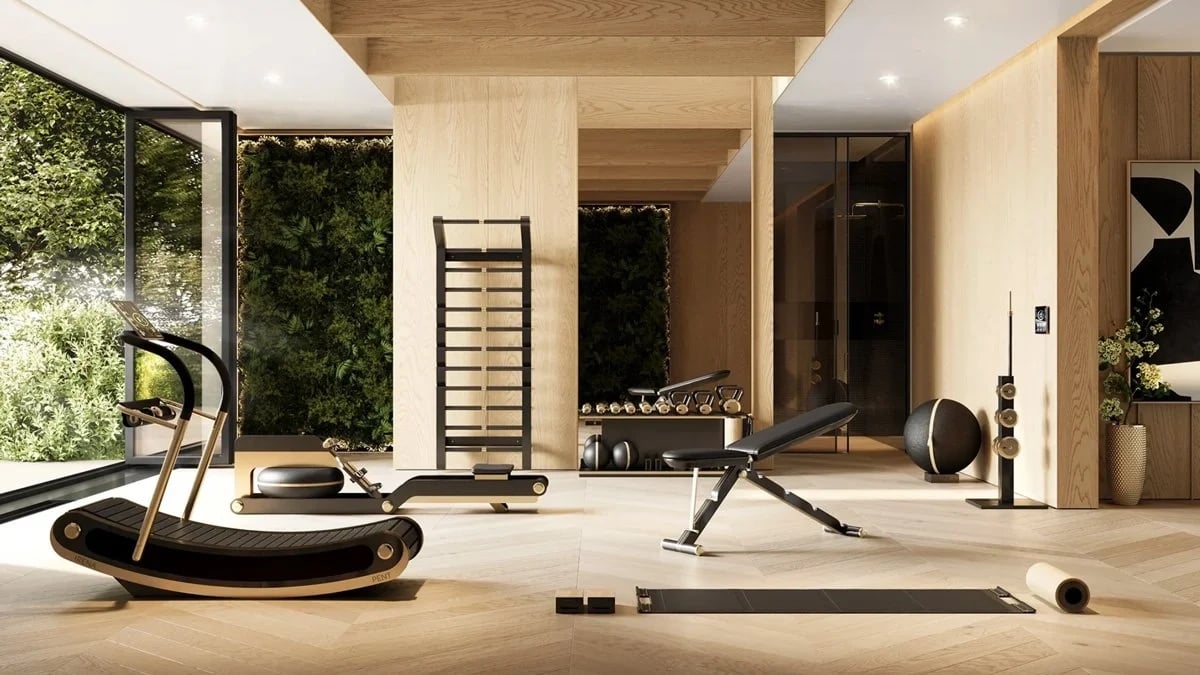
Physical wellness spaces have grown beyond basic home gyms into complete health sanctuaries that address every aspect of bodily care. These rooms balance high-intensity training areas with dedicated recovery zones, creating environments where clients can pursue both vigorous exercise and restorative treatments.
Equipment selection reflects this sophisticated approach. The Tonal 2 uses digital resistance instead of physical weights, providing guided workouts with real-time form feedback through built-in cameras. Traditional strength training finds its place through systems like the REP PR-1100 Home Gym Power Rack, particularly valuable for properties with spatial limitations.
Recovery areas have earned equal importance alongside exercise equipment. Yoga mats, foam rollers, and massage guns create dedicated zones for post-workout care. Premium saunas now pair with sophisticated cold plunge tubs that reach temperatures as low as 39°F, offering the complete contrast therapy experience that discerning clients expect.
Hydrotherapy features add another dimension to these wellness sanctuaries:
- Indoor pools designed for therapeutic muscle relaxation
- Hot tubs with adjustable jets that target specific muscle groups
- Whirlpools engineered for pain relief and circulation improvement
These comprehensive physical wellness rooms represent more than luxury amenities. They create environments where consistent self-care becomes part of daily life, designed with the understanding that true wellness requires both challenge and recovery, intensity and restoration.
Wellness Room Ideas for Mental Clarity
Mental clarity spaces work because they create physical boundaries for mental practices. Even a thoughtfully arranged corner can anchor daily meditation routines. These designated meditation areas serve as visual cues that prompt the brain to shift into a calmer state.
The mind responds to environmental changes much like switching between work and relaxation modes—entering a dedicated space signals the transition naturally. Location matters less than intention: bedroom corners, spare rooms, garden nooks, or quiet bathrooms all work effectively. Success depends on consistent elements like soft lighting, comfortable seating, and freedom from digital distractions.
Mental wellness rooms rely on three core design principles: light, shape, and color. Curved lines trigger the brain's reward system more effectively than sharp angles, promoting feelings of safety. Earth tones—moss greens, sky blues, warm ochres—create instant visual harmony without overwhelming the senses.
Natural elements provide measurable benefits for mental wellness spaces. Indoor plants and flowers improve stress recovery and cardiovascular function. Wood finishes activate the parasympathetic nervous system, which lowers heart rate and reduces anxiety. Water features or recorded nature sounds complete the sensory experience, offering auditory relief from daily stress.
This focused approach marks a significant change in home wellness design—spaces that restore mental energy become as important as those that maintain physical health. The most effective mental clarity rooms prioritize simplicity, quiet, and breathing space above elaborate features.
Smart and Integrated Wellness Spaces
Technology now serves as the backbone of luxury wellness rooms, with automation systems creating homes that respond to both physical and mental health needs. Smart lighting systems adjust automatically throughout each day, using warm evening tones to support better sleep and brighter illumination during daytime hours for enhanced mood and productivity.
Advanced thermostats with sensor technology monitor indoor and outdoor temperatures continuously, making real-time adjustments to maintain optimal comfort. Environmental sensors detect allergens, dust, and pollutants, activating purification systems when needed.
Sound systems create personalized audio experiences with calming music or nature sounds that support yoga and meditation sessions. Automated window treatments work alongside these features, managing sunlight exposure to maximize natural light benefits for mood regulation and wellness.
Therapod AI the world's first AI-powered wellness pod—offers immersive spaces for instant emotional support. These elegantly designed pods feature customizable AI modules that address anxiety relief, confidence building, and academic coaching.
Biometric optimization represents the latest advancement, with sensors that monitor stress levels through heart rate patterns, automatically triggering environmental adjustments like dimmed lighting or calming soundscapes. The modern wellness sanctuary now responds directly to the body's physiological signals rather than relying solely on manual settings.
These intelligent systems create environments that adapt to individual needs without requiring constant adjustment, making wellness practices more accessible and effective for busy homeowners.
Conclusion
Wellness spaces have moved from luxury amenities to essential features in today's high-end properties. These rooms successfully combine fitness areas, meditation zones, and smart technology into environments that respond to both physical and emotional needs. Discerning homeowners understand these spaces represent investments in quality of life rather than simple design choices.
The wellness real estate market's growth to $580 billion reflects genuine buyer demand. Properties now include biophilic elements, contrast therapy setups, and responsive technology as expected features. The modern wellness room functions as a complete ecosystem where each component serves multiple health purposes.
Technology integration allows these spaces to adapt automatically through biometric monitoring and AI systems. Environmental controls adjust lighting, sound, temperature, and air quality based on occupant needs throughout the day. This automation makes consistent wellness practices convenient within the home setting.
Luxury buyers continue prioritizing properties with dedicated wellness areas, recognizing their value extends well beyond square footage. The right property creates spaces that support both daily routines and long-term health goals. Christina Pope specializes in identifying homes with exceptional wellness features and would be pleased to help you find a property designed for elevated living—reach her at 310-404-9931 or [email protected].
Wellness rooms represent a permanent shift in residential design. Homes now actively participate in maintaining health and supporting wellbeing rather than simply providing shelter. These carefully planned spaces make restorative practices accessible every day, turning wellness from an occasional indulgence into an integrated lifestyle choice.
Key Takeaways
Transform your home into a wellness sanctuary with these cutting-edge design insights that blend luxury, technology, and holistic health approaches for 2026.
• Wellness rooms now use "emotional technology" that monitors heart rate, sleep cycles, and stress levels to automatically adjust lighting, sound, and temperature for optimal wellbeing.
• Physical wellness spaces integrate contrast therapy featuring both high-tech saunas and sophisticated cold plunge tubs reaching 39°F for comprehensive recovery experiences.
• Mental clarity zones require minimal space but maximum intention - even a thoughtfully designed corner with biophilic elements, soft lighting, and natural sounds creates powerful daily calm.
• Smart automation transforms homes into responsive sanctuaries with sensors detecting allergens, biometric stress monitoring, and AI-powered wellness pods providing instant emotional support.
• The wellness real estate market is projected to exceed $580 billion by 2025, with home listings showing 33% more mentions of wellness features as buyers prioritize health-focused living spaces.
These wellness sanctuaries represent a fundamental shift from homes as mere shelter to active participants in maintaining physical health and mental wellbeing, making daily wellness practices effortlessly accessible within luxury living environments.
FAQs
Q1. What are some key features of luxury wellness rooms in 2026? Luxury wellness rooms in 2026 incorporate advanced technology like biometric sensors, smart lighting systems, and AI-powered wellness pods. They often feature contrast therapy with high-tech saunas and cold plunge tubs, as well as dedicated spaces for mental clarity with biophilic elements and natural soundscapes.
Q2. How are wellness rooms integrating technology for better health outcomes? Wellness rooms are using "emotional technology" that monitors physiological states like heart rate and stress levels. This data is used to automatically adjust lighting, temperature, and sound in real-time, creating an environment that responds to the occupant's needs for optimal wellbeing.
Q3. What are some popular physical wellness features in home sanctuaries? Popular physical wellness features include high-performance fitness equipment with digital resistance and form feedback, recovery zones with massage tools, contrast therapy areas with saunas and cold plunges, and hydrotherapy elements like indoor pools and therapeutic hot tubs.
Q4. How can homeowners create a space for mental clarity? Homeowners can create a mental clarity space by designating a quiet corner with comfortable seating, soft lighting, and minimal distractions. Incorporating biophilic elements like plants, wooden textures, and nature-inspired colors can enhance the calming effect. Even small areas can serve as powerful anchors for daily meditation and relaxation.
Q5. What is driving the growth of the wellness real estate market? The wellness real estate market is growing due to increased consumer demand for homes that actively support physical and mental health. Luxury buyers are prioritizing properties with dedicated wellness areas, recognizing their value in enhancing overall quality of life. This shift is reflected in the projected market growth to over $580 billion by 2025 and a 33% increase in wellness feature mentions in home listings.