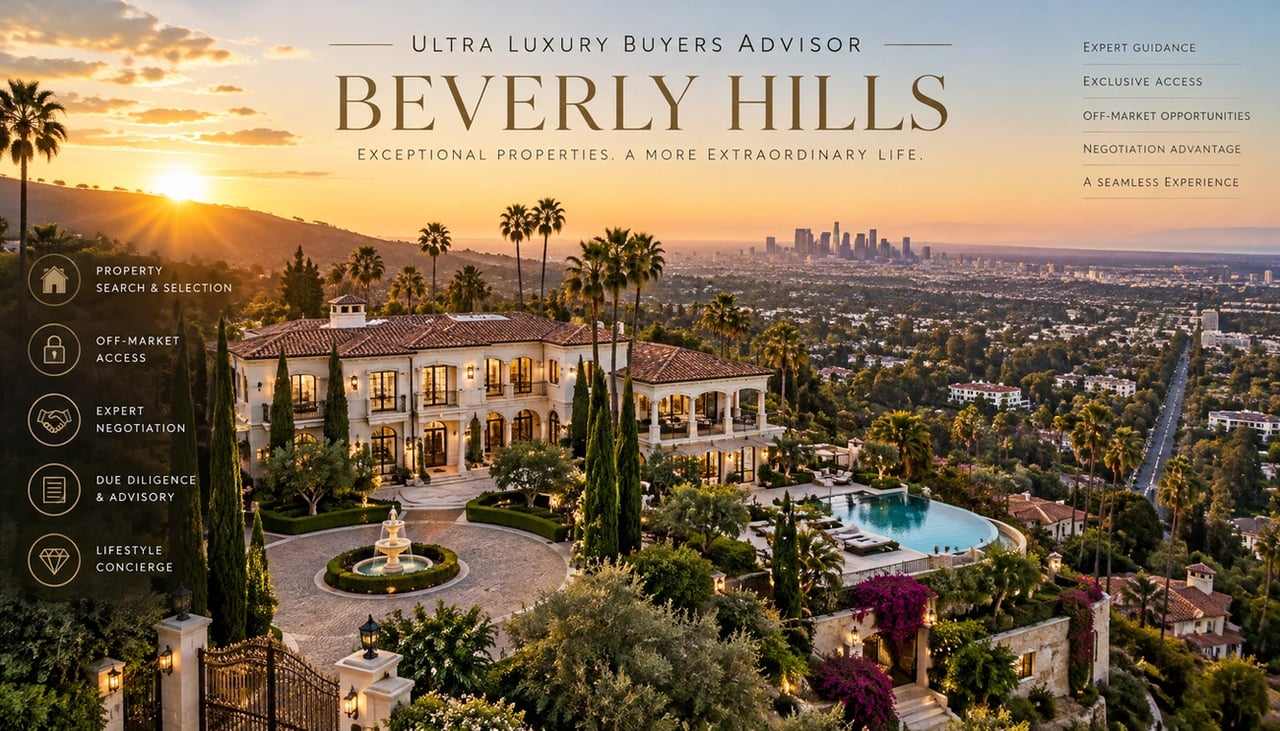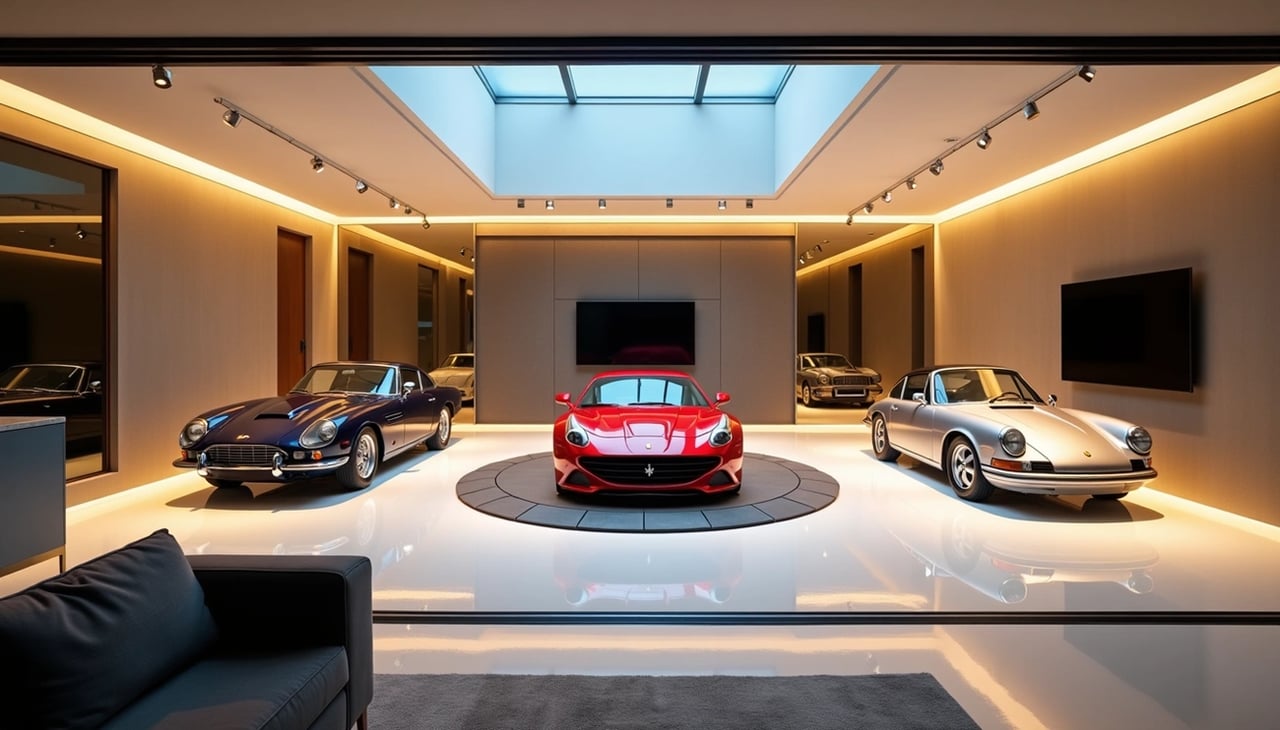
Car mansions have redefined luxury real estate, turning garages from simple storage into sophisticated automotive art galleries. Around 80% of home buyers now view the garage as a critical factor when making purchasing decisions. A Beverly Hills property currently listed at $45 million showcases this trend perfectly—its 3,000 square-foot car gallery includes a full bar, lounge area, and space for ten vehicles. These luxury car garages feature turntables, mirror walls, and quarter-million-dollar fire-rated glass panels that present cars like prized museum pieces[-2]. Mansions with cars now deliver the ultimate car enthusiast's dream house, with cool car garages that function as livable spaces complete with automated climate controls and advanced ventilation systems.
Defining the Car Mansion Phenomenon
From Traditional Garages to Automotive Art Galleries
Garages no longer serve merely functional purposes. Devoted car collectors have elevated these spaces to become the heart of their homes, where architectural vision meets automotive passion. Jonathan Clark, founder of Garage Deluxe, captures this evolution perfectly: "You wouldn't keep a Rothko in the basement under the stairs—you'd hang it in pride of place with good lighting and space around it". His practice treats each vehicle as a masterpiece deserving the same careful presentation as museum-quality art.
"Carchitecture" has emerged as a specialized field within residential design. Kelly Robinson finds that enthusiasts want showrooms, not garages—spaces with polished epoxy floors, floor-to-ceiling windows, and carefully planned sightlines. Cars become the focal point, displayed with the reverence typically reserved for sculpture galleries. Lauren Forbes works with clients who demand the same premium finishes and custom lighting found in their formal living areas.
What Separates a Car Mansion from Regular Luxury Homes
Price creates the first distinction. Car galleries begin from £2m up, and budget rarely constrains serious collectors. These properties require workshops, wash bays, and quarters for maintenance staff. Clark notes that collections of 25 vehicles need dedicated teams to keep each car operational and road-ready.
Boston Reid has observed owners wanting spaces that function as entertainment venues. Today's luxury garages feature lounge areas with full bars, entertainment systems, and comfortable seating. Some include guest accommodations adjacent to the collection, creating destinations rather than storage facilities.
The Market Driving This Luxury Trend
The Formula 1 Miami Grand Prix has sparked demand among racing enthusiasts and luxury car aficionados. Developments like Aston Martin Residences and Bentley Residences offer private garages with car elevators—amenities that have moved from novelty to necessity. Liz Hogan sees developers responding with purpose-built features that cater specifically to collectors.
Ben Moss has closed multiple sales where garage capacity determined the purchase decision. Properties accommodating ten or more vehicles appeal to buyers who prioritize automotive space over traditional luxury amenities. For these clients, the garage's value often exceeds that of pools, wine cellars, or home theaters.
How Car Mansions Showcase Vehicles Like Art
Glass Enclosures and Visual Integration
Glass walls dissolve the traditional boundaries between living spaces and automotive collections, turning vehicles into true centerpieces. Polished concrete floors and minimalist aesthetics frame automobiles like carefully curated museum installations. Climate-controlled display areas preserve optimal conditions while integrated audiovisual systems enhance the entire viewing experience. Etienne Borgos explains that clients often position their cars at penthouse level, celebrating them as pure design objects.
Specialized Lighting Design
Sophisticated lighting systems create the perfect showcase environment. Layered ambient lighting ensures overall visibility while carefully placed accent lights highlight every curve and detail. Color temperature control preserves the accuracy of paint finishes, a critical consideration for serious collectors. Linear LED lights built into floors illuminate driving paths, while subtle lighting reflects beautifully off the architectural lines of each vehicle. These lighting techniques draw from the same principles used in high-end estate home design.
Turntables and Positioning Systems
McKinley's Auto360 Car Turntable offers a sleek, low-profile design that integrates seamlessly into a 3-inch surface mount. The system handles wheelbases up to 13 feet 4 inches and can be installed in under a day without any excavation. These rotating stages reveal every angle of featured vehicles, giving owners the same flexibility art collectors enjoy when repositioning pieces. Many properties also feature car lifts that transport vehicles between basement storage and mezzanine display levels.
Adjacent Lounge and Bar Areas
Smart design ensures entertaining spaces complement rather than compete with the automotive displays. Collector garages incorporate lounge areas that accommodate guests without interfering with vehicle access. Professional-grade bar setups include dedicated glassware staging, strategic ice and water placement, and storage proportioned to match the scale of the collection. One notable property boasts an 8,300-square-foot glass garage complete with lounge areas and multi-level seating designed specifically for collection viewing.
Theater-Style Presentation Elements
Car galleries often feature their own entertainment systems, creating theater-like viewing experiences around the vehicles. Multi-tiered seating arrangements allow guests to appreciate the collection from various elevated vantage points. Some ambitious designs position car galleries adjacent to swimming pools, so owners can admire their prized vehicles during their morning swim.
Storage Solutions for Tools and Maintenance
Behind the glamorous displays, practical considerations remain paramount. Dedicated wash bays and service areas support the maintenance teams essential for substantial collections. Owners with 25 cars require full-time professionals to handle regular maintenance and ensure each vehicle gets driven periodically. These functional spaces stay separate from the display areas while providing everything needed for proper vehicle preservation.
Real-World Car Mansion Designs
Roman James' Beverly Hills Car Gallery Design
Architect Roman James created a $65 million Beverly Hills mansion that exemplifies the car gallery concept with wrap-around projector screen backdrops and turntables. This five-bedroom, ten-bathroom residence stretches across 20,358 square feet and offers buyers the chance to purchase the displayed vehicles—a 2019 Aston Martin Vantage, 2016 Ultraviolet Porsche GT3 RS, 2015 McLaren 650S, and 1988 Ferrari Testarossa. Beyond the automotive focus, the property features a Fendi-designed kitchen, Hermes chandelier, and an elevator lined with crocodile leather.
Aston Martin's Galleries and Lairs Division
Aston Martin established its Automotive Galleries and Lairs division at Pebble Beach, connecting clients directly with the Aston Martin Design Team and acclaimed architects. This service produces bespoke spaces that range from single-car displays to complete luxury retreats centered around automotive collections. Obermoser arch-omo architecture created a subterranean circular design concept that places the Aston Martin Valhalla and DB5 as the focal points. Chief Creative Officer Marek Reichman noted that galleries can reflect the heritage eras of the cars they house.
Underground Car Showcases with Hydraulic Systems
The PhantomPark subterranean parking system effectively doubles vehicle capacity by hiding the lift mechanism and lower car completely underground. Subterio's hydraulic underground elevators provide both scissor-lift and column-supported designs, with available features including air dryers, heating systems, emergency water pumps, and EV chargers.
Properties That Sell with Cars Included
La Fin in Bel-Air carries a $139 million price tag and showcases a rotating garage display that holds six cars plus an auto elevator. The Alexander Estate near Miami presents a glass-encased Ferrari within its home theater and positions a Lamborghini Huracan to appear floating in the pool—all priced under $20 million. For those who love to entertain, the right home makes all the difference. If you're considering a purchase in the near future or beginning your search, I'd be delighted to help you discover spaces designed for elevated living and effortless hosting. Christina Pope 📞 310-404-9931 ✉️ [email protected]
The Investment and Future of Car Mansions
Luxury real estate in Los Angeles operates through private conversations and strategic timing rather than public headlines. The most significant car mansion transactions unfold quietly within trusted circles, where discretion carries as much weight as value.
Typical Costs and Price Ranges
Small car galleries require a minimum investment of £2 million to achieve the quality discerning collectors expect. The market spans an impressive range, with properties available from $3.80 million in Port Colborne up to $139 million for exceptional estates like La Fin in Bel-Air. Luxury branded residences add an expected value of 20 percent to 40 percent over comparable non-branded properties, reflecting the premium buyers place on prestigious automotive associations. Miami's tower residences start around $7.20 million for entry-level units, climbing to approximately $48 million for penthouse offerings.
Where These Properties Are Being Built
Miami and Dubai lead global markets with extensive new development activity. Beverly Hills and Bel-Air remain premier destinations, joined by Naples, Fort Myers, and select New York countryside locations that attract serious collectors [161]. Each market brings distinct advantages for automotive enthusiasts seeking the perfect showcase for their collections.
Technology Integration Trends
Smart home automation systems now seamlessly manage lighting, temperature, security, and entertainment systems throughout these properties. Automated parking solutions, dedicated electric vehicle charging infrastructure, and sophisticated vehicle management platforms represent standard installations rather than luxury additions.
Resale Value and Market Demand
Porsche 911 models demonstrate exceptional value retention, declining only 9.3% over five years. The broader collector car market has delivered consistent 11.5% annual returns across two decades. Vintage automobiles have appreciated an impressive 185%, while private sales for classic vehicles have increased fourfold within just four years.
For those considering a purchase, I'd be delighted to help discover spaces designed for elevated living. Christina Pope 📞 310-404-9931 ✉️ [email protected]
Conclusion
Car mansions mark a clear shift in luxury real estate, where automotive collections earn the same respect as fine art. Glass enclosures, rotating platforms, and climate-controlled spaces make vehicles the focal point of architectural design. Properties with sophisticated car galleries command premium prices and attract discerning buyers. This trend continues to gain momentum, with branded residences and custom automotive spaces setting new standards for what collectors want in their dream homes.
Key Takeaways
Car mansions are revolutionizing luxury real estate by transforming garages into sophisticated automotive art galleries that showcase vehicles like museum pieces.
• Car galleries start at £2 million and feature glass enclosures, turntables, and specialized lighting to display vehicles as centerpieces • Properties include lounge areas, bars, wash bays, and maintenance facilities, making garages livable entertainment spaces • Luxury branded residences with car galleries command 20-40% premium over comparable non-branded properties • Underground hydraulic systems and rotating platforms maximize space while creating theater-style presentation experiences • Miami, Beverly Hills, and Dubai lead the market, with properties ranging from $3.8 million to $139 million
This trend reflects how discerning collectors now demand homes where their automotive passion becomes the architectural focal point, fundamentally changing how luxury properties are designed and valued.
FAQs
Q1. What exactly is a car mansion and how does it differ from a regular luxury home? A car mansion is a luxury residence where the garage has been transformed into a sophisticated automotive art gallery rather than just a storage space. These properties feature glass enclosures, specialized lighting, turntables, and climate-controlled environments that display vehicles like museum pieces. Unlike regular luxury homes, car mansions include dedicated lounge areas, bars, wash bays, and maintenance facilities, with some properties accommodating 10 or more vehicles. The garage becomes a central architectural feature and entertainment space rather than a utilitarian afterthought.
Q2. How much does it cost to build or buy a car mansion? Car mansions represent a significant investment, with even small car galleries starting from £2 million. Properties on the market range dramatically from $3.8 million to $139 million, depending on location and features. Luxury branded residences with car galleries typically command a 20-40% premium over comparable non-branded properties. The cost includes not just the display space but also specialized features like rotating platforms, hydraulic systems, custom lighting, and climate control technology.
Q3. What design features make car mansions showcase vehicles like art? Car mansions incorporate several key design elements to display vehicles as art pieces. These include floor-to-ceiling glass enclosures that integrate the collection into living spaces, specialized layered lighting that highlights vehicle contours, rotating turntables that display cars from every angle, and theater-style multi-level seating areas. Many properties also feature underground hydraulic systems, polished concrete floors, and climate-controlled environments. Adjacent lounge and bar areas allow owners to entertain guests while showcasing their collections.
Q4. Where are car mansions typically being built? Car mansions are concentrated in luxury real estate markets including Beverly Hills, Bel-Air, Miami, Dubai, Naples, Fort Myers, and the New York countryside. Miami and Dubai represent markets with significant new development activity in this sector. These locations attract ultra-high-net-worth individuals who view their automotive collections as central to their lifestyle and are willing to invest in properties specifically designed around vehicle display and storage.
Q5. Do car mansions hold their value as investments? Car mansions demonstrate strong investment potential, with luxury branded residences commanding 20-40% premiums over comparable properties. The collector car market itself has shown consistent 11.5% returns over 20 years, with vintage cars appreciating 185%. Properties with sophisticated car galleries attract a discerning clientele and command premium valuations. The combination of luxury real estate appreciation and the growing collector car market suggests these properties maintain strong resale value and market demand.