Smart home technology now defines luxury real estate, changing how discerning buyers discover and purchase high-end properties. A Coldwell Banker survey reveals that 77% of luxury home buyers expect virtual experiences before scheduling an in-person visit. This expectation reflects technology's growing role in premium real estate decisions.
Today's luxury market embraces smart home features for practical reasons. Northern California luxury estates showcase solar panels, smart thermostats, and intelligent irrigation systems that reduce costs while preserving comfort. Yet buyers also show growing interest in a different direction. The appeal of low-tech and no-tech homes continues to rise, with purchasers seeking self-sufficiency, resilience, and relief from constant digital connection.
Real estate professionals adapt to meet these varied preferences. Virtual tours now appear across all price ranges, from starter homes to multi-million dollar estates. Markets like Brentwood, Beverly Hills, and Westwood demonstrate this shift clearly—with average monthly rents at $3,681 and only 5% vacancy rates, these digital tools provide buyers essential access to exclusive properties that might otherwise remain beyond reach.
Virtual Tours Reshape Luxury Property Marketing

Image Source: International Luxury Real Estate - Homes for Sales
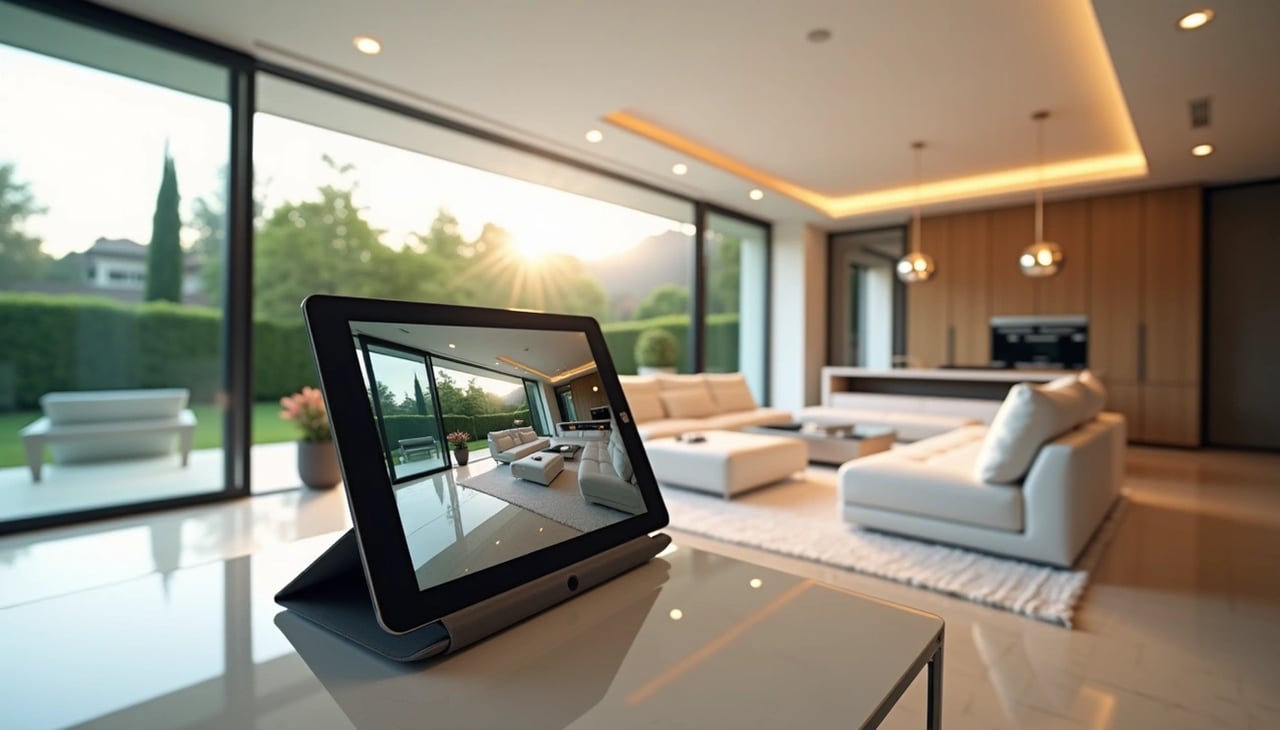
Virtual tours allow luxury properties to reach qualified buyers with unprecedented precision. These immersive experiences enable viewers to explore high-end homes at their convenience, studying architectural details and spatial relationships from any location worldwide.
Luxury real estate now treats virtual tours as standard rather than optional. Properties featuring these digital walkthroughs attract 87% more views than traditional listings and close approximately 20% faster. Recent data shows over 40% of homebuyers relied on virtual tours during their property evaluation process.
International investors and time-conscious executives particularly benefit from this technology. Virtual access eliminates geographical constraints, providing round-the-clock availability to exclusive listings. This reach proves especially valuable for ultra-luxury properties, where potential buyers often reside across multiple continents.
The emotional impact extends beyond mere convenience. High-resolution, 360-degree views help buyers develop genuine connections to properties—understanding flow and atmosphere that photographs cannot capture. The comprehensive nature of these tours naturally filters prospects, ensuring only serious buyers invest the time to explore thoroughly.
Real estate professionals initially questioned whether virtual tours might diminish their role. Instead, the technology has enhanced agent effectiveness, becoming an indispensable component of luxury property marketing that complements rather than replaces personal expertise.
Smart Home Features That Drive Luxury Sales
Smart home technology shapes luxury property values in measurable ways. The global smart home market is projected to reach $715.60 billion by 2032, confirming technology's central role in high-end real estate decisions.
Luxury buyers prioritize seamless integration above flashy features. They want sophistication without complexity – nothing frustrates them more than "a big bank of switches on the wall". Systems like Lutron, Crestron, and Josh.ai deliver what affluent homeowners actually want: single-button control that creates instant environmental scenes throughout their homes.
Security features consistently top buyer wish lists. Today's advanced systems include biometric scanners, facial recognition, and smart locks with remote monitoring capabilities. These technologies offer genuine peace of mind while boosting property values significantly.
Specialized climate control appeals to discerning buyers with specific collections. Smart wine cellars monitor preservation conditions through mobile apps, while climate-controlled garages maintain steady 60-75°F temperatures to protect valuable automobiles.
Design integration remains essential. The most sought-after smart homes include:
-
Invisible audio systems with speakers built into walls and ceilings
-
Retractable projectors that convert rooms into flexible entertainment spaces
-
Designer faceplates and concealed panels that preserve architectural integrity
Smart buyers want technology that enhances their lifestyle without announcing its presence – homes that feel both intelligent and effortless to live in.
When Less is More: The Shift Toward Simpler Tech
A surprising countertrend emerges among luxury buyers: the preference for "technology minimalism." What once defined premium smart houses—elaborate control systems and visible gadgets—now faces reassessment as discerning homeowners seek calmer, less connected living spaces.
This shift doesn't reject technology but demands invisibility. "In today's luxury homes, the most impressive technology isn't the kind you see—it's the kind you don't," notes smart home experts. Many integrators focus on creating systems that disappear into the design while quietly enhancing daily life.
Interior designers report clients specifically requesting the removal of complicated automation systems. One notable case involved a designer removing an entire smart system from a Beverly Hills penthouse and installing manual switches—an overhaul costing more than $100,000. Real estate professionals witness "a surge in interest for low-tech and no-tech homes" among buyers seeking properties that offer respite from digital overload.
Tech industry leaders themselves advocate for simpler homes. One designer observed when working with tech executives: "Making the space less digital and more tactile helped to ensure that the family would actually gather there and use it".
The paradox becomes clear: true luxury means technology that adapts quietly to routines without demanding attention.
Finding the Perfect Balance Between Innovation and Daily Life
True luxury in smart houses comes from technology that serves homeowners rather than impressing visitors. Toni Sabatino, an interior designer with extensive CEDIA connections, puts it perfectly: "good interior design in this industry has to have a user experience to go with the esthetic". Technology and design work together now instead of fighting for attention.
The most sought-after homes feature invisible, integrated systems that function quietly behind the scenes. "Luxury today is about invisible, integrated technology that supports your life, not flashy gadgets," explains one industry expert. Success depends on understanding how families actually use their spaces before installing any systems.
Smart collaboration makes the difference. Interior designers and integrators partner from day one of each project. "If we decide who's responsible to whom and for what, we won't be backtracking or having mistakes," Sabatino notes. This teamwork protects both beautiful design and practical function throughout the process.
The approach has grown more sophisticated. Rather than simply hiding all technology, professionals now make deliberate choices about when systems should disappear and when they deserve to be showcased as design features.
Entertaining becomes effortless when your home supports your lifestyle perfectly. For those ready to explore properties or just starting to consider a move, I would love to help you find spaces created for gracious living and memorable gatherings. Christina Pope 📞 310-404-9931 ✉️ [email protected]
Technology's Role in the Modern Buyer Experience
Technology shapes every aspect of the property search today. The National Association of Realtors reports that 97% of home buyers start their search online, making digital presence essential in the luxury market.
High-end properties benefit from personalized approaches. Skilled agents use AI-driven marketing to track trends, refine content, and guide prospects through their decision process. This method helps agents understand client preferences before they're even voiced.
Subtle technological details make the difference. Customized 3D tours with Mattertags highlight specific features that matter to each buyer. Smart home capabilities can be shown remotely—picture getting an alert about reserving the building's event space well ahead of your child's birthday celebration.
Once interest develops, technology smooths the purchase path. Automated systems manage first inquiries, screen prospects, and arrange showings without manual oversight. Mobile access has made property search immediate and convenient, with 76% of recent buyers using smartphones during their home hunt.
These integrated tools create what McKinsey describes as "memorable brand experiences"—digital moments that increase property appeal and build lasting client relationships. For sophisticated buyers, this technological advantage often determines their final choice.
Conclusion
Technology shapes luxury real estate in unexpected ways. Virtual tours have become standard practice, offering buyers detailed property exploration regardless of location. These digital presentations attract 87% more views than traditional listings and accelerate sales by 20%, demonstrating clear market value.
Smart home features prove their worth when properly executed. The most successful installations disappear into daily routines—sophisticated climate control, advanced security, and seamless automation that responds without fanfare. Buyers appreciate technology that solves problems rather than creates them.
Yet a notable shift has occurred. Many affluent purchasers now prefer technology minimalism, choosing homes where innovation operates quietly in the background. This preference reflects a mature understanding: luxury technology should enhance life, not complicate it.
The luxury real estate market remains fundamentally relationship-driven. Exceptional properties often change hands through private conversations and strategic timing rather than public exposure. Discerning buyers value this discretional approach, particularly when considering exclusive estates that never appear on traditional listings.
Those seeking exceptional homes today benefit from this technological evolution. The most desirable properties combine intelligent systems with thoughtful design—technology that supports lifestyle without demanding attention. This balance mirrors what buyers seek in their real estate experience: sophisticated service that enhances the journey to finding the perfect home.
Key Takeaways
Technology has revolutionized luxury real estate marketing and sales, but the most successful implementations prioritize seamless integration over flashy features.
• Virtual tours generate 87% more views and sell properties 20% faster, making them essential for reaching global luxury buyers effectively.
• Smart home features add significant value when invisible and integrated—luxury buyers prefer technology that enhances lifestyle without demanding attention.
• A countertrend toward "technology minimalism" shows affluent buyers increasingly seek homes where tech operates quietly in the background.
• Successful luxury properties balance cutting-edge innovation with lifestyle fit, ensuring technology adapts to residents rather than overwhelming them.
• AI-driven marketing and personalized digital experiences create competitive advantages by anticipating client needs and streamlining the buyer journey.
The future of luxury real estate lies not in the quantity of technology but in its thoughtful, invisible integration that elevates living experiences while maintaining the sophisticated simplicity that discerning buyers truly value.
FAQs
Q1. How have virtual tours impacted luxury real estate sales? Virtual tours have significantly boosted luxury property sales, receiving 87% more views than traditional listings and helping properties sell about 20% faster. They allow potential buyers to explore high-end homes in detail from anywhere in the world, breaking down geographical barriers and attracting serious international investors.
Q2. What smart home features are most valued in luxury properties? Luxury buyers prioritize seamlessly integrated smart home systems that enhance lifestyle without being intrusive. Popular features include advanced security systems with biometric scanners, sophisticated climate control solutions, and invisible audio systems. The key is technology that adapts quietly to routines without demanding attention.
Q3. Is there a trend towards simpler technology in luxury homes? Yes, there's a growing trend called "technology minimalism" in luxury real estate. Many affluent buyers are seeking homes with less visible technology, preferring systems that operate quietly in the background. This shift reflects a desire for calmer, less connected living spaces where technology enhances lifestyle without overwhelming it.
Q4. How does technology enhance the luxury home buying experience? Technology transforms the luxury home buying journey at every stage. From AI-driven marketing that anticipates client needs to personalized 3D tours with tailored property details, tech innovations create memorable brand experiences. Mobile platforms have also made real estate an on-demand experience, with 76% of recent buyers using smartphones during their home search.
Q5. What is the future of technology in luxury real estate? The future of luxury real estate technology lies in balancing innovation with lifestyle fit. The focus is shifting towards invisible, integrated systems that support daily life without complication. While cutting-edge features are important, the most desirable properties will offer technology that enhances living experiences while maintaining the sophisticated simplicity that discerning buyers value.