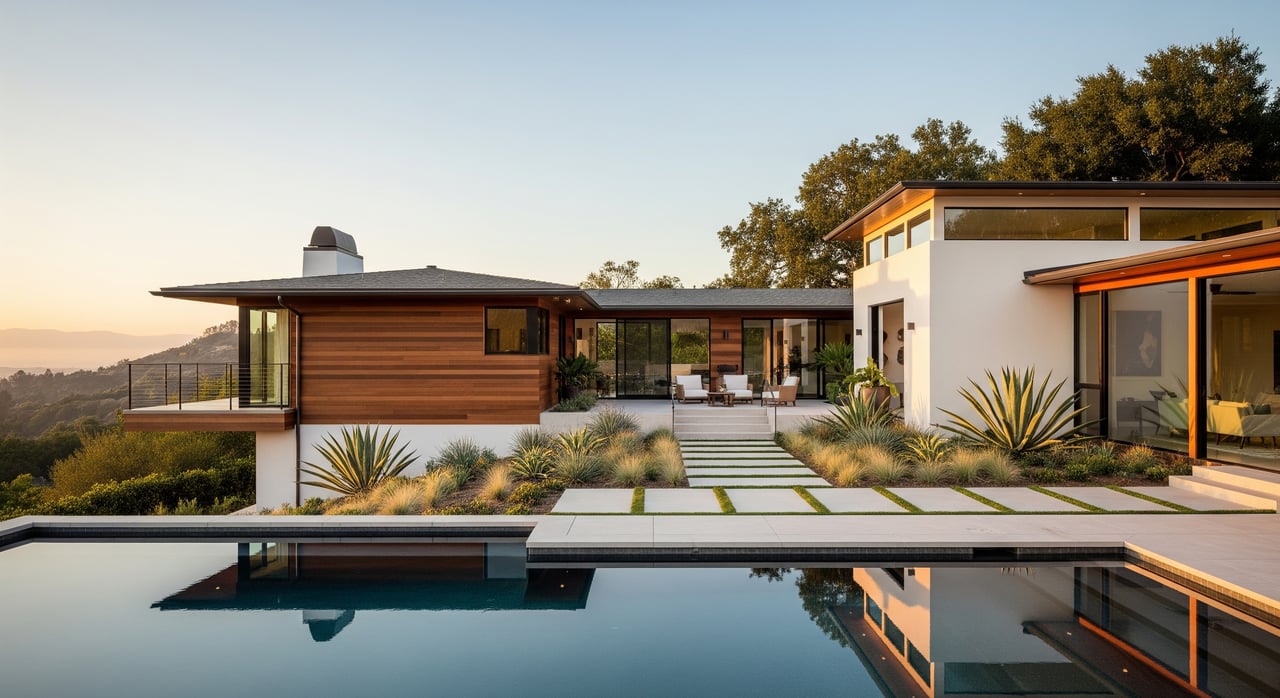
Torn between a glassy mid‑century gem and a sleek new build in Brentwood? You want a home that fits your lifestyle and protects your investment in one of Los Angeles’ most sought‑after Westside neighborhoods. In this guide, you’ll get a clear, side‑by‑side look at architecture, costs, timelines, inspections, permits, and resale drivers so you can move forward with confidence. Let’s dive in.
Brentwood context: how buyers decide
Brentwood mixes established streets with mature landscaping and a steady flow of new luxury construction. Micro‑neighborhoods include Brentwood Park, Mandeville Canyon, Brentwood Glen, Brentwood Highlands, and areas near Westwood and the Los Angeles Country Club. Each pocket has its own feel, lot sizes, and topography.
Most buyers weigh privacy and lot quality, proximity to public and private schools, and easy access to Westside corridors. Zoning is primarily single‑family, and floor‑area limits and Hillside rules (where applicable) can shape what you can add or rebuild. In practice, value hinges on lot and execution more than “new vs. old” alone.
New builds: features and tradeoffs
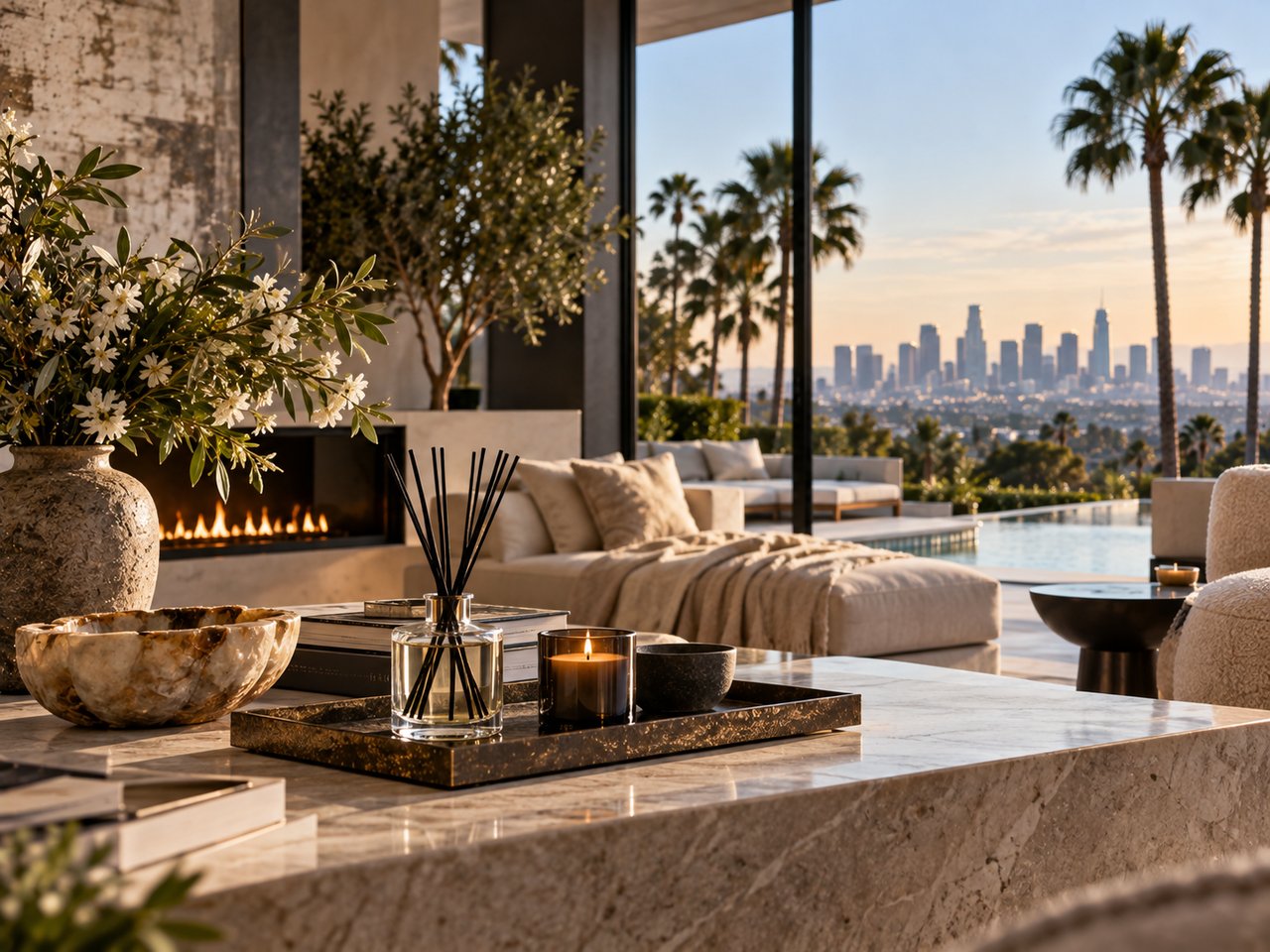
New construction in Brentwood typically delivers larger footprints, high ceilings, multiple ensuites, and modern building systems. You often get integrated smart wiring, energy‑efficient systems, and outdoor spaces designed for current lifestyles.
Buyers appreciate turnkey living, code‑compliant seismic framing, and the efficiency benefits of today’s standards. Many new homes come with builder warranties that cover workmanship for a limited period and structural items for longer. Still, quality varies by builder and subcontractor, so careful verification is essential.
Community fit matters too. Contemporary exteriors can feel less contextual on certain streets, and some enclaves expect more measured design. Permitting and reviews can extend timelines before a shovel ever hits the ground.
Mid‑century homes: character and care
Mid‑century properties in Brentwood often feature post‑and‑beam construction, open layouts, clerestory windows, and floor‑to‑ceiling glass that blurs indoor and outdoor space. The best examples offer authenticity, original built‑ins, and a strong design story that resonates with architecture‑minded buyers.
Age brings maintenance. Common issues include older electrical systems, aging plumbing, single‑pane windows, and low‑slope roofs that need attention. You may see wood rot, moisture intrusion at window assemblies, and potential hazardous materials in vintage finishes. Many homes benefit from seismic strengthening and system upgrades to match modern comfort and safety.
Well‑preserved or architecturally significant homes can command premiums, but that depends on authenticity, condition, and current demand for the style.
Cost, timeline, and resale: what to expect
- Purchase price profile: New builds often sell at a higher price per square foot due to larger area, new systems, and turnkey appeal. Authentic, well‑restored mid‑century homes can also sell at premiums among design buyers.
- Renovation costs: Preservation‑focused upgrades can be more expensive than a standard remodel, especially if you retain original details while modernizing systems.
- Timelines: You can move into an existing mid‑century home quickly and phase upgrades. Custom new construction commonly runs 12 to 24 months after permits, with plan‑check adding lead time.
- Resale sensitivity: In Brentwood, lot quality, privacy, views, architectural integrity, and finished square footage drive value. Some buyers prize mid‑century authenticity; others want modern systems and scale.
Renovate or rebuild: a simple framework
Consider renovation if the home has strong bones, a desirable layout, and architectural value that buyers will pay to keep. Upgrading systems and restoring character may produce an optimal blend of lifestyle and value.
Lean toward a rebuild if structural issues are extensive or if the lot and zoning allow a significantly larger or more valuable home than a renovation would deliver. Also weigh soft costs, utility upgrades, holding costs, and the time you are willing to invest.
Permits, codes, and approvals in Los Angeles
New construction must meet current building codes and energy standards, with plan check, structural review, and multiple inspections. Renovations can trigger required upgrades based on scope and local rules.
Before you commit, confirm whether a property sits in a Hillside area or an overlay that limits size, grading, or exterior design. Some neighborhoods have active councils or review committees that influence design and timelines. Check for any historic‑resource considerations that could affect demolition or alterations.
For clarity on a specific address, consult the Los Angeles Department of Building and Safety for permit history and inspections and the Los Angeles Department of City Planning for zoning, overlays, and floor‑area limits.
Inspection priorities: new vs. mid‑century
Focus your due diligence on the items that most often affect safety, comfort, and cost.
For mid‑century homes
- Electrical: panel size, grounding, and wiring condition.
- Plumbing: material type and life expectancy for supply and sewer lines.
- Envelope: roof, flashing, windows, and signs of water intrusion.
- Structure: foundation movement and framing integrity, especially on hillside lots.
- Environmental: testing for lead or asbestos where suspected; termite and dry rot.
For new builds
- Permits and finals: complete permit set, change‑order history, and certificate of occupancy.
- Systems: confirmation that mechanicals are properly commissioned and performing to spec.
- Structure and site: foundation quality, drainage, and grading suited to the lot.
- Warranty: what is covered, for how long, and how claims are handled.
Buyer checklist: lifestyle and investment fit
- What matters most: design authenticity or turnkey living with maximal square footage?
- Ownership horizon: short‑term resale or long‑term enjoyment and improvement?
- Capacity for projects: will you manage restoration costs and timelines, or do you prefer predictability under a warranty?
- Lot and siting: privacy, views, sun orientation, and how the home engages outdoor space.
- Product type: custom build, speculative new home, or an original mid‑century to restore.
Seller strategies in Brentwood
If you own a mid‑century property, decide whether highlighting original features and marketing to design buyers will outperform positioning the property as a redevelopment opportunity. Obtain estimates for high‑impact updates versus selling as‑is.
If you are considering a teardown, evaluate the lot’s raw value, potential floor area under zoning, and competing new builds nearby. For a newer home, organize permits, warranty documentation, and vendor lists to reinforce buyer confidence and justify your price.
Insurance, financing, and taxes: quick notes
Financing terms differ for new construction compared to resale purchases. If you build, expect construction loan draws and a conversion to permanent financing.
Upon a sale, California law generally reassesses property taxes to current market value. Insurance costs may be lower on new systems in the short term, but location risks and seismic considerations still apply. Earthquake retrofit status can influence coverage and premiums.
How we guide your decision
With a boutique, senior‑advisor approach and global reach, our team helps you weigh character, comfort, and capital in Brentwood. We source comparables by micro‑neighborhood, coordinate due diligence with trusted inspectors and contractors, and frame renovation versus rebuild paths in line with local rules and timelines. For sellers, we tailor discrete, high‑impact marketing and tap international channels when appropriate.
Ready to compare options at address‑level detail and on your timeline? Join Christina’s Inner Circle for VIP insights or request a private, confidential consultation with Christina Pope.
FAQs
Which holds value better in Brentwood: a new build or a mid‑century home?
- It depends on lot, location, privacy, schools proximity, and execution; new builds often command premiums for size and systems, while authentic, well‑preserved mid‑century homes can also achieve top prices among design buyers.
How long does a custom new build typically take in Los Angeles?
- From permit approval to completion, plan for about 12 to 24 months, plus additional time for plan check and any community review.
What inspections are must‑haves for a mid‑century purchase in Brentwood?
- Arrange a full home inspection, pest report, specialist electrical and plumbing evaluations, a roof assessment, and testing for lead or asbestos where suspected; confirm any local sewer lateral requirements.
What should I verify on a newly built home before closing?
- Confirm permits and final inspections, review change‑order history, verify systems commissioning, and understand the builder’s warranty coverage and claim process.
Are there rebates for upgrading an older Brentwood home’s energy efficiency?
- State and local utilities periodically offer incentives for HVAC, insulation, and window upgrades; check current programs with utility providers and state resources.
Will my property taxes change after I buy in Los Angeles?
- Yes, a change of ownership generally triggers reassessment to current market value under California law.