Beverly Hills historic estates rarely appear on public listings, and the most strategic buyers understand why. The choice between acquiring a heritage property with architectural provenance or commissioning a modern rebuild carries implications that extend far beyond aesthetics. This decision shapes everything from renovation budgets to long-term value appreciation in one of the region's most exclusive markets.
Smart buyers recognize that home age and market value share a complex relationship in Beverly Hills, CA. Historic homes, particularly those with landmark status or located within historic districts, showcase distinctive architectural styles that often hold historical value and enhance market appeal. The most discerning clients know that both paths offer unique advantages, yet each demands different expertise to secure the right property at the right price.
What defines Beverly Hills historic estates today
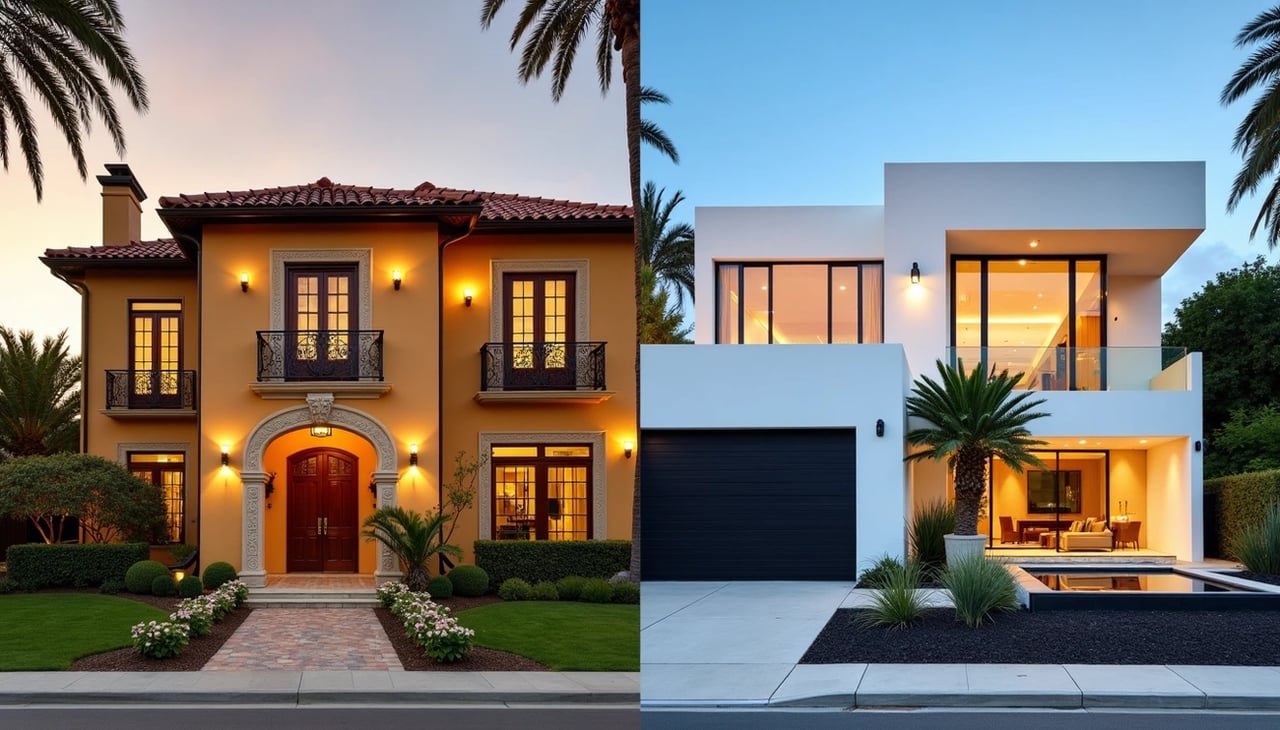
The architecture that commands attention among serious buyers reflects specific periods and design movements that shaped Southern California's built environment. Mediterranean Revival and Spanish Colonial properties dominate the heritage landscape, particularly estates constructed during the 1920s and 1930s when Hollywood wealth drove development. These Beverly Hills historic homes feature stucco walls, red clay tile roofs, arched doorways, wrought-iron details, and courtyards that create privacy while supporting indoor-outdoor flow. Art Deco estates from the same era bring geometric patterns and metallic details, though they remain rare. Tudor Revival properties display steep roofs, decorative half-timbering, and masonry construction that appeals to buyers seeking old-world presence. Neoclassical and Beaux-Arts designs emphasize symmetry, columns, porticos, and grand staircases with formal, compartmentalized interiors.
Properties designed by recognized master architects carry outsized premiums. The city officially recognizes over 100 'Master Architects,' including Paul R. Williams, Frank Lloyd Wright, and Richard Neutra, whose work requires specialized review for any structural alterations. Authenticity consistently outperforms imitation in appraisal studies, with homes maintaining cohesive architectural language showing stronger pricing stability than hybrid designs.
Architectural styles that carry historical value
Spanish Colonial Revival maintains deep historical ties to the region, with preservation inventories showing many properties retain original craftsmanship difficult to replicate today. Mediterranean villas feature generous floor plans, high ceilings, exposed wooden beams, and detailed millwork in dining rooms that open directly to patios. Pool areas integrate with architectural design to reinforce the indoor-outdoor aesthetic central to California living. Art Deco estates showcase custom lighting and built-in furniture that attract collectors who value their place in residential architecture history. Tudor homes adapt open floor concepts while preserving wood paneling and cozy library spaces that maintain storybook appeal.
Historic district designations and landmark status
Beverly Hills Register of Historic Properties includes 45 designated buildings, parks, and public art installations. Landmark designation requires properties to be at least 45 years old, possess high artistic or aesthetic value, embody distinctive characteristics of an architectural style, and retain substantial integrity from their period of significance. Properties must satisfy additional requirements, including national register listing, exceptional work by a master architect, ownership by persons of great importance, or iconic status.
The Mills Act provides qualifying property owners with potential property tax reductions to fund rehabilitation and maintenance. The Historic Incentive Permit allows the Planning Commission to waive development standards including height, stories, parking, floor area, setbacks, and slope regulations for designated landmarks. Owners receive Beverly Hills Historic Property Plaques for exterior display acknowledging construction dates and historic significance.
Historic district designation requires properties to be contiguous or grouped in close proximity with at least 70 percent classified as contributing properties that predominantly embody elements of a single architectural style or period. Districts cannot include areas zoned for one-family development.
Original craftsmanship and period details
Authentic period homes in excellent condition attract buyers who value hand-painted tiles, iron light fixtures, crystal chandeliers, and marble floors. Spanish Colonial properties retain decorative tilework on stair risers and fountains, covered loggias, and shaded patios. Mediterranean estates preserve exposed wooden beams and detailed millwork that cannot be duplicated with modern construction methods. These elements represent tangible connections to historical building practices that sophisticated buyers recognize and prize.
Lot sizes and established neighborhoods
The Beverly Hills Flats combine tree-lined streets with 1920s and 1930s period homes alongside high-end renovations. Lot sizes run smaller than hillside properties, but addresses carry prestige within refined neighborhood fabric. Trousdale Estates, developed during the 1950s and 1960s, attracted renowned designers including Paul Williams and A. Quincy Jones, with many homes now meticulously restored or reimagined.
Modern rebuilds in Beverly Hills: what you're actually getting
Stripped-to-framing transformations define the modern rebuild approach in Beverly Hills. A McClean Design project demonstrates this methodology: the firm took an existing 1970s contemporary home and removed everything except structural framing to capture views over Los Angeles and Beverly Hills while adding necessary bedrooms and ancillary spaces. Ceiling heights increased throughout main living areas, and the plan opened to visually connect different spaces. The material palette remained simple with strategic additions of distinctive materials to add warmth.
Contemporary design and floor plans
Open floor plans prioritize visual flow and indoor-outdoor integration through materials selected for both aesthetics and durability. Shining porcelain tile and Brazilian walnut floors guide movement through main levels. Entertainment spaces feature 24-foot solid fireplaces and walnut burl bars designed for hosting. Fleetwood doors create seamless transitions to exterior decks constructed with Ipe Brazilian hardwood.
Kitchens function as architectural centerpieces rather than utilitarian spaces, with high-gloss white lacquered cabinetry designed as art installations. Gourmet kitchens feature Gaggenau appliances, Carrara countertops, SubZero refrigeration, and Fisher Paykel dishwashers with Blum stainless steel hardware.
Smart home technology and energy systems
Integrated systems provide real-time visibility and wireless control over home energy management. Smart panels allow property owners to view consumption patterns and make informed decisions about load management. During power outages, homeowners charge solar panels when sunlight permits, then use stored battery power to run selected appliances throughout the day. These systems facilitate strategic energy management that maintains power flow during extreme weather events.
Smart thermostats represent the highest-impact energy-saving opportunity, given that heating and cooling consume more energy than any other household system. ENERGY STAR Smart Home Energy Management Systems require certified smart thermostats, lighting, and plug load monitoring at minimum. The systems simplify energy consumption by facilitating device schedules, suggesting actions based on usage patterns, and automatically controlling devices based on occupancy.
Advanced monitoring systems detect maintenance needs through sensor technology. Filter changes occur when pressure drops indicate actual necessity rather than calendar schedules, potentially saving up to 15 percent on monthly energy bills. Dryer vent monitoring prevents inefficiency that increases power usage by 15 percent. Recessed Lutron lighting systems and Nuvo sound installations provide energy-efficient ambiance control throughout properties.
Current building codes and structural standards
Beverly Hills maintains specific development codes governing property use and construction standards. Modern rebuilds comply with specifications that older properties cannot match without extensive intervention.
Customization opportunities from ground up
Building from scratch allows complete personalization across all surfaces and systems. Ground-up construction starts with transferring concepts to paper, then progressing through plan approval and material selection within budget parameters. Clients see every project aspect upfront through color 3D renderings that display finished products before construction begins.
Customization extends from sustainable flooring options like reclaimed wood or bamboo to waterproof luxury vinyl plank mimicking natural materials. Heated flooring systems add comfort during winter months. Multifunctional islands incorporate built-in wine refrigeration or herb gardens using quartz with personalized veining patterns. Bathrooms feature custom vanities, rainfall showers with chromotherapy lighting, and heated towel racks. Smart ceiling fans and recessed speakers integrate seamlessly into exposed beams or acoustic panels.
Price comparison: historic estates vs modern rebuilds in 2026
Median home prices in Beverly Hills sit above $3.9 million and are projected to exceed $4 million within the year. Properties listed can reach $45 million depending on size, location, and condition. The price differential between Beverly Hills historic estates and modern rebuilds reflects location specifics rather than construction type alone.
Purchase price ranges by neighborhood
Properties within half a mile of Rodeo Drive command premiums up to 15 percent over comparable homes located just a few miles away. The Flats, Trousdale, and areas north of Sunset maintain historically tight inventory, which supports steady appreciation for prime properties. Ultra-luxury compounds above $10 million include private recreation areas, in-house security, gourmet kitchens, and panoramic city views. Off-market private sales increased 42 percent recently, with transactions above $10 million occurring through broker networks that bypass public listings.
Renovation costs for historic properties
A Beverly Hills mansion underwent a $6.5 million renovation before listing at $22 million. Buyers should budget 10 to 30 percent more for Beverly Hills historic homes depending on significance, district regulations, and overall condition. Renovation expenses run two to three times the budget for an average house due to specialized materials, skilled labor requirements, and potential hidden issues. Historic properties require 20 to 50 percent more capital overall to purchase, repair, and maintain compared to non-historic alternatives.
Hidden expenses in older homes
Insurance premiums run 50 to 100 percent higher for historic properties due to age, construction materials, and renovation limitations. Hidden homeownership costs average nearly $16,000 annually nationwide, with older homes in certain climates running considerably higher. Electrical system upgrades in pre-1960s homes can cost up to $36,000 when knob-and-tube wiring requires complete replacement. Full roof replacement averages between $9,500 and $14,500, though underlying deck damage discovered during tear-off increases costs sharply. Whole-system plumbing replacement in large older homes routinely reaches well into five figures.
Long-term value appreciation patterns
Beverly Hills mansion prices historically outpace broader Los Angeles market trends. While the wider LA market sees 4 to 6 percent annual appreciation, Beverly Hills often exceeds 8 to 10 percent depending on year and location. Homes with LEED certification or net-zero energy profiles command premiums of 5 to 10 percent, reflecting buyer preference for eco-conscious luxury.
Lifestyle factors that influence buyer decisions
Buyers who succeed in Beverly Hills look beyond square footage and finishes to evaluate how properties align with routines, security expectations, and family obligations. These considerations determine satisfaction long after closing.
Maintenance requirements and ongoing care
Historic properties demand specialized attention that modern rebuilds sidestep entirely. Six-month inspections should cover gutters, roofing, flashings, chimney bases, foundations, and painted wood requiring caulk before touch-ups. Annual reviews extend to chimney tops, masonry conditions, mortar joints (particularly on southwest and northeast exposures), windows, doors, and cladding. Preventative measures include trimming trees away from foundations, maintaining AC drip lines, and addressing chipped paint immediately to prevent water damage.
Privacy and security considerations
Total reported crimes in Beverly Hills declined 14 percent in 2024, yet residential burglaries rose 55 percent between August and September 2024. Between December 2024 and January 2025, burglary cases increased 18 percent, with residential break-ins specifically up 31 percent. Organized crews now employ drones, signal jammers, and social media monitoring to identify targets. Effective protection relies on vetted personnel who understand property layouts, biometric access control, contractor screening, and layered technology supporting human awareness. Discretion matters as much as hardware in high-profile neighborhoods.
Walkability and daily convenience
Streets near Beverly Drive, Canon Drive, and the Golden Triangle provide continuous sidewalks and frequent crosswalks. Hillside cul-de-sacs offer tranquility but necessitate driving for errands. BHUSD campuses anchor morning and afternoon traffic patterns, with proximity reducing drive time while potentially increasing drop-off congestion near your block. For those who love to entertain, the right home makes all the difference. If you're considering a purchase in the near future or beginning your search, I'd be delighted to help you discover spaces designed for elevated living and effortless hosting. Christina Pope  310-404-9931
  [email protected]
School districts and family needs
Beverly Hills Unified School District consistently ranks among California's top public systems. Hawthorne Elementary emphasizes social-emotional learning with dedicated teachers. Horace Mann offers rigorous curriculum focusing on languages and arts. Beverly Hills High School ranks among the state's top public high schools, offering extensive AP courses and college preparation.
What smart buyers are choosing in 2026 and why
Luxury real estate in Los Angeles operates through private conversations and timing rather than public exposure. Significant transactions unfold quietly within trusted circles where discretion carries as much weight as value.
Current market trends in Beverly Hills
Beverly Hills shows a clear flight to quality, with architecturally significant homes continuing to hold and grow value. Inventory sits at 3.8 months for luxury properties versus 2.1 months for the overall market. Luxury sales grew 7% in 2025, driven by both domestic and international demand. Buyers prioritize lifestyle-integrated properties supporting work-from-home needs, wellness goals, and privacy over mere square footage.
Buyer profiles: who picks historic vs modern
International buyers, particularly from Asia and the Middle East, dominate the ultra-luxury segment with cash purchases. These clients value privacy in gated communities, world-class amenities, and architectural excellence spanning historic estates to modern masterpieces. Aesthetic preferences shift toward warm modern designs blending clean lines with organic materials. Wellness infrastructure, smart technology, outdoor spaces, layered privacy, and thoughtful interior design form the five pillars buyers evaluate.
Off-market opportunities in both categories
Sales above $20 million increasingly occur through off-market activity, with buyers relying on personal networks and private placement to avoid bidding wars. Off-market properties typically face less competition.
How to position your offer competitively
Short inspection windows, strong earnest money, proof of funds, limited contingencies, and reliable escrow timelines often outweigh slightly higher headline prices.
Conclusion
The choice between Beverly Hills historic estates and modern rebuilds reflects personal priorities rather than absolute market value. Buyers who value architectural provenance and established neighborhood character choose heritage properties, while those prioritizing complete customization and integrated technology select ground-up construction. Both categories show strong appreciation within prime locations, especially the Flats and Trousdale.
Success in this market depends on timing, off-market access, and understanding what drives value beyond public listings. Christina Pope at Sotheby's International Realty connects discerning clients with properties that align with their vision—whether historic or modern—through strategic positioning and trusted networks. Visit EliteResidenceInternational.com for exclusive insights.
Key Takeaways
Smart Beverly Hills buyers in 2026 are making strategic decisions based on lifestyle priorities, market dynamics, and long-term value potential rather than simply choosing between old and new.
• Historic estates require 20-50% more capital for purchase and maintenance but offer irreplaceable architectural provenance and established neighborhood prestige
• Modern rebuilds provide complete customization, smart home integration, and current building codes but lack the historical character that defines Beverly Hills luxury
• Off-market transactions dominate sales above $20 million, with 42% increase in private deals as buyers avoid bidding wars through trusted broker networks
• Location trumps property type - proximity to Rodeo Drive commands 15% premiums while inventory remains at 3.8 months for luxury properties
• International cash buyers prioritize privacy, wellness infrastructure, and architectural excellence over square footage, driving the flight to quality trend
The Beverly Hills luxury market rewards buyers who understand that success depends on timing, off-market access, and recognizing what truly drives value beyond public listings.
FAQs
Q1. What makes a Beverly Hills property qualify as a historic estate? Historic estates in Beverly Hills are typically properties at least 45 years old that feature distinctive architectural styles like Spanish Colonial Revival, Mediterranean, or Tudor designs from the 1920s-1930s. They must retain original craftsmanship such as hand-painted tiles, wrought-iron details, and period-specific millwork. Properties may also carry official landmark designation or be located within historic districts, and some were designed by master architects like Paul R. Williams or Richard Neutra.
Q2. How much more expensive is it to maintain a historic home compared to a modern rebuild? Historic properties typically require 20-50% more capital overall to purchase, repair, and maintain compared to modern alternatives. Renovation costs alone can run 10-30% higher, with specialized work costing two to three times the budget of an average house. Insurance premiums are also 50-100% higher due to age and construction materials, and hidden costs like electrical system upgrades can reach $36,000 for older homes.
Q3. What are the main advantages of choosing a modern rebuild in Beverly Hills? Modern rebuilds offer complete customization from the ground up, integrated smart home technology for energy management and security, and compliance with current building codes and structural standards. They feature open floor plans with seamless indoor-outdoor transitions, energy-efficient systems that can reduce utility bills by up to 15%, and require significantly less maintenance than historic properties while avoiding the hidden expenses common in older homes.
Q4. Are Beverly Hills historic homes or modern rebuilds better investments in 2026? Both property types demonstrate strong appreciation within prime locations, with Beverly Hills often exceeding 8-10% annual appreciation compared to the broader LA market's 4-6%. The choice depends more on location than construction type—properties near Rodeo Drive command 15% premiums regardless of age. Modern homes with LEED certification or net-zero energy profiles can command 5-10% premiums, while architecturally significant historic estates continue to hold and grow value through their irreplaceable provenance.
Q5. Who typically buys historic estates versus modern rebuilds in Beverly Hills? International buyers, particularly from Asia and the Middle East, purchase both categories but prioritize different features. Those choosing historic estates value architectural provenance, established neighborhood prestige, and connection to Beverly Hills' cultural heritage. Modern rebuild buyers tend to prioritize customization, integrated wellness infrastructure, smart technology, and contemporary open floor plans that support work-from-home lifestyles. Both groups increasingly rely on off-market transactions through private broker networks for properties above $20 million.