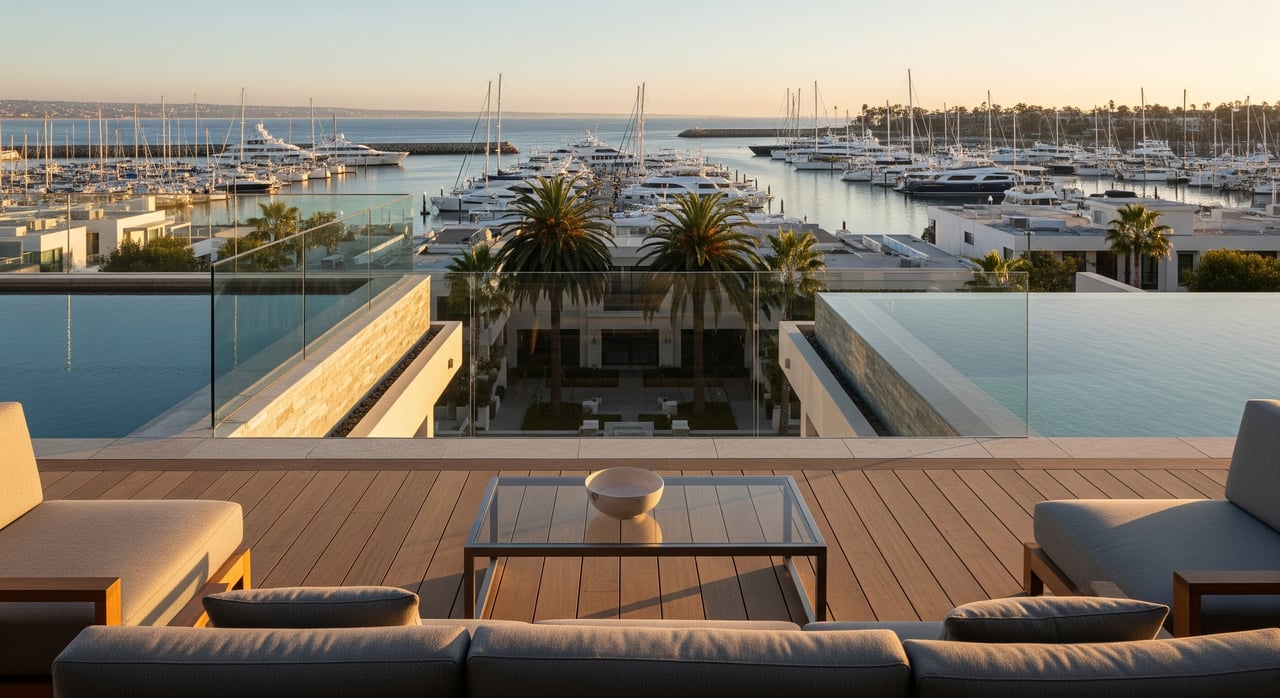
If you are eyeing a Marina del Rey condo, you have likely noticed HOA fees can vary a lot from building to building. It is normal to wonder what, exactly, you are paying for. You want clarity so you can compare properties, plan your budget, and avoid surprises after closing. In this guide, you will learn what HOA fees in Marina del Rey typically cover, what they do not, the local marina nuances that affect dues, and how to evaluate an association’s financial health with confidence. Let’s dive in.
How California HOAs work
In California, homeowner associations are governed by the Davis‑Stirling Common Interest Development Act. This framework sets rules for disclosures, reserve studies, member rights, and how boards operate. When you buy in a Marina del Rey condo or townhome community, you are joining a common interest development that shares costs for maintenance, insurance, utilities, and amenities.
Marina del Rey is largely made up of condominiums and apartment‑style developments, including waterfront towers and low‑rise buildings. Because buildings, amenities, and exposures differ, HOA dues and inclusions vary widely. The details live in each association’s CC&Rs, budget, rules, and insurance summary.
What HOA fees usually include
While every association is different, most Marina del Rey HOAs bundle several of the following categories into monthly dues.
Common area maintenance and coastal upkeep
HOA fees typically fund exterior building maintenance, including roofing, painting, siding, and stucco repairs. Associations also handle shared systems and spaces like elevators, lobbies, hallways, stairwells, and grounds. Coastal exposure matters here. Salt air accelerates corrosion on metal, railings, and decks, so waterfront properties often budget more for repainting and exterior maintenance.
Utilities and service contracts
Dues often cover water for common areas and trash and recycling service. Many associations pay for common‑area electricity, such as lighting, pumps, elevator power, and garage lighting. Some buildings include cable or building‑wide internet, while others require owners to contract individually. Pest control for common areas is common. Interior pest treatment is usually the owner’s responsibility.
Insurance and reserves
Associations maintain a master insurance policy that typically covers common areas, exterior walls, roofs, and liability in shared spaces. Coverage scope varies by building. Interior finishes and personal property are usually excluded, which is why owners often carry HO‑6 insurance for their unit. Your dues also fund the reserve account, which sets aside money for long‑term repairs and replacement of big‑ticket items like roofs, elevators, and paving.
Management and administration
Most communities pay professional management fees or on‑site manager salaries. Dues also fund accounting and legal services, meeting costs, printing and postage, and association operational insurance. Administrative expenses include rule enforcement, compliance, and periodic reserve studies.
Security, parking, and specialized services
Luxury high‑rises in Marina del Rey may include 24‑hour security, doorman services, entry systems, and patrols. Dues can also fund garage maintenance, lighting, gate operations, and mechanical parking systems. Some buildings offer valet. The higher the level of service, the higher the typical monthly costs.
Amenities and recreation
Pools, spas, fitness centers, community rooms, and rooftop decks require ongoing maintenance and staffing. Landscaped courtyards, barbecue areas, and play spaces may also be included. Associations that operate extensive amenity suites generally have higher dues.
Marina and boating items
In some communities, if the association owns or operates docking or berthing facilities, dues may support dock maintenance or marina utilities. That is not the norm across the area. Much of the marina is managed by Los Angeles County’s Department of Beaches and Harbors, and many boat slip arrangements are separate from your HOA. Slip leases often have their own agreements, waitlists, and fees.
Reserve studies and capital projects
Most associations commission periodic reserve studies to estimate life cycles and replacement costs for major components. Regular reserve contributions are a key part of dues. Strong reserves help avoid special assessments when large projects arise.
What HOA fees usually do not cover
Every building is different, but owners are commonly responsible for:
- Interior finishes, appliances, flooring, and in‑unit plumbing and electrical, unless the CC&Rs say otherwise.
- A personal HO‑6 policy to cover interior improvements, personal property, and liability. Loss assessment coverage is often recommended.
- Individually metered utilities, such as electric, gas, or water, if not provided by the association.
- Mortgage and property taxes, including any Mello‑Roos or special taxes that apply.
- Routine in‑unit pest control and cosmetic upgrades.
- Private boat slips and marina fees when set up as separate leases or agreements.
- Non‑routine special assessments for major projects not fully funded by reserves.
Marina del Rey nuances that affect dues
Marina del Rey’s location and building mix create unique cost drivers.
- Coastal maintenance premium. Saltwater exposure increases wear on exteriors, railings, and decks, which can require more frequent repainting and corrosion control.
- Insurance and inflation pressures. Like much of California, associations have seen rising premiums for property and liability insurance, along with higher labor and materials costs.
- Amenity variance. A waterfront tower with a doorman, security, and full amenity package will generally carry higher dues than a small, older low‑rise with limited shared spaces.
- Marina operations are often separate. The county manages much of the marina basin. Boat slip access is not automatically included with a condo and is often billed separately.
How to compare HOA fees building by building
When you compare two condos, look beyond the dollar amount. Focus on what you get for the money and the association’s financial health.
Pin down inclusions and exclusions
- Review the latest budget to see line items for utilities, management, security, and amenities.
- Confirm which utilities are included for your unit versus common areas only.
- Ask for the master insurance summary to see what the association covers and what you must insure.
Evaluate reserves and big‑ticket items
- Request the most recent reserve study and contributions schedule.
- Identify upcoming replacements like roofs, elevators, waterproofing, and exterior paint cycles.
- Check whether reserves are adequate for the building’s age and condition.
Check for assessments and litigation
- Ask about any pending or recent special assessments and planned capital projects.
- Read meeting minutes for the past 6 to 24 months to spot recurring issues.
- Review disclosures for any ongoing lawsuits that could affect finances.
Gauge cash flow strength
- Review the balance sheet, income and expense statements, and delinquency reports.
- High delinquency rates can signal financial stress and a higher risk of future assessments.
Understand management and rules
- Note whether the building is professionally managed or board‑managed.
- Confirm rental and pet rules, and any short‑term rental restrictions, especially if you plan to lease.
Due diligence checklist before you buy
Gather these documents as part of your review and escrow process:
- CC&Rs, bylaws, rules and regulations, plus any amendments.
- Current budget and financial statements, plus recent years’ budgets.
- Reserve study and reserve funding history.
- Board and membership meeting minutes from the last 6 to 24 months.
- Master insurance policy summary and limits, including deductibles.
- Disclosures on any pending litigation.
- Estoppel certificate stating current dues, delinquencies, and pending assessments.
- Renting and pet rules, plus any age restrictions if present.
- If relevant, FHA or VA project approvals, and your lender’s condo requirements.
Red flags to watch for
Approach these findings with care and ask follow‑up questions:
- Very low reserve balances relative to building age and upcoming projects.
- Repeated special assessments or deferred maintenance.
- High delinquency rates among owners.
- Frequent board turnover or governance disputes in meeting minutes.
- Unclear or minimal insurance coverage for common areas.
- Pending litigation that could lead to future assessments.
Smart insurance strategy for condo owners
Most master policies do not cover your interior finishes or personal property. Consider an HO‑6 policy tailored to your unit. Ask your agent about loss assessment coverage, which can help if the association issues a special assessment for an insured loss or a gap in the master policy. Clarify master policy deductibles and how they are allocated to owners in a claim.
Planning your total cost of ownership
Lenders include monthly HOA dues in your debt‑to‑income ratio, which can affect your loan amount. Ask your lender to model different dues scenarios as you compare buildings. Consider what your dues replace, such as the cost of a gym membership or separate security system. If boat slips, valet, or extra parking are important to you, confirm whether those carry separate fees and agreements so your budget reflects the full picture.
Boat slips and marina access
Condo ownership in Marina del Rey does not automatically include a boat slip. Many slips are managed by the county or private marina operators with separate leases, fees, and waitlists. If a building does include or manage berths, the HOA may budget for dock maintenance and marina utilities. Always verify the status of any boating rights, separate contracts, and all related fees before you buy.
Your next step
The right HOA can enhance your lifestyle and protect long‑term value. The key is knowing what you are paying for and how the association is managed. If you want a detailed read on a specific building, a review of the budget and reserve study, or to compare two options side by side, we can help you navigate the details with discretion and clarity.
Ready to move forward with confidence in Marina del Rey? Join Christina’s Inner Circle for a private consultation with Elite Residence International.
FAQs
What do HOA fees cover in Marina del Rey condos?
- They typically fund exterior and common‑area maintenance, shared utilities and services, master insurance for common areas, reserves for big‑ticket components, management, security, parking operations, and amenities, with specifics set by each association’s documents.
Are boat slip fees included in HOA dues in Marina del Rey?
- Often no. Many slips are managed separately by Los Angeles County or private operators with their own leases and fees, though some associations that own berths may include limited marina‑related costs.
Do HOA fees include utilities for my unit?
- It varies by building. Many cover trash, water for common areas, and common‑area electricity, while unit electricity, gas, water, and internet may be billed directly to owners unless a bulk package is included.
What insurance do I need as a Marina del Rey condo owner?
- Most buyers carry an HO‑6 policy for interior finishes, personal property, and liability, often with loss assessment coverage to address potential association assessments after insured losses.
How do HOA fees affect my mortgage qualification?
- Lenders include monthly HOA dues in your debt‑to‑income ratio, which can reduce the maximum loan amount you qualify for compared to a property with lower dues.
How can I tell if an HOA’s reserves are healthy?
- Review the latest reserve study, the association’s reserve balance and contribution schedule, history of special assessments, and upcoming capital projects relative to building age and condition.