Hotel room design ideas are moving focus from suites to something more fundamental: the arrival experience. Studies in cognitive psychology point to the primacy effect and show that first impressions shape perception disproportionately. A newer study, published in the International Journal of Hospitality Management, found that reception quality, including ambiance and spatial design, was among the top contributors to guest satisfaction and Net Promoter Score. Luxury hotel design now prioritizes how guests feel when they arrive over traditional room amenities. The most successful hotel design concepts understand that arrival spaces set the tone for everything that follows. This piece explores why arrival experiences define modern hotel interior design ideas and uses Bel Air Motor Courts as a compelling case study in creating transformative threshold moments.
Why Arrival Spaces Define Modern Luxury Hotel Design
The move from room-centric to experience-centric design
The hotel industry faces a fundamental transformation. Guests, especially Millennials and Gen Z, no longer book based on the cheapest room or best view. They choose experiences: wellness packages, chef-led dinners, sustainable stays, or curated local adventures that feel unique to them. This development changes revenue strategy entirely. The traditional room-centric model gives way to value-based packaging and individual-specific monetization, where emotional connection and purpose define price elasticity.
Modern travelers seek transformative travel. Trips that leave them changed through relaxation or cultural connection. They want to feel the heartbeat of the destination, not a generic lobby that could exist anywhere. Hotels now act as gateways to the community and weave local experiences directly into the guest trip. The product is no longer the room. It's the experience itself.
First impressions and guest psychology
People create first impressions within 50 milliseconds for websites and seven seconds for businesses. While these impressions may not be reliable, they prove long-lasting. The psychological mechanisms behind this phenomenon run deeper. The primacy effect demonstrates how first impressions shape perception disproportionately. The Servicescape concept, developed by Mary Jo Bitner, outlines how physical and sensory attributes of a space influence guest emotion and behavior. Layout and lighting, scent and sound all play a role.
Research on service experiences emphasizes strong starts and consistent performance during the experience, with strong finishes. Each interaction between frontline employees and customers during a service experience increases potential for variability. This raises a question: which matters more—a good beginning, good interactions during, or a good ending?
How arrival sets expectations for the entire stay
The arrival experience represents the guest's first in-person interaction with a property. It is the foundation for how the rest of the stay is perceived. A smooth and friendly check-in process puts guests at ease and reinforces their decision to stay right away. Small touches like addressing guests by name or offering a welcome drink establish care and professionalism.
A positive arrival experience increases the likelihood of guest satisfaction that guides favorable reviews and return bookings. A poor arrival experience sours perception from the start. The quality of this moment creates a lasting first impression that influences perception of the entire hospitality offering.
The Core Principles of Effective Arrival Experience Design
Sequence and approach from boundary to lobby
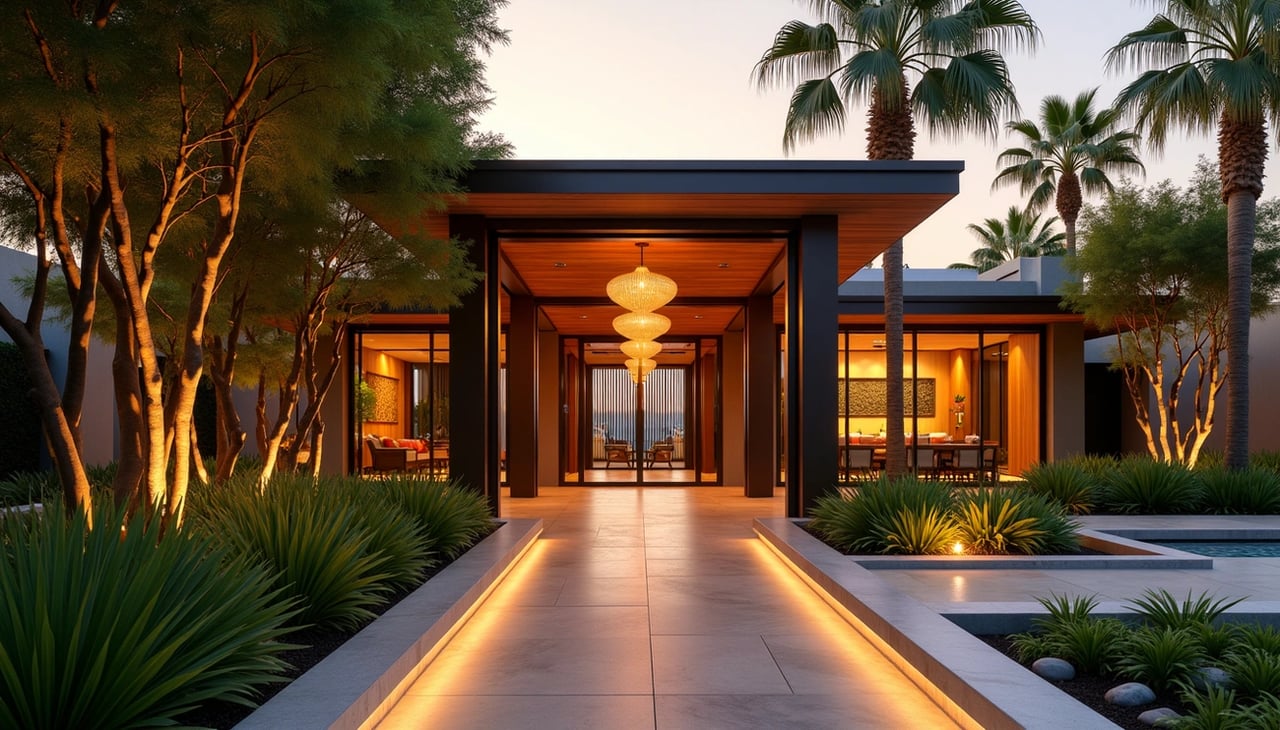
Hotel design concepts think about the full guest experience, starting at the site boundary. This shapes how spaces unfold and builds anticipation as guests move toward the property's heart. Architectural elements signal the point of arrival through portals, canopies, and framed views that create welcoming transitions and clear entry moments. Clear and intuitive movement remains crucial, whether guests arrive by car, on foot, or by boat. Transitions feel effortless from entry to check-in.
Sensory layering: sight, sound, scent, and texture
Hospitality design has prioritized the eye for years, yet modern travelers seek places that involve every sense. The industry remains trapped in ocular centrism and treats sound, scent, texture, and taste as afterthoughts rather than core design elements. Light, sound, scent, and texture layer together to create multi-sensory experiences that strike a chord and stay with guests. People are 100 times more likely to remember a scent than something they see, hear, or touch. Fragrance creates emotional memory in hospitality settings better than most tools.
Materiality and connection to place
Materials are chosen for their connection to place and their ability to evoke feeling. Texture, color, and finish work together to establish mood the moment a guest steps inside. Design teams conduct deep research into local culture for inspiration. They understand local materials, traditions, and historical context to create buildings with intrinsic connections to the local environment. The goal is never to regurgitate something already seen but to create new spaces that speak a similar language and find common ground where residents and guests feel comfortable.
Framing views and the power of the reveal
Arrival experiences often end in reveals—whether a courtyard, ocean view, or distant peak—designed to leave lasting impressions. Landscape integration becomes part of the experience, with planting, water, and natural materials guiding transitions around the property while reflecting the local environment.
Flow and intuitive wayfinding
The best wayfinding doesn't demand attention but guides through clear visual cues and flow in line with human instinct. Strategic placement at key decision points, including entrances and intersections, maximizes guest flow and reduces bottlenecks.
Bel Air Motor Courts: A Case Study in Arrival Excellence
The experience from street to entrance
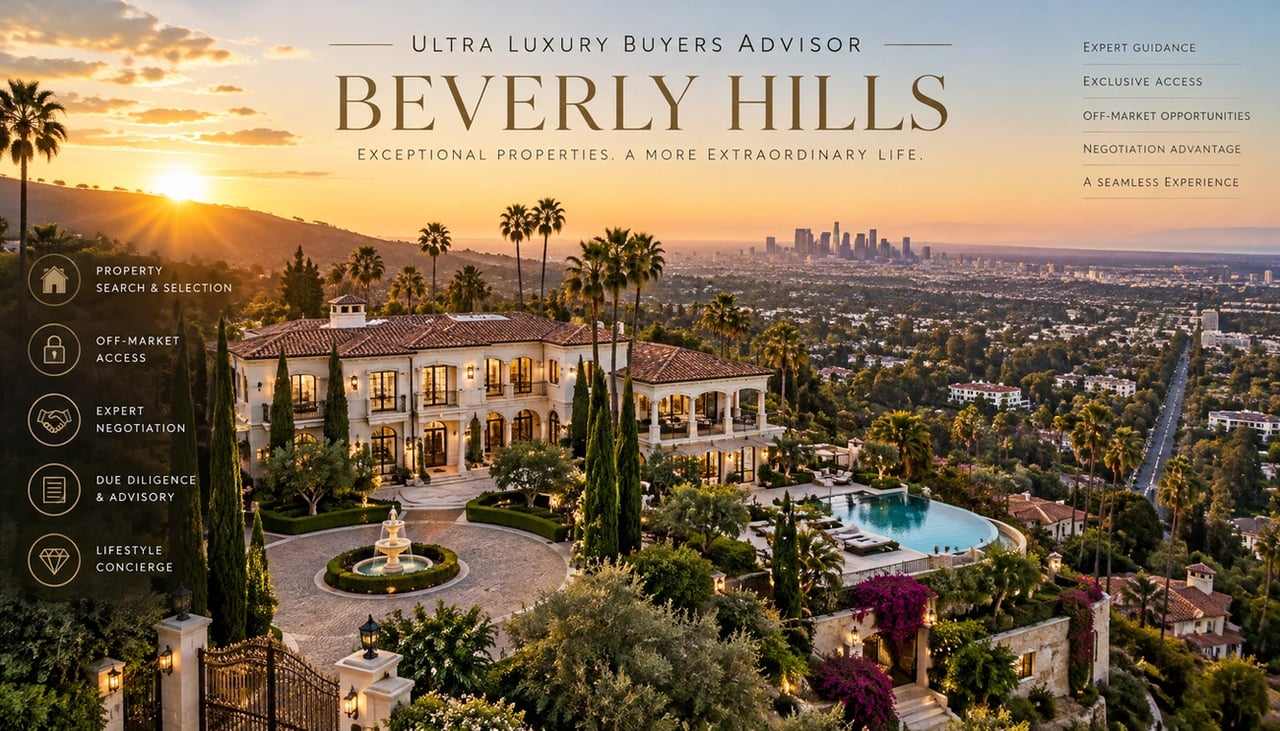
Luxury real estate in Los Angeles operates within private conversations where discretion carries as much weight as value. Properties like Bel Air estates reveal arrival strategies that inform hotel design concepts for those who understand this world. One estate features a circular stone-walled motor court below street grade. This offers privacy and drama from the outset. A grand stairway ascends past a 180-foot water wall from there and draws the eye and visitor toward the main entrance. Another notable property announces itself through a double-gated entry and sweeping motor court. Backlit onyx columns and reflecting pools compose an arrival sequence that signals separation from the city.
Material choices and cultural context
Materiality establishes emotional resonance the moment guests cross the threshold. The use of Caravela limestone and oak creates tonal warmth that softens contemporary silhouettes. Arrival pavilions incorporate materials and details that allude to cultural heritage while maintaining contemporary architectural language. The goal becomes creating a limestone sanctuary that offers a quiet, dignified transition from urban energy into timeless elegance.
How the arrival pavilion creates emotional transition
Water features function as connectors throughout arrival sequences. A 180-foot water wall establishes continuous dialog between architecture and landscape and culminates in a tranquil water garden that draws visitors forward. A central water feature with a circular opening symbolizes harmony and unity. It welcomes arrival while drawing guests into a peaceful courtyard environment. These spatial sequences create psychological separation from the exterior world.
Lessons from the decompression moment
Decompression represents the experience between arrival and entering a building. It allows time to cleanse one's mind of daily stresses. Successful arrival design slows frenzied traffic patterns to create transition moments. This phase happens over distance and incorporates original interpretation. It prepares visitors emotionally for their stay. The principle holds whether designing wellness retreats with landscaped paths and covered thresholds or urban properties where human scale at street level remains paramount.
Essential Elements to Design Hotel Arrival Spaces That Resonate
Everything in Designing Hotel Arrival Spaces That Appeal
Creating threshold moments that signal transformation
Arrival moments serve as thresholds to narrative and mark the inception of experiences that unfold within spaces. Portal-like structures with bridges, voids, or framing elements coordinate seamless transitions into narrative realms. An arrival sequence that crosses a threshold, experiences compression, then expansion looking onto a vista helps guests exhale and be present. Pathways increase their relation to landscape and building design and loop into central gravity points that create momentum of immersion.
Balancing technology with human connection
Automated check-ins reduce lobby congestion by 40%. Chatbots handle up to 60% of guest queries. Emotional intelligence remains irreplaceable in contrast. Excessive automation leads to reduced customer satisfaction and emotional disengagement. Guest satisfaction increases by 12% when AI supports rather than replaces human-centric service models. Staff freed from repetitive tasks focus on spontaneous, heartfelt gestures that technology cannot replicate.
Landscape integration along the arrival path
Entrance landscaping must make an effect within 10 seconds while withstanding wear from trolleys, foot traffic and environmental exposure. Native plants and specimen trees create a unique sense of place. Seasonal displays highlighting local traditions add to this. Biophilic design increases connectivity to the natural environment and shapes hospitality's future.
Lighting design for emotional effect
Normal illuminance brings the most comfort, followed by bright, then dim. Warm color brings more comfort than cool color. Warmer, brighter light creates stronger well-being and pleasure while reducing sleepiness. The interplay of lighting with shadow alters spaces and creates moods from serene to energizing.
Local art and storytelling
Art programs like 'Art of Arrival' transform static exhibitions into ongoing artistic collaboration where each arrival becomes a chance for inspiration. Properties featuring site-specific artworks by regional artists and rotating exhibitions encourage vibrant dialog. Guests highlight art as memorable stay aspects when pieces root design in local culture.
Conclusion
Arrival experiences define modern luxury hospitality because they shape every moment that follows. The most successful hotel room design ideas recognize that change begins at the threshold, not inside the suite. Properties that invest in thoughtful arrival sequences through materiality and sensory layering that allows emotional decompression—create lasting impressions that translate into guest satisfaction and loyalty. The lesson remains clear: design the experience, not just the destination.
Key Takeaways
Modern luxury hotels are shifting focus from room amenities to arrival experiences, recognizing that first impressions formed within seconds shape the entire guest stay and drive satisfaction scores.
• Arrival experiences now define luxury more than room features - guests choose transformative experiences over traditional amenities, making the entrance sequence crucial for emotional connection and revenue.
• Multi-sensory design creates lasting memories - layering sight, sound, scent, and texture throughout arrival spaces engages guests emotionally, with scent being 100x more memorable than visual elements.
• Threshold moments signal transformation - successful arrival design creates decompression sequences that psychologically separate guests from daily stress and prepare them for their hospitality experience.
• Local materiality and storytelling build authentic connection - incorporating regional materials, native landscaping, and site-specific art creates unique sense of place that resonates with modern travelers seeking cultural immersion.
• Technology must enhance, not replace, human connection - while automation can reduce lobby congestion by 40%, the most satisfying experiences balance digital efficiency with spontaneous, heartfelt human interactions.
The investment in thoughtful arrival sequences—from boundary to lobby—directly translates into guest satisfaction, positive reviews, and return bookings, proving that designing the journey matters as much as the destination.
FAQs
Q1. What makes arrival spaces more important than room design in luxury hotels? Arrival spaces create the critical first impression that shapes guest perception of the entire stay. Research shows that first impressions form within seconds and disproportionately influence overall satisfaction. Modern travelers prioritize transformative experiences over traditional room amenities, making the entrance sequence crucial for emotional connection, guest satisfaction scores, and ultimately revenue generation.
Q2. What are the essential components of an effective hotel arrival experience? An effective arrival experience includes several key elements: a thoughtful sequence from property boundary to lobby, multi-sensory design incorporating sight, sound, scent and texture, materials that connect to local culture, strategic framing of views for dramatic reveals, and intuitive wayfinding that guides guests naturally. These components work together to create threshold moments that psychologically transition guests from daily stress into their hospitality experience.
Q3. How does sensory design enhance the hotel arrival experience? Sensory layering engages guests emotionally through multiple touchpoints beyond just visual appeal. Scent proves particularly powerful—guests are 100 times more likely to remember a fragrance than something they see or hear. Combined with strategic lighting, textural materials, and ambient sound, this multi-sensory approach creates memorable experiences that resonate long after check-out and strengthen emotional connections to the property.
Q4. How should hotels balance technology with human interaction at arrival? While automation can reduce lobby congestion by 40% and chatbots handle up to 60% of guest queries, the most successful approach uses technology to support rather than replace human connection. AI and automated check-ins should free staff from repetitive tasks, allowing them to focus on spontaneous, heartfelt gestures that create emotional engagement. Properties that balance digital efficiency with genuine human interaction see 12% higher guest satisfaction scores.
Q5. Why is incorporating local culture important in arrival space design? Local materiality, native landscaping, and regional art create an authentic sense of place that modern travelers actively seek. Using materials connected to the destination's heritage, featuring site-specific artworks by local artists, and incorporating cultural storytelling transforms generic hotel lobbies into meaningful gateways to the community. Guests consistently cite these culturally-rooted design elements as memorable aspects of their stay, enhancing both satisfaction and loyalty.