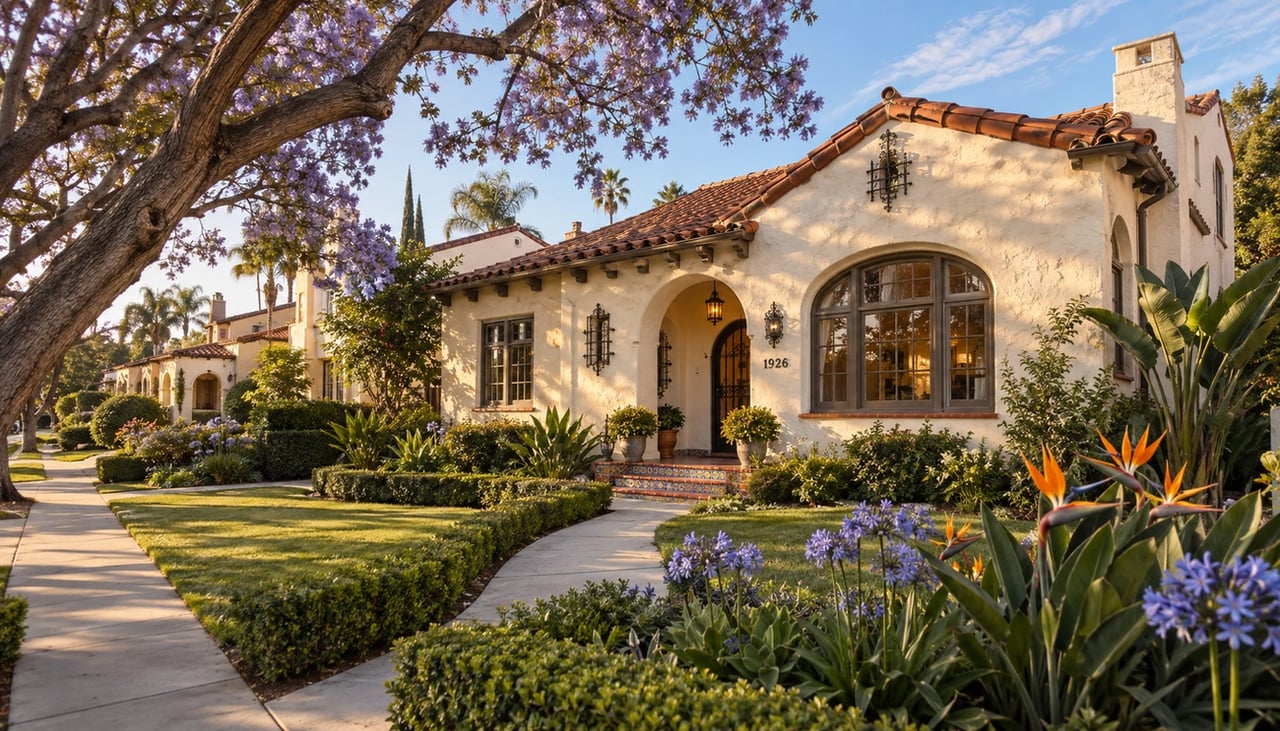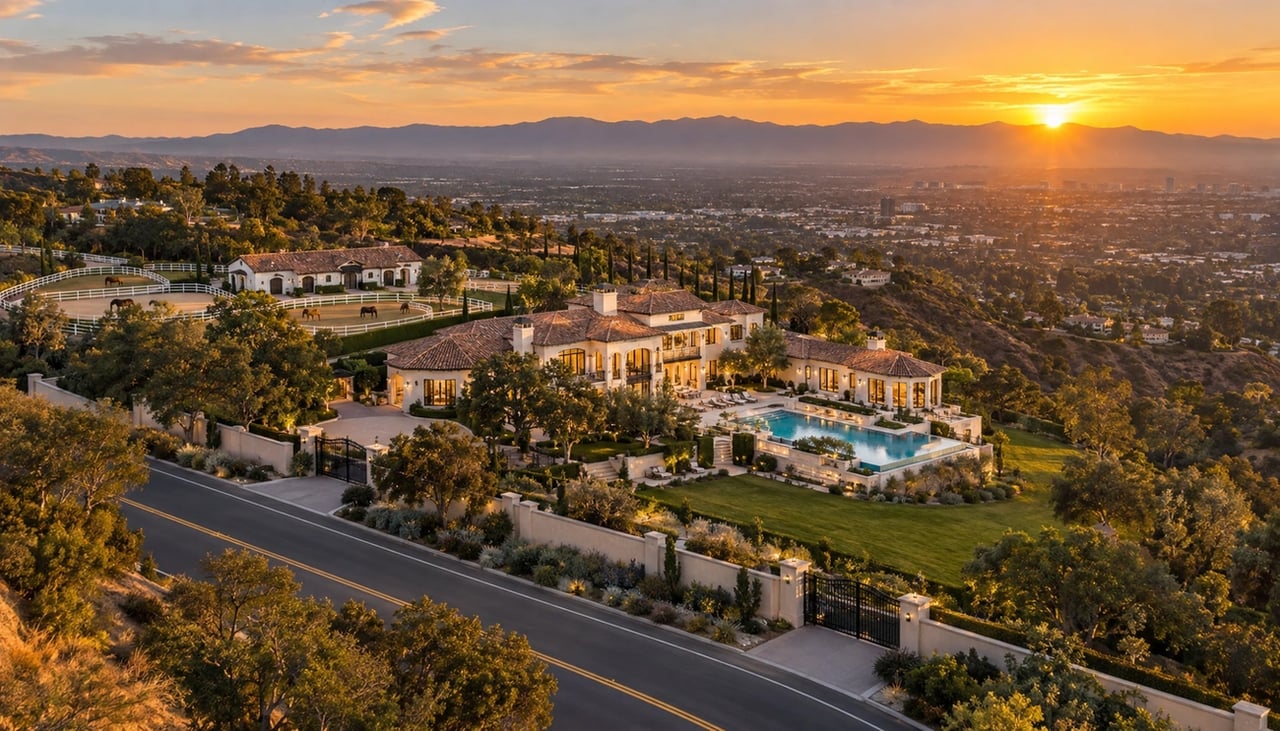
Is Brentwood California a wealthy area? The numbers suggest prosperity: a median household income of $121,000, home values averaging $785,000, and five-year appreciation of 26%. The city's population more than tripled from the mid-1990s to mid-2000s and averaged over 400 single-family permits annually in recent years. These metrics reveal only part of what makes living in Brentwood CA attractive to selective families. The most strategic buyers focus less on whether Brentwood CA is a rich area and more on layout efficiency and micro-location advantages. Understanding Brentwood a rich area, requires looking beyond wealth indicators to what shapes daily life and long-term value in this East Bay community.
Is Brentwood CA a rich area: what the numbers actually show
Median income and home values in context
The median household income in Brentwood stands at $142,494, with per capita income reaching $55,793. Household earnings sit roughly 30.5% above the California median. The median home value sits at $836,600, though active listings show a range with median list prices around $789,000. The price per square foot averages $361 and reflects the construction quality and lot sizes common in newer developments.
Homeownership reaches 82.2%, much higher than rental-heavy coastal markets. The poverty rate remains at 8.3%, about half the California average and two-thirds the rate in the broader San Francisco-Oakland-Fremont metro area. Single-unit homes comprise 94% of housing stock and show a suburban character. Households with incomes exceeding $200,000 represent 27% of the population, compared to 21% statewide.
Where Brentwood sits among Bay Area markets
Brentwood's price-to-income ratio is different from core Bay Area counties. San Francisco proper has a median home value of $800,000 paired with median income of $81,000 and creates a ratio near 10 to 1. Marin County shows $815,000 homes against $93,000 incomes, an 8.8 ratio. Santa Clara County maintains a 7.3 ratio, bolstered by tech salaries.
Brentwood's $836,600 median home value against $142,494 median income produces a ratio around 5.9 to 1, more favorable. But this doesn't place Brentwood among the wealthiest Bay Area suburbs. Los Altos shows average household income of $400,817, while even Moraga on the lower end registers $259,468. Brentwood's income levels reflect solid upper-middle-class stability rather than the concentrations of wealth found in established Peninsula and South Bay enclaves.
Why wealth metrics only tell part of the story
Income and home values reveal purchasing power but obscure what families experience. A $142,494 household income supports a different lifestyle in Brentwood than in Palo Alto or San Francisco, where comparable housing costs much more. Two $850,000 homes may offer vastly different daily utility based on layout efficiency and lot positioning. The 33.34-minute average commute shapes quality of life as much as square footage, yet appears in no valuation formula.
Why smart families choose layout over square footage in Brentwood
How daily flow shapes home value
Flow creates intuitive movement between spaces without congestion or awkward transitions. Thoughtful circulation reduces daily friction points and makes routine tasks effortless. Strategic window placement draws natural light through pathways and invites occupants to move through zones comfortably. Homes with clear sightlines and minimal hallways feel larger, whatever the square footage, as flow affects perceived spaciousness and comfort directly.
The cost of wasted space in newer builds
American homes now contain 31.9 million extra bedrooms, the highest level since the Census began tracking this metric in 1970. Average home size grew over 1,000 square feet since the 1970s, a 60% increase, while household size declined from 3.01 to 2.54 persons. Families pay to heat, cool, furnish and maintain rooms they rarely use. Poorly planned layouts waste space through awkward room shapes, long hallways and disconnected zones that don't support actual living patterns.
What functional design looks like on paper
Floor plans reveal whether square footage serves daily life or sits idle. Well-laid-out designs position high-traffic areas in a logical way, place bedrooms away from noise zones and create open flow between kitchen, dining and living spaces without sacrificing definition. Split-bedroom designs offer privacy for parents while keeping secondary bedrooms grouped. Flex rooms with doors adapt as families evolve and function as offices, playrooms or guest suites without major renovations.
Room placement that supports family routines
Kitchen islands that accommodate homework keep children visible during meal preparation and turn routine tasks into interaction points. Mudrooms near garages reduce clutter at entry pinch points. Bedroom clustering suits families with young children, while separated primary suites work better for households with teenagers. The right home makes all the difference for those who love to entertain. If you're thinking about a purchase in the near future or beginning your search, I'd be delighted to help you find spaces designed for refined living and effortless hosting. Christina Pope  310-404-9931
  [email protected]
Indoor-outdoor connection on usable lots
Sliding doors and strategic patio placement extend living space beyond interior walls. Cohesive flooring materials between indoor and outdoor areas create uninterrupted transitions that make modest homes feel expansive. Pass-through windows connect kitchens to outdoor entertaining zones without requiring guests to move through the house. Usable outdoor space functions as additional square footage for much of the year in Brentwood's climate, provided lot layout and home positioning support natural flow rather than forcing awkward access points.
What informed buyers look for beyond size
School access and boundary stability
Brentwood's growth creates uncertainty around school placement. The district states that while they guarantee placement within the district, they cannot guarantee placement at a neighborhood school. Attendance zones change as the community expands. Buyers must verify assignments by specific address rather than assuming proximity equals enrollment. Homes in top-performing districts sell 8 days faster and receive 26% more views than average listings. Over 30% of buyers aged 33-42 name school district quality as a main factor at the time of purchase. Boundary verification through official district tools prevents assumptions about where children will attend that can get pricey.
Lot utility and future flexibility
Usable acreage is different from total lot size. Properties advertised with larger parcels may contain unbuildable slopes or setback restrictions that limit expansion potential. Drainage easements also reduce what you can build. If you plan future additions, verify utility placements and septic capacity on rural lots before purchase. Check zoning allowances too.
Micro-location within Brentwood
Exact street placement determines school assignments, even within the same neighborhood. Two similar homes blocks apart may fall into different attendance zones. This affects resale value and how much people want the home. Micro-location also governs proximity to traffic flow and parks. Future development can alter livability over time.
Off-market opportunities and timing
Off-market properties reduce competition and eliminate bidding wars common in visible listings. Buyers gain negotiating power when fewer parties know about availability. This often means securing favorable terms unavailable in public markets.
How high-end Brentwood transactions actually work
Luxury real estate in Los Angeles isn't driven by headlines. The most important transactions unfold in trusted circles where discretion carries as much weight as value. Visibility takes a back seat to precision for those who understand this world, and timing is everything.
Why most important sales stay private
About 1 in 5 U.S. luxury homes sold off-market in 2023. In markets where privacy holds currency, over half of properties valued above £5 million changed hands without public advertising. High-net-worth individuals avoid listing platforms to prevent media attention and unwanted showings. They also want to avoid days-on-market scrutiny. Off-market sales eliminate open houses and protect security concerns. Sellers get control over who views the property.
Working with advisors who understand discretion
Platforms like Coldwell Banker Global Luxury connect sellers to networks spanning 40+ countries and 100,000+ top agents without MLS exposure. Advisors with existing buyer databases present properties only to vetted and financially qualified individuals. The right home makes all the difference if you love to entertain. If you're thinking about a purchase in the near future or beginning your search, I'd be delighted to help you find spaces designed for effortless hosting. Christina Pope 310-404-9931 [email protected]
Strategic positioning before listings go live
Exclusive Look™ allows agents to share upcoming properties with select networks before public launch. This creates urgency and stronger offers. Pre-market access lets sellers test pricing without public exposure and adjust without public price reductions.
Conclusion
Brentwood definitely qualifies as prosperous by income and home value standards, yet the families building lasting value here focus on what those numbers cannot capture. Layout efficiency and micro-location advantages shape daily life more than square footage totals, while school boundary stability adds another layer of consideration. The best opportunities emerge through advisors who understand these priorities and provide access to properties before public competition begins. Buyers recognize that wealth metrics reveal purchasing power, while thoughtful positioning determines value.
Key Takeaways
Smart families in Brentwood prioritize functional design and strategic positioning over raw square footage, understanding that layout efficiency creates more value than size alone.
• Brentwood's median income of $142,494 and home values around $836,600 create a favorable 5.9:1 price-to-income ratio compared to core Bay Area markets
• Functional layout trumps square footage—homes with efficient flow, proper room placement, and indoor-outdoor connections feel larger and support daily routines better
• School boundary verification is critical since Brentwood's growth creates shifting attendance zones that directly impact property values and resale potential
• Off-market transactions dominate luxury sales, with 1 in 5 high-end properties selling privately to avoid competition and maintain discretion
• Micro-location within Brentwood determines school assignments, traffic exposure, and future development impacts that shape long-term livability and value
The most strategic buyers work with advisors who understand these nuances and provide pre-market access to properties before public competition begins.
FAQs
Q1. What income level do you need to live in Brentwood, California? Brentwood's median household income is $142,494, which is about 30% above California's median. While homeownership typically requires substantial income to afford the median home value of $836,600, renting is more accessible with apartments starting around $2,200+ per month for studios or one-bedrooms.
Q2. How does Brentwood compare to other wealthy Bay Area neighborhoods? Brentwood offers a more favorable price-to-income ratio (5.9:1) compared to core Bay Area markets like San Francisco (10:1) or Marin County (8.8:1). However, it doesn't reach the wealth levels of top Peninsula suburbs like Los Altos, which has average household incomes exceeding $400,000. Brentwood represents solid upper-middle-class stability rather than extreme wealth concentration.
Q3. Why do families prioritize home layout over square footage in Brentwood? Efficient layouts create better daily flow and reduce wasted space, making homes feel larger and more functional regardless of total square footage. With American homes now containing nearly 32 million extra bedrooms, families recognize that poorly designed spaces cost money to maintain while adding little practical value. Strategic room placement, indoor-outdoor connections, and thoughtful circulation patterns support actual living routines better than raw size.
Q4. How important are school boundaries when buying in Brentwood? School boundaries are critical in Brentwood because the district cannot guarantee placement at neighborhood schools due to ongoing growth and shifting attendance zones. Homes in top-performing districts sell 8 days faster and receive 26% more views. Buyers must verify school assignments by specific address rather than assuming proximity equals enrollment, as properties just blocks apart may fall into different zones.
Q5. Why do luxury homes in Brentwood often sell off-market? Approximately 1 in 5 luxury homes in the U.S. sold privately in 2023, with even higher rates in premium markets. Off-market sales provide privacy, eliminate unwanted showings and media attention, reduce competition, and give sellers control over who views their property. Buyers gain negotiating leverage and access to properties before public competition begins, often securing more favorable terms.