Smart home technology is reshaping luxury real estate valuations, with properties commanding significant premiums when equipped with the right systems. Here's what luxury homeowners need to know:
• Smart homes sell faster and command higher prices: Properties with smart technology sell up to 35% faster and command premiums of 3-5%, with some luxury markets seeing price increases of 15-30% over comparable traditional homes.
• Professional integration matters more than features: Enterprise-grade systems from Crestron, Control4, or Savant with CEDIA-certified installation deliver higher ROI than DIY consumer devices, as unified control and reliability drive buyer confidence.
• Security, climate, and automation lead value creation: Integrated security systems, smart HVAC with zoning capabilities, and whole-home automation consistently rank highest for return on investment in luxury markets.
• Evaluate existing systems carefully before purchase: Pre-installed smart technology requires professional assessment for compatibility, transfer considerations, and functionality—well-maintained professional systems justify premiums while complex DIY installations warrant price reductions.
• Avoid fragmentation and obsolescence risks: Properties with multiple incompatible apps, proprietary platforms from smaller companies, or systems requiring professional programming for basic functions can actually hurt resale value.
The bottom line: Strategic smart home investments focused on professional integration, unified control, and proven platforms enhance both daily living and long-term property value in luxury markets.
Smart home technology real estate markets are experiencing a transformation. 77% of millennials will pay more for homes equipped with smart features. Properties with smart technology sell up to 35% faster and command premiums of 3-5% compared to homes without these features. This growing need means luxury homeowners face decisions about which smart real estate technology investments improve value. Understanding whether existing smart home real estate listings justify their premium pricing matters just as much. This piece gets into how smart technology in real estate affects property valuations and which features deliver the highest returns. We also explore whether buying a house with pre-installed systems makes sense in today's competitive luxury market.
How Smart Home Technology Is Transforming Luxury Real Estate in Los Angeles
Smart home technology is reshaping luxury real estate in Los Angeles, with buyers placing greater value on homes that combine intelligent automation, advanced security, energy efficiency, and wellness-focused living. Across prestigious neighborhoods including Beverly Hills, Bel Air, the Bird Streets, Brentwood, Malibu, Pacific Palisades, Hidden Hills, and Hollywood Hills, professionally integrated smart home systems are becoming a defining feature of today's luxury homes and an important factor in long-term property value.
In Beverly Hills and Bel Air, buyers expect seamless integration of lighting, climate control, security, entertainment, and wellness technology that enhances both convenience and privacy. The Bird Streets remain highly sought after by entrepreneurs, technology executives, entertainers, and international buyers looking for architectural homes equipped with cutting-edge smart home features. Brentwood continues to attract families and professionals who appreciate luxury homes that combine sustainable design with intelligent automation and energy-efficient living.
Along the coast, Malibu luxury homes are increasingly incorporating whole-home automation, solar power, battery backup systems, climate monitoring, and remote property management to complement the coastal lifestyle while protecting valuable investments. As Pacific Palisades rebuilds, many new custom homes are being designed with next-generation smart infrastructure, including wildfire monitoring, resilient energy systems, and integrated wellness technology. Meanwhile, Hidden Hills buyers are investing in expansive estates featuring advanced security, gated entry automation, guesthouse controls, and smart equestrian amenities, while Hollywood Hills continues to attract buyers seeking modern luxury homes where technology enhances panoramic living, entertainment, and everyday comfort.
As luxury homebuyers become more technology-focused, professionally integrated smart home systems are no longer viewed as optional upgrades they are becoming an expected feature in Los Angeles luxury real estate. Homes that successfully combine innovative technology with timeless architecture are increasingly attracting stronger buyer demand, commanding premium prices, and delivering greater long-term investment value.
How Smart Technology in Real Estate Affects Luxury Property Values
"79% of those looking to move homes want a smart home – and many are willing to pay extra for it." — Samsung, Technology Company
The valuation gap between smart-enabled and traditional luxury properties has widened by a lot. Research from Lekki, Lagos State shows smart-enabled homes attract price premiums ranging between 15% and 30% over comparable traditional houses. Homes with integrated smart security and energy systems sold at an average premium of 20-35% compared to traditional homes in the United States. These figures reflect a fundamental move in how affluent buyers assess property worth.
Why Luxury Buyers Prioritize Smart Home Features
Affluent buyers seek smart technology for reasons that extend beyond convenience. Luxury buyers want tech that frees mental space and creates home environments that respond to mood and rhythm. Security ranks among the top priorities. Buyers request behavioral AI that learns normal patterns and predictive surveillance that flags anomalies. They also want systems that integrate door access, lighting and camera events. One estate valuer noted that clients are willing to pay much more if a property guarantees both safety and efficiency through integrated technologies.
Aging-in-place capabilities have emerged as an unexpected trend. Buyers request automated lighting, fall detection and health monitoring integration. They also want remote caregiver access modes. Energy efficiency remains attractive, especially when you have smart grid integration, energy storage and water usage tracking with automated irrigation.
The Premium Difference: Standard vs. Luxury Smart Installations
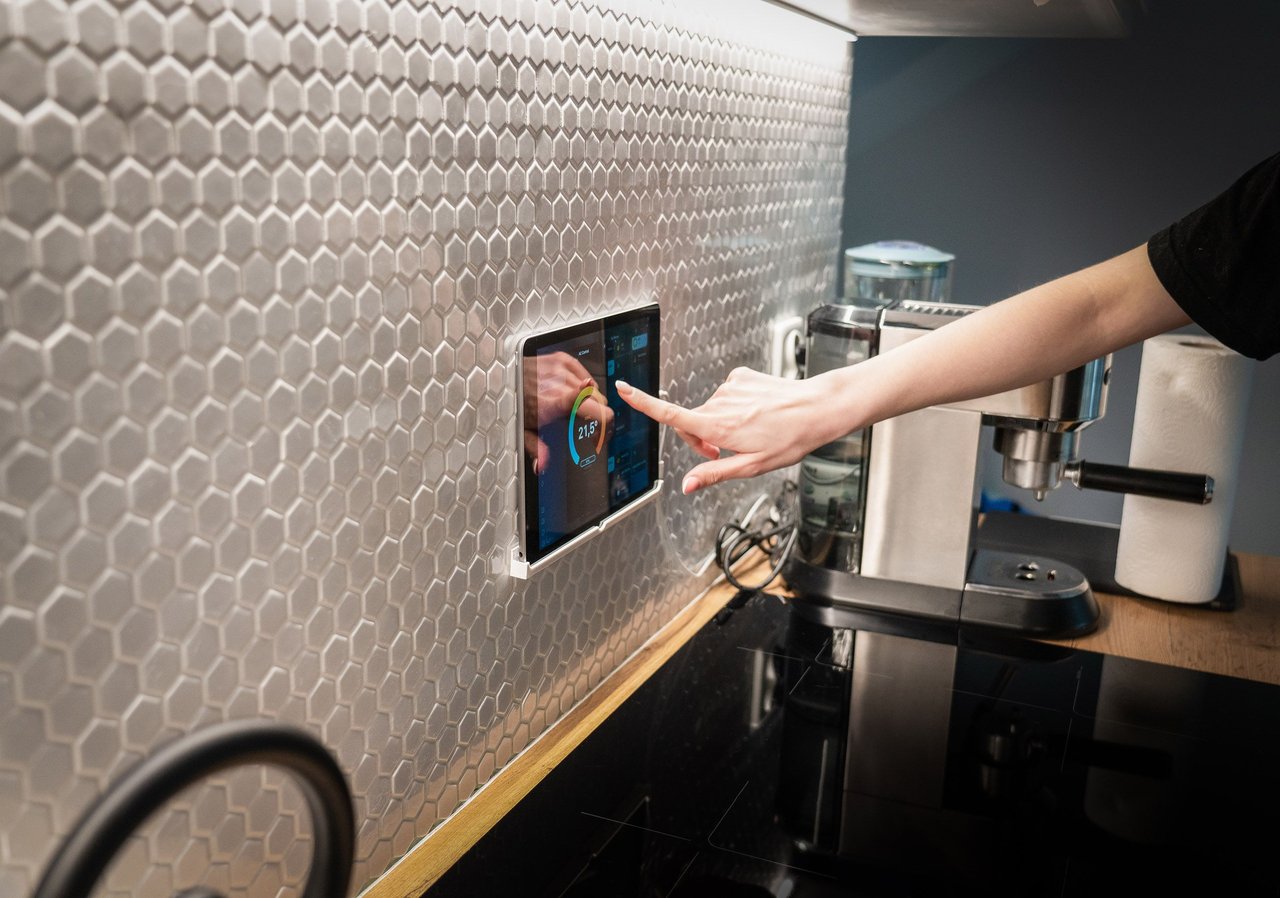
Luxury smart home systems differ from standard installations in fundamental ways. High-end systems employ wired architecture with customized configurations. Standard homes rely on wireless connectivity through WiFi, Thread or Zigbee. Control methods separate the two categories. Luxury installations feature centralized invisible controls with high-end touch screens or custom keypads. App-based controls are common in standard systems.
Integration level marks the biggest difference. Luxury systems provide total integration of lighting, climate, AV, HVAC, security and pool controls. Standard systems offer partial or disparate functionality. AI-driven proactive automation in luxury homes learns and adjusts on its own. Standard systems remain reactive and scheduled. Brands reflect this divide: luxury systems feature Crestron, Savant and Josh.ai, while standard installations use Amazon Alexa, Google Nest or Apple HomeKit.
Market Data on Smart Home Real Estate Listings Performance
Market performance data supports the premium pricing trend. A survey by Samsung found that 79% of those looking to move homes want smart features. UK homebuyers are willing to pay an average premium of 7.7% on house prices. Properties with smart security systems experienced a 5% value increase. Those with smart thermostats saw a 3% increase. Homes equipped with smart products can sell for up to 5% higher than comparable homes without them. 81% of home buyers favor properties with smart technology already in place.
The National Association of Home Builders found that 46% of builders have increased adoption of home automation technologies in new homes. Nearly 69% of U.S. households owned at least one smart device by 2020.
High-Value Smart Real Estate Technology Features for Luxury Homes
Certain smart real estate technology features consistently outperform others at the time properties enter luxury markets. Homeowners who understand which installations justify their costs can make strategic upgrade decisions.
Integrated Security and Access Control Systems
AI-powered surveillance cameras now provide facial recognition and motion detection that reduces false alarms and keeps perimeters secure. Biometric locks eliminate traditional key vulnerabilities through fingerprint and retina scanning, with multi-factor authentication adding protection layers. Mobile apps allow property oversight from any location through remote monitoring, while encrypted access logs track all entry and exit activity. Professional monitoring services integrate alarms with lighting activation and lockdown protocols for complete threat response.
Advanced Climate Management and Energy Solutions
Zoned HVAC systems control temperature independently across different home areas and eliminate wasted conditioning in unused spaces. Smart thermostats reduce heating and cooling costs by an estimated 10-15% annually compared with manual operation. Variable-speed systems make precise adjustments rather than cycling on and off. They keep comfort levels consistent. Air quality monitoring detects allergens and volatile organic compounds and triggers automated filtration responses when levels spike.
Smart Lighting and Automated Window Treatments
Motorized interior insulating shades lower daily energy use by as much as 20.5%, with automated controls offering higher efficiency gains. Custom motorized shades integrate with smart home systems through smartphone, tablet, or central hub control. Automated schedules respond to seasonal changes and time-of-day sunlight variations. Circadian lighting systems shift intensity and color temperature throughout the day to support natural sleep-wake rhythms.
Water Management and Leak Prevention Systems
Ten percent of homes have leaks that waste 90 gallons or more daily. Water damage claims average $12,514 per incident. Smart leak sensors placed near water heaters, washing machines, and under sinks send instant smartphone alerts when moisture appears. Whole-home water monitors track flow through pipes and detect abnormal pressure loss. Smart shutoff valves automatically cut water supply when leaks occur and prevent extensive damage during owner absences.
Whole-Home Automation and Control Hubs
Unified control platforms bring lighting, HVAC, audiovisual, shading, and security together through single interfaces. Professional-grade installations often center on Crestron, Control4, and Lutron ecosystems chosen for integration depth. Scene-based control allows "Goodnight" commands to set shades, adjust thermostats, arm security, and confirm door locks simultaneously. Structured wiring with hardwired Ethernet and fiber provides reliability for video streams, security footage, and multi-room audio.
Premium Kitchen and Appliance Integration
AI-driven ovens identify dishes being prepared and adjust cooking times and temperatures automatically. Smart refrigerators with AI-powered freshness monitoring detect gasses from ripening fruits and adjust internal conditions. WiFi-enabled appliances connect through platforms like Miele@home and LG ThinQ and offer remote control, recipe access, and performance insights. Voice assistant integration with Amazon Alexa or Google Assistant enables hands-free appliance operation.
Smart Home Real Estate: What Adds Value vs. What Doesn't
Not all smart home installations deliver equal returns when properties reach the luxury market. You need to understand which features justify investment versus which detract from value. This determines whether upgrades strengthen or weaken sale positions.
Features That Command the Highest ROI in Luxury Markets
Whole-home automation systems that integrate lighting, climate, security and entertainment consistently rank highest for value effect. Smart lighting and motorized shades deliver daily benefits and reduce energy consumption. Professional security installations with AI-powered surveillance and integrated alarm systems provide both safety and appeal. Entertainment systems feature whole-home audio and theater rooms that enhance lifestyle value. Energy solutions include smart thermostats and solar with battery storage. These cut electricity bills by 50-100% and appeal to sustainability-focused buyers.
Technologies That Appeal to High-End Buyers
Affluent buyers prioritize systems from Crestron, Savant, Control4 and Josh.ai for their unified control and professional integration. CEDIA-certified integrators provide customized installations that minimize disruption risks. Centralized control through universal remotes and touch screens eliminates multiple app dependencies. Hidden speakers, in-wall panels and designer faceplates maintain esthetic integrity.
Smart Home Upgrades to Avoid in Premium Properties
DIY or mismatched devices create system failures that can devalue properties. Systems that need professional programming for basic changes become expensive maintenance burdens. Proprietary platforms from smaller companies risk losing support. Extensive automation with complex interfaces for essential functions like lighting creates daily frustrations.
When Complex Systems Hurt Resale Value
Single points of failure in highly integrated systems can cause catastrophic malfunctions. Technology obsolescence affects proprietary systems within short timeframes. Homes where basic operations demand specific apps or technical knowledge intimidate buyers and reduce marketability. Systems tied to specific monitoring contracts or subscription services create transfer complications.
Is It Smart to Buy a House With Existing Smart Technology: A Luxury Buyer's Perspective
Purchasing a property with pre-installed smart home technology real estate systems requires careful review beyond surface-level demonstrations during showings.
Reviewing Pre-Installed Smart Home Systems
Legal differences matter by a lot when you assess pre-installed systems. Components permanently attached to the property qualify as immovable property by incorporation and transfer with the sale. These include built-in cabling, integrated lighting systems and fixed control panels. Standalone or movable components like wireless sensors and detachable devices remain movable property unless you explicitly include them in sales agreements. Buyers should specify each component's status in purchase contracts to avoid disputes at closing.
Systems installed by certified CEDIA integrators typically offer better reliability than DIY installations. Professional installation relates to higher satisfaction. Professionally installed smart cameras earn Net Promoter Scores of 49 versus 41 for self-installed units.
Transfer and Compatibility Considerations
Technological fragmentation creates substantial compatibility challenges across smart home ecosystems. Multiple protocols increase consumer confusion when you integrate existing devices. Gateway manufacturers maintain compatible device lists and force owners to use multiple hubs when devices lack support. Matter-certified devices address this fragmentation through standardized communication protocols.
Account transfers require factory resets for all internet-connected devices to protect privacy. Subscription services must be transferable or cancellable. All documentation should be provided at closing.
Professional Assessment of Smart Infrastructure
Hiring technology specialists to review system functionality, installation quality and potential replacement costs is a great way to get significant insight before purchase. Professional integrators ensure unified control systems that eliminate multiple app requirements.
Negotiating Price Based on Smart Features
Well-functioning systems justify higher offers. Malfunctioning or overly complex installations warrant price reductions. Properties with professionally installed Control4 or Crestron systems that remain current and managed to keep in good condition qualify as assets. Loosely connected consumer-grade devices across different apps do not.
Ready to Maximize Your Home's Value?
Whether you're buying, selling, or upgrading a luxury home, the right smart home technology can make a meaningful difference in both everyday living and long-term property value. Knowing which features today's luxury buyers truly value can help you make smarter real estate decisions.
If you're considering buying or selling a luxury home in Los Angeles, I'd be happy to provide a confidential consultation and personalized market insights to help you maximize your investment. Christina Pope Senior Global Real Estate Advisor 📞 310-404-9931 📧 [email protected]
Conclusion
Smart home technology delivers measurable value in luxury real estate markets, especially when professional installers blend security, climate and automation systems naturally. Properties with enterprise-grade platforms like Crestron or Control4 justify their premiums. DIY installations often create complications that reduce appeal.
Focus on professional integration quality rather than feature quantity when upgrading an existing property or evaluating a smart-enabled listing. The right systems improve daily living and property value at the same time.
FAQs
Q1. Do smart home features actually increase property value? Yes, smart home features can significantly increase property value. Research shows that smart-enabled homes can command price premiums ranging from 15% to 30% over comparable traditional houses. Properties with integrated smart security and energy systems have sold at premiums of 20-35% in the United States. Homes equipped with smart products can sell for up to 5% higher than comparable homes without them, and 81% of home buyers prefer properties with smart technology already installed.
Q2. Which smart home features provide the best return on investment? Whole-home automation systems that integrate lighting, climate, security, and entertainment consistently deliver the highest ROI. Smart lighting and motorized shades reduce energy consumption while providing daily benefits. Professional security installations with AI-powered surveillance rank highly for value impact. Smart thermostats and energy solutions can reduce heating and cooling costs by 10-15% annually. Entertainment systems with whole-home audio and theater rooms also enhance property value significantly.
Q3. What smart home upgrades should luxury homeowners avoid? Homeowners should avoid DIY or mismatched devices that create system failures and can devalue properties. Systems requiring professional programming for basic changes become expensive maintenance burdens. Proprietary platforms from smaller companies risk becoming unsupported over time. Extensive automation requiring complex interfaces for essential functions like lighting creates daily frustrations and can hurt resale value.
Q4. What should buyers look for when purchasing a home with existing smart technology? Buyers should verify whether smart components are permanently attached (like built-in cabling and integrated lighting) or movable (like wireless sensors). Systems installed by certified CEDIA integrators typically offer better reliability than DIY installations. It's important to assess compatibility across different smart home ecosystems and ensure all internet-connected devices can be factory reset for privacy. Professional assessment of system functionality and installation quality is recommended before purchase.
Q5. How do luxury smart home systems differ from standard installations? Luxury systems use wired architecture with customized configurations, while standard homes rely on wireless connectivity. High-end installations feature centralized invisible controls with custom touch screens or keypads, compared to app-based controls in standard systems. Luxury systems provide total integration across all home functions with AI-driven proactive automation that learns and adjusts automatically. They typically feature premium brands like Crestron, Savant, and Josh.ai, rather than consumer-grade options like Amazon Alexa or Google Nest.