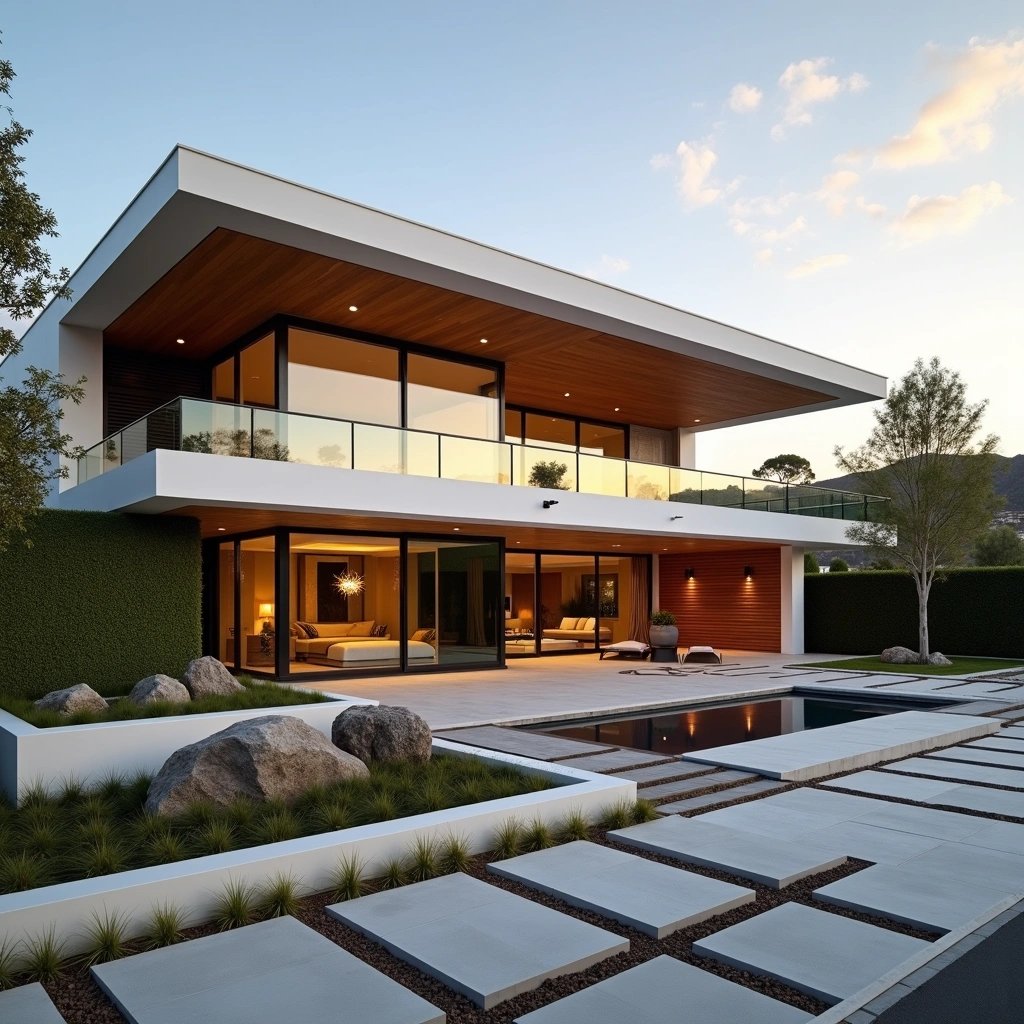
The luxury home trend in 2026 reveals a fundamental change in what defines premium real estate. High-end properties saw an increase by 23% from 2024 to 2025. Buyers just needed larger properties that offered privacy and room for expansion. Bedrooms and bathrooms emerged as the most critical feature. 37.4% of luxury buyers thought about this as non-negotiable. Smart home technology has evolved from a novel addition to a fundamental expectation in the premium market.
The luxury real estate market now operates on different principles than traditional metrics suggest. Understanding what makes home value go up extends beyond location and square footage to cover integrated technology, wellness features and climate resilience. These luxury real estate trends reflect how the luxury housing market is redefining premium living for buyers.
The New Definition of Luxury: Technology Meets Discretion
Integrated Smart Systems Beyond Simple Automation
Fragmented smart devices cluttering multiple apps no longer meet expectations for premium properties. Luxury estates in 2026 require enterprise-grade unified control systems that arrange every function through a single interface. Platforms like Savant, Control4, and Home Assistant unite architectural lighting, automated window treatments, multi-zone climate control, and whole-home audio into one elegant application.
The critical difference lies in infrastructure. True integration exists behind walls, not on countertops. High-performance estates demand hardwired systems with fiber optic and Cat7 data networks, Power over Ethernet for security cameras, and dedicated tech closets housing network switches and smart home hubs. Wireless solutions fail in sprawling properties with thick walls and dozens of connected devices. So builders engineer these systems during original framing stages and embed heavy-gage conduit for reliable perimeter security, future solar arrays, and whole-home battery backup.
Sophisticated Security and Access Control
Security technology adoption surged 151% from 2019 to 2023 among smart home categories. High-end properties now feature AI-powered surveillance systems that distinguish between people, animals, and vehicles to reduce false alarms. Facial recognition cameras identify family members versus strangers approaching the property. Smart locks provide accountability through detailed entry logs and eliminate risks associated with physical keys.
Biometric access control extends beyond entry points. Fingerprint and retina scanners secure wine rooms and private spaces, with multi-factor authentication combining biometrics with digital passcodes. Advanced systems integrate with emergency protocols and automatically activate lockdown procedures while alerting authorities during confirmed breaches.
Home Technology That Boosts Privacy
Protection in luxury real estate extends beyond physical security to data privacy. Privacy-boosting technologies employ encryption methods that prevent companies from accessing individual user data. Nearly half the population in the European Union and over 60% in Canada and the Netherlands now use anti-tracking software and selective disclosure tools.
Automated window coverings respond to occupancy patterns and time of day, providing privacy without manual intervention. Soundproofing integrations and sophisticated access management ensure residents maintain discretion. The most compelling installations remain invisible, with intelligence disappearing into architectural elements rather than demanding attention.
Health and Wellness as Non-Negotiable Luxury Home Trends 2026
Indoor Environmental Quality Systems
Wellness-conscious buyers now just need medical-grade air purification integrated into HVAC infrastructure. EPA findings show that indoor pollution can be 2-5 times worse than outdoor air. Advanced monitoring systems track six critical pollutants: PM2.5, PM10, carbon dioxide, nitrogen oxides from gas appliances, and volatile organic compounds released by solvents and household products. MERV 13+ filters remove all harmful particulates, while UV-C light purifiers neutralize bacteria and mold spores within ductwork.
Low-VOC paints and formaldehyde-free cabinetry eliminate toxic off-gassing that persists for years after installation. Energy Recovery Ventilators refresh indoor air without energy waste. They address the inadequate ventilation that traps moisture and creates mold conditions.
Biophilic Design Elements and Natural Materials
Research shows that exposure to biophilic environments produces a 15% increase in well-being and creativity. Natural materials including wood, stone, organic cotton, and wool regulate humidity while holding fewer allergens than synthetic alternatives. Living walls and indoor gardens purify air while engaging multiple senses. Studies show people spend more time in rooms featuring biophilic elements.
Fitness and Recovery Spaces
Recovery rooms represent the development beyond traditional home gyms. Contrast therapy pairing infrared saunas with cold plunge pools drives current installations, with complete systems ranging upward of $30,000. Professional installations include whole-body vibration platforms, red light therapy panels, and hyperbaric chambers supporting rehabilitation and longevity goals.
Mental Wellness and Quiet Zones
Soundproofed meditation rooms employ acoustic panels and specialized insulation to eliminate mechanical noise. Research confirms that 86% of respondents believe mental health should be prioritized in building design. Designated quiet zones feature soft lighting, natural materials, and ergonomic seating positioned away from high-traffic areas.
Sleep Optimization Features
Circadian lighting systems adjust color temperature throughout the day. They deliver cool daylight hues for alertness and warm evening tones that support natural melatonin production. Programmable systems synchronize with biological rhythms and improve sleep quality and cognitive function.
Climate Consciousness in the Luxury Housing Market
Climate considerations now drive purchasing decisions in ways that would have seemed unlikely even three years ago. The 2023 calendar year recorded 28 weather and climate disasters across the United States, each resulting in damages exceeding $1 billion. Combined losses reached $93.1 billion. Therefore, resilience has transitioned from optional upgrade to baseline expectation in premium properties.
Energy Production and Storage Solutions
Solar installations paired with battery storage systems represent the current standard for high-end construction. The Investment Tax Credit for Battery Energy Storage Systems maintains a 30% rate through 2033. The energy storage market in the United States is projected to reach $8.2 billion by 2025. Grid-scale batteries are expected to surge from 28 GW in 2022 to nearly 970 GW by 2030.
Home battery systems cost around $15,000 for 13.5 kWh of storage capacity before incentives. Lithium-ion batteries factored in 83% of energy storage capacity as of 2016 and offer homeowners a way to store surplus solar production during daylight hours. They can deploy it during peak-rate evening periods or grid failures.
Sustainable Materials Without Esthetic Compromise
Bamboo flooring matures in five years compared to decades required for traditional hardwoods and provides moisture resistance suited to humid climates. Metal roofing systems exceed 50-year lifespans while reflecting solar heat to reduce cooling costs. They are recyclable at the end of life. Insulated Concrete Forms deliver energy efficiency coupled with structural integrity against hurricanes and flooding events common in coastal markets.
Water Systems and Drought Resilience
WaterSense-labeled toilets save 13,000 gallons per household each year. Advanced systems incorporate rainwater harvesting and greywater recycling that manage stormwater runoff. Drought-resistant landscaping reduces irrigation demands without sacrificing visual appeal.
Future-Proofing Against Climate Events
Resilient construction techniques produce structures better equipped to withstand disasters and long-term climate shifts. 65% of U.S. counties have not implemented modern building codes, creating a chance for properties built beyond minimum standards. Hardened homes command lower insurance rates and favorable mortgage terms. They may even fetch higher resale values.
Lifestyle Flexibility and Multigenerational Appeal
Household composition shifts faster than real estate cycles can accommodate. 59% of Americans in their 50s and 83% of those 60 and older now support both aging parents and adult children financially.
Adaptable Floor Plans for Changing Needs
Floor plans designed with structural flexibility allow spaces to redefine without expensive renovation. Studies that convert to bedrooms with French door additions address evolving household needs. Bonus rooms transition from teen hangouts to second living areas. Dining rooms double as offices.
Luxury Guest Accommodations and Separate Quarters
Casitas provide detached living spaces accessed through courtyards or side yards. Privacy remains intact for both residents and guests. These accessory dwelling units function as guest accommodations or multigenerational housing for aging parents and adult children. They repurpose over time as flexible spaces.
Professional-Grade Home Offices
Dedicated workspaces require acoustic separation from living areas and business-grade internet with whole-home coverage. Ergonomic surfaces support extended sessions. Doorable zones positioned for natural light prevent household activity from disrupting video calls.
Indoor-Outdoor Entertainment Spaces
Folding glass doors create continuous transitions between interior and exterior zones. Outdoor kitchens with grills, prep areas and refrigeration extend living areas without adding square footage. Covered dining spaces pair with these features. The right home makes all the difference for those who love to entertain. If you're thinking about a purchase in the near future or beginning your search, I'd be delighted to help you find spaces designed for lifted living and effortless hosting. Christina Pope  310-404-9931
  [email protected]
Service and Staff Quarters
Staff accommodations now function as self-contained suites with private entries. Overlap with principal households reduces while operational efficiency gets support.
Conclusion
Luxury real estate in 2026 goes way beyond traditional metrics. Smart integration and wellness infrastructure now define premium properties in ways that location and square footage alone cannot capture, while climate resilience and lifestyle adaptability add another dimension. Buyers who navigate this evolved market find the most strategic opportunities through private conversations rather than public listings. Understanding these changes helps discerning buyers identify properties engineered for both current expectations and future needs. This matters especially when market conditions reward those who recognize value before it becomes obvious.
Key Takeaways
Luxury home buyers in 2026 prioritize sophisticated technology, wellness features, and climate resilience over traditional metrics like location and square footage alone.
• Technology integration is now essential: Enterprise-grade unified control systems with hardwired infrastructure replace fragmented smart devices, while AI-powered security and biometric access control become standard expectations.
• Health and wellness drive purchasing decisions: Medical-grade air purification, biophilic design elements, recovery spaces with saunas and cold plunge pools, and circadian lighting systems are non-negotiable features.
• Climate resilience commands premium value: Solar-battery systems, sustainable materials, drought-resistant landscaping, and disaster-resistant construction protect investments while reducing operating costs.
• Flexible living spaces accommodate changing needs: Adaptable floor plans, luxury guest quarters, professional home offices, and multigenerational accommodations address evolving household compositions and lifestyle demands.
The luxury market has fundamentally redefined premium living, with buyers willing to pay significantly more for properties that integrate advanced technology, promote wellness, withstand climate challenges, and adapt to changing family dynamics. These features now determine property value and desirability more than traditional square footage calculations.
FAQs
Q1. What features do luxury home buyers prioritize in 2026 beyond location and size? Luxury buyers now prioritize integrated smart home systems, wellness infrastructure including air purification and biophilic design, climate-resilient features like solar-battery systems, and flexible floor plans that accommodate multigenerational living and changing household needs.
Q2. How has smart home technology evolved in luxury properties? Smart home technology has moved from basic automation to enterprise-grade unified control systems with hardwired infrastructure. These systems integrate lighting, climate control, security, and audio through a single interface, with AI-powered surveillance, biometric access control, and privacy-enhancing features becoming standard expectations.
Q3. Why are wellness features considered non-negotiable in luxury homes? Wellness features address growing health consciousness among buyers. Medical-grade air purification systems, natural materials that regulate humidity, dedicated fitness and recovery spaces with saunas and cold plunge pools, soundproofed meditation rooms, and circadian lighting systems that optimize sleep quality are now essential components of premium properties.
Q4. How does climate resilience impact luxury home values? Climate resilience has become a baseline expectation due to increasing weather disasters. Properties with solar-battery systems, sustainable materials, drought-resistant landscaping, and disaster-resistant construction command lower insurance rates, favorable mortgage terms, and higher resale values while reducing long-term operating costs.
Q5. What design elements support multigenerational living in luxury homes? Luxury homes now feature adaptable floor plans that can be reconfigured without major renovation, detached casitas or accessory dwelling units for privacy, professional-grade home offices with acoustic separation, indoor-outdoor entertainment spaces, and self-contained staff quarters with private entries to accommodate changing family dynamics.