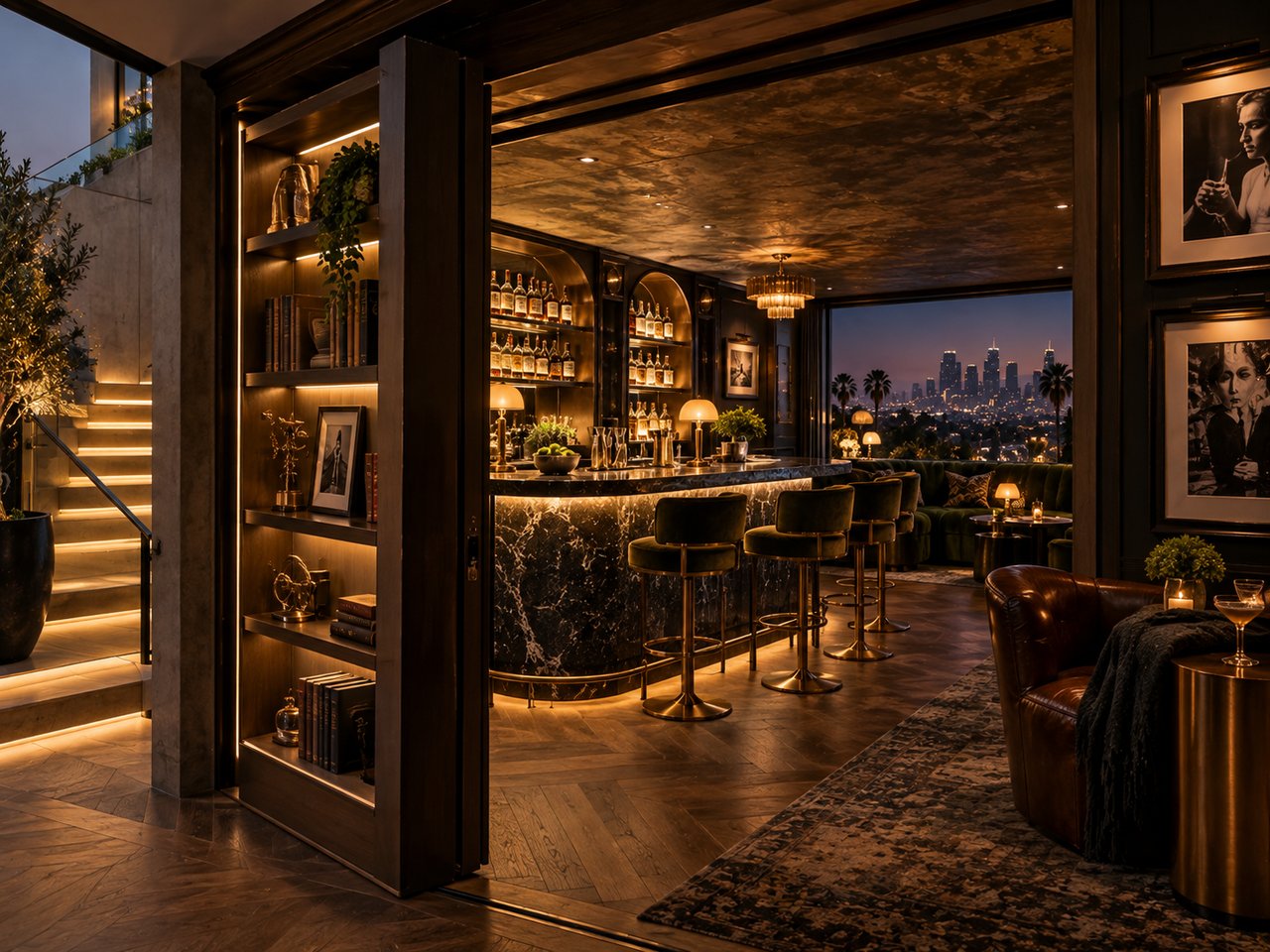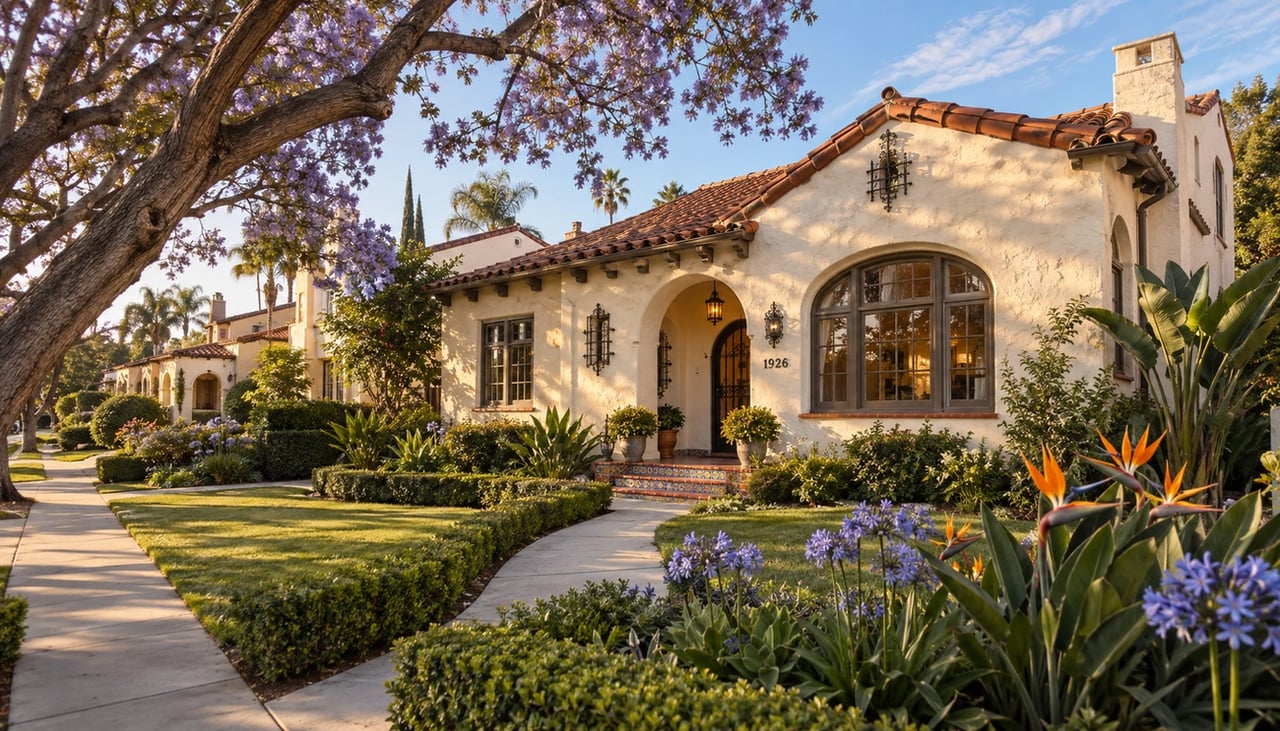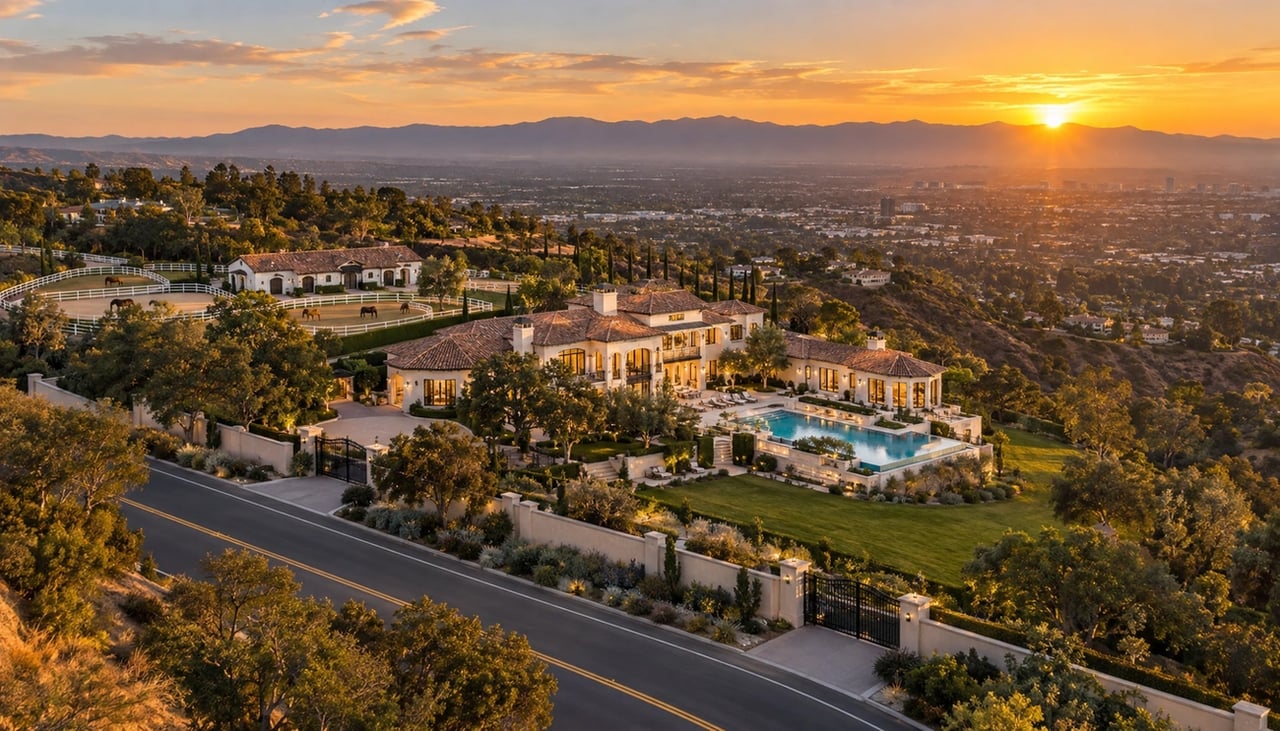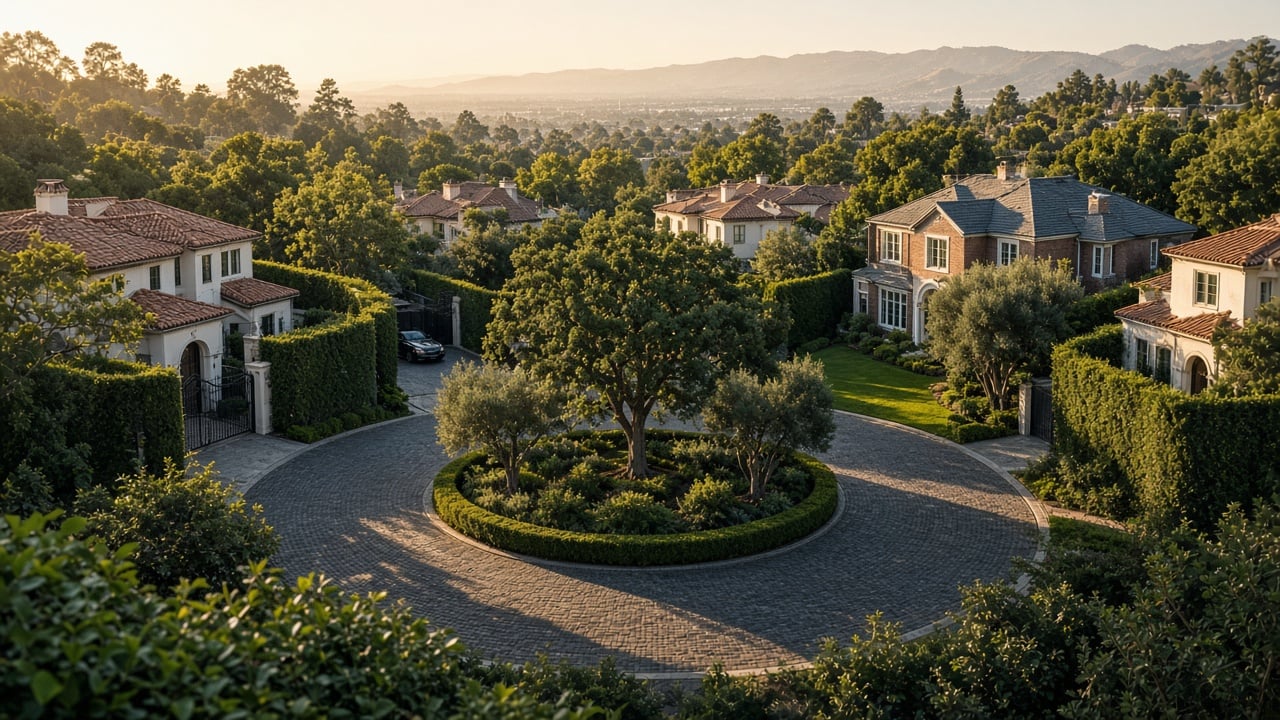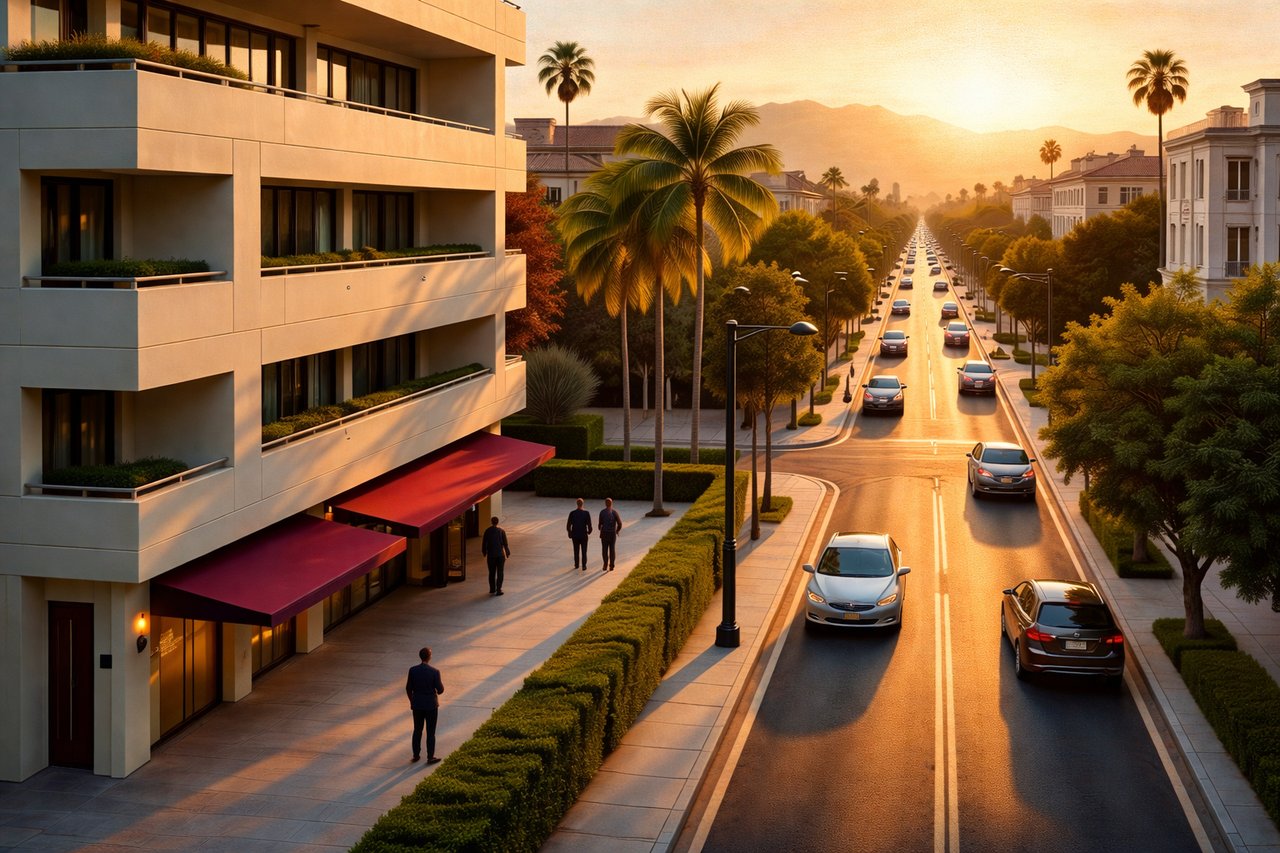
Social clubs in Los Angeles are reshaping where affluent residents choose to live quietly, and gaining entry to these exclusive circles can be more difficult than securing admission to the city's most elite private schools. Public listings or headline transactions don't drive this move. Residential decisions hinge on proximity to members clubs Los Angeles offers instead, from century-old institutions to wellness-focused sanctuaries. The 15-minute radius from most exclusive clubs in Los Angeles now commands premium pricing and buyer interest that has grown. This piece gets into how private clubs in Los Angeles are reshaping neighborhood desirability and investment value, plus the strategic calculations behind luxury real estate decisions in West Hollywood, Downtown LA and other areas.
The Connection Between Private Clubs in Los Angeles and Where People Live
From amenities to lifestyle ecosystems
Private clubs in Los Angeles function differently than their counterparts in other markets. Transactions tied to club proximity appear in public listings on rare occasions. They materialize through advisor networks where timing and discretion determine outcomes instead. Christina Pope at Sotheby's International Realty and specialists at EliteResidenceInternational.com handle these placements, where visibility takes a backseat to strategic positioning.
High-end club memberships no longer serve as mere amenities. Members view these establishments as extensions of their own residences and provide gyms, pools, and restaurants within environments designed for comfort and privacy. This perception shifts residential calculations in full. Remote work's continued popularity means members clubs in Los Angeles now function as networking hubs and office substitutes. The boundaries between home, workplace, and social venue blur within these ecosystems.
Cultural prestige accompanies membership at Los Angeles social clubs and creates magnetic pull toward nearby properties. Brands like Soho House bring immediate desirability and exclusivity to neighborhoods the moment they launch new locations. The ripple effects extend beyond membership rosters. An influx of wealthy clientele triggers improvements to local infrastructure and services, including upscale restaurants and boutique retail. These environmental shifts lift entire districts, not just individual properties.
How club memberships shape home buying decisions
The data reveals how club access shapes purchasing behavior in profound ways. Sotheby's 2024 survey shows 72% of luxury buyers factored club access into their real estate decisions, especially in destination markets. That percentage represents a fundamental change in how affluent buyers assess properties. Square footage and architectural details no longer dominate conversations.
Christie's 2024 Luxury Forecast found that 61% of luxury buyers prioritize access to curated experiences and community programming over traditional metrics like square footage and finishes. Club access doesn't emerge as an afterthought in these transactions. Internal data from ClubEstates confirms that more than 75% of buyer questions mention club access during original contact phases. Buyers request information about initiation fees, guest policies, and family access before scheduling property tours with increasing frequency.
Ownership intertwines in full with lifestyle systems for ultra-high-net-worth individuals. Golf, wellness, and dining integrate into the residential experience itself. Buyers don't purchase homes separate from club memberships. They acquire lifestyle packages where both elements must line up. Properties that communicate club membership options in clear terms see different market performance you can measure. Listings within 10 miles of top-tier clubs offering well-stated membership structures experience 40% higher conversion rates.
The 15-minute club proximity factor
Proximity data quantifies the premium attached to club-adjacent properties. Research on members clubs demonstrates that houses within one mile of prestigious establishments sell faster by 2.5 weeks compared to properties five miles away. This temporal advantage translates into competitive positioning and pricing power in direct fashion.
The international buyer phenomenon intensifies near flagship locations. While 12% of buyers registering in broader resort areas come from outside their home countries, that figure jumps to 26% within a 15-minute drive to premier clubs like Soho Farmhouse. This concentration effect creates distinct micro-markets where demand operates by different rules.
Properties connected to exclusive social clubs in Los Angeles command premium rental rates and stronger resale values. The "club effect" makes homes more appealing and more apt to transact fast. Buyers demonstrate willingness to pay premiums for immediate access to tennis courts, wellness centers, and exclusive lounges. Investment properties near most exclusive clubs in Los Angeles benefit from higher occupancy rates and tenant quality as well, as renters seek the same lifestyle proximity that drives buyer behavior.
West Hollywood: The Epicenter of Club-Driven Residential Demand
West Hollywood operates at the intersection of entertainment industry wealth and residential discretion. Luxury real estate in this market isn't driven by headlines but shaped by private conversations, timing, and access. The most meaningful transactions often unfold quietly within trusted circles where discretion carries as much weight as value. Christina Pope at Sotheby's International Realty and specialists at EliteResidenceInternational.com handle these placements, where visibility takes a backseat to strategic positioning. Precision matters more than publicity if you understand this world.
Soho House concentration effect
Soho House West Hollywood anchors the neighborhood's club-driven residential appeal. The property sits on Sunset Boulevard and features a rooftop garden overlooking the Hollywood Hills, a 50-seat screening room, and a restaurant serving House Regulars with an extensive wine list. Membership starts from $975 quarterly, or $487.50 for those under 27. Annual dues range from around $2,000 for single-club access to $6,000 for all-club privileges at 46 locations worldwide.
The club completed a $2.7 billion take-private deal recently, returning to private ownership after struggling on public markets. Soho House reported net losses throughout most of its history despite strong membership revenue from more than 200,000 members globally, until posting $33 million in net income in early 2025, before returning to a $19 million loss in the third quarter. This financial recalibration coincides with membership roster trimming at the West Hollywood location, part of a broader effort to sharpen focus on the creative community the club served originally.
The change signals a return to artistic roots. Membership teams remove individuals who no longer meet the creative profile, distancing the brand from corporate associations. Sources indicate similar cuts at New York and Miami Beach locations. The current "Every House" membership runs around $5,800 per year, excluding Malibu location access, plus a $1,000 registration fee credited back to members. This selective approach creates concentrated residential demand among creative professionals seeking proximity to the Sunset Boulevard location.
San Vicente Bungalows exclusivity premium
San Vicente Bungalows stands as the most exclusive option among private clubs in Los Angeles operating in West Hollywood. Membership costs $4,200 per year, or $1,800 for those 35 and under, with an $1,800 initiation fee reduced to $500 for members 40 and under. The club maintains around 1,100 members against a 7,000-person waitlist. Capacity could increase to about 3,000 members once pool and cabana construction completes within the next two years.
The application process is fundamentally different from other social clubs in Los angeles. Not just anyone can apply for membership. An exclusive committee reaches out to prospective members and offers them the chance to apply. This invitation-only model eliminates public applications, making personal connections essential. Actor Eddie Redmayne describes the environment as "like a still life painting," praising the curated esthetic over baskets of crudités inspired by Le Club 55 in St. Tropez.
The no-photo policy and strict confidentiality agreements allow members to enjoy lush garden settings, palm trees, and pool facilities in complete privacy. This discretion attracts celebrities and industry insiders, making it a favorite among Hollywood's elite. The club's reach expands with two additional locations planned for Santa Monica and New York City's West Village neighborhood. Proximity to this level of exclusivity commands measurable premiums in surrounding residential properties.
ARTHA and Remedy Place wellness appeal
Wellness-focused establishments create different residential appeal patterns. ARTHA operates as a wellness sanctuary offering yoga, mat pilates, infrared sauna, and cryotherapy with memberships starting at $169 per month and zero initiation fees. Single day class passes range from $29 to $49 for non-members. The facility combines ancient wellness practices like yoga and meditation with innovative technologies including float therapy, thermal shock treatments, and red light therapy.
Remedy Place positions itself as the world's first Social Wellness Club, founded by Dr. Jonathan Leary and in development since 2012. The West Hollywood location offers ice baths, saunas, vitamin IV therapy, NAD+, hyperbaric oxygen, red light therapy, acupuncture, and chiropractic services. Tech-remedies include cryotherapy, infrared sauna, and hyperbaric oxygen chambers. Social and group experiences feature signature breathwork ice bath classes, IV therapy paired with cinema, yoga, pilates, and sound baths.
Both clubs emphasize community-focused wellness over traditional gym models. ARTHA's mission centers on community and wellness as driving forces behind hiring, class creation, design, and overall experience. Remedy Place blends alternative medicine, high-impact technology, and hospitality inside spaces designed to heal. This wellness concentration attracts health-conscious professionals seeking residential environments that support their lifestyle systems.
Real estate pricing trends in the area
The concentration of most exclusive clubs in Los Angeles within West Hollywood's boundaries creates distinct micro-market conditions. Club proximity influences both purchase prices and rental valuations. Properties positioned within walking distance to Soho House, San Vicente Bungalows, or wellness sanctuaries benefit from buyer pools prioritizing lifestyle access over conventional amenity packages. The combination of entertainment industry professionals and creative class members generates sustained demand that operates independently of broader market fluctuations.
Downtown LA's Transformation Through Members Clubs Los Angeles
Downtown Los Angeles operates under different rules than West Hollywood's entertainment-driven markets. The transformation here stems from professional class institutions and historic power centers rather than celebrity appeal. Christina Pope at Sotheby's International Realty and specialists at EliteResidenceInternational.com guide these transactions where century-old establishments intersect with modern creative workspaces, creating residential demand patterns shaped by business networks and cultural programming.
City Club LA and the professional class
City Club Los Angeles sits 57 floors above the heart of Downtown LA, positioning itself where ambition meets atmosphere. Members access 18+ city clubs and 140+ golf clubs nationwide through their passport membership. The club completed major renovations featuring modern lighting, contemporary finishes, and improved dining experiences by Executive Chef Armando Quiroz recently.
Membership now has preferred golf access at Porter Valley Country Club, expanding lifestyle options beyond city views. The 51st floor location provides 360-degree views of the downtown business district and hosts wine tastings, chef dinners and business speaker series. This elevation positions members within LA's business and social scene, creating concentrated demand for nearby residential properties among professionals seeking proximity to networking infrastructure.
NeueHouse Bradbury's creative community
NeueHouse Bradbury occupies 25,000 square feet on the second floor of the historic Bradbury Building, a National Historic Landmark dating to 1893. The space opened in 2020, designed by DesignAgency to complement the building's ornate ironwork and sky-lit atrium. NeueHouse CEO Josh Wyatt explains the expansion came when downtown was booming and the local creative community needed a cultural and commercial hub.
The workspace has communal work areas, private studios, conference rooms, lounges, a wellness room, and a cafe-bar that transitions from coffee meetings to cocktails during golden hour. Twenty historic fireplaces were preserved and merged with modern additions like Versailles parquet flooring and custom furnishings. Early tenants include Woods Bagot architecture firm and talent management company Society. This creative concentration attracts professionals who prioritize cultural programming and architectural significance when selecting residences.
Jonathan Club's century-long influence
The Jonathan Club stands as downtown's most historically important institution among private clubs in Los angeles. Founded in 1895 as a social club, it arose alongside Los Angeles' transformation from frontier town to metropolis. The current Renaissance Revival building opened in 1925, designed by Schultze & Weaver, who also created the Waldorf-Astoria.
Floors laid with pink Tennessee marble restored in 1981 lead to ceilings painted by Vatican-trained Giovanni Smeraldi inside. The club's art collection features rare works by California Impressionist masters like Joseph Kleitsch and Guy Rose. UCLA was conceived during a lunchtime discussion at the club, and the 1958 deal bringing the Dodgers from Brooklyn to Los Angeles was struck within its meeting rooms historically. Initiation fees reach about $50,000, with monthly dues required to remain in good standing at present. This century-long presence anchors downtown's most established residential corridors.
Soho Warehouse bringing residential vibrancy
Soho Warehouse debuted in 2019 within Downtown LA's Arts District, occupying a former 1916 storage facility-turned-recording studio. The seven-floor warehouse features 48 bedrooms available for member hotel bookings, a rooftop pool, and a large two-floor gym with studio classes. Membership starts from $975 quarterly or $487.50 for those under 27.
The property preserves original graffiti within its industrial interiors and has street art from the surrounding area, plus an outdoor commission by Shepard Fairey. The ground level's original loading dock transformed into an expansive garden space with olive trees and varied seating arrangements. This Arts District anchor attracts younger professionals seeking downtown living options with complete amenities and cultural programming.
Hollywood and Fitness-Focused Club Communities
Hollywood's fitness-wellness sector draws a different profile than entertainment-centric West Hollywood or professional Downtown LA. The change centers on complete lifestyle facilities where workout routines merge with professional networking and social programming. Christina Pope at Sotheby's International Realty and specialists at EliteResidenceInternational.com position clients near these establishments, where residential value connects to wellness infrastructure rather than celebrity proximity.
HEIMAT's effect on Media District living
RSG Group opened HEIMAT in 2022 as what the company describes as the world's first fitness concept club. The facility occupies 75,000 square feet across five floors near Hollywood. Prospective members apply for unlimited access at $300 per month, while those under 25 years old pay around $200 monthly. The application-based model maintains selective membership despite not operating as invitation-only.
The facility extends beyond traditional gym parameters. Members access Pilates, yoga, boxing, cycling, dance, and TRX studios alongside a spa and rooftop pool with cabanas. Professional working spaces and fine dining round out the offerings. Michelin-starred chef Michael Mina developed Mother Tongue, a plant-forward restaurant concept celebrating global ingredients. Martin Brudnizki designed the social areas on floors four and five. Germany-based studio INCO handled fitness spaces on floors one through three.
Sebastian Schoepe, RSG's North America president and CEO, positions HEIMAT as a day-to-night destination. The club bridges morning workouts, lunch meetings, afternoons by the pool, dinners with friends, and late-night drinks. This philosophy attracts residents seeking complete lifestyle systems within walking distance of their homes.
The Aster's creative professional draw
The Aster received a Michelin Key, a first difference from the Michelin Guide for the property. The six-story building at Hollywood and Vine operates as both a boutique hotel and private members club. The 35-suite hotel grants guests temporary membership throughout their stay and provides access to all club spaces. These include an outdoor heated pool, full-service Club Lounge, 24/7 fitness center with complimentary yoga and Pilates classes, private cinema, recording studio, and cabaret.
The property eliminates set check-in or check-out times and permits laptop use throughout all spaces. Award-winning chef Marcel Vigneron directs the fifth-floor Club Room. The sixth-floor terrace offers unobstructed views of Capitol Records and the Hollywood sign and houses Lemon Grove restaurant.
Neighborhood demographic shifts
Both HEIMAT and The Aster concentrate creative professionals and wellness-focused individuals within Hollywood's residential corridors. This demographic is markedly different from West Hollywood's entertainment emphasis or Downtown's business networks. The result creates distinct micro-markets where fitness infrastructure drives location decisions among social clubs in Los Angeles membership holders.
Family-Oriented Clubs Shaping Suburban Choices
Family considerations reshape location strategies among affluent buyers pursuing members clubs los angeles offerings. The equation changes when children enter the picture. Christina Pope at Sotheby's International Realty and specialists at EliteResidenceInternational.com guide families toward neighborhoods where club infrastructure supports multi-generational needs rather than individual social networking.
Griffin Club Los Angeles and Cheviot Hills appeal
Griffin Club anchors West Los Angeles' Cheviot Hills neighborhood with facilities designed for families. Tennis remains central to the club's identity since 1926, with 7 LED-lit courts supported by professional staff. The facility added 4 brand-new LED-lit pickleball courts featuring drop-in play on Wednesdays and Fridays, bookings throughout the week, and clinics with tournaments.
The family programming distinguishes griffin club los angeles from entertainment-focused establishments in West Hollywood or professional hubs downtown. Kids receive full privileges up to age 23. This creates sustained family engagement across childhood and young adulthood. Programming spans Kids Korner childcare for ages 6 months through 6 years and Kids Fun Zone for ages 5-12. Summer camps, tennis camps, and enrichment programs keep children engaged year-round.
Dining infrastructure accommodates diverse family needs. The Hideaway Cafe serves poolside bites while Palomar offers refined Southern California cuisine using local ingredients. Menus range from family favorites to special Fit menus and artisanal cocktails with beers and wines. This integrated approach eliminates the need for separate family dining venues outside the club environment.
The aquatic facilities set Griffin Club apart as LA's only private club with two outdoor pools. A family pool has a dedicated kids' area while an adults-only resort pool provides retreat space for parents. This dual-pool configuration addresses competing family needs within a single membership.
Traditional country clubs keeping their relevance
Country clubs maintain influence among social clubs in Los Angeles through amenities that serve multiple generations at once. Golf access and tennis facilities create environments where grandparents, parents, and children find relevant activities within shared spaces.
Multi-generational amenity value
NAR's 2025 Trends Report shows that 17% of recent buyers chose multi-generational homes, with 36% citing cost savings as their top reason. This demographic shift influences club selection patterns. Families seek establishments where aging parents access wellness facilities and children participate in structured programming while working adults find professional networking opportunities. Clubs offering this spectrum create residential demand in surrounding neighborhoods where proximity supports daily family routines rather than occasional social visits.
Investment Implications for Buyers and Sellers
Club proximity calculations differ from conventional real estate metrics. Christina Pope at Sotheby's International Realty and specialists at EliteResidenceInternational.com position buyers where membership ecosystems generate measurable returns beyond standard appreciation models.
Premium pricing near most exclusive clubs in los angeles
Properties connected to social clubs in Los Angeles command premiums. Research demonstrates golf course proximity increases home values between 7.6% and 30% depending on methodology. More recent analyzes place adjacent properties at 8-12% higher valuations. Private club privileges boost resale values and strengthen rental yields. Buyers are willing to pay premiums for tennis courts and wellness centers.
Rental demand in club-adjacent properties
Investment properties near most exclusive clubs in Los Angeles benefit from elevated occupancy rates. Club-linked homes command premium rates during peak seasons, especially when you have luxury villa and apartment segments. Neighborhoods near sought-after amenities maintain rental rates that are high, driven by tenant demand. Properties within proximity to private clubs in Los Angeles attract higher-quality tenants seeking lifestyle access.
Long-term value considerations
Master-planned communities associated with major amenities hold value better during economic downturns. Housing heavily tied to club infrastructure performs measurably stronger during periods of economic hardship.
Positioning for discretionary buyers
Referral-only policies define exclusivity among emerging residential clubs. The luxury rental space continues expansion with hybrid models. Discretionary buyers filter for exclusivity and high entry barriers.
Conclusion
Club proximity reshapes residential calculations across Los Angeles, from West Hollywood's entertainment hubs to Downtown's professional institutions and Hollywood's wellness sanctuaries. Properties within walking distance to exclusive establishments command measurable premiums, faster transaction times, and stronger rental yields. This move goes beyond traditional real estate metrics toward detailed lifestyle ecosystems where membership access outweighs square footage.
Christina Pope at Sotheby's International Realty and specialists at EliteResidenceInternational.com guide these transactions where discretion determines outcomes. Buyers who recognize this pattern early gain strategic advantages from club-adjacent positioning that compound over time. The most valuable properties cluster around institutions that provide curated communities where professional networks and wellness infrastructure join with social programming.
Key Takeaways
Los Angeles social clubs are fundamentally reshaping residential decisions, creating new investment opportunities and lifestyle-driven market dynamics that savvy buyers and investors should understand.
• Club proximity drives premium pricing: Properties within 15 minutes of exclusive clubs command measurably higher prices, sell 2.5 weeks faster, and generate stronger rental yields than comparable homes further away.
• Membership access outweighs traditional metrics: 72% of luxury buyers now factor club access into purchasing decisions, prioritizing lifestyle ecosystems over square footage and architectural details.
• West Hollywood leads club-driven demand: Soho House and San Vicente Bungalows create concentrated residential appeal, with invitation-only memberships and creative professional networks driving neighborhood desirability.
• Investment returns extend beyond appreciation: Club-adjacent properties benefit from 8-12% higher valuations, elevated occupancy rates, and higher-quality tenants seeking lifestyle proximity.
• Different clubs attract distinct demographics: Entertainment-focused West Hollywood, professional Downtown LA, wellness-centered Hollywood, and family-oriented suburban clubs each create unique micro-markets with specific buyer profiles.
The shift represents a fundamental change in how affluent buyers evaluate properties, moving from traditional real estate metrics toward comprehensive lifestyle packages where club membership and residential location function as integrated systems.
FAQs
Q1. How do social clubs in Los Angeles affect real estate prices? Properties located within a 15-minute radius of exclusive clubs command premium pricing and sell approximately 2.5 weeks faster than comparable homes located further away. Research shows that homes near prestigious clubs can see value increases of 8-12%, with buyers willing to pay more for immediate access to club amenities like wellness centers, dining, and networking opportunities.
Q2. What percentage of luxury buyers consider club access when purchasing a home? According to recent surveys, 72% of luxury buyers factor club access into their real estate decisions. Additionally, 61% of luxury buyers prioritize access to curated experiences and community programming over traditional metrics like square footage and finishes, representing a fundamental shift in how affluent buyers evaluate properties.
Q3. Which Los Angeles neighborhoods are most influenced by social club proximity? West Hollywood leads club-driven residential demand with establishments like Soho House and San Vicente Bungalows. Downtown LA has transformed through professional clubs like City Club LA and NeueHouse Bradbury, while Hollywood attracts wellness-focused residents near HEIMAT and The Aster. Each neighborhood creates distinct micro-markets with specific buyer profiles based on the type of clubs present.
Q4. What makes San Vicente Bungalows one of the most exclusive clubs in Los Angeles? San Vicente Bungalows operates on an invitation-only model where a committee reaches out to prospective members rather than accepting public applications. With approximately 1,100 members and a 7,000-person waitlist, the club maintains strict exclusivity through its selective process, no-photo policy, and confidentiality agreements that attract celebrities and industry insiders.
Q5. Do rental properties near exclusive clubs generate higher returns? Yes, investment properties near exclusive clubs benefit from elevated occupancy rates and can command premium rental rates. Club-adjacent properties attract higher-quality tenants seeking lifestyle access, and rental rates in these neighborhoods remain consistently high due to sustained demand from renters who value proximity to club amenities and social programming.