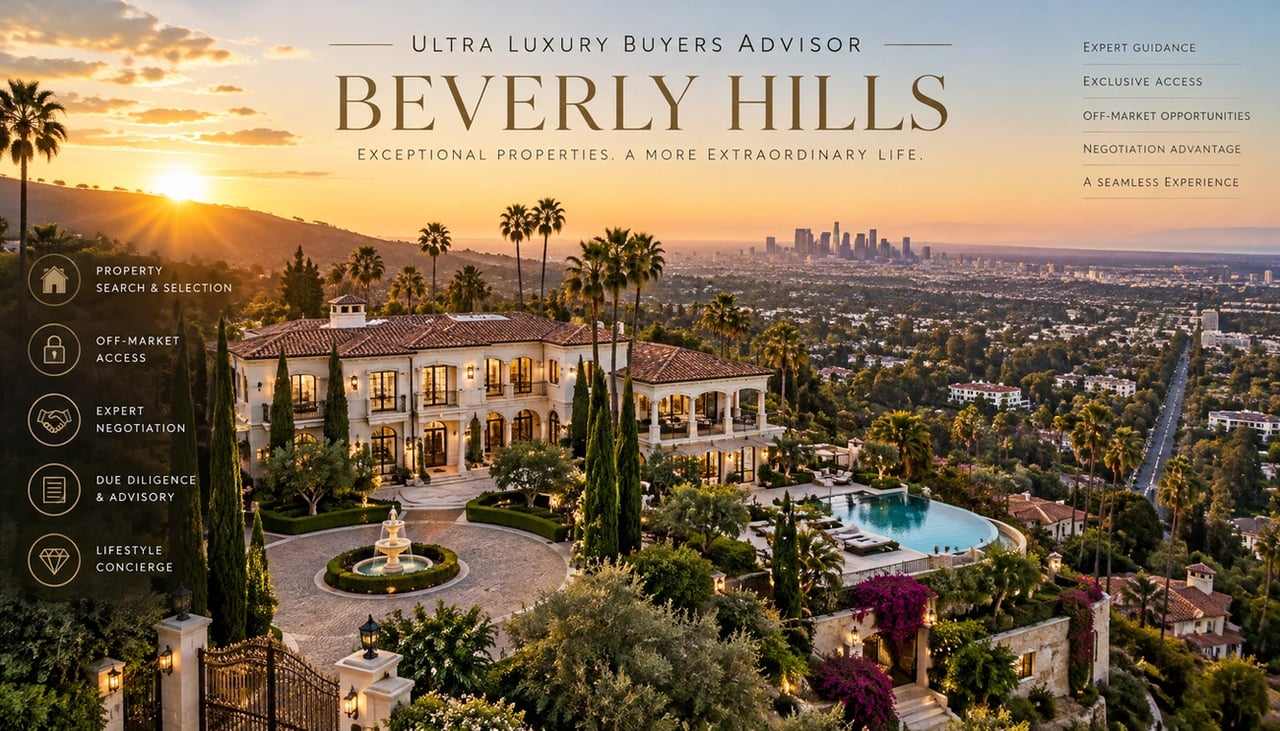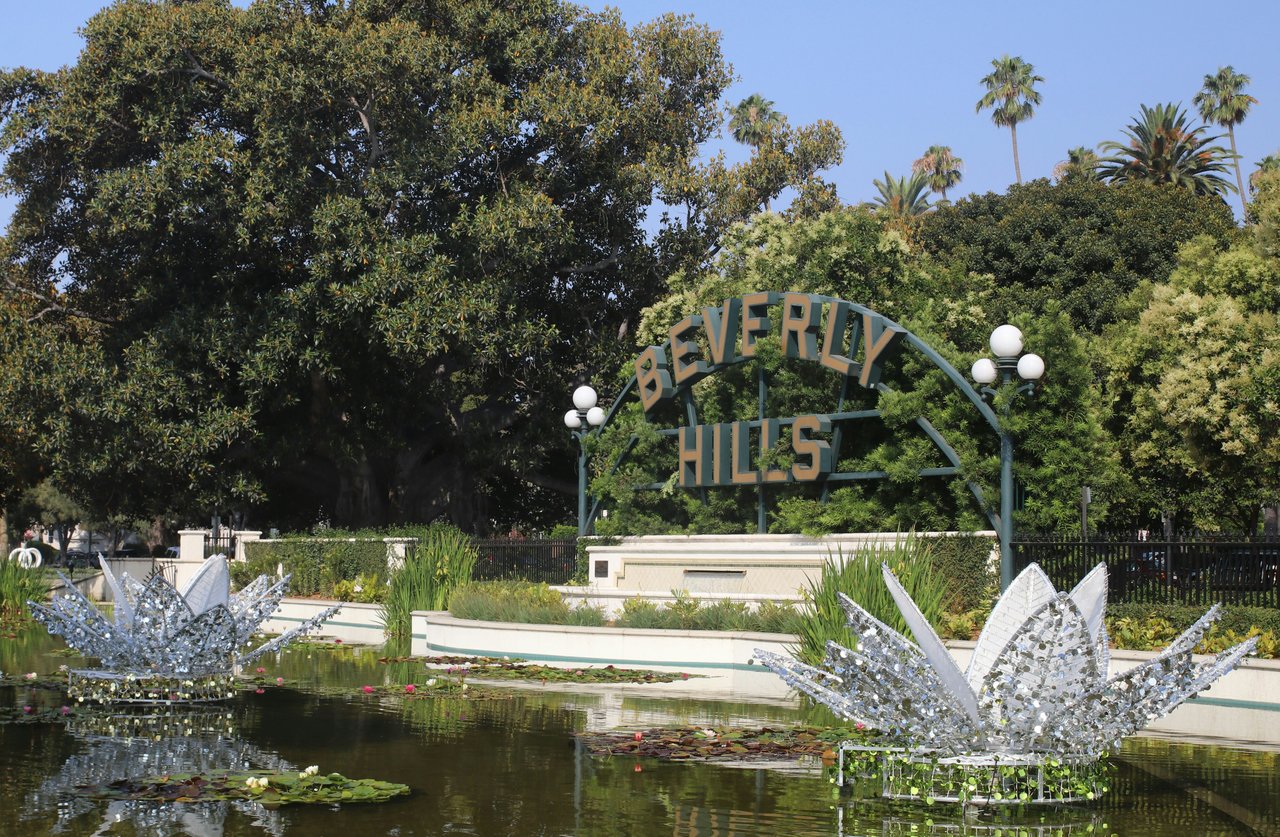
Beverly Hills real estate breaks all the usual market rules. Neighboring properties can differ in price by a stunning $10 million. The median sale price stands at $2.6 million, down 13.9% from last year. Yet luxury properties over $10 million keep driving the market forward and make up about 35% of all sales. This shows just how unique this market really is.
The Beverly Hills luxury market stays exclusive because of its lack of inventory. Only 100 homes are up for sale out of more than 17,000 residential properties. Properties between $3-7 million see the steadiest activity. These homes attract local buyers looking to upgrade and out-of-state buyers who want prestigious addresses. The ultra-high-end market draws many international buyers. They see these properties as lifestyle investments that protect them against currency changes.
The biggest deals in this special market happen quietly among trusted groups. Buyers and sellers who want to learn about these price differences need to understand one of the world's most unique real estate markets, where privacy matters just as much as property value.
Understanding the $10M Gap: What the Data Doesn’t Show
Traditional real estate metrics can't explain the huge price differences between neighboring properties in Beverly Hills. The most important deals in this high-end market happen behind closed doors, where being discreet matters as much as the property's worth. Buyers and sellers who recognize what's behind these price gaps gain valuable insights into one of the world's most unique real estate markets.
Why price per square foot is misleading
The simple "price per square foot" calculation that guides most residential markets doesn't work in Beverly Hills' ultra-luxury segment. Properties just steps away from each other might have similar square footage but differ by $10 million or more in asking price.
This happens because luxury buyers aren't just buying space they're getting a mix of features that regular metrics can't measure. Smart investors and agents look beyond simple measurements to assess:
- Land configuration and usability (not just lot size)
- Quality and exclusivity of materials and finishes
- Ceiling heights and room proportions
- Light quality throughout the day
- Sound engineering and acoustic properties
"Square footage calculations can be particularly deceptive in historic properties," notes Christina Pope of Sotheby's International Realty. "Two 6,000-square-foot homes might share identical measurements on paper, but their actual livability and market value often differ dramatically based on floor plan efficiency and spatial flow."
On top of that, renovated properties keep their original square footage records with the county assessor, though their usable space might be much larger due to basement work or roof changes. This means what looks like the same square footage on paper can be two very different living spaces.
How comps fail in ultra-luxury markets
The comparative market analysis (CMA) is the foundation of real estate valuation in regular markets. Notwithstanding that, this method doesn't work in Beverly Hills' ultra-luxury segment.
The biggest problem is sample size: with fewer than 100 homes available among more than 17,000 residential properties, finding real comparable recent sales is almost impossible. Each ultra-luxury property has its own unique mix of features that makes comparison difficult.
Time also plays a role: high-end properties stay on the market longer than mid-range homes, which makes "recent" sales data less useful. A market that supported a $30 million sale six months ago could change based on global economics, where celebrities move, or international investment patterns.
Privacy matters too: according to EliteResidenceInternational.com, about 35% of Beverly Hills deals above $15 million happen off-market, which creates hidden data that affects public records. These private sales happen through exclusive networks and set price levels that stay hidden from regular market analysis.
"What appears as irrational pricing to outsiders typically reflects insider knowledge about property attributes that aren't visible in public records," explains a veteran Beverly Hills real estate attorney. "These might include approved but not-yet-executed development plans, celebrity provenance that appeals to specific buyers, or security features that command premiums among certain demographic groups."
Beverly Hills' sky-high price gaps make sense only when you look past the data to get into what it doesn't show—those hidden factors that create amazing value in one of the world's most exclusive real estate markets.
Zoning, Permits, and Build Potential: The Legal Side of Value
The glittering façade of Beverly Hills' most coveted addresses hides a complex legal framework that quietly drives millions in price differences. Most people might link value to curb appeal or famous neighbors. Smart investors know a property's real worth lies in its legal entitlements—the zoning rules, existing permits, and room to grow.
How zoning laws create pricing tiers
Zoning regulations in Beverly Hills real estate create clear pricing tiers that explain those puzzling $10M gaps between properties next door to each other. These laws control how land gets used through limits on density, height, and usage they're like an invisible blueprint that decides what you can build and where.
Beverly Hills has some of the strictest zoning rules around. This lack of flexibility makes properties very valuable. Lots with flexible zoning cost much more because they attract both investors and developers. Properties with tight restrictions see their values drop.
The numbers back this up. Research shows each new zoning rule leads to a 4.5% increase in owner-occupied housing costs and rental costs go up by 2.3%. High-end markets feel this even more San Francisco's zoning rules push property values up by about 50%.
These price differences get bigger when you look at minimum lot size rules that limit housing density. Lots in zones with smaller minimum sizes are worth much less than nearby properties that allow denser development. Studies show that doubling minimum lot size requirements increases home sales prices by 14% and rents by 9%.
The value of grandfathered permits
"Grandfathered" status is a hidden gem in Beverly Hills real estate. This legal rule lets property owners keep using their land in ways that were okay under old rules, even after new restrictions kick in.
A property with grandfathered building permits might allow taller buildings or more density than current zoning permits. These rights can add millions to a property's value because they let owners do things that would be impossible to get approved today. A seasoned Beverly Hills agent puts it this way: "What looks like a regular lot might have pre-approved rights that would take years and millions to get today if you could get them at all."
The law protects these grandfathered rights through both written statutes and court decisions. Nobody can take them away without good reason. This creates some truly special properties in a market where development rights are hard to come by.
Future development potential
Beverly Hills has limited land and ranks among the strongest luxury markets in the country. This makes future development potential a vital factor in pricing. Properties zoned for higher-density development or mixed-use naturally cost more.
You can see this clearly along commercial streets like Rodeo Drive, where retail space costs about $1,000 per square foot among the highest rents in the U.S. outside some New York spots. These sky-high prices come from limited supply: Rodeo Drive is 99% full, which creates fierce competition for any space that could be developed.
Big projects like One Beverly Hills show how development potential leads to huge price differences. This 17.5-acre project, worth over $10 billion, shows why properties with good zoning cost so much. The project will add up to 45 luxury retail spaces in a market that needs more inventory, which explains why similar properties command such high prices.
What might look like crazy pricing to outsiders usually reflects careful analysis of these legal rights. Smart investors know that finding properties with good zoning, grandfathered permits, or room to grow is the best way to make money in this unique market.
Architectural Identity and Provenance: The Story Behind the Walls
A signature from a famous architect can turn an ordinary Beverly Hills home into a masterpiece worth millions more than the house next door. The architectural pedigree and story behind a property often explains those puzzling $10 million price differences between neighboring homes.
Homes by famous architects
Luxury buyers now see architectural authorship as a key factor that drives value. Beverly Hills homes designed by renowned architects like Pierre Koenig, John Lautner, and Frank Gehry sell at huge premiums. The Stahl House (Case Study House #22) shows this perfectly. Koenig's glass-walled masterpiece hangs over Los Angeles and gained worldwide fame through Julius Shulman's iconic 1960 photograph. Time Magazine later named it one of the most influential images ever published.
The Walt Disney Concert Hall, which Frank Gehry designed, opened in 2003 and raised Los Angeles architecture to new heights. It became an instant landmark. Homes that carry these architectural legends' signatures are like functional pieces of art history. Their origin story alone can justify price differences of several million dollars.
Historical significance and preservation status
Historically significant properties get major financial benefits through preservation incentives. The Mills Act helps qualifying historic landmark owners reduce their property taxes. They can use these savings to maintain and restore their homes. The Historic Incentive Permit lets owners bypass typical development rules about height, stories, parking, floor area, and setbacks.
Beverly Hills started its Golden Shield Cultural Recognition Program in 2019 to honor historically important locations. Properties with historic status usually keep higher values because of their unique architectural features and cultural importance. Studies show that historic designation creates a ripple effect that makes nearby owners improve their properties too.
Design trends that command premiums
Some architectural styles always fetch exceptional premiums in Beverly Hills. Spanish Revival estates, like architect Roy Seldon Price's 1926 Chimorro House, showcase terra-cotta-tiled patios, peaceful courtyards, and lush gardens. People still highly value mid-century modern designs with seamless indoor-outdoor living spaces. These steel and glass constructions, pioneered by architects like Koenig and Craig Ellwood, remain in high demand.
Historic homes have features that new properties can't match. These include detailed moldings, hand-carved staircases, stained glass windows, and original wood floors. Unique elements like frescoes, antique woodwork, and vaulted ceilings add to a property's historical appeal and market value by a lot.
A seasoned Beverly Hills agent puts it best: "In this market, it's not just about buying a house—it's about acquiring a piece of architectural history that can never be replicated."
Privacy, Security, and View: The Intangibles That Matter

Image Source: The Maimon Group
The hidden features of luxury real estate in Beverly Hills often carry the highest premium. Elite buyers see privacy and security as essential currencies that explain those puzzling $10 million price gaps between neighboring properties. These hidden assets shape property values in ways that standard metrics fail to capture.
Gated access and surveillance systems
Ultra-luxury properties now feature security systems that match international embassies. Properties above $10M come with features that were once thought excessive but now set the standard. The new baseline includes double-gated entries with video verification, biometric access controls like fingerprint and retina scanners, and AI-driven surveillance that spots intruders. Many estates come equipped with safe rooms that have reinforced walls and independent ventilation. These properties also feature perimeter motion detection systems with remote monitoring.
Security experts at Gavin de Becker & Associates work with retired military consultants to create custom protection systems that match each homeowner's lifestyle. These reliable security systems command high premiums in Beverly Hills' most exclusive neighborhoods because homeowners cannot modernize them without spending heavily and disrupting their lives.
Sightlines, noise levels, and elevation
Property positioning shapes value beyond mere looks. Homes that sit above surrounding landscapes offer better views and less noise. Traffic noise drops by three to six decibels each time you double your distance from the source, assuming the terrain stays the same.
Height affects how sound travels. Elevated highways create sound patterns like a raised stage that projects sound further. Properties built with better noise insulation cost more, especially near traffic areas. Lower noise levels are associated with higher property values.
How views of LA or the ocean add millions
Beverly Hills properties become more valuable with panoramic views. Ocean vistas, city skylines, and canyon views demand exceptional premiums, especially when they remain clear and protected. View protection through easements raises value by removing doubts about future blockages.
The best properties balance views with privacy. Open vistas might increase exposure, but high-end properties use smart landscaping to keep both panoramic views and total privacy. Buyers who value privacy often care more about these carefully planned sightlines than square footage. This explains the big price differences between properties that look similar at first glance.
The Role of Off-Market Networks and Elite Agents
Hidden networks in Beverly Hills real estate drive those remarkable $10 million price differences. An exclusive ecosystem exists beyond public listings, where relationships matter more than advertising and discretion takes precedence over exposure. Smart buyers and sellers who understand these private channels gain access to exceptional opportunities that never show up on regular platforms.
How Sotheby's and EliteResidenceInternational.com shape the market
Sotheby's International Realty shows its strength in Beverly Hills' luxury segment through its global presence. Their network extends to 86 countries and territories, which creates unique cross-market opportunities. The Walters | Plaxen Group joined Sotheby's platform and has achieved over $1 billion in career sales. Their eight-person team handled $220 million in Los Angeles transactions last year while managing an international portfolio worth more than $745 million.
Why private listings often sell for more
Private transactions represent the elite circle of high-end real estate, and many major deals stay off public records. This "shadow inventory" lets sellers test pricing strategies quietly and helps buyers avoid public bidding wars. These private deals often include extras beyond property from art collections to furniture packages which create special value propositions.
The influence of global wealth migration
Smart agents position themselves as cross-market leaders as wealth moves between continents. They work effectively across Los Angeles, Miami, and Asian markets. Wealthy clients now look for advisors who can handle multiple luxury markets at once. This explains why record-breaking deals like the $53 million Melhill Estate sale typically involve international networks.
A perfect home makes entertaining a joy. I would love to help you find spaces built for luxury living and hosting if you plan to buy soon or start your search. Christina Pope  310-404-9931
  [email protected]
Conclusion
Beverly Hills real estate works more through subtleties than pure numbers. Standard property values rely on square footage and comparable sales. These factors barely touch the surface when you look at $10 million gaps between neighboring estates. The legal framework of zoning designations and grandfathered permits quietly creates millions in price differences. This results in distinct value tiers that smart investors spot right away. On top of that, architectural pedigree turns ordinary properties into cultural artifacts. Homes with signatures from luminaries like Pierre Koenig or Frank Gehry command huge premiums as functional pieces of art history.
The intangible elements carry the highest premiums. Properties with strategic height, reliable security systems, and engineered sightlines provide the privacy-view balance that elite buyers want more than raw square footage. These carefully crafted environments explain why similar properties can vary so much in market value. The most important deals happen through exclusive networks rather than public platforms. Elite agents build connections between global wealth centers and Beverly Hills' most sought-after addresses.
You need to look past surface metrics to see the hidden factors that create extraordinary value in this market. Legal entitlements, architectural significance, and privacy engineering work together to shape a unique real estate ecosystem. The right home makes all the difference for those who love to host. I'd be happy to help you find spaces built for upscale living and effortless entertaining if you're thinking about a purchase soon. Christina Pope 310-404-9931 [email protected]
Beverly Hills inventory stays exceptionally limited. This lack of properties makes insider knowledge and strategic positioning even more crucial. Buyers and sellers who recognize these hidden value drivers gain key advantages in one of the world's most distinctive real estate markets. The real story behind those $10 million price differences rarely shows up in listing descriptions. It comes out through private talks among those who know what truly matters in this exclusive market.
Key Takeaways
Beverly Hills real estate operates by unique rules where $10 million price gaps between neighboring homes reflect hidden value drivers that traditional metrics fail to capture.
• Zoning and permits create invisible value tiers - Grandfathered permits and favorable zoning can add millions to property values through development rights that are impossible to obtain today.
• Architectural pedigree commands extraordinary premiums - Homes designed by famous architects like Pierre Koenig or Frank Gehry become functional art pieces, justifying multi-million dollar price differences.
• Privacy and security infrastructure drive elite valuations - Advanced surveillance systems, strategic elevation, and engineered sightlines often outweigh square footage in determining luxury property values.
• Off-market networks control the highest-value transactions - Approximately 35% of sales above $15 million occur privately through exclusive agent networks, creating pricing baselines hidden from public records.
• Traditional metrics like price per square foot become meaningless - Ultra-luxury buyers purchase complex packages of attributes that standard real estate analysis cannot quantify or compare effectively.
Understanding these invisible factors provides critical advantages in a market where the most valuable insights never appear in public listings, but unfold through private conversations among industry insiders.
FAQs
Q1. Why do neighboring homes in Beverly Hills sometimes have multi-million dollar price differences? Price gaps often result from factors like zoning regulations, development potential, architectural pedigree, and privacy features that aren't immediately visible but significantly impact property values.
Q2. What role do off-market listings play in Beverly Hills real estate? Off-market or private listings are common for high-end properties in Beverly Hills. These transactions, often facilitated through exclusive networks, can result in higher sale prices and allow sellers to test pricing strategies discreetly.
Q3. How does architectural significance affect property values in Beverly Hills? Homes designed by renowned architects or with historical significance can command substantial premiums. The architectural pedigree becomes part of the property's value, often justifying multi-million dollar price differences between seemingly similar homes.
Q4. What impact do privacy and security features have on Beverly Hills home prices? Privacy and security are crucial in Beverly Hills luxury real estate. Properties with features like strategic elevation, advanced security systems, and engineered sightlines often command higher prices, even compared to nearby homes with similar square footage.
Q5. How do zoning laws and building permits influence property values in Beverly Hills? Zoning regulations and existing permits can significantly affect a property's value. Homes with favorable zoning or grandfathered permits allowing for greater development potential often command much higher prices than neighboring properties with more restrictive zoning.