Zoning frameworks quietly determine everything from view corridors to daily walkability in Pacific Palisades neighborhoods. Pacific Palisades sits between the Santa Monica Mountains and the Pacific Ocean and creates distinct micro-environments across bluffside, hillside, and inland tracts. Zoning regulations define how residents experience each area. Buyers evaluating Pacific Palisades neighborhoods among Malibu and Hidden Hills need to understand these regulatory differences more than geography alone. This piece gets into how zoning shapes lifestyle in these three communities, from the walkable Village core and Alphabet Streets to Malibu's coastal development permits and Hidden Hills' estate-scale requirements, with map-based context throughout.
Understanding Pacific Palisades, Malibu, and Hidden Hills: A Map-Based Overview
Three distinct communities in western Los Angeles County exist under different regulatory frameworks that create vastly different residential experiences. Pacific Palisades covers 23,431 acres with around 27,000 residents living in 9,400 homes. Malibu stretches 21 miles along the Pacific coastline with a total area of 19.90 square miles. Hidden Hills occupies just 1.688 square miles as a fully gated enclave. The geographic positioning of each area forms the foundation for understanding how zoning translates into lifestyle.
Pacific Palisades neighborhoods map breakdown
Pacific Palisades sits between Brentwood to the east and Topanga to the west, with Santa Monica to the southeast. The Santa Monica Mountains form the northern boundary. Six major canyons wind from the mountains to the sea and create distinct topography that influences neighborhood character and regulatory approaches. The altitude ranges from sea level to 2,126 feet at Temescal Peak and produces varied microclimates and building challenges at different elevations.
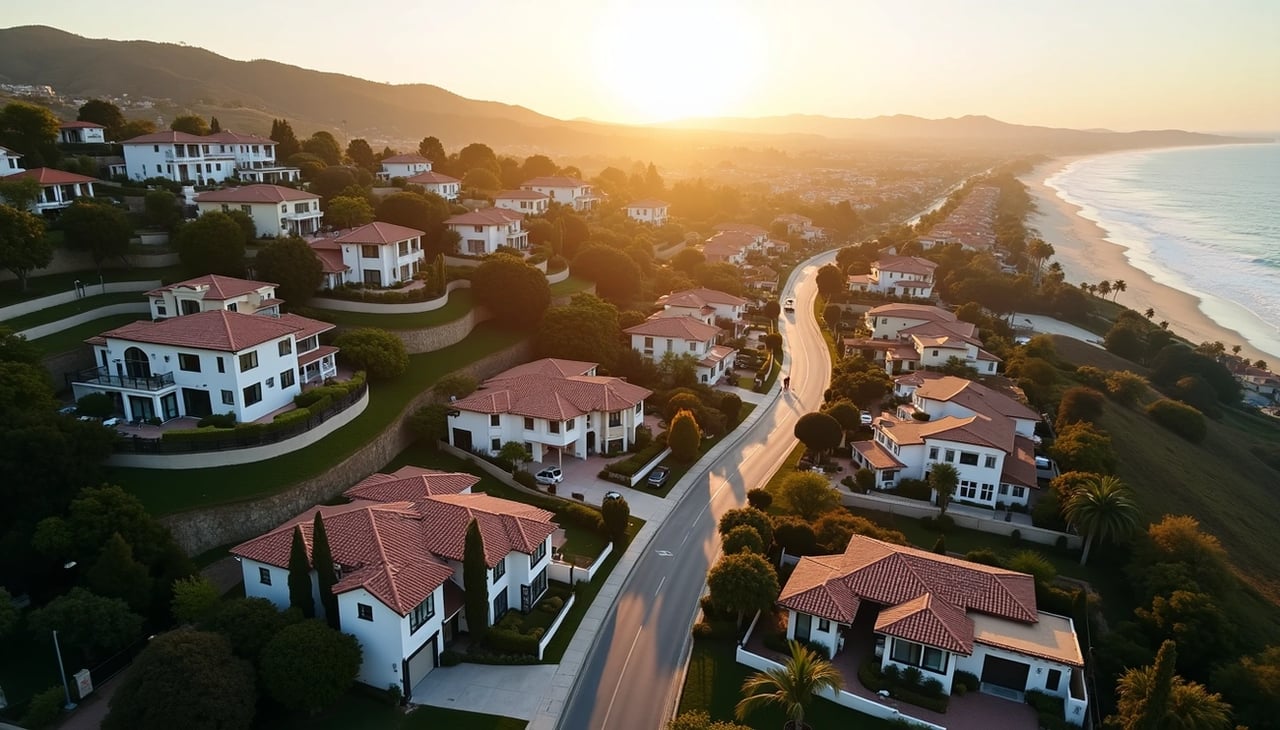
The Village serves as the central business district, centered at Sunset Boulevard and Via de la Paz. The Palisades Village shopping center anchors it. The Alphabet Streets sit north of Sunset Boulevard and represent the original 1921 development with the smallest lot sizes in the area. These range from 5,200 to 7,500 square feet. Marquez Knolls occupies the mountain upslope north of Sunset Boulevard and begins about a quarter mile west of The Village across Temescal Canyon. The Riviera sits around two miles east of Palisades Village. Sunset Boulevard divides it into north and south sections, with streets named after French and Italian coastal locations. Castellammare lines Pacific Coast Highway on lower bluffs near sea level, north of where Sunset Boulevard meets PCH. Narrow winding streets with Italian names characterize it.
Malibu's coastal corridor positioning
Malibu occupies a 21-mile stretch of coastline about 30 miles west of downtown Los Angeles. The city sits where the Santa Monica Mountains meet the Pacific Ocean, with Pacific Coast Highway (State Route 1) traversing the entire length. Malibu's eastern boundary meets Topanga, which separates it from the City of Los Angeles. The terrain consists of dry brush chaparral and steep clay slopes. These unique environmental conditions influence development regulations.
Point Dume forms the northern end of Santa Monica Bay and provides a geographic anchor for the community's coastal identity. Malibu's unincorporated canyon areas fall within the city's ZIP code despite being assigned before incorporation. This creates jurisdictional complexities that affect zoning applications.
Hidden Hills' gated enclave character
Hidden Hills operates as both a city and a gated community located next to Los Angeles and Calabasas in the Santa Monica Mountains region. The entire 1.688-square-mile area consists of land without water features. The city sits in the southern Simi Hills Transverse range near the western edge of the San Fernando Valley and borders Ventura County. The Upper Las Virgenes Canyon Open Space Preserve forms the northern boundary and provides a nature reserve and greenbelt with equestrian, hiking and mountain biking trails.
Hidden Hills incorporated as the 73rd city in Los Angeles County on October 19, 1961. The single-entry gate system controls all access and creates a self-contained residential environment that differs from the open-access patterns of Pacific Palisades and Malibu.
How Zoning Laws Define Daily Living in Each Area
Zoning codes determine what residents can build and operate on their property, while building codes dictate construction methods. This difference matters because zoning shapes the fundamental character of neighborhoods before a single structure goes up. Pacific Palisades neighborhoods, Malibu, and Hidden Hills each apply different regulatory frameworks that affect daily routines, property values and community dynamics.
Simple residential zoning in all three communities
Pacific Palisades operates under Los Angeles city jurisdiction with zoning ordinances from the 1970s that haven't received the same updates as other LA neighborhoods. Coastal, non-hillside areas have residential zones that follow older development standards. Community councils continue to debate these standards. Malibu maintains CV-1 zoning in its Civic Center Area, which calls for new lots to be at least 5 acres in size, 300 feet wide and 500 feet deep. Hidden Hills functions as both a city and a private community. It layers municipal zoning with homeowners association regulations that exceed standard city requirements.
Zoning districts in these communities separate land into residential, commercial and mixed-use categories. Each designation carries specific regulations regarding permitted land uses, building types and development standards. The Alphabet Streets in Pacific Palisades face particular scrutiny as residents push to adopt more stringent zoning rules through expansion of the Baseline Mansionization Ordinance.
Lot size requirements and how they affect lifestyle
Minimum lot size regulations shape housing density and affordability more than any other residential regulation. These requirements dictate the smallest amount of land on which a home can be built. The Alphabet Streets in Pacific Palisades contain the smallest lots. They range from 5,200 to 7,500 square feet and create a different neighborhood character than hillside areas with larger parcels.
Stricter minimum lot size requirements create less affordable housing. Research shows that areas with restrictive lot size regulations have home prices 20% higher than towns without such restrictions. Towns experienced home price increases of up to 40% ten years after an increase in minimum lot size listings. Houston reduced lot sizes to as small as 1,400 square feet in most of the city in 2013. This helped keep home prices lower than comparable metros.
Building height restrictions and view preservation
Height restrictions serve multiple purposes beyond esthetics. Buildings in Malibu's Civic Center Area feature pitched roofs up to 28 feet in height. Residential zones impose maximum heights that range from 35 to 40 feet. These limits preserve view corridors and maintain neighborhood scale. They prevent the construction of structures that dominate surrounding properties.
Density regulations and neighborhood character
Density regulations control how many residential units can occupy a given lot. Lower-density zones allow one to two principal dwelling units per lot. Corner lots or affordable housing provisions permit increased density. Higher-density zones transition between lower-density residential neighborhoods and commercial areas. They allow multi-family structures, townhomes and mixed housing types.
The percentage of single-family homes built on 7,000-square-foot lots or smaller rose from 25% to 39% between 2009 and 2024. This shows developer desire to supply these density levels where regulations permit.
Pacific Palisades Neighborhoods: From The Village to Alphabet Streets
Four distinct pockets within Pacific Palisades neighborhoods reveal how micro-zoning creates fundamentally different daily experiences, even within the same postal code. These regulatory differences require you to look beyond general maps of Pacific Palisades neighborhoods and get into how specific ordinances shape each enclave. These details determine long-term satisfaction for buyers who want precision rather than visibility.
The Village core and walkability zoning
The Village functions as the walkable commercial heart, centered where cafés, grocery stores and boutiques cluster within pedestrian-friendly blocks. Pacific Palisades Commercial Village and Neighborhoods Specific Plan governs development in four commercial areas, including the central Village, with the most recent amendment adopted in 2016. Properties here consist of condos, townhomes and smaller single-family homes on flatter terrain. Residents park once and walk to errands, library access and the movie theater. Different development standards govern this commercial core than surrounding residential zones. Mixed-use accessibility takes priority over estate-scale privacy.
The Riviera and hillside development rules
The Riviera occupies prestigious hillside terrain with sweeping ocean views. Larger single-family homes and luxury estates sit on steeper, varied lots here. Hillside Area designation triggers specific building constraints. Structures cannot exceed 36 feet in height as measured from grade on lots where slope measures 66 percent or less. Lots with slopes greater than 66 percent allow heights up to 45 feet. Buildings that extend more than six feet above natural ground level can cover no more than 40 percent of lot area. An exception allows 45 percent coverage for substandard lots under 50 feet wide and 5,000 square feet in area. New construction and detached accessory buildings require approved automatic fire sprinkler systems throughout. The Planning Department recommends R1H1 zoning for these hillside properties. Floor area ratios range from 0.50 to 0.30 based on slope band areas.
The right home makes all the difference to those who love entertaining. Christina Pope would be delighted to help you find spaces designed for elevated living and effortless hosting if you're thinking about a purchase in the near future or beginning your search. Contact her at 310-404-9931 or [email protected].
Alphabet Streets and coastal overlay considerations
Alphabet Streets contain the original 1921 development north of Sunset Boulevard. Lot sizes range from 5,200 to 7,500 square feet. This creates stronger walkability to Palisades Village compared to outlying areas. The Planning Department recommends R1V1 zoning for these non-hillside, non-coastal zone properties. Floor area ratios range from 0.65 to 0.55 based on lot size. Properties require verification through ZIMAS to determine coastal zone jurisdiction, hillside designation and any special plan area applicability.
Marquez Knolls and foothills zoning standards
Marquez Knolls sits on mountain upslope north of Sunset Boulevard, about a quarter mile west of The Village. This inland pocket features mid-century and traditional single-family homes with yards and outdoor space. CC&Rs with view protection provisions govern about 600 lots. These covenants balance property owner rights to maintain pre-existing views while they minimize costs and delays for rebuilding or remodeling.
Malibu Zoning: Coastal Development Permits and Building Constraints
Malibu's full 21-mile coastline sits within California's coastal zone. This subjects all development to the city's Local Coastal Program certified in 2002. This regulatory layer operates independently from standard municipal zoning and creates approval processes unfamiliar to buyers accustomed to Pacific Palisades neighborhoods or inland communities. So you must understand permit timelines and restrictions before purchasing oceanfront or bluffside properties.
Coastal Commission jurisdiction and approval process
The city's Planning Commission reviews most Coastal Development Permits under delegated authority. The California Coastal Commission retains appeal rights and jurisdiction over specific project types. Standard CDP applications for modest remodels or new homes need 3 to 12 months from intake to local decision and building permits. Projects needing environmental review extend to 6 to 24+ months. Complex or sensitive sites can stretch 12 to 36+ months. Appeals to the Coastal Commission add 3 to 12+ months.
Environmental review requirements
Projects located within Environmentally Sensitive Habitat Areas or within 100 feet of ESHA trigger Environmental Review Board evaluation. The ERB comprises professionals with expertise in biological resources and geology. It reviews individual and cumulative impacts before Planning Director or Planning Commission decisions. California Environmental Quality Act compliance requires additional documentation unless projects qualify for categorical exemptions. These include single-family residences and guest houses.
Septic system regulations for oceanfront properties
All new onsite wastewater treatment systems require Coastal Development Permits and undergo two-stage Environmental Health review. Beachfront properties must install advanced OWTS per the Local Area Management Plan. Properties lacking viable shoreline protection require seawalls. Existing walls get evaluated to ensure code compliance. Wave uprush reports prepared by coastal engineers determine protection device necessity and design.
Fire safety and wildfire mitigation mandates
AB 3074 introduced Zone Zero as a five-foot ember-resistant zone around all structures. Full enforcement on new construction is predicted in 2025 and existing structures in 2026. Ordinance No. 531 prohibits wood-shake roofs and requires Class A roof coverings in high fire severity zones. The city carries Very High Fire Hazard Severity Zone designation.
Hidden Hills: HOA Governance and Exclusive Community Standards
Hidden Hills layers homeowners association governance over municipal regulations. This creates the most restrictive development environment among these three communities. The whole city operates as a gated enclave governed by a community association that maintains property standards beyond standard city zoning.
Private community regulations beyond city zoning
Hidden Hills functions as both incorporated city and private community. Single-family residential use remains the only permitted occupancy. Commercial operations, manufacturing, warehousing and room rentals are prohibited outright. Members who violate rules risk losing good standing status and face monetary fines. They also lose community privileges.
Architectural review board approval process
The Architectural Review Committee requires written approval before any construction activity or improvement begins. Property owners must submit description and plans covering style, design, color, materials and lot location. Applications require drawings showing accessory buildings, fences, drainage structures and all proposed materials with specified colors.
Minimum lot sizes and estate-scale requirements
Design guidelines and HOA approval processes require planning for investors updating or repositioning properties. These regulations maintain property values and esthetic continuity. They also limit overdevelopment and commercial intrusion.
Equestrian zoning and horse trail preservation
Hidden Hills preserves its residential equestrian environment as a defining community characteristic. The Members adopted Rules & Regulations designed to protect this unique living environment. Christina Pope can guide you through these exclusive requirements if you seek properties where private governance meets upscale living. Reach her at 310-404-9931 or [email protected].
Conclusion
Zoning determines lifestyle more than location alone does in Pacific Palisades neighborhoods, Malibu and Hidden Hills. The Alphabet Streets offer walkable density. Malibu requires coastal permit navigation, and Hidden Hills enforces estate-scale exclusivity through layered governance. Buyers who understand these regulatory frameworks before purchase make decisions that arrange with their daily routines and long-term satisfaction.
Luxury real estate decisions unfold through private conversations where discretion carries as much weight as value. The most important transactions happen within trusted circles, where timing and positioning matter most. Christina Pope at Sotheby's International Realty provides guidance through these exclusive requirements at 310-404-9931 or [email protected]. Additional resources are available at EliteResidenceInternational.com.
Key Takeaways
Understanding zoning regulations is crucial when choosing between Pacific Palisades, Malibu, and Hidden Hills, as these rules fundamentally shape your daily lifestyle and property investment potential.
• Pacific Palisades offers diverse micro-neighborhoods: walkable Village core, hillside Riviera estates, compact Alphabet Streets, and mountain-slope Marquez Knolls each with distinct zoning requirements.
• Malibu's coastal development permits add 3-36+ months to construction timelines, with all projects requiring Coastal Commission oversight and environmental reviews for oceanfront properties.
• Hidden Hills enforces the strictest standards through dual city-HOA governance, requiring architectural committee approval for all improvements while maintaining exclusive equestrian community character.
• Lot size regulations directly impact affordability—areas with restrictive requirements show 20-40% higher home prices compared to communities with flexible zoning standards.
• Height restrictions and density controls preserve view corridors and neighborhood character, with Pacific Palisades hillside properties limited to 36-45 feet depending on slope percentage.
These zoning frameworks operate independently of geography, meaning two neighboring properties can have vastly different development rights and lifestyle implications based on their specific regulatory designations.
FAQs
Q1. What makes Hidden Hills one of the wealthiest communities in Southern California? Hidden Hills maintains its status as an exclusive luxury market with median sale prices around $8 million as of mid-2025, while ultra-luxury estates regularly exceed $15 million. The community's gated access, estate-scale lot requirements, and dual city-HOA governance create a highly restricted environment that preserves property values and attracts high-net-worth residents.
Q2. How does zoning affect home prices in Pacific Palisades compared to other areas? Zoning regulations directly impact affordability across all three communities. Areas with restrictive lot size requirements show home prices 20-40% higher than communities with flexible zoning standards. Pacific Palisades neighborhoods vary significantly, with the compact Alphabet Streets (5,200-7,500 sq ft lots) offering different price points than hillside Riviera estates with larger parcels.
Q3. What security features does Hidden Hills offer residents? Hidden Hills operates as a fully gated community with single-entry access control, requiring authorized vehicles to use Access Control Devices. This controlled access eliminates through traffic, creating a secure environment where residents can enjoy equestrian trails and outdoor activities without concerns about unauthorized visitors or reckless drivers.
Q4. How long does it take to get building permits in Malibu? Coastal Development Permit timelines in Malibu vary significantly based on project complexity. Standard applications for modest remodels typically require 3-12 months, while projects needing environmental review extend to 6-24+ months. Complex or sensitive sites can take 12-36+ months, with Coastal Commission appeals adding another 3-12+ months to the process.
Q5. What are the main differences between Pacific Palisades neighborhoods? Pacific Palisades contains distinct micro-neighborhoods with different zoning characteristics: The Village offers walkable commercial access with mixed-use development, the Alphabet Streets feature compact lots ideal for walkability, the Riviera provides hillside estates with ocean views and stricter building constraints, and Marquez Knolls offers mountain-slope properties with mid-century homes and established CC&Rs including view protection provisions.