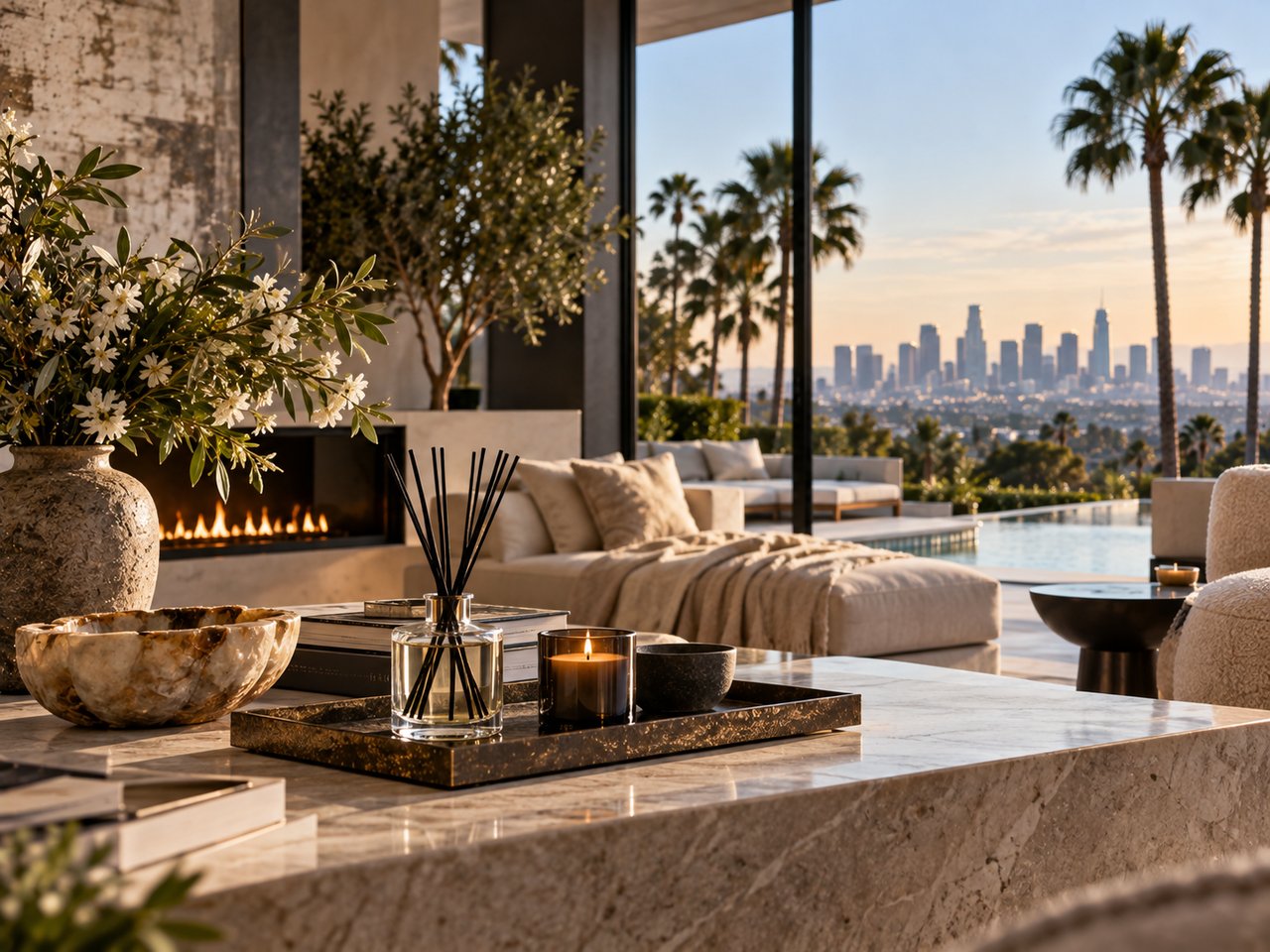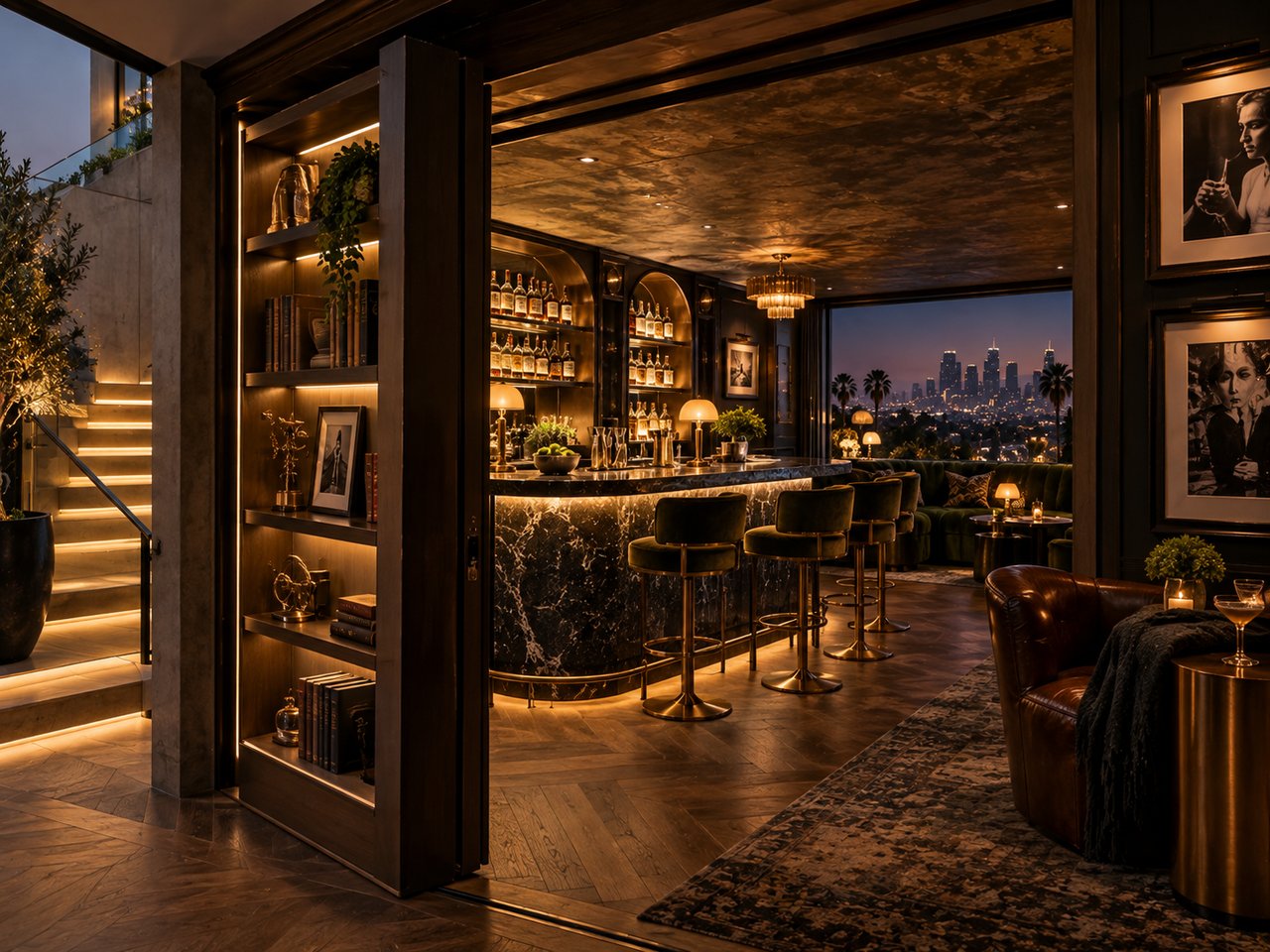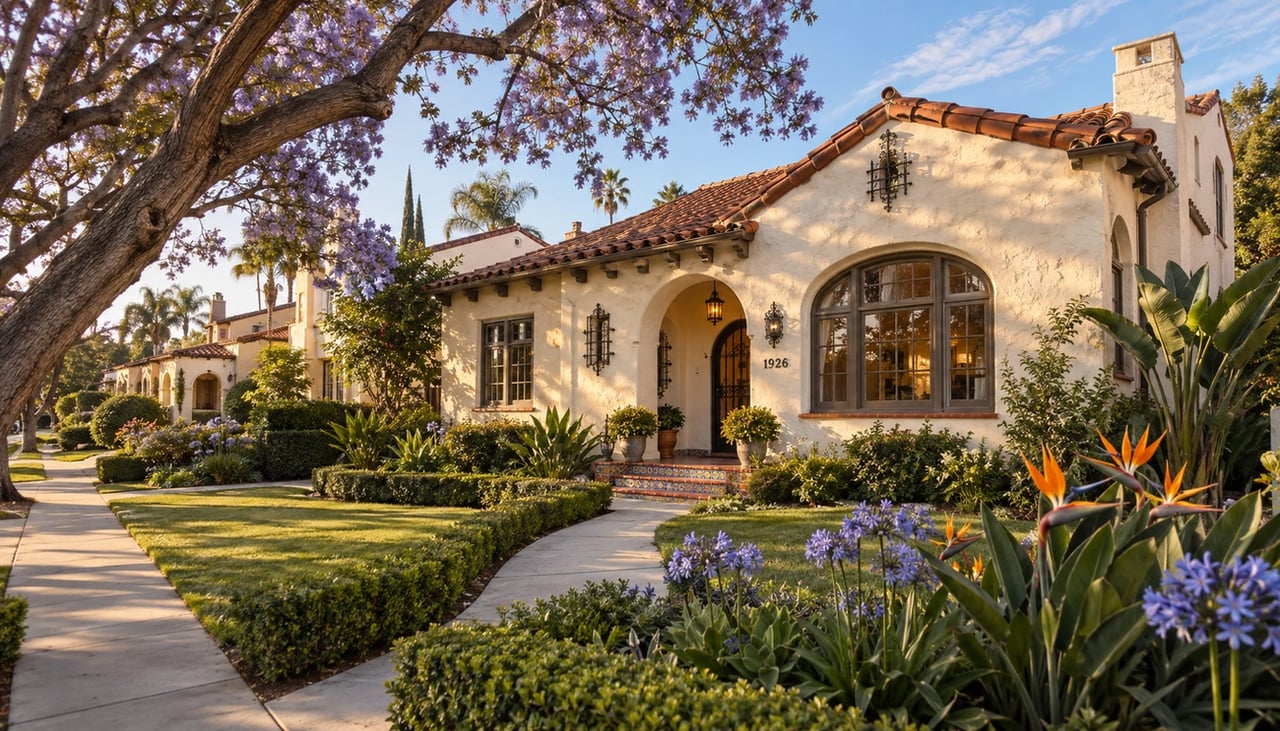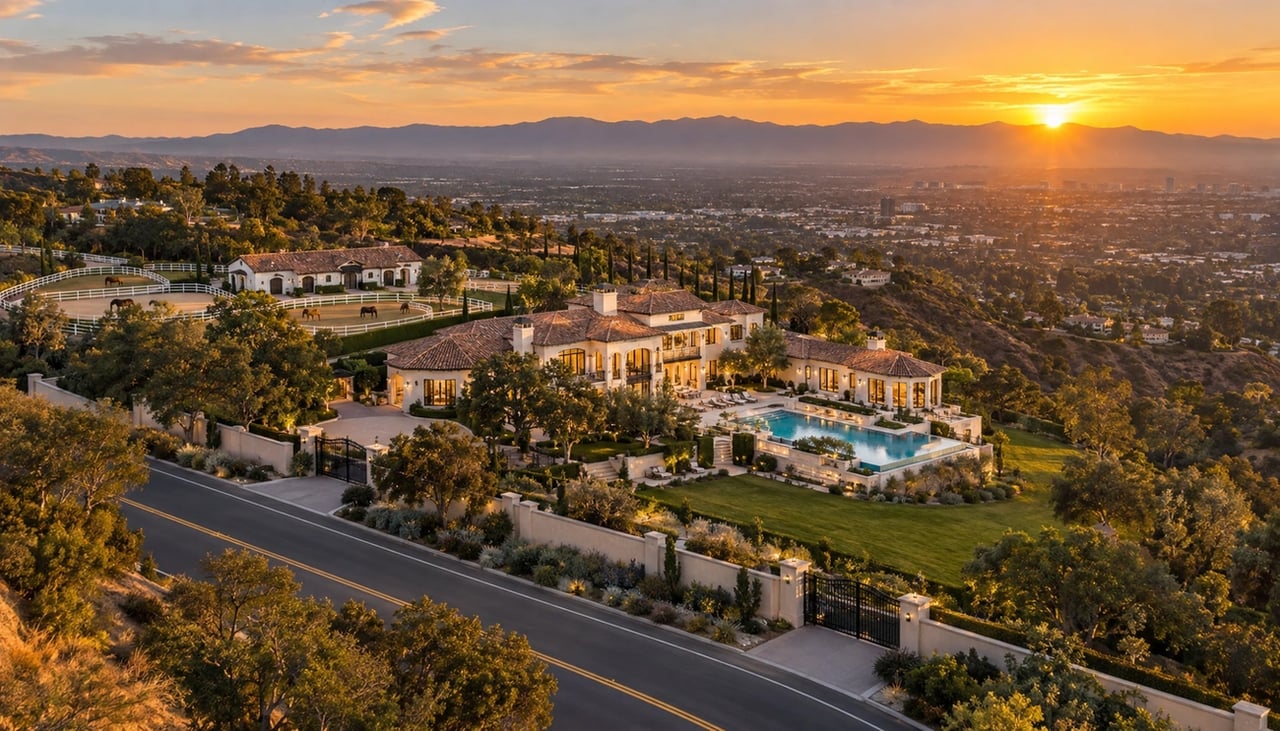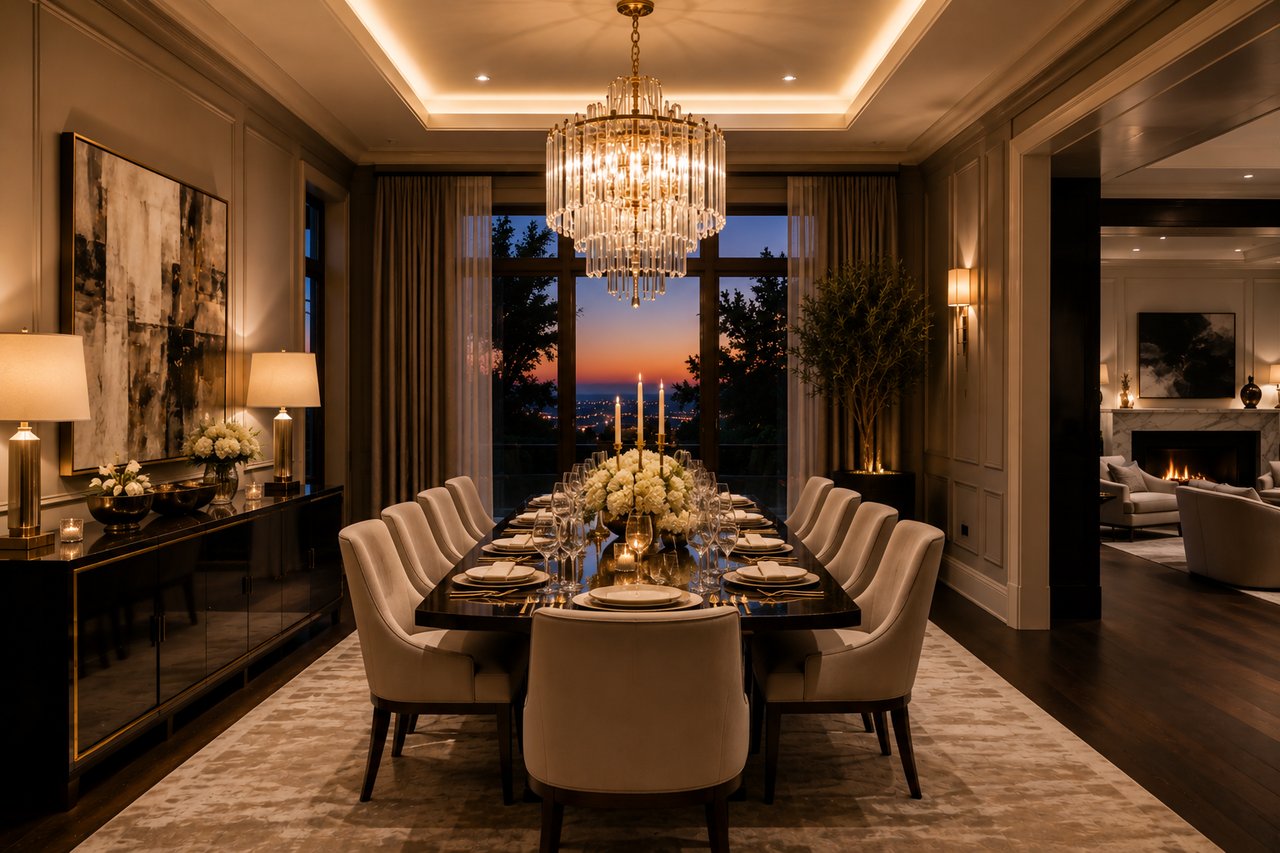
For roughly two decades, the instruction to every architect and spec developer in Los Angeles was essentially the same: open it up. Knock down the wall between the kitchen and the dining room, fold the living room into the same great room, let the whole ground floor breathe as one continuous space. It became such a default that a listing without an open floor plan started to read as dated. In 2026, that default is being quietly rewritten and Los Angeles' luxury buyers are among the ones leading the reversal.
The National Data Behind the Shift
The numbers require a little nuance to read correctly. A Realtor.com trend report found that listings featuring formal dining rooms with built-in cabinetry declined 25.3% year over year — but that decline is specifically about the boxy built-in hutch aesthetic, not about dining rooms disappearing. Interior designers across the country are reporting the opposite trend for the room itself: clients are actively requesting dedicated dining spaces again, just styled with furniture rather than fixed millwork. One New York-based designer put it plainly, noting that for a while people associated formal dining rooms with an outdated, overly stiff aesthetic and gravitated toward open concept instead until they realized an open plan wasn't actually delivering the hosting experience they wanted.
Why Buyers Actually Wanted Walls Back
Hosting Without the Mess on Display
The core realization driving this shift is remarkably consistent across the designers reporting it: an open floor plan puts the entire process of hosting dishes stacking up, sauce splattering the stovetop, serving ware scattered across the island in full view of guests for the entire evening. A dedicated dining room, with a door that can close between courses, concentrates the experience of the meal itself rather than blending it into the visual chaos of active food prep.
The Business-Entertaining Factor Unique to LA's Ultra-Luxury Market
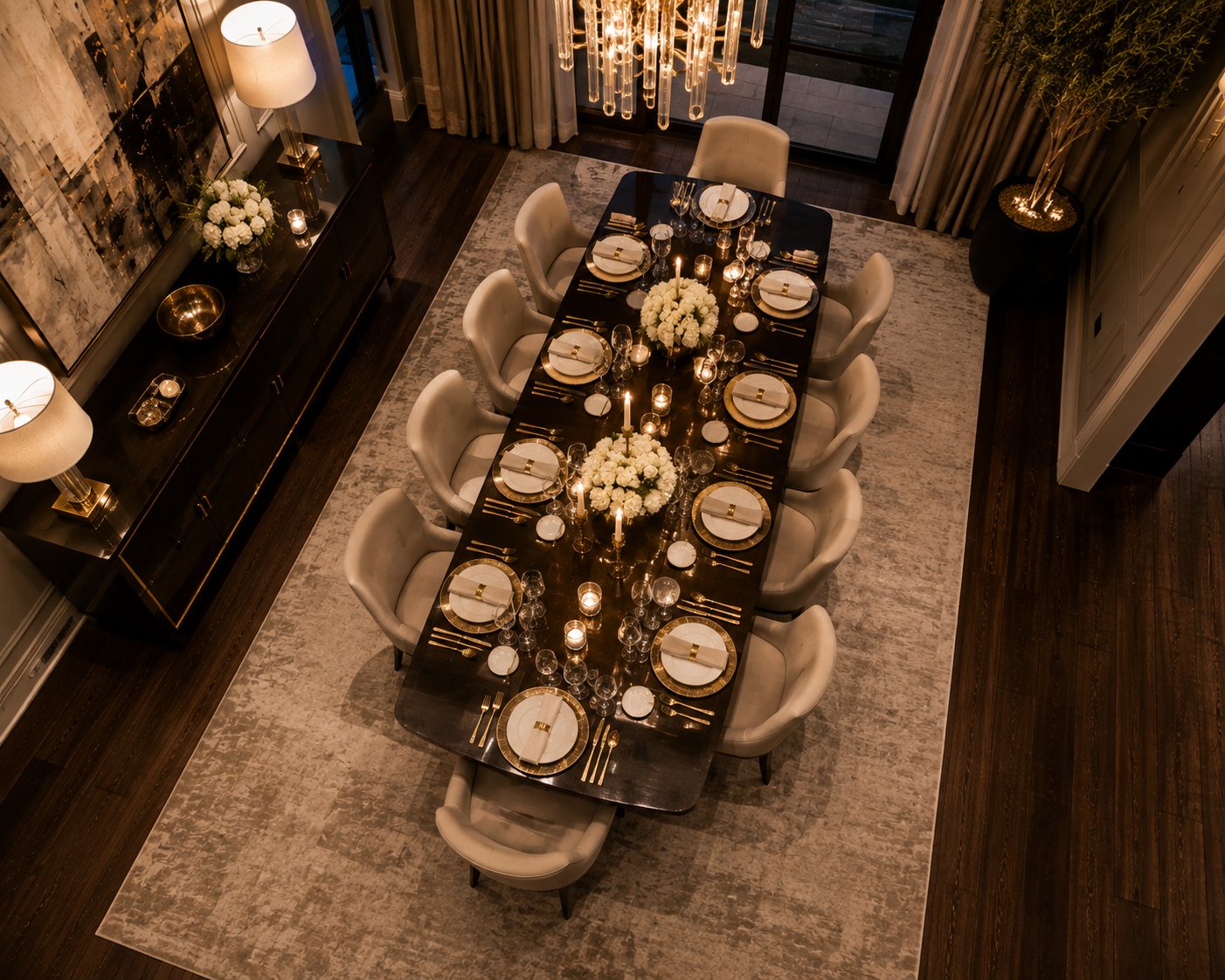
Los Angeles' ultra-luxury buyers have a specific version of this problem that a suburban family in a different market doesn't. A significant share of high-end LA households use their homes for industry dinners, investor meetings, or formal entertaining tied directly to business — the kind of evening where a kitchen island covered in prep mess undercuts the tone the host is trying to set. A dedicated dining room signals occasion and formality in a way an open-concept great room simply can't, which is part of why the room's return is showing up disproportionately in the highest tier of the market rather than evenly across price points.
Acoustic and Olfactory Separation
There's a practical dimension too. Luxury kitchens increasingly feature commercial-grade ranges, high-output ventilation, and serious cooking activity — all of which generates noise and cooking odors that a fully open plan sends straight into the dining and living areas. A defined dining room, even one connected by a wide opening rather than a solid wall, gives buyers a way to keep the sensory experience of cooking contained without giving up flow entirely.
It's Not a Full Return to 1985: It's the "Broken Plan"
Importantly, none of this is architects reversing course back to fully boxed-in floor plans from decades past. What's actually emerging, according to designers fielding these requests, is closer to an "anti-open-plan open-plan" — spaces that stay visually connected through material and sightline choices while gaining real architectural definition. Cased openings, a change in ceiling height, a shift in flooring material, or glass pocket doors that can be opened or closed depending on the occasion are the tools doing the work now, rather than a return to permanently closed rooms. One Chicago-based designer described the approach directly: even when the kitchen and dining room remain connected, the goal now is intentional separation through architectural cues rather than one undifferentiated space.
What This Looks Like in LA's Trophy Estates Right Now
Los Angeles' legacy estates never fully abandoned the formal dining room in the first place, and that's becoming a genuine selling point rather than a liability. Casa Encantada, the historic Bel Air estate built in 1937 and meticulously restored in recent years, markets its formal dining room and adjoining junior dining room as centerpiece features rather than something to apologize for. The Monocle, a newly built Holmby Hills estate, likewise pairs its large living and family rooms with a distinct formal dining space rather than folding everything into one great room. At the same time, plenty of new-construction spec listings across the Westside continue to market an expansive, fully open floor plan as the primary selling feature — which is exactly why this moment is genuinely split, rather than a clean, universal shift. The buyers driving the highest price points are increasingly the ones asking for the room back.
What This Means for Sellers and Buyers Right Now
Sellers with an existing formal dining room should think carefully before demolishing it during a renovation to chase an open-concept look that may already be losing its edge with the exact buyer pool shopping at the top of the market. A well-proportioned, connected-but-defined dining space is increasingly an asset, not a dated liability.
Sellers with a fully open great room don't necessarily need a full remodel to respond to this shift. A change in ceiling treatment, a half-wall, or a well-placed cased opening can introduce a sense of a defined dining space without a structural overhaul — a lighter-touch move worth discussing with a designer before listing.
Buyers touring a home with an intact formal dining room shouldn't automatically discount it as outdated. Given where design sentiment is heading, that room may be exactly what the next generation of resale buyers is specifically looking for, rather than a feature to plan around removing.
Key Takeaways
- The formal dining room is genuinely returning to favor after roughly two decades of open-concept dominance, according to interior designers nationally and increasingly in Los Angeles' luxury market specifically.
- The decline in "formal dining rooms with built-ins" (down 25.3% year over year per Realtor.com) reflects a style shift, not a disappearing room — buyers want the space without the boxy built-in cabinetry of decades past.
- LA's ultra-luxury buyers have a distinct motivation beyond aesthetics: business entertaining at home rewards a dedicated, formal space in a way a casual open kitchen island doesn't.
- The trend isn't a full reversal to fully enclosed floor plans. Designers are using cased openings, ceiling height changes, and glass pocket doors to create defined dining spaces that stay connected to the rest of the home.
- Legacy LA estates like Casa Encantada and The Monocle continue to market formal dining rooms as centerpiece features, even as many new-construction spec listings still lead with a fully open floor plan — a sign the market is actively split right now.
FAQs
Q1. Is the open-concept floor plan actually going out of style in luxury real estate? Not entirely, but it's losing its status as an automatic default. Buyers and designers increasingly favor a hybrid approach — connected spaces with real architectural definition — over a single, undifferentiated open room.
Q2. Why are Los Angeles luxury buyers specifically driving this shift? A meaningful share of high-end LA households use their homes for business entertaining, and a dedicated dining room signals formality and occasion in a way an open kitchen and living area doesn't, which makes the trend show up disproportionately at the top of the market.
Q3. Does bringing back a formal dining room mean going back to fully closed-off rooms? No. Designers are largely using techniques like cased openings, ceiling height changes, and glass pocket doors to define a dining space while keeping it visually and functionally connected to the rest of the home.
Q4. Should I remove my home's existing formal dining room before listing it? Not necessarily. Given the current shift in buyer sentiment, an existing formal dining room may be a genuine asset with today's luxury buyer pool rather than a dated feature that needs to be removed.
Q5. How can I add a sense of a formal dining space without a major renovation? Lighter-touch changes — a shift in ceiling treatment, a half-wall, distinct flooring, or a well-placed cased opening — can create a defined dining area without the cost and disruption of a full structural remodel.
Conclusion
The open floor plan didn't fail — it simply stopped being the automatic answer for every buyer at every price point. What's replacing it in Los Angeles' luxury market isn't a return to the boxed-in floor plans of the 1980s, but a more deliberate approach that gives the dining room its purpose back without sacrificing the flow buyers have come to expect. For sellers, that shift is worth understanding before a renovation decision locks in the wrong bet.
If you're weighing a renovation decision or evaluating a property's layout ahead of a purchase or sale, Christina Pope can help you understand what today's luxury buyers are actually looking for.  310-404-9931
  [email protected]
Christina Pope — Sotheby's International Realty EliteResidenceInternational.com | 310-404-9931 | [email protected]
Design trend data referenced reflects reporting from Realtor.com, Elle Decor, House Beautiful, and other design and real estate publications as of early-to-mid 2026.