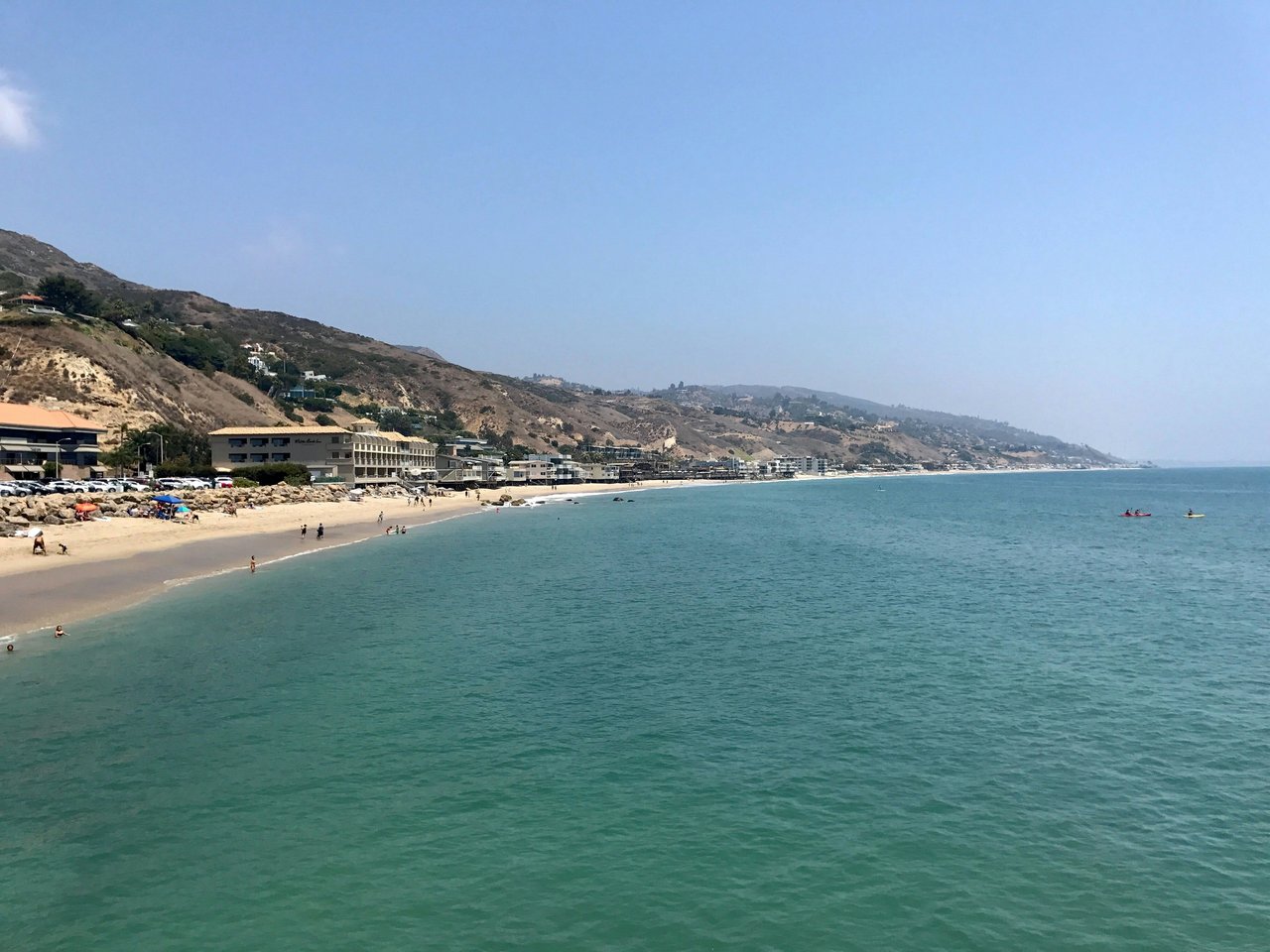
Malibu real estate market report shows a striking mix of extremes. A 31-acre estate in the Santa Monica Mountains hit the market at $52 million. The median home price has dropped 20% to $2.9 million since last year. This unexpected gap shows the complex nature of Malibu's current market.
Malibu's world-famous coastline and celebrity status can't shield it from its challenges. Properties now sit on the market for 152 days, up from 115 days last year. About 700 homes were destroyed by wildfires, including 300 beachfront properties along Pacific Coast Highway. The rebuilding process moves at a snail's pace. Only 22 building permits have been issued, and just four approvals came through from hundreds of applications. These conditions create a mix of possibilities and roadblocks in neighborhoods of all types.
Malibu's luxury real estate goes beyond the attention-grabbing listings. Most deals happen through private networks, where timing and access are vital for buyers. The rental market tells a similar story of exclusivity. Monthly rates start at $85,000 and reach an eye-popping $320,000 for premium properties. These numbers help explain why Malibu stays one of America's priciest real estate markets.
The Wildfire Effect: How Disaster Reshaped the Market
The Palisades Fire swept through Malibu's coastline and neighborhoods in January 2025. This devastating event changed the area's property landscape forever. The fire destroyed almost 720 homes, including several premium beachfront properties. Malibu's path to recovery stands out from its neighboring communities.
Losses in property value across Malibu neighborhoods
Property values have taken a steep dive. Burned lots now sell at 20-60% below their value before the fire. This change has turned Malibu into a buyer's dream market while leaving homeowners devastated. The market shows 160 lots listed this year, and 47 of these have seen price cuts.
Each neighborhood tells a different story. A burned lot in Big Rock started at $1.65 million and has seen two price drops. Las Flores Beach shows a similar pattern. An oceanfront parcel listed at $3 million in April dropped to $1.95 million by October without finding buyers. The market has seen about 75 lot sales since the fire. Sales continue to slow as more homeowners choose to sell instead of rebuilding.
Why rebuilding is harder in Malibu than nearby cities
Malibu's rebuilding challenges set it apart from other Southern California communities. The city supports "slow growth" and has fewer residents now than it did 34 years ago during its incorporation. The land itself creates unique problems. Half of the burned homes sat on the water, while 30% perched on steep slopes. These locations need special foundations, septic systems, seawalls, and retaining walls.
Rules and regulations make things even harder. FEMA's updated flood elevation standards have led to rejected applications. These rules require oceanfront homes to sit higher above the sand. Malibu's new septic standards also demand costly onsite wastewater treatment systems. These systems cost hundreds of thousands to install.
A homeowner shared his frustration: "I have friends a few miles east in Pacific Palisades who are starting to build already. I submitted my applications in the spring, the same time as them, but it still hasn't gotten approved".
The emotional toll on long-time residents
The disaster left deep emotional scars beyond financial damage. People struggle with grief and dysregulation. Many seem "stuck in a fog". Children show signs of stress and fear through withdrawal.
The community's identity hangs in the balance. A resident expressed this sentiment: "It might not be the Malibu we loved for years, where the bartender knows your drink and you see your neighbors at the local restaurants". This lost sense of community adds to personal losses, creating an emotional weight that matches the financial burden.
Neighborhood-by-Neighborhood: Who’s Selling, Who’s Staying
Malibu's iconic coastline tells a tale of contrasting fortunes in the post-wildfire market. Some neighborhoods struggle while others manage to keep their charm. The differences between communities have never been more evident.
La Costa Beach: From celebrity enclave to empty lots
This once-prestigious stretch of A-list celebrities and industry executives now shows a startling number of vacant parcels. La Costa Beach has seen a 35% decrease in occupied homes since the fires. Property values have dropped by nearly 28%. Oceanfront lots that once sold for $7-8 million now list below $5 million. Rather than rebuilding, former residents point to emotional burnout from repeated evacuation orders as their reason to sell.
Big Rock and Las Flores: A buyer's market emerges
These hillside communities show the most dramatic changes, as inventory levels soar 40% above pre-fire averages. Many longtime residents chose to relocate instead of facing rebuilding challenges. Price reductions happen often, and homes sell 15-20% below their original asking prices. Las Flores offers unprecedented opportunities for first-time Malibu buyers, with median prices at their lowest point in eight years.
Malibu Road and Paradise Cove: Holding strong
These prestigious areas stand out by retaining their value remarkably well. Paradise Cove shows minimal inventory growth with just seven homes available, compared to the usual four or five. Malibu Road properties continue to demand premium prices, with recent sales just 5% below pre-fire values. Local homeowners show determination to stay as rebuilding efforts progress steadily despite regulatory hurdles.
Western Malibu: The next frontier?
The area beyond Point Dume offers compelling opportunities. Western Malibu experienced fewer fire losses and attracts buyers who want more privacy and value. Land prices stay 20-25% lower than similar central Malibu properties. This makes the area increasingly attractive to developers and privacy-conscious buyers who seek substantial acreage.
New Players, New Rules: Developers and Regulations
Innovative developers are stepping into Malibu's challenging real estate landscape with fresh approaches as rebuilding efforts remain stalled. Success in rebuilding now depends on navigating the regulatory environment and managing costs.
Prefab luxury homes and the Zuru Tech model
New Zealand billionaire brothers Mat and Nick Mowbray have created a new development model for fire-ravaged properties by investing over $65 million to purchase 16 beachfront lots. Their company, Zuru Tech, builds prefabricated luxury homes in China. These homes feature lightweight concrete walls and concrete roofing that the company calls "fire safe". Each home's unique design avoids the typical prefab look. The structures take just 4-6 weeks to produce, and the company plans to complete the first two homes by 2027 and all sixteen by 2029.
How FEMA and septic rules are slowing rebuilds
Homeowners face tough regulatory hurdles. Malibu has issued just 22 building permits, while Los Angeles has approved over 1,300 permits in Pacific Palisades. FEMA's new flood elevation standards require oceanfront homes to sit higher above sand, leading to many rejected applications. Malibu's updated septic requirements add another challenge by mandating expensive onsite wastewater treatment systems that cost hundreds of thousands of dollars. The city might connect to the Hyperion Water Reclamation Plant through a $124 million sewer system as an alternative solution.
Why is Malibu so expensive to build in now?
Construction costs have risen dramatically. Sea walls cost between $8,000-$10,000 per linear foot, and beachfront property foundations now reach $2-3 million. The area's complex geography presents unique challenges - 50% of burned homes sit on water and 30% on steep slopes. Labor shortages and a six-year entitlement timeline (until January 2031) make rebuilding even harder, especially for homeowners with insufficient insurance coverage.
The Future of Malibu Real Estate: What Comes Next?
Malibu's real estate market shows promise beyond current fluctuations. This coveted California coastal stretch maintains its value due to its natural lack of available property. Investors continue to show interest despite market challenges.
Will Malibu become a city of second homes?
Remote work has made non-primary residences more popular than ever. Malibu's luxury rental market shows exceptional strength with steady rates that break records. The right home can transform your entertainment experience. Let me help you find spaces that are perfect for upscale living and seamless hosting if you plan to buy soon or start your search. Christina Pope 📞 310-404-9931 ✉️ [email protected]
How the Malibu Dream Resort reflects new buyer priorities
This 31-acre estate, listed at $52 million ($5,778 per square foot), shows how buyer priorities have evolved. Its rental rates range from $85,000 to $320,000 monthly, proving strong interest in ready-to-use luxury properties. Buyers now look for eco-friendly features as environmental awareness grows.
Who lives on Billionaire Beach Malibu—and will they stay?
Oracle CEO Larry Ellison owns 10 properties on Carbon Beach, nicknamed "Billionaire's Beach." This exclusive stretch houses entertainment executives and business tycoons. Small beachfront lots here start at $15 million.
What to expect from Malibu real estate trends in 2026
Future projections show:
- Mortgage rates should drop to about 5.9% by late 2026
- National home sales will rise nearly 10%
- Luxury coastal markets will perform better than California's modest 2-3.6% appreciation
Conclusion
Malibu's real estate market paints a picture of stark contrasts and surprising resilience. The median home prices dropped 20%, yet ultra-luxury properties still fetch astronomical sums. A recent $52 million listing in the Santa Monica Mountains proves this point. Different neighborhoods show varied recovery patterns after the wildfires. Paradise Cove and Malibu Road still command premium prices, while La Costa Beach, Big Rock, and Las Flores now give first-time buyers a chance to own property in Malibu.
Homeowners face tough obstacles when trying to rebuild. FEMA's new flood elevation standards and Malibu's strict septic rules have created a rebuilding bottleneck. This explains why only 22 building permits exist after 700 homes were destroyed. Zuru Tech's prefabricated luxury homes might be the answer to Malibu's future development needs.
Long-time residents feel the emotional toll deeply. Many struggle with the choice to rebuild or sell their beloved properties at much lower prices. Their worry about Malibu's changing community character adds another layer to the market's ongoing changes.
Malibu's limited supply still draws investors despite these challenges. More people buy second homes here as remote work becomes common, which could turn Malibu into a city of vacation properties. Buyers now look for eco-friendly features that protect against future disasters.
Malibu stands as one of America's most exclusive real estate markets, where private deals often exceed public listings. The market faces new challenges, but its lasting appeal shows that Malibu will adapt and thrive. Neighborhoods may change, rules may get stricter, and building costs may increase—yet Malibu's charm remains strong, promising a different but still desirable coastal haven for those who can afford it.
Key Takeaways
Malibu's real estate market reveals a complex landscape of opportunity and challenge following devastating wildfires that reshaped the coastal community's future.
• Wildfire damage created a buyer's market: Property values dropped 20-60% in fire-affected areas, with burned lots selling at significant discounts and 47 of 160 listed properties receiving price cuts.
• Rebuilding faces unprecedented regulatory hurdles: Only 22 building permits issued despite 700 homes destroyed, due to FEMA flood standards and expensive septic requirements costing hundreds of thousands.
• Neighborhood recovery varies dramatically: Paradise Cove and Malibu Road maintain premium values, while La Costa Beach and Big Rock offer first-time buyer opportunities with 15-20% price reductions.
• Innovative development models emerge: New Zealand billionaires invested $65M in prefab luxury homes, potentially revolutionizing Malibu's rebuilding approach with fire-safe construction completed in weeks.
• Ultra-luxury market remains resilient: Despite median price drops, high-end properties still command $52M listings and $85K-$320K monthly rentals, proving Malibu's enduring scarcity value.
The market's transformation reflects both devastating loss and emerging opportunity, as regulatory challenges force innovation while Malibu's fundamental appeal ensures continued investment from those seeking California's most exclusive coastal real estate.
FAQs
Q1. What are the current trends in Malibu's real estate market? Malibu's real estate market is experiencing a significant shift, with median home prices dropping 20% since last year to $2.9 million. However, ultra-luxury properties continue to command high prices, and some neighborhoods like Paradise Cove and Malibu Road are maintaining their premium status.
Q2. How have recent wildfires affected Malibu's property values? The wildfires have had a substantial impact on property values in Malibu. In fire-affected areas, property values have dropped by 20-60%, with many burned lots selling at significant discounts. This has created opportunities for buyers, particularly in neighborhoods like Big Rock and Las Flores.
Q3. What challenges are homeowners facing when rebuilding in Malibu? Rebuilding in Malibu has become increasingly challenging due to new regulations. Homeowners must comply with FEMA's updated flood elevation standards and Malibu's new septic requirements, which can cost hundreds of thousands of dollars. These hurdles have resulted in only 22 building permits being issued despite 700 homes being destroyed.
Q4. Are there any innovative solutions emerging for rebuilding in Malibu? Yes, new approaches are emerging. For example, Zuru Tech, founded by New Zealand billionaire brothers, is introducing prefabricated luxury homes that can be produced in 4-6 weeks. These homes are designed to be fire-safe and offer a potential solution to the slow rebuilding process in Malibu.
Q5. Is Malibu still considered a good real estate investment? Despite recent challenges, Malibu remains an attractive real estate investment due to its fundamental scarcity value. The luxury rental market is exceptionally strong, with high demand and record-breaking rates. Additionally, Malibu's enduring appeal as an exclusive coastal location continues to attract high-end buyers and investors.