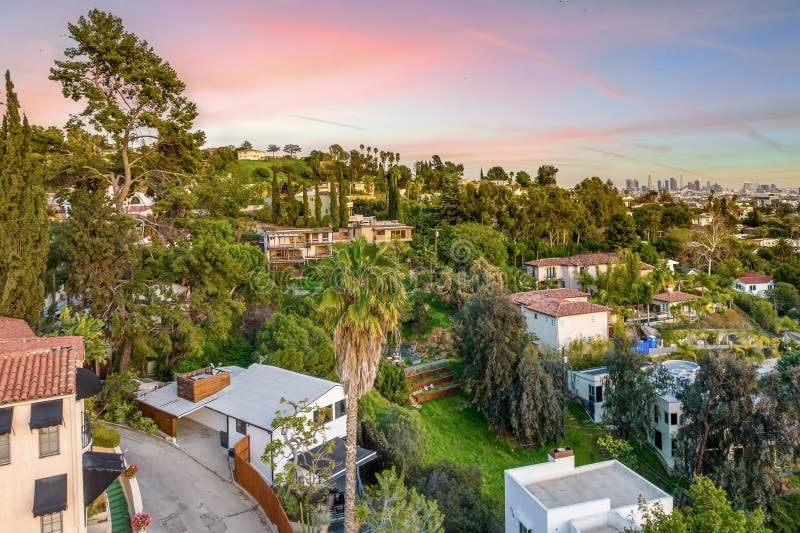
The Hollywood Hills real estate market follows its own distinct rules, separate from every other housing sector in America. Transactions in these exclusive neighborhoods happen through private conversations rather than public listings. The most significant properties often change hands without ever appearing in California real estate news or standard market reports.
Hollywood homes represent something far more complex than square footage calculations. Each neighborhood commands different values based on specific locations, architectural heritage, and privacy elements. Private networks, precise timing, and exclusive access drive this market—not headlines or conventional forces.
Buyers and sellers who understand these quiet dynamics hold the real advantage in this specialized segment of Los Angeles real estate. The true story emerges neighborhood by neighborhood, where Hollywood Hills houses reflect vastly different market realities based on their precise positioning within these coveted hills.
Understanding the Hollywood Hills Real Estate Landscape
The Hollywood Hills functions as multiple real estate markets layered onto a single map. This area isn't a singular neighborhood—it's a sophisticated patchwork of ridgelines, canyon bottoms, and named enclaves where street patterns, lot shapes, and access points differ dramatically from block to block.
Topography defines value throughout these hills. Ridgetop properties command significant premiums due to their panoramic sight lines and perceived status, while canyon-bottom homes trade on privacy, mature trees, and sheltered microclimates. The hillside geography creates natural barriers that offer exceptional security—narrow winding roads make casual drive-bys nearly impossible, while steep inclines deter all but the most determined visitors.
This landscape creates a filtering system that protects residents from unwanted attention, making the area particularly attractive to high-profile buyers. South and west exposures provide better light and sunset moments that elevate outdoor living experiences.
Each micro-market within the Hollywood Hills operates according to its own pricing logic. Properties with broad, unobstructed city-to-ocean or downtown panoramas generally sell for substantially more than similar homes with partial or no views. Clean approach roads, manageable driveway grades, and adequate covered parking spaces significantly impact property values in these prestigious enclaves.
Neighborhood-by-Neighborhood Breakdown
Hollywood Hills contains a collection of distinct neighborhoods, each commanding different price points and attracting specific buyer profiles. This prestigious area shows an overall median home sale price of $1,749,950, yet individual enclaves reveal remarkably different market stories.
The Bird Streets represent the pinnacle, recognized for cutting-edge architecture and exceptional privacy. Mount Olympus commands a median price of $2,999,450, delivering dramatic hillside views through its gated community with round-the-clock security.
Outpost Estates leads at $3,997,500, drawing celebrities and executives who prioritize ultimate seclusion. Hollywood Dell offers a more accessible entry at $1,792,500, showcasing historic 1920s architecture enhanced with contemporary upgrades.
Laurel Canyon preserves its bohemian character and solid values with properties on generous, secluded lots. Beachwood Canyon, home to the famous Hollywood sign, attracts creative professionals and families to its charming European-style residences.
Whitley Heights, listed on the National Register of Historic Places, maintains early 1900s Mediterranean and Spanish Revival architecture with single-family homes beginning around $1.2 million. Nichols Canyon provides the most approachable entry point at $862,000.
The market shows moderate competition with homes typically selling after 87 days, roughly 3% below list price, demonstrating the particular dynamics of these sought-after enclaves.
Inside the Neighborhoods: Stories Behind the Prices
Every Hollywood Hills property carries a story that directly impacts its market value. The true price determinants in these neighborhoods stem from history, architecture, and cultural significance—elements that extend far beyond square footage.
The 1920s marked the real transformation. Developers used bulldozers to carve space in Beachwood Canyon for luxury homes in varied revival styles. These properties sold as exclusive country retreats convenient to Hollywood and downtown, creating the celebrity living template that gained widespread appeal.
Modernist architects claimed the hills' upper reaches during the 1950s. Their innovative engineering techniques produced homes that clung to hillsides while displaying spectacular views. These architectural gems now command premium prices—a restored Monterey Colonial-style farmhouse recently sold for $4.7 million, exceeding asking price by over $400,000.
The iconic Stahl House (Case Study House No. 22) perfectly illustrates value evolution, currently listed at $25 million. The Stahls bought the lot in 1954 for $13,500 and completed construction in 1960 for $37,500.
Laurel Canyon's musical heritage also drives pricing. Its history as home to Frank Zappa, Jim Morrison, and The Eagles creates intangible value that goes beyond standard market measurements. This cultural legacy adds a premium that discerning buyers recognize and appreciate.
What Buyers and Sellers Need to Know Now
Hollywood Hills purchases and sales require specialized knowledge that extends beyond typical real estate transactions. This somewhat competitive market shows homes selling after 87 days on average, typically about 3% below list price.
Hillside ownership presents unique considerations. Properties often need specialized reviews for grading and structure, including soils reports and geotechnical evaluations. Parcels near scenic corridors or along Mulholland face additional design guidelines that restrict massing and visible grading.
Fire risk demands careful attention. Large portions of the Hills sit in high or very high fire hazard severity zones, affecting insurance availability, premiums, and building material requirements. 99% of Hollywood Hills properties have some risk of wildfire over the next 30 years.
Buyers often find winter presents strategic advantages - less competition, better leverage for price adjustments, and superior opportunities to observe how properties handle rainfall and drainage issues.
Sellers benefit from avoiding the common trap of overpricing. As one expert notes, "None of what I wrote above is relevant if your home is OVERPRICED". Comparable sales rather than listings provide the most realistic pricing guidance.
For those who love to entertain, the right home makes all the difference. If you're considering a purchase in the near future or beginning your search, I'd be delighted to help you discover spaces designed for elevated living and effortless hosting. Christina Pope 📞 310-404-9931 ✉️ [email protected]
Market Tiers and Housing Typologies
Luxury properties in the Hollywood Hills exist within distinct market tiers, where architectural pedigree and precise location matter more than conventional metrics. This specialized ecosystem rewards housing typologies that reflect both historical significance and design excellence.
Architectural diversity creates the Hills' premium market structure. Modern, Mid-Century Modern, and Ultra Modern designs command top-tier pricing, while Spanish Revival, Mediterranean, Craftsman, French, and Traditional styles complete the stylistic spectrum. These architectural distinctions establish natural price stratifications that buyers quickly learn to recognize.
Hollywood Dell preserves historic 1920s character with properties ranging from $800,000 to $3.5 million. Beachwood Canyon offers whimsical European-style homes around $2 million, while Hollywood Heights presents Tudor to Mediterranean styles typically priced between $1-4 million.
Outpost Estates occupies the premium tier at $2-7+ million. Whitley Heights maintains early 1900s charm with single-family homes starting around $1.2-1.3 million.
Hollywood Hills properties demonstrate remarkable resilience despite market fluctuations. Homes sell approximately 3% below list price after about 87 days on market, yet continue showing strong value retention. This stability reflects the enduring appeal of these iconic hillside locations, where architectural heritage and exclusive positioning create lasting value propositions that transcend typical market cycles.
Conclusion
The Hollywood Hills real estate market stands apart from any other housing sector in America. This exclusive enclave operates through privileged networks and private conversations rather than traditional markets driven by public listings and predictable cycles. Buyers who understand each neighborhood's distinct character gain significant advantages in these hills. Bird Streets, Mount Olympus, and Outpost Estates each tell different stories through their architectural heritage, view corridors, and privacy elements.
Though properties typically sell about 3% below list price after 87 days on market, these statistics reveal little about what truly drives value here. Architectural style, historical significance, cultural legacy, and precise location within the hills influence pricing far beyond square footage calculations. Specialized considerations around hillside engineering, fire risks, and seasonal timing play crucial roles in transaction success.
What separates the Hollywood Hills market from others is its remarkable stability despite fluctuations elsewhere. These properties represent more than residences—they embody lifestyles shaped by panoramic views, celebrity heritage, and unparalleled seclusion.
Success hinges on understanding the invisible currents that govern this unique marketplace. The true value lies not in headlines or typical market forces, but in the stories, privacy, and privileged access these iconic hillside enclaves provide their fortunate residents.
For those who love to entertain, the right home makes all the difference. If you're considering a purchase in the near future or beginning your search, I'd be delighted to help you discover spaces designed for elevated living and effortless hosting. Christina Pope 📞 310-404-9931 ✉️ [email protected]
Key Takeaways
The Hollywood Hills real estate market operates through private networks and specialized knowledge rather than conventional market forces, with each neighborhood commanding distinct pricing based on unique characteristics.
• Hollywood Hills contains multiple micro-markets with median prices ranging from $862,000 in Nichols Canyon to $3.99M in Outpost Estates, each with distinct buyer profiles.
• Properties sell approximately 3% below list price after 87 days on market, but architectural pedigree and precise location matter more than square footage.
• Hillside ownership requires specialized considerations including soils reports, fire risk assessments, and design restrictions that significantly impact value and insurance costs.
• Topography defines value: ridgetop properties with panoramic views command premiums, while canyon homes trade on privacy and mature landscaping features.
• Winter presents strategic buying advantages with less competition and better opportunities to assess drainage issues during rainfall season.
Success in this exclusive market depends on understanding the invisible currents of celebrity heritage, architectural significance, and cultural legacy that drive value beyond traditional real estate metrics. The Hills' enduring appeal lies in offering unparalleled privacy, panoramic views, and prestigious addresses that maintain stability despite broader market fluctuations.
FAQs
Q1. What makes the Hollywood Hills real estate market unique? The Hollywood Hills market operates through private networks and specialized knowledge rather than conventional market forces. Each neighborhood has distinct pricing based on unique characteristics like views, privacy, and architectural pedigree.
Q2. How do property prices vary across Hollywood Hills neighborhoods? Prices vary significantly, from a median of $862,000 in Nichols Canyon to $3,997,500 in Outpost Estates. Factors like location, views, and architectural style greatly influence pricing beyond just square footage.
Q3. What should buyers consider when purchasing a home in Hollywood Hills? Buyers should be aware of specialized considerations such as hillside engineering requirements, fire risks, and seasonal timing. Winter often presents strategic advantages with less competition and better opportunities to assess drainage issues.
Q4. How does topography affect property values in Hollywood Hills? Topography significantly impacts value. Ridgetop properties with panoramic views typically command premium prices, while canyon homes are valued for their privacy and mature landscaping features.
Q5. What is the current state of the Hollywood Hills real estate market? The market is somewhat competitive, with homes typically selling after 87 days on the market and about 3% below list price. However, the area maintains strong value retention due to its prestigious addresses and unique offerings.