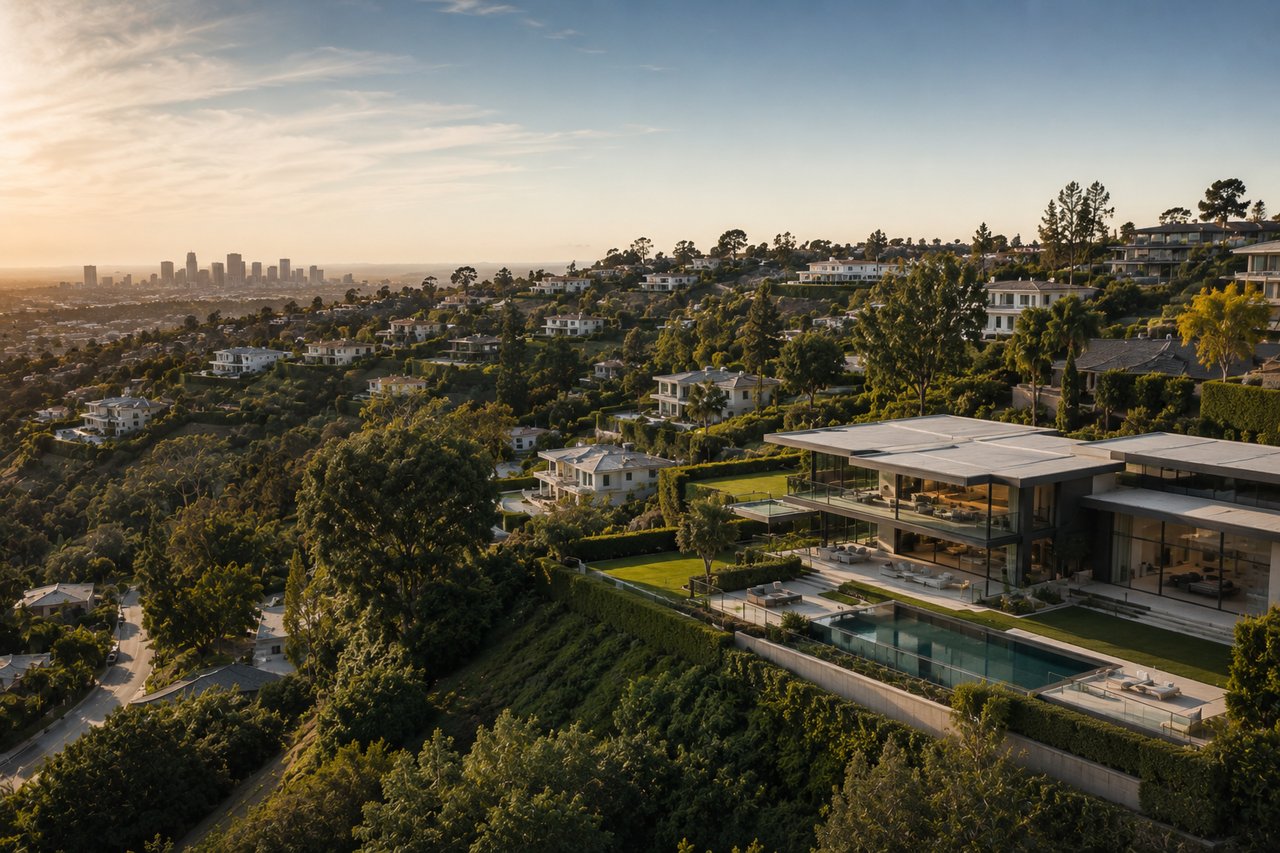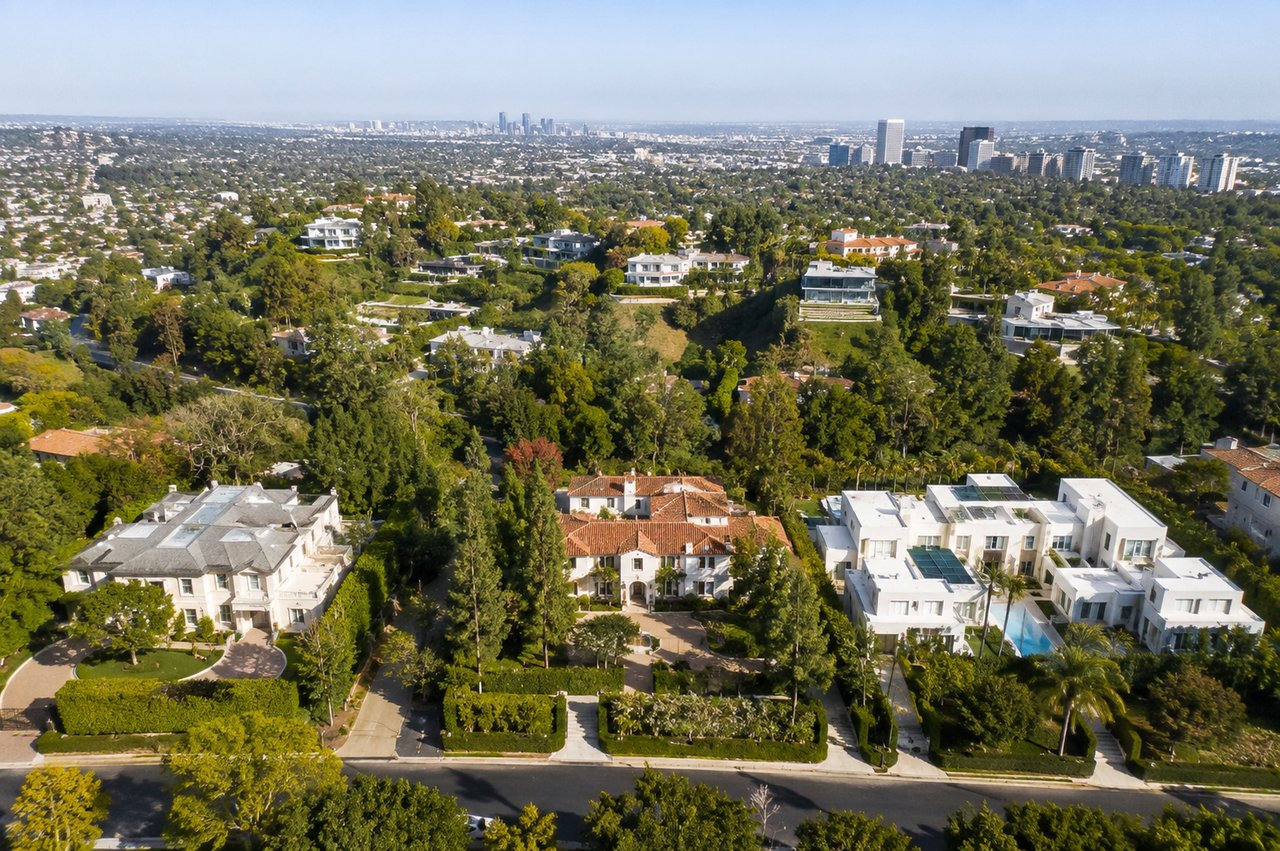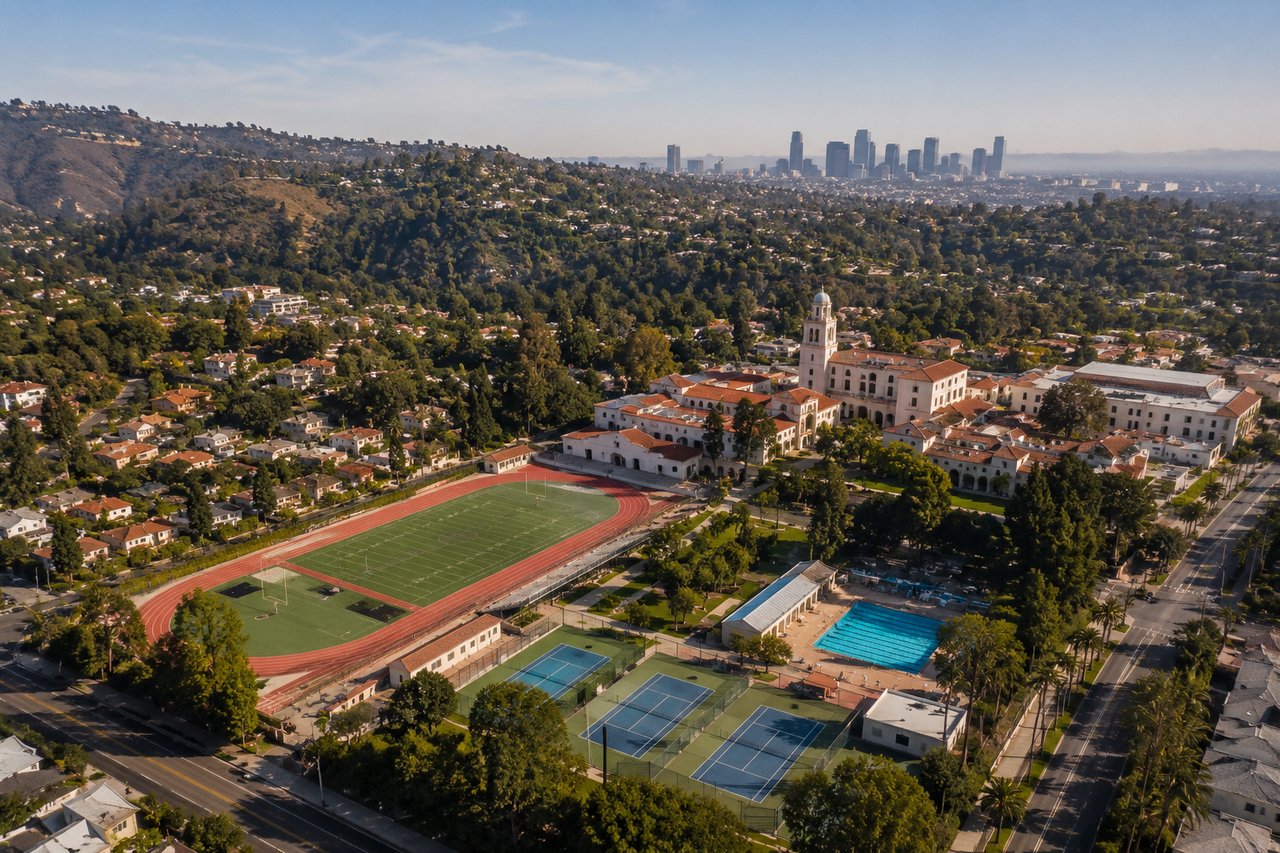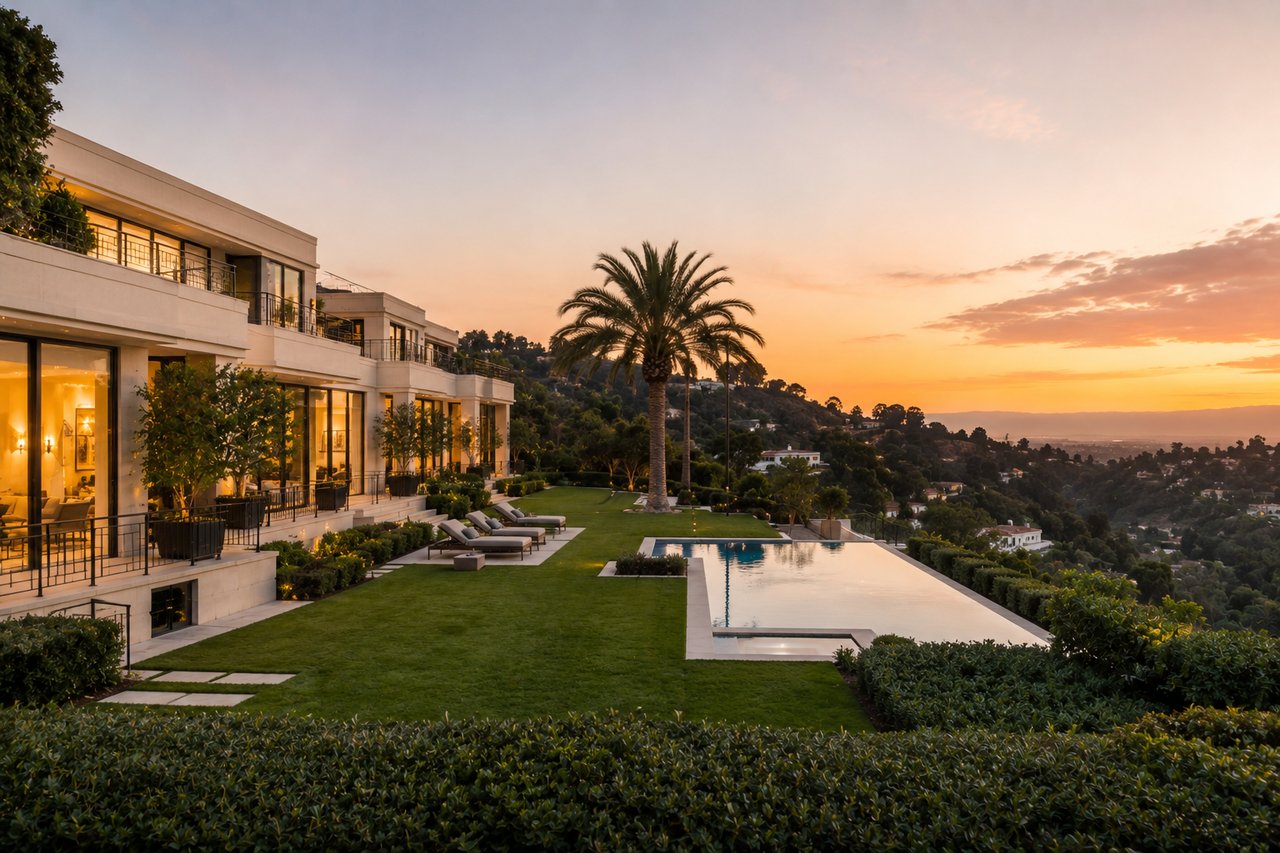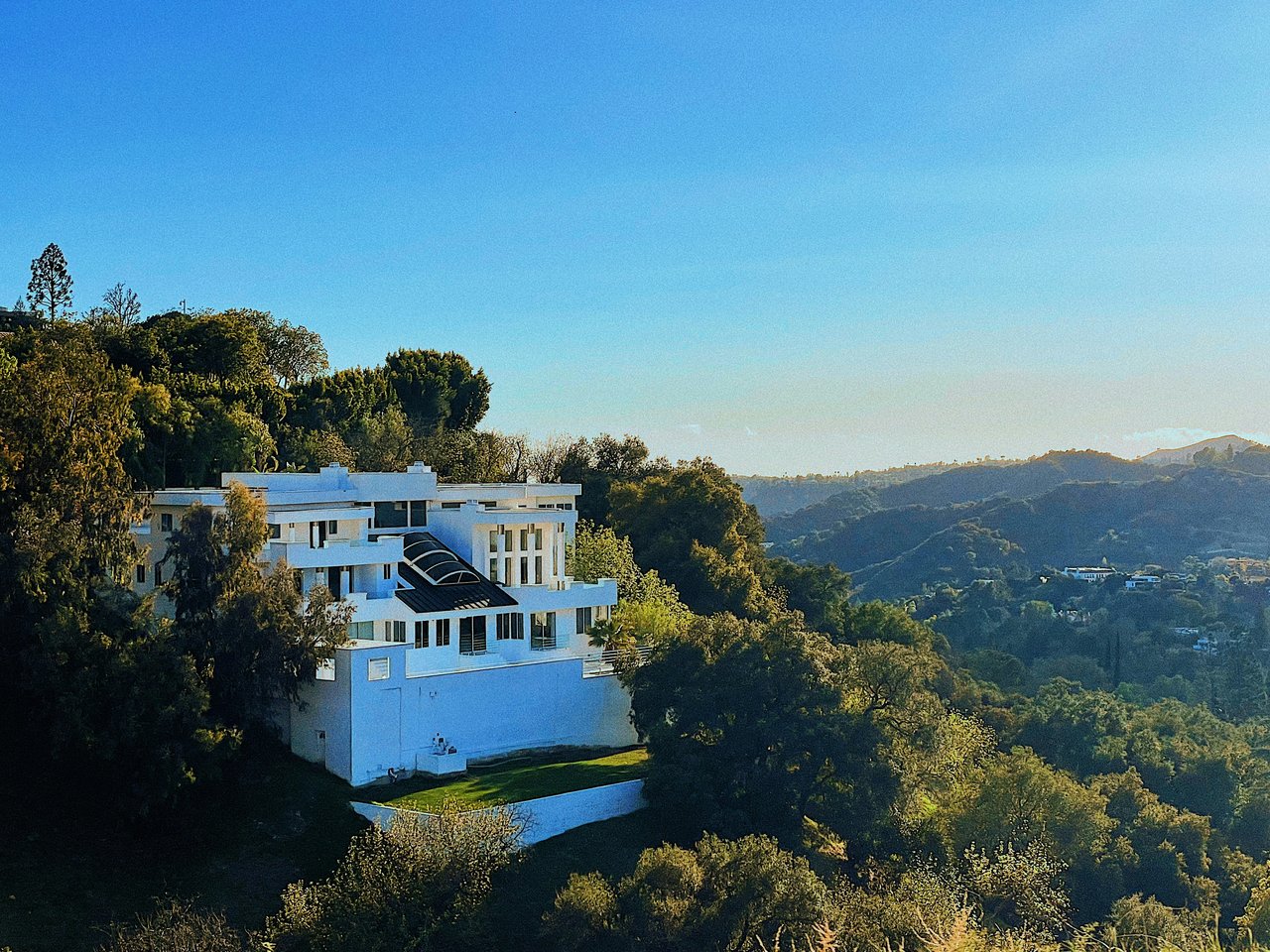
Luxury real estate in Bel Air and surrounding enclaves operates differently than conventional markets. The most important transactions unfold quietly within trusted circles. Discretion carries as much weight as value here. Bel Air has become synonymous with extravagance, positioned as a private enclave between Brentwood and Beverly Hills. Cash transactions account for nearly 60% of luxury purchases. International buyers and seasoned investors prioritize privacy over publicity. Understanding development scale in Bel Air, Hidden Hills, and adjacent luxury markets requires looking beyond public listings. This piece gets into the forces driving mega-mansion development, how estate sizing varies in premier neighborhoods, and the economics shaping these exclusive projects.
The Shift in Estate Sizing: What's Driving Mega-Mansion Development
Residential properties exceeding 8,000 square feet qualify as mega-mansions. Contemporary developments routinely surpass 20,000 square feet, and some reach 40,000 square feet or more. The median new house in Hillside areas hit nearly 9,000 square feet by 2020. This signals how normalized large-scale construction has become. "The One" in Bel Air exemplifies this trend: USD 340 million, 21 bedrooms, 42 bathrooms, spanning a quarter-mile.
A handful of ultra-high sales in the mid-2010s triggered opportunistic developers to build massive homes priced at USD 20 million or higher. The number of ultra-wealthy households in Los Angeles is projected to rise approximately 30% by 2026, ensuring sustained need.
Zoning regulations in hillside neighborhoods like Bel Air and Beverly Hills Post Office permitted very large single-family structures. The Baseline Hillside Ordinance required special planning review only for homes exceeding 17,500 square feet. This allowed developers to build estates under that threshold through standard approval processes. Developers exploited a basement loophole: subterranean levels weren't counted toward square footage limits. This enabled massive below-ground additions for bowling alleys, car galleries and nightclubs.
Construction economics favor larger homes. Fixed costs like land, permits and utilities remain constant whatever the size. This makes additional square footage more profitable per unit.
How Development Scale Varies Across Bel Air, Hidden Hills, and Adjacent Markets
Geographic constraints and community-specific regulations create distinct development patterns in top-tier Los Angeles neighborhoods. Lot sizes are the main factor that sets them apart and dictate both project scale and buyer profile.
Bel Air parcels in upper tiers span 0.5 to 2+ acres with elevated terraces and extended driveways. Smaller luxury sites fall within the 0.25 to 0.5 acre range. The Platinum Triangle communities, which include Bel Air and Beverly Hills, restrict development to single-family dwellings. No condos or townhouses are permitted. Los Angeles applies zoning through 34 Community Plans that compose the Land Use Element. Each specifies permitted development types and regulates project size based on site location. Bel Air falls under Hillside Area overlays and the Hillside Construction Regulation supplemental district, which establish grading thresholds, height standards, and yard requirements that influence large remodels or new construction.
Hidden Hills operates as a fully gated community with around 700 homes and a population under 2,000 residents. Properties sit on lots of one to three acres, with equestrian zoning that allows horse trails and private stables. The median sale price reached USD 9,350,000, coupled with median rent of USD 40,000 per month.
Beverly Hills presents different density levels. Trousdale lots measure around 0.25 to 1 acre for ridgeline views. The Flats offers parcels between 15,000 and 30,000 square feet, and Beverly Park features multi-acre estates that often exceed 20,000 square feet.
The Economics Behind Large-Scale Luxury Development
Construction costs establish the baseline economics. Luxury custom homes in California average USD 600.00 per square foot. Urban markets like San Francisco reach USD 400.00 per square foot or more. Interior finishes account for roughly 24% of total construction costs. Mechanical, electrical and plumbing systems follow at 19%.
Wealthy investors allocate more capital toward trophy assets as hedges against market volatility and currency fluctuations. Prime real estate in financial and cultural hubs attracts attention not only for esthetics but also for strategic location and long-term value. Properties offering unique features command premiums, whether architectural breakthroughs or historical significance. Exclusivity can limit the pool of potential buyers and affect liquidity though.
Original capital outlay remains substantial and couples with major ongoing holding costs. These include maintenance, security, property management and taxes. Properties above USD 10.00 million trade as all-cash transactions more often, which eliminates financing contingencies and accelerates closings.
Family offices now manage approximately USD 6.00 trillion in global assets, and 68% maintain real estate allocations exceeding USD 100.00 million. These portfolios trade through networks invisible to public markets. Mid-sized business owners in the USD 5.00 million to USD 10.00 million range often focus on luxury real estate as investment rather than personal use.
Conclusion
Luxury development scale in Bel Air and Hidden Hills reflects a market shaped by ultra-high-net-worth buyers and community-specific regulations. Mega-mansions exceeding 20,000 square feet have become standard, especially when developers capitalize on favorable zoning and basement loopholes. Nearly 60% of luxury purchases close as cash transactions. These estates function as trophy assets for family offices and international buyers who prioritize discretion. Understanding these dynamics provides context for those navigating Los Angeles' most exclusive real estate markets.
Key Takeaways
The luxury real estate market in Bel Air, Hidden Hills, and surrounding areas has transformed into a mega-mansion economy driven by ultra-wealthy demand and strategic development practices.
• Mega-mansions are the new standard: Properties now routinely exceed 20,000 square feet, with "The One" in Bel Air spanning 105,000 square feet and priced at $340 million.
• Cash dominates luxury transactions: Nearly 60% of luxury purchases close as all-cash deals, reflecting international buyers and family offices prioritizing privacy and speed.
• Developers exploit zoning loopholes: Basement square footage doesn't count toward size limits, enabling massive underground additions for entertainment and storage spaces.
• Construction economics favor larger homes: Fixed costs like land and permits remain constant regardless of size, making additional square footage more profitable per unit.
• Geographic constraints create distinct markets: Bel Air offers 0.5-2+ acre hillside parcels, while Hidden Hills provides 1-3 acre gated estates with equestrian zoning.
• Trophy assets hedge market volatility: Family offices managing $6 trillion globally use luxury real estate as strategic investments, with 68% maintaining allocations exceeding $100 million.
The ultra-high-net-worth population in Los Angeles is projected to grow 30% by 2026, ensuring sustained demand for these exclusive properties that trade primarily through private networks invisible to public markets.
FAQs
Q1. What qualifies as a mega-mansion in luxury real estate markets? Residential properties exceeding 8,000 square feet are classified as mega-mansions, though contemporary luxury developments routinely surpass 20,000 square feet. Some exceptional estates reach 40,000 square feet or more, with properties like "The One" in Bel Air spanning 105,000 square feet across 21 bedrooms and 42 bathrooms.
Q2. Why do developers prefer building larger luxury homes? Construction economics favor larger homes because fixed costs like land acquisition, permits, and utilities remain relatively constant regardless of property size. This makes additional square footage more profitable per unit. Developers also exploited zoning loopholes where subterranean levels weren't counted toward square footage limits, enabling massive below-ground additions.
Q3. How much does it cost to build a luxury custom home in California? Luxury custom homes in California average around $600 per square foot, with urban markets reaching $400 per square foot or more. Interior finishes typically account for approximately 24% of total construction costs, followed by mechanical, electrical, and plumbing systems at 19%.
Q4. What percentage of luxury real estate purchases are cash transactions? Nearly 60% of luxury purchases close as all-cash transactions. Properties above $10 million increasingly trade without financing, eliminating contingencies and accelerating closings. This reflects how international buyers, family offices, and seasoned investors prioritize privacy and transaction speed.
Q5. How do lot sizes differ between Bel Air and Hidden Hills? Bel Air parcels in upper tiers typically span 0.5 to 2+ acres with elevated terraces, while smaller luxury sites range from 0.25 to 0.5 acres. Hidden Hills operates as an entirely gated community where properties sit on larger lots of one to three acres, with equestrian zoning allowing horse trails and private stables.