The Foundation: What Defines Architectural Heritage in Luxury Real Estate
"To provide meaningful architecture is not to parody history but to articulate it." — Daniel Libeskind, Famous Architect
Heritage status in luxury real estate has little to do with age alone. Municipalities and preservation organizations evaluate properties against specific criteria, and architectural significance consistently ranks at the top — particularly when a home represents a style no longer being built. A property can be decades old and entirely unremarkable. Significance is what sets one apart.
Mid-Century Modern Masterpieces and Their Enduring Appeal
Frank Lloyd Wright's organic architecture offers one of the clearest examples of how architect-designed properties command renewed attention over time. Homes that once sat on the market for years now move under contract within months. Wright's commissions illustrate what documented architectural pedigree actually delivers: a design consciousness that resonates with buyers who value how a home feels to live in, not just how it looks on a spec sheet. These are highly discerning individuals drawn equally to the artistry and the experience of occupying a space with that kind of history.
Spanish Colonial Revival and Mediterranean Influences
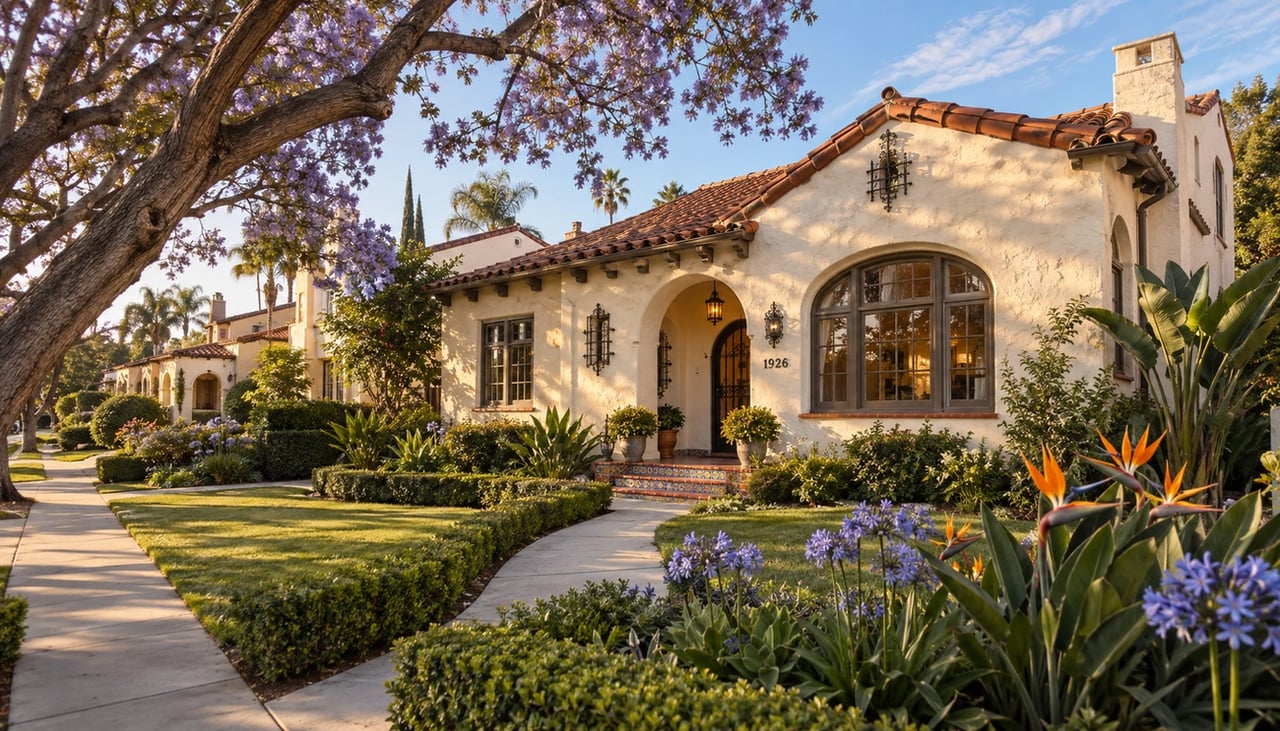
Southern California's landscape lends itself well to modern construction, yet buyer preferences in established luxury enclaves increasingly lean toward styles rooted in the region's own story. Spanish Colonial Revival and Mediterranean architecture carry a sense of place that contemporary builds cannot replicate. Elegant proportions, quality materials, and a natural harmony with the surrounding environment give these homes a presence that holds up across generations.
Architect-Designed Properties with Documented Provenance
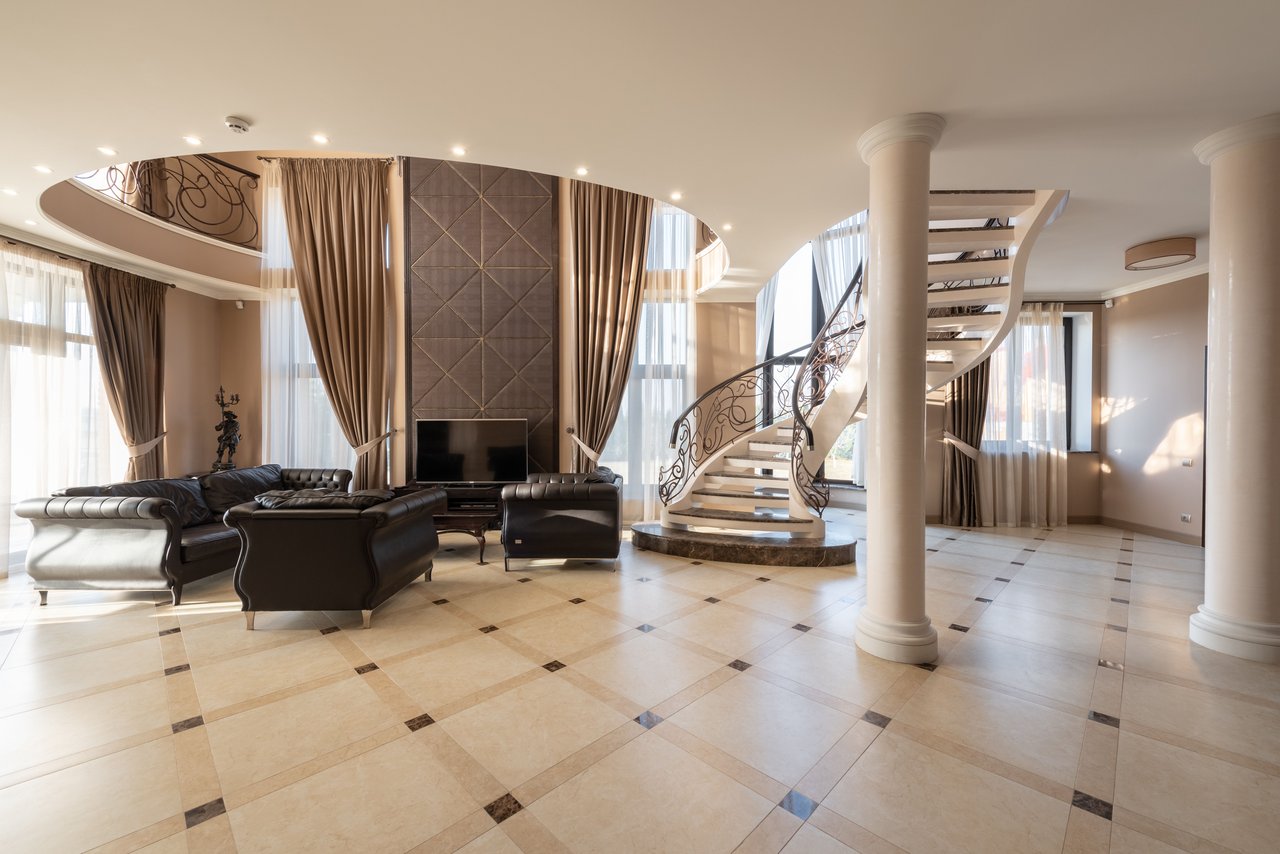
What separates a true architectural heritage luxury home from one that is simply old is documentation. Verified architect attribution, original blueprints, and a clear historical record establish authenticity that no renovation can manufacture. Intricate moldings, period-specific craftsmanship, and rare materials tell the story of how a home was built and by whom. Grand staircases and exposed beams reflect a level of artisan skill tied to a specific moment in time — one that cannot be replicated on demand.
Historic Designations and Preservation Status
Earning municipal heritage designation requires meeting defined thresholds. A home must demonstrate special interest through historical importance, architectural design, construction methods, or cultural value. The Ontario Heritage Act framework, which has shaped preservation standards well beyond its region, outlines how properties are identified, designated, protected, and maintained. Designated homes come with renovation restrictions — exterior changes affecting the streetscape typically require municipal approval. For owners, this calls for patience and access to specialized materials, but the tradeoff is the integrity of a property that holds its character over time.
Scarcity and Irreplaceability: Why Heritage Properties Command Premium Valuations
"Buy land, they aren’t making anymore of it." — Mark Twain, Author and humorist
Scarcity, in luxury real estate, is not a sales pitch it is an economic reality. Land cannot be multiplied, historic enclaves cannot expand, and a property carrying centuries of craft and history cannot simply be rebuilt. That irreproducibility is precisely what gives architectural heritage luxury homes their structural edge over time, especially in established markets where new construction offers no real competition.
Limited Supply in Established Luxury Enclaves
The numbers tell a clear story. Sales of homes over $1 million in Miami-Dade climbed 147% since 2019, with ultra-luxury properties above $10 million surging 248%. Palm Beach saw median home prices rise 89% over five years, with $20 million-plus sales up 500%. These figures are not anomalies they reflect what happens when finite inventory meets persistent demand. A Productivity Commission study found heritage listings can add 12% to market value in Sydney's north shore alone. The properties are few, the buyers are serious, and the gap between the two only grows.
Zoning Restrictions That Protect Architectural Integrity
Regulatory frameworks add another layer of protection. Height restrictions and density limits on protected properties prevent new competition from entering the market. For buyers of architectural heritage luxury homes, these rules function as a permanent barrier one no amount of capital can simply build around.
The Impossibility of Recreating Authentic Period Architecture
No developer can commission a new Art Nouveau villa or a seventeenth-century stone farmhouse. Certified historic properties hold structural advantages that new-build developments, subject to cyclical construction trends, cannot match. Authentic identity is becoming genuinely rare in markets where mass production sets the standard.
Celebrity Ownership History as Value Amplifier
Documented architectural merit already commands a premium on its own. When prior ownership by a notable figure enters the picture, that premium deepens further. Celebrity provenance introduces an exclusivity that heightens buyer interest and accelerates competition in ways that architectural pedigree alone does not always achieve.
Market Dynamics: How Architectural Pedigree Outperforms Standard Luxury Homes
The numbers tell a straightforward story for those paying attention.
Price Per Square Foot Premiums in Heritage Properties
Legacy luxury markets carry an interesting paradox. Los Angeles, San Francisco, and New York City maintain high-end housing stock dating primarily from the 1970s through 1990s. At the $1 million to $2 million tier, these architectural heritage luxury homes average between 1,600 and 2,000 square feet well below the national median of roughly 2,900 square feet. Yet buyers consistently pay more. Land, neighborhood prestige, and proximity carry far greater weight than square footage or how recently a home was built.
Appreciation Rates Compared to New Construction
Custom architecture appreciates faster than regional real estate averages and regularly breaks local price-per-square-foot records. Homes designed by recognized architects add 5% to 10% additional value in the Los Angeles market alone. Studies confirm that signature architecture increases sales prices by 10% and rental valuations by 5%. These properties also spend fewer days on market than their conventional counterparts — a detail that matters when timing determines outcome.
Off-Market Transaction Patterns Among Discerning Buyers
San Jose luxury properties sold in a median of 19 days, illustrating how quickly architectural design luxury homes are absorbed when they do become available. When active listings concentrate in a market, demand pools are deep enough to move inventory with speed. For buyers who wait for public listings, the best properties are often already gone.
Global Investor Demand for Culturally Significant Real Estate
At the luxury tier, age is rarely the deciding factor location and scarcity are. Established neighborhoods with limited developable land hold pricing momentum even when the underlying properties date back several decades. Architectural quality is frequently undervalued in standard listings, which is precisely where informed investors with an eye for documented pedigree find their best opportunities.
Strategic Investment Value: Long-Term Returns and Portfolio Positioning
High-net-worth buyers rarely limit their thinking to equities and bonds alone. Luxury real estate holds a distinct place in any serious portfolio tangible, livable, and historically resilient. Properties in established enclaves tend to hold their ground during economic uncertainty, supported by limited supply and the kind of demand that does not disappear.
Consistent Performance Across Economic Cycles
The numbers speak clearly. Single-family luxury homes have increased 20% since 2020, placing them among the top 10% of real estate markets nationwide. With the world's wealthy population growing approximately 20% in 2021 alone, the buyer pool for these properties only deepens. Hard assets hold their value through inflationary periods — and architectural heritage homes, with their irreplaceable character, tend to do more than hold.
Tax Advantages and Proposition 13 Benefits
Properties purchased at earlier valuations often accumulate equity well beyond initial expectations as surrounding markets climb. That equity becomes a flexible resource one that can be structured, accessed, or passed forward depending on the owner's needs.
Rental Income Potential in High-End Heritage Homes
Heritage homes in sought-after locations attract interest from seasonal renters and long-term tenants alike. Location, amenities, local regulations, and attentive property management all shape how well a property performs. Some historic properties lend themselves naturally to boutique hospitality uses, offering yet another avenue for income without compromising the asset's long-term appreciation.
Legacy Property Status for Generational Wealth Planning
Perhaps most meaningfully, architectural heritage homes serve as anchors for multi-generational wealth planning. They appreciate steadily, contribute to the family's asset base, and carry the kind of sentimental weight that a stock portfolio simply cannot. For families who think in decades rather than quarters, these are the properties worth holding.
Conclusion
Architectural heritage luxury homes in Hollywood Hills and Malibu hold a distinct place in the luxury market — one built on scarcity, documented provenance, and design that simply cannot be recreated. The buyers who understand this tend to act through trusted relationships rather than public searches, where timing and access carry real weight. Christina Pope at Sotheby's International Realty brings both — along with the expertise to help clients find properties that offer not just prestige, but genuine long-term value. Reach Christina at 310-404-9931 or [email protected].
Key Takeaways
Architectural heritage luxury homes in Hollywood Hills and Malibu represent more than prestigious addresses—they're strategic investments that consistently outperform standard luxury properties through irreplaceable design, documented provenance, and structural scarcity.
• Heritage properties command 2x premiums: Architect-designed homes fetch double the median price per square foot, with documented pedigree adding 5-10% additional value in Los Angeles markets.
• Scarcity drives appreciation: Limited supply in established enclaves, combined with zoning restrictions preventing new competition, creates permanent structural advantages that compound over time.
• Authentic architecture cannot be replicated: Period-specific craftsmanship, original materials, and documented provenance create irreproducible value that new construction cannot match.
• Heritage homes outperform across economic cycles: These properties function as inflation hedges, with luxury single-family homes increasing 20% since 2020 while maintaining faster absorption rates than conventional counterparts.
• Off-market transactions dominate: The most significant heritage property sales occur through private conversations within trusted circles, where discretion and timing create competitive advantages for connected buyers.
For discerning investors, architectural heritage luxury homes offer portfolio diversification through tangible assets that appreciate consistently, generate rental income potential, and serve as legacy properties for multi-generational wealth planning.
FAQs
Q1. Why do architectural heritage homes cost more than standard luxury properties? Heritage homes command premium prices due to their irreplaceable design, documented architectural pedigree, and limited supply. Properties designed by recognized architects typically fetch twice the median price per square foot, with documented provenance adding an additional 5-10% to market value. The combination of authentic period craftsmanship, original materials, and scarcity creates structural advantages that cannot be replicated through new construction.
Q2. How do heritage properties perform during economic downturns? Architectural heritage luxury homes demonstrate consistent performance across economic cycles, functioning as effective inflation hedges. Since 2020, luxury single-family homes have increased 20% in value, maintaining faster absorption rates than conventional properties. Their limited supply in established enclaves, combined with zoning restrictions that prevent new competition, creates permanent structural advantages that support pricing momentum even during market volatility.
Q3. What makes a property qualify as architectural heritage? Properties earn architectural heritage designation through specific criteria including documented architectural significance, verified architect attribution, original blueprints, and historical records. Municipal heritage designation requires homes to demonstrate special interest through historical importance, distinctive architectural design, unique construction methods, or cultural value. Age alone doesn't qualify a property—architectural significance and documented provenance are the primary determining factors.
Q4. Do heritage homes appreciate faster than newly built luxury properties? Yes, custom architecture appreciates faster than regional real estate averages and regularly breaks local price-per-square-foot records. Studies confirm that architecturally significant properties increase sales prices by 10% and rental valuations by 5% compared to conventional counterparts. Heritage properties also spend fewer days on the market, with some luxury markets showing median sales periods of just 19 days.
Q5. Can heritage properties generate rental income? High-demand heritage homes offer rental income potential through seasonal vacation rentals or long-term leases. Performance depends on location appeal, property amenities, local regulations, and quality property management. Historic properties with architectural significance can also convert to boutique hospitality uses, providing versatile income opportunities while the property continues to appreciate as a long-term investment asset.