Luxury real estate in the most affluent neighborhoods in Los Angeles operates beyond public listings and market headlines. High-net-worth individuals approach property acquisition with a focus on discretion and strategic timing over visibility. Home prices in this segment range from $5 million to over $100 million. Beverly Hills shows a median list price of $6.998 million. Buyers now value functional design over sheer square footage. This piece gets into how to buy a luxury house in Los Angeles within this evolved market and covers Los Angeles real estate market trends, wellness-integrated features, and off-market opportunities that define luxury real estate in Los Angeles today.
The Market Shift: Why Affluent Neighborhoods in Los Angeles Are Redefining Luxury
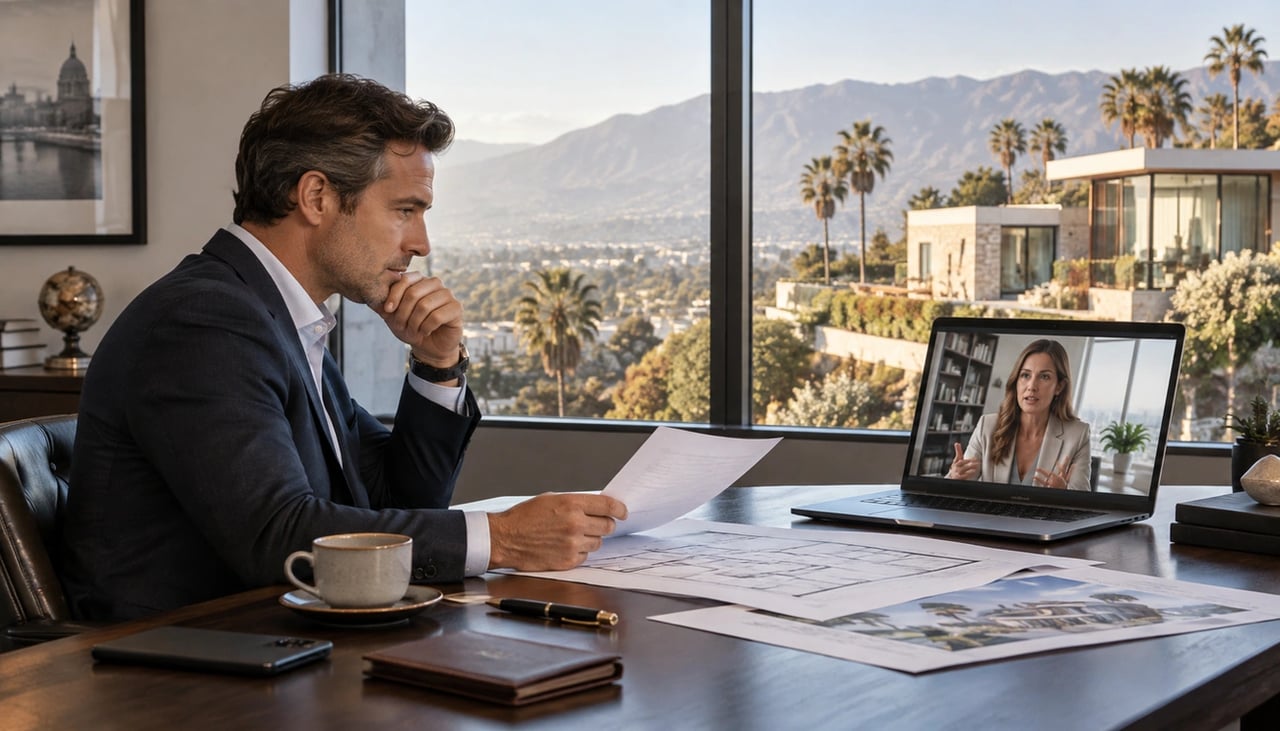
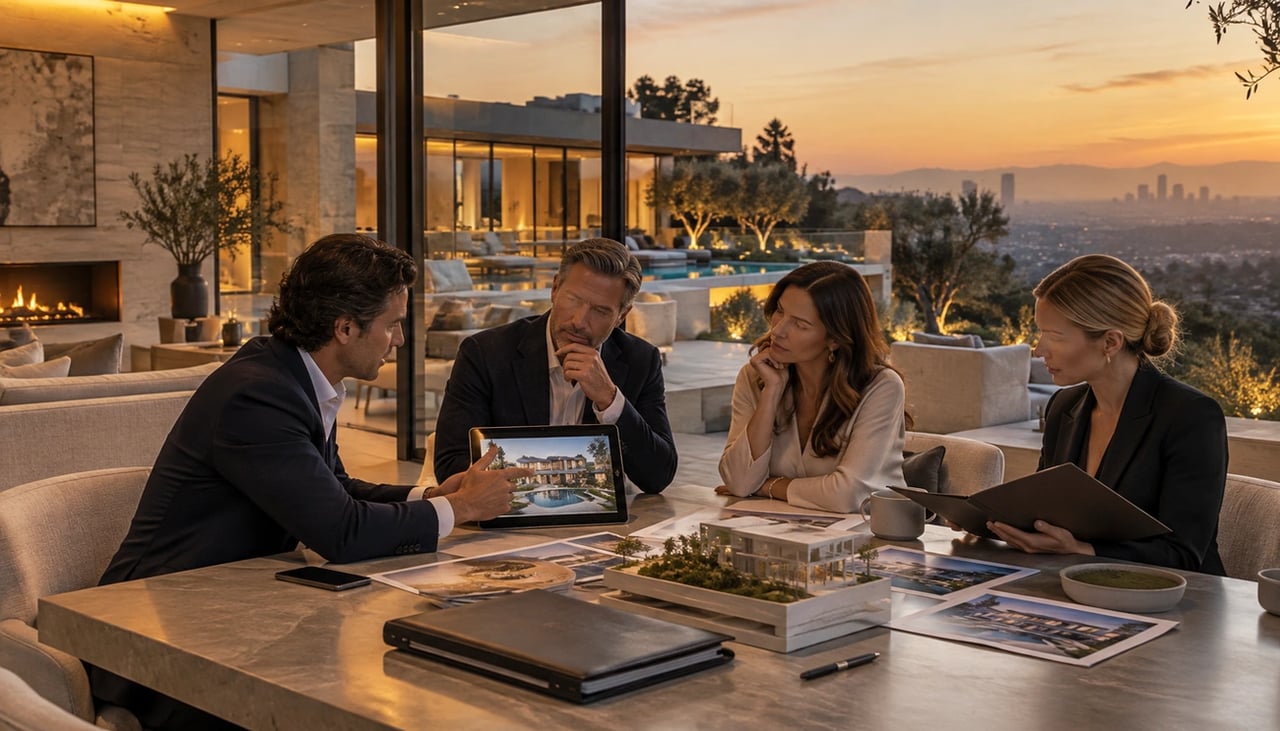
Transactions in the most affluent neighborhoods in Los Angeles rarely follow traditional pathways. Private conversations between trusted advisors shape availability long before properties reach wider networks. Discretion carries as much weight as architectural significance. Timing determines opportunity more than public marketing ever could. This operating environment reflects fundamental changes in what drives value when affluent buyers choose to buy a luxury house in Los Angeles.
What buyers valued in 2020 versus 2026
Portfolio expansion dominated luxury purchases earlier, with just over half serving as primary residences globally in 2025. Buyers treated real estate as wealth storage and often acquired second, third, or fourth properties across multiple locations. The focus centered on prestige addresses and potential appreciation rather than daily utility.
Intention replaced excess as the defining characteristic by 2026. Amenities evolved from optional enhancements to central determinants of value, trading speed, and price justification. Affluent buyers now prioritize homes supporting daily life over occasional entertainment. Features boosting wellness, productivity, and comfort took precedence. Outdoor spaces shifted toward expansive patios and outdoor kitchens with continuous indoor-outdoor transitions.
The luxury real estate in Los Angeles CA market benefited from this recalibration. The luxury segment outperformed the general market in 2025. All-cash offers increased as high-net-worth individuals proved less affected by mortgage rates. Younger buyers entered through generational wealth transfer. Approximately $6 trillion passed down globally in 2025 alone and created well-capitalized buyers moving quickly. Philip A. White Jr., President and CEO of Sotheby's International Realty, noted that luxury homebuyers became younger as a function of wealth creation and transfer, contrasting with the overall housing market where buyers aged.
The psychology behind choosing utility over size
U.S. homes nearly doubled in size since the 1970s, yet average life satisfaction declined in many cases according to research published in Science Direct. The original thrill of upgrading to larger space faded within weeks or months and often gave way to anxiety and dissatisfaction. Bigger spaces prompted accumulation of objects to fill them. This led to more cleaning, maintenance, and decision-making stress.
Families scaling down reported unexpected freedom. Living in smaller, intentionally designed spaces required considered choices about possessions and priorities. The shift brought more peace and fewer bills. Residents noted they wouldn't return to 3,000 square feet.
Buyers in 2026 became substantially more discerning and compared properties carefully before moving. Evaluation criteria weighted long-term livability, wellness, privacy, and flexibility over prestige or appreciation potential. The fundamental question shifted from "Is this home beautiful?" to "Does this home fit how I want to live?".
Security and privacy emerged as top concerns, with 81% of agents reporting this priority in a 2026 Sotheby's International Realty survey. Smart-home security features became standard search criteria. Wellness trends evolved beyond pandemic-era concerns, with buyers prioritizing in-home spas and hotel-style amenities.
How off-market transactions reflect this trend
Approximately 70% of luxury deals in the richest neighborhoods in Los Angeles happen through closed networks and remain available only through established relationships. Los Angeles experienced a 54% increase in transactions worth $10 million or more last year, with most remaining hidden from public view.
High-profile residents require security. Sellers prefer avoiding public scrutiny of tax and financial information. Testing markets without digital traces and maintaining better negotiating positions drive this preference. Photos that appear online become permanent. Sellers grow cautious about detailed photography living indefinitely. Many now withhold floor plans, security systems, and valuable collections until buyers undergo full vetting.
Access to off-market properties depends on relationships and responsiveness rather than listings. Brokers tap personal networks and quietly match buyers with sellers while investing social capital that requires reciprocal seriousness from clients. Speed matters, with 24-hour response expectations on opportunities. The fastest way to eliminate deal flow involves being non-responsive or indecisive.
This discretion-first approach aligns with broader Los Angeles real estate market trends where product-market fit determines success more than ever. Move-in-ready, design-forward homes attract strong demand. Older properties require extended marketing and negotiation. Proper preparation and positioning separate strong interest from extended market time.
Functional Priorities That Define Luxury Real Estate in Los Angeles CA Today
High-end properties across affluent neighborhoods in Los Angeles no longer compete on size alone. Buyers seeking to buy a luxury house in Los Angeles get into how each square foot serves their daily routines, health priorities, and long-term needs. Christina Pope from Sotheby's International Realty notes that meaningful transactions unfold through trusted networks where functional design carries more weight than architectural statement pieces. This recalibration shapes every aspect of modern luxury real estate in Los Angeles CA.
Wellness-integrated design
Homeowners design private environments supporting physical and mental health. They bring spa-level experiences into residences. Dedicated wellness areas feature custom-built saunas and steam showers with aromatherapy and chromotherapy. Cold plunge baths aid recovery. Rainfall showers with hydrotherapy systems and meditation rooms with circadian lighting complete these spaces. Spa-style bathrooms now include infrared saunas, soaking tubs, rain showers, and heated floors.
The wellness real estate market reached USD 584.00 billion in 2024. Forecasts predict it will hit USD 1.10 trillion by 2029. Properties designed around wellness deliver 10-25% price premiums. Fresh air ventilation systems with HEPA filtration, non-toxic building materials, and ample natural light create thermally consistent interiors. Wellness amenities powered by renewable energy, such as infrared saunas and cold plunge pools, boost comfort with minimal environmental impact.
Advanced home automation and AI systems
The smart home market projected to reach USD 193.50 billion in the US drives technology integration that feels natural. Advanced platforms analyze daily patterns and learn arrival times and environmental preferences throughout each day. AI-driven 4K cameras distinguish between people, vehicles, and wildlife. They reduce false alarms by a lot. Climate control systems with multi-zone setups manage temperature based on occupancy, weather, and historical data automatically.
Sixty-one percent of designers include app-based lighting controls in luxury projects. Fifty-one percent focus on systems that blend into interiors naturally. Circadian wellness lighting adapts to seasonal daylight patterns and supports healthier sleep cycles. Smart home devices reduce energy consumption by 10-30%, delivering annual savings.
Sustainable energy infrastructure
Net-zero homes produce as much energy as they consume through bioclimatic architecture, integrated photovoltaics, and high-performance materials. Solar panels with battery storage, high-performance insulation and windows, airtight construction with energy recovery ventilation, and smart energy management systems define these properties. Seventy-five percent of ultra-high-net-worth individuals seek eco-friendly luxury homes to reduce their carbon footprint actively.
Multi-purpose rooms over single-use spaces
Multi-purpose rooms maximize square footage and add functionality serving multiple purposes. They boost luxury through high-end finishes. Home offices double as guest rooms. Kitchens function as eating areas, and game rooms convert to home theaters. Well-laid-out multi-use spaces increase property value by a lot.
Professional-grade home offices
Home offices require custom built-ins, statement lighting, and quality materials like marble desks and hardwood flooring. Acoustic privacy through soundproofing and personal artwork complete these spaces. They blend productivity with elegance and feature ergonomic furniture and climate-controlled amenities.
Entertainment spaces built for actual use
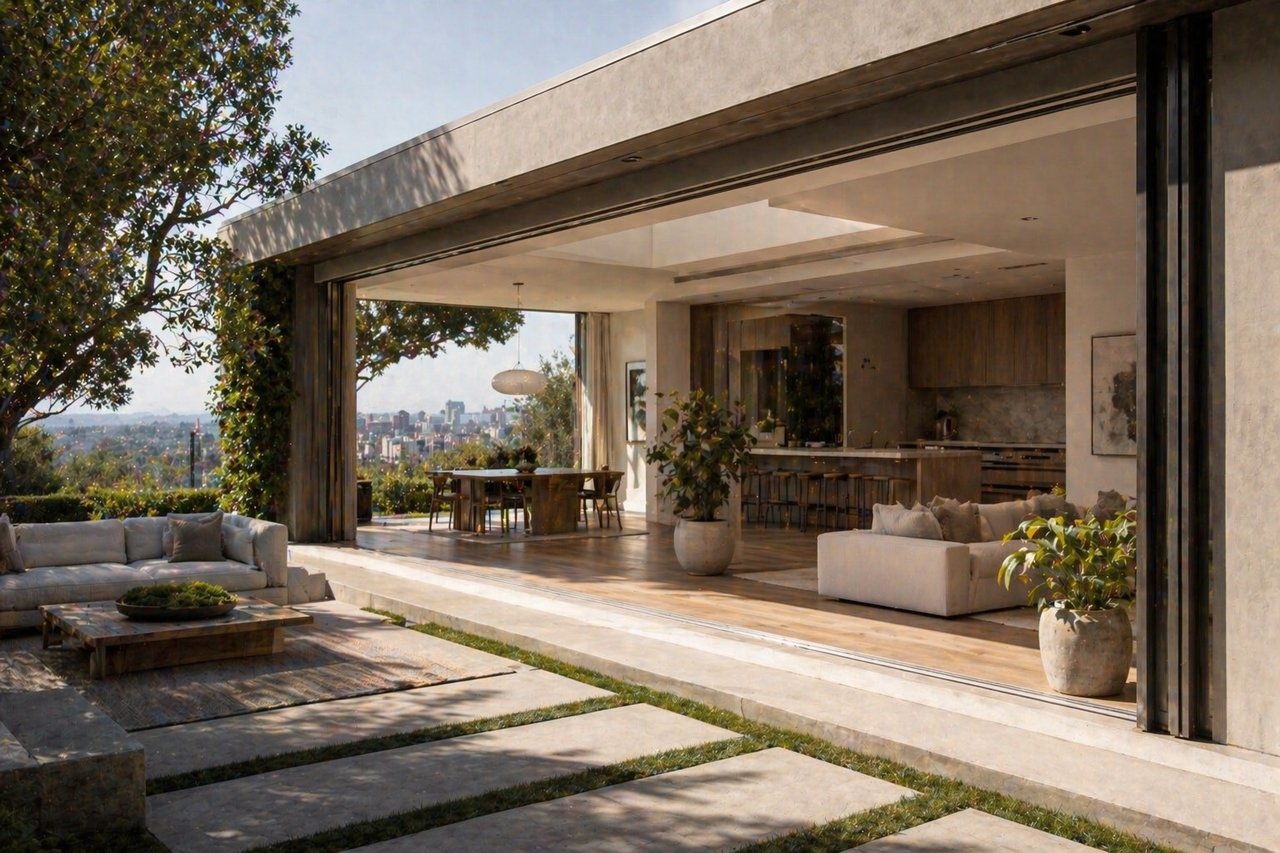
Large sliding glass doors and folding wall systems create fluid transitions between indoor and outdoor areas. Outdoor kitchens, fire pits, and covered lounges make spaces usable year-round. Home theaters with surround-sound systems, tiered seating, and soundproofing replicate private cinema experiences. Integrated bar areas with marble countertops, custom cabinetry, and undercounter refrigerators become social focal points.
The right home makes all the difference if you love to entertain. Christina Pope would be delighted to help find spaces designed for elevated living and effortless hosting if you're considering a purchase in the near future or beginning your search. Contact her at 310-404-9931 or [email protected].
Where This Trend Is Most Visible: The Richest Neighborhoods in Los Angeles
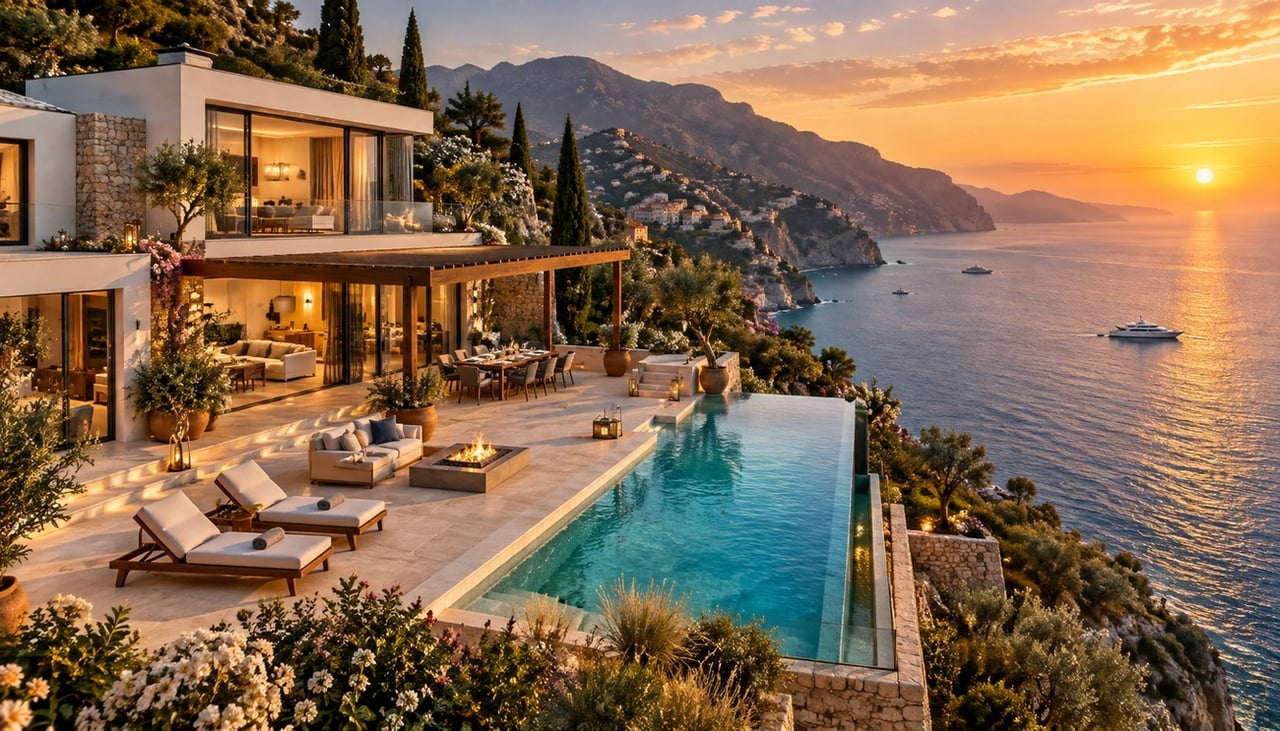
Function-driven design shows up clearly in specific enclaves where affluent neighborhoods in Los Angeles concentrate wealth, discretion, and architectural intention. These areas reveal not just where luxury exists, but how buyers prioritize daily utility when choosing to buy a luxury house in Los Angeles. The most affluent neighborhoods in Los Angeles demonstrate this development through estate transformations, family-focused layouts, and heritage properties adapted for contemporary needs as the move toward purposeful living spaces continues.
Beverly Hills and Bel Air estate transformations
Beverly Hills commands median values exceeding $10 million, with properties appreciating at 8-10% annually. The neighborhood spans from walkable Flats near Wilshire Boulevard to hillside estates that offer canyon and city views. Bel Air operates at a different scale. Median prices approach $40 million. Bel Air estates prioritize privacy through gates and long driveways as part of the Platinum Triangle among Holmby Hills. House of Rolison transformed a 1950s Bel Air home from closed-off rooms and dysfunctional flow into a lifted space that preserves historic charm. These transformations emphasize usable outdoor environments and wellness infrastructure over square footage.
Brentwood and Pacific Palisades family-focused functionality
Brentwood achieves balance between prestige and practicality. Properties exceed 5,000 square feet and feature gourmet kitchens, formal living spaces, and expansive outdoor areas positioned on generous lots. Pacific Palisades recorded a median sale price of $3.50 million in February 2026, representing a 32% premium over Brentwood's $2.65 million. The coastal neighborhood centers around Palisades Village, which opened in 2018 with over 40 curated boutiques and fresh-food experiences. Access to Will Rogers State Beach, Will Rogers State Historic Park, and Topanga State Park's 36 miles of trails supports movement-based lifestyles. Local schools like Palisades Charter High School and proximity to recreational infrastructure drive family buyer decisions.
Hidden Hills and Calabasas lifestyle-driven layouts
Hidden Hills median listing prices exceed $13.50 million. The guard-gated city features bridle trails instead of sidewalks, three equestrian arenas, and strict architectural oversight. A newly constructed Hidden Hills estate demonstrates this lifestyle focus through dedicated wellness wings with gym, steam room, and sauna, custom home offices, multiple flex spaces, and a two-stall barn for equestrian use. Neighboring Calabasas attracts buyers seeking gated communities and family-friendly exclusivity.
How Holmby Hills properties balance heritage with modern needs
Holmby Hills claims the difference as the smallest yet most exclusive Platinum Triangle community. Properties cover legacy estates and recently-built residences, with architect Paul Williams's 1936 work representing the neighborhood's architectural heritage. A 2.15-acre Holmby Hills estate on Carolwood Drive blends nature and design through steel-and-glass panels that disappear to create open spaces, while a two-story recreation facility houses twin gyms, cold plunge pool, steam room, and sauna. These properties integrate contemporary wellness and functionality expectations without compromising architectural integrity despite their historical significance.
What This Means for Buyers Looking to Buy a Luxury House in Los Angeles
Buyers who navigate luxury real estate in Los Angeles CA need a different framework than traditional property searches. Private conversations shape access. Timing determines each chance, and discretion carries weight. Properties valued between $1 million and $100 million demand strategic review beyond surface appeal.
Properties and long-term functionality
A property should correspond to daily habits and entertaining priorities. It must balance private and communal spaces. Buyers assess whether homes accommodate hobbies and work requirements. They also review customizability without compromising structural integrity or value. Expansive gardens, pools, and smart home systems require ongoing commitment for maintenance. Local market trends, historical pricing patterns, and distinguishing characteristics determine long-term appreciation potential.
Price per useful square foot
Price per square foot serves as a baseline metric, but functional utility matters more. Buyers calculate value based on spaces that serve multiple purposes versus single-use rooms collecting dust. Properties with wellness infrastructure and professional offices justify higher per-foot costs through daily utility. Adaptable layouts do the same.
Agents who access off-market chances
Standard transactions require 60 to 120 days from search to close. Off-market deals move faster when both parties arrive prepared. The best properties never reach MLS. Agents with strong connections access pre-market listings through networks built over years. Buyers need proof of funds or pre-qualification early. They also need responsiveness to chances that surface within trusted circles.
Christina Pope can help find spaces designed for refined living for those who think over a purchase. Contact her at 310-404-9931 or [email protected].
Los Angeles Real Estate Market Trends: Investment Implications of the Function-First Movement
Investment decisions in luxury real estate in Los Angeles CA operate differently than headlines suggest. Significant transactions unfold through private conversations where discretion carries equal weight to architectural merit. Visibility matters less than strategic positioning and timing when you navigate Los Angeles real estate market trends.
How functional upgrades protect property values
Smart home technology, gourmet kitchens, spa-like bathrooms, outdoor living spaces, and energy-efficient systems substantially boost property desirability and resale potential. Properties outfitted with solar infrastructure, smart filtration, and wellness design see 15-20% faster absorption rates in prime markets. Luxury improvements that balance design and performance offer the strongest return on investment when executed well. Regular maintenance checks prevent minor issues from escalating in HVAC systems, plumbing, and electrical components. Smart home technology boosts functionality and appeals to future buyers.
Renovation versus acquisition strategies
New homes involve predictable expenses like down payments and closing costs. Remodeling presents variable costs when structural updates surface. New builds integrate customization during construction, whereas remodels require pricey updates that adapt existing structures. New properties carry warranties that reduce maintenance over time, while renovated homes may require ongoing upkeep for older systems.
The role of discretion in high-value transactions
Approximately 25% of luxury deals never touch MLS and happen through closed networks. Publicly listed properties sell for about 13% more than private sales. High-net-worth individuals prioritize confidentiality over potential premium pricing and protect their interests throughout transactions.
Conclusion
Luxury real estate in Los Angeles operates through private conversations rather than public headlines. The change from square footage to functional design reflects what high-net-worth buyers value: wellness infrastructure and multi-purpose spaces that offer daily utility over prestige alone. Meaningful transactions unfold within trusted networks where discretion carries equal weight to architectural merit.
Buyers should prioritize long-term functionality and work with agents accessing off-market opportunities. Christina Pope at Sotheby's International Realty specializes in these discrete transactions. Contact her at 310-404-9931 or [email protected], or visit EliteResidenceInternational.com for guidance in Los Angeles's most affluent neighborhoods.
Key Takeaways
Luxury buyers in Los Angeles' most affluent neighborhoods are fundamentally reshaping what defines value in high-end real estate, prioritizing purposeful design over impressive square footage.
• Function trumps size: Wealthy buyers now prioritize wellness-integrated design, smart home systems, and multi-purpose spaces over sheer square footage when purchasing luxury properties.
• Off-market dominance: Approximately 70% of luxury deals in LA's richest neighborhoods happen through private networks, requiring established relationships and 24-hour responsiveness.
• Wellness as luxury standard: Properties with dedicated spa areas, circadian lighting, air filtration systems, and sustainable energy infrastructure command 10-25% price premiums.
• Strategic evaluation matters: Buyers should calculate value based on useful square footage and long-term functionality rather than traditional metrics like total size or prestige address alone.
• Discretion drives decisions: High-net-worth individuals prioritize privacy and confidentiality over potential premium pricing, with security and wellness concerns outweighing traditional luxury markers.
This evolution reflects a broader psychological shift where intentional living spaces that support daily routines and health goals have become the new definition of luxury, moving beyond the accumulation mindset that previously dominated high-end real estate purchases.
FAQs
Q1. Which Los Angeles neighborhood represents the highest level of luxury real estate? Beverly Hills and Bel Air stand among the most exclusive areas, with Bel Air median prices approaching $40 million and Beverly Hills commanding median values exceeding $10 million. Pacific Palisades also ranks as a highly desirable luxury neighborhood, recording a median sale price of $3.50 million with premium coastal access and curated village amenities.
Q2. What features do wealthy buyers prioritize when purchasing luxury homes today? High-net-worth buyers now prioritize wellness-integrated design including custom saunas, cold plunge baths, and meditation rooms, along with advanced home automation systems, sustainable energy infrastructure, and multi-purpose spaces. Professional-grade home offices and entertainment areas built for actual use have replaced single-use rooms as key value drivers.
Q3. How do most luxury real estate transactions happen in affluent Los Angeles neighborhoods? Approximately 70% of luxury deals occur through private, off-market networks rather than public listings. These transactions require established relationships with well-connected agents, proof of funds or pre-qualification, and the ability to respond to opportunities within 24 hours, prioritizing discretion and privacy over public marketing.
Q4. Do functional upgrades actually protect luxury property values? Properties with smart home technology, wellness amenities, and sustainable energy systems see 15-20% faster absorption rates in prime markets. Well-executed functional improvements including solar infrastructure, advanced filtration systems, and spa-like bathrooms can command 10-25% price premiums while significantly increasing resale potential.
Q5. Who owns the most expensive mansion in Los Angeles? Fashion Nova CEO Richard Saghian owns 'The One,' America's largest private mansion located in Bel Air. This monumental property represents the pinnacle of modern architecture and luxury real estate in Los Angeles, showcasing the scale of high-end residential development in the city's most exclusive neighborhoods.