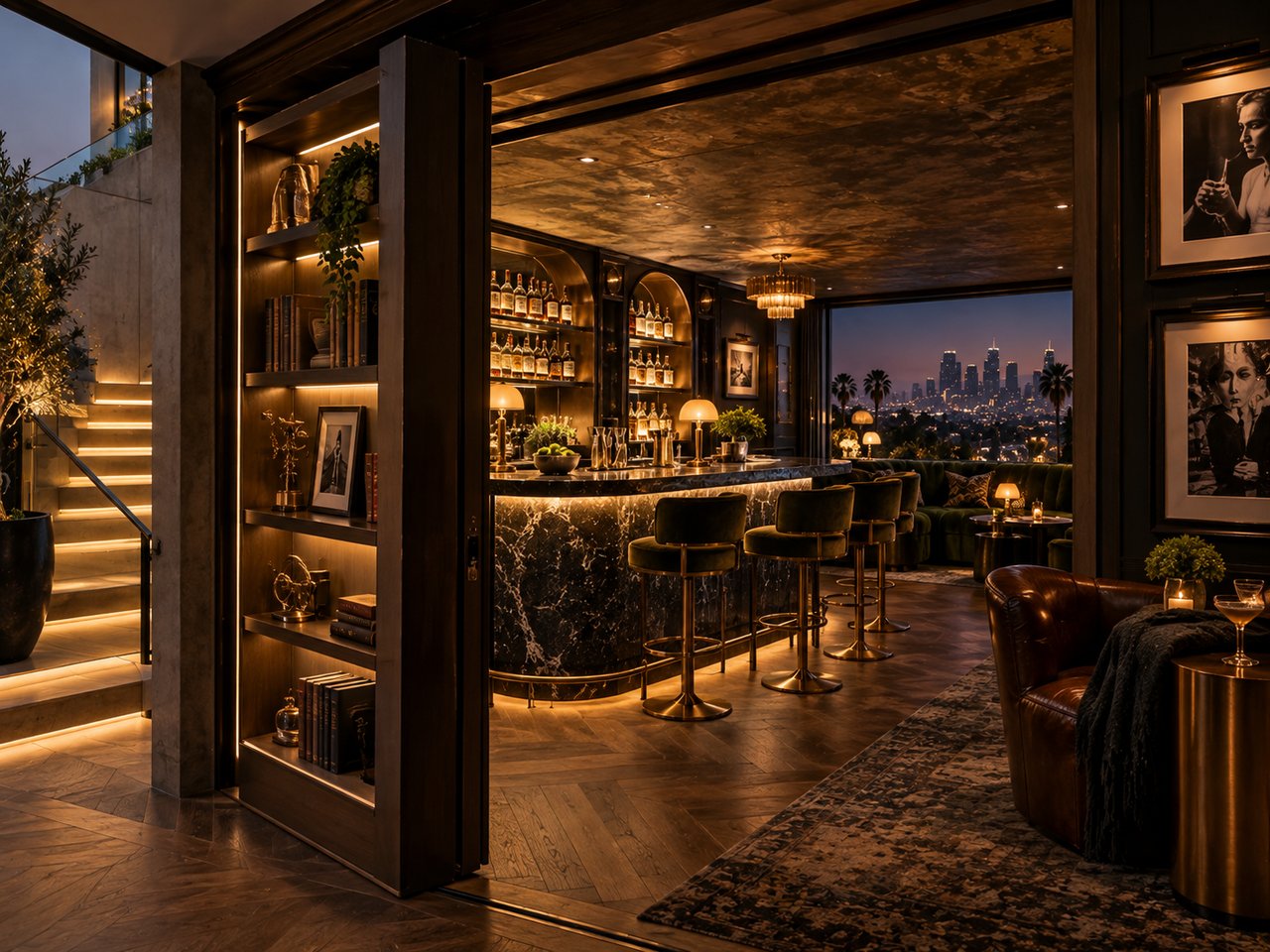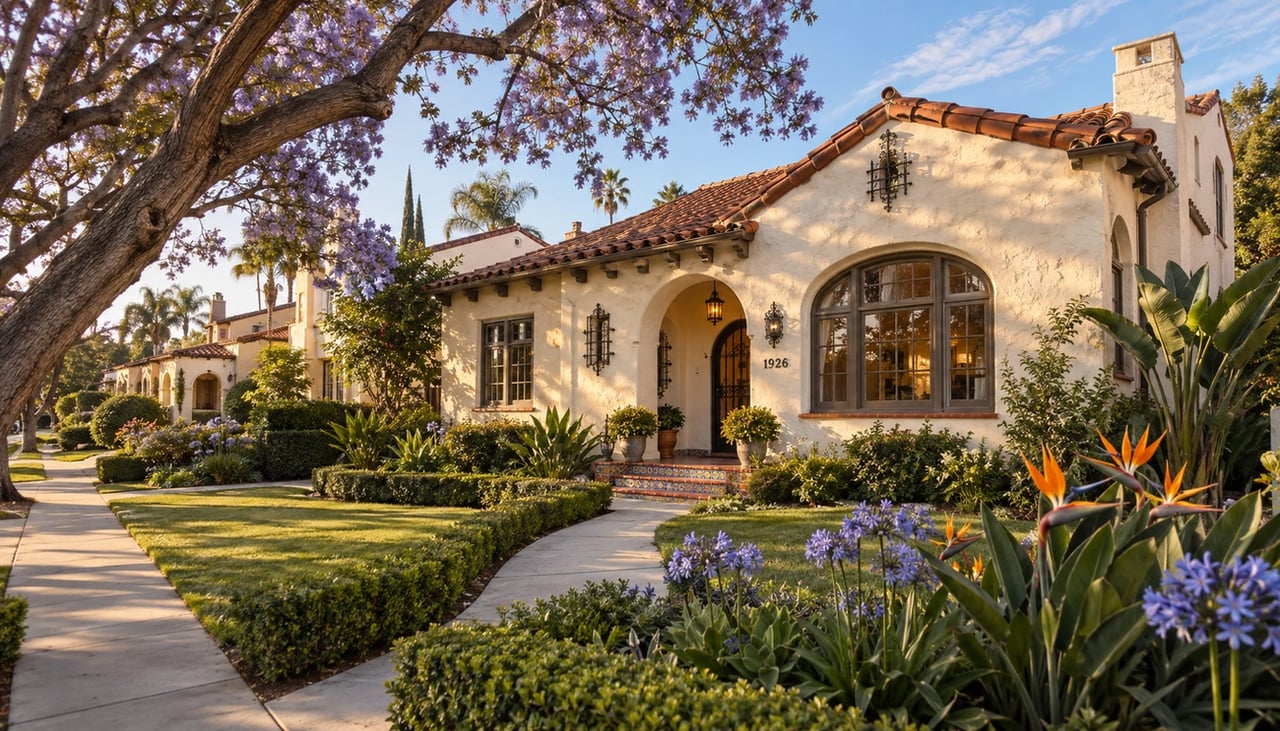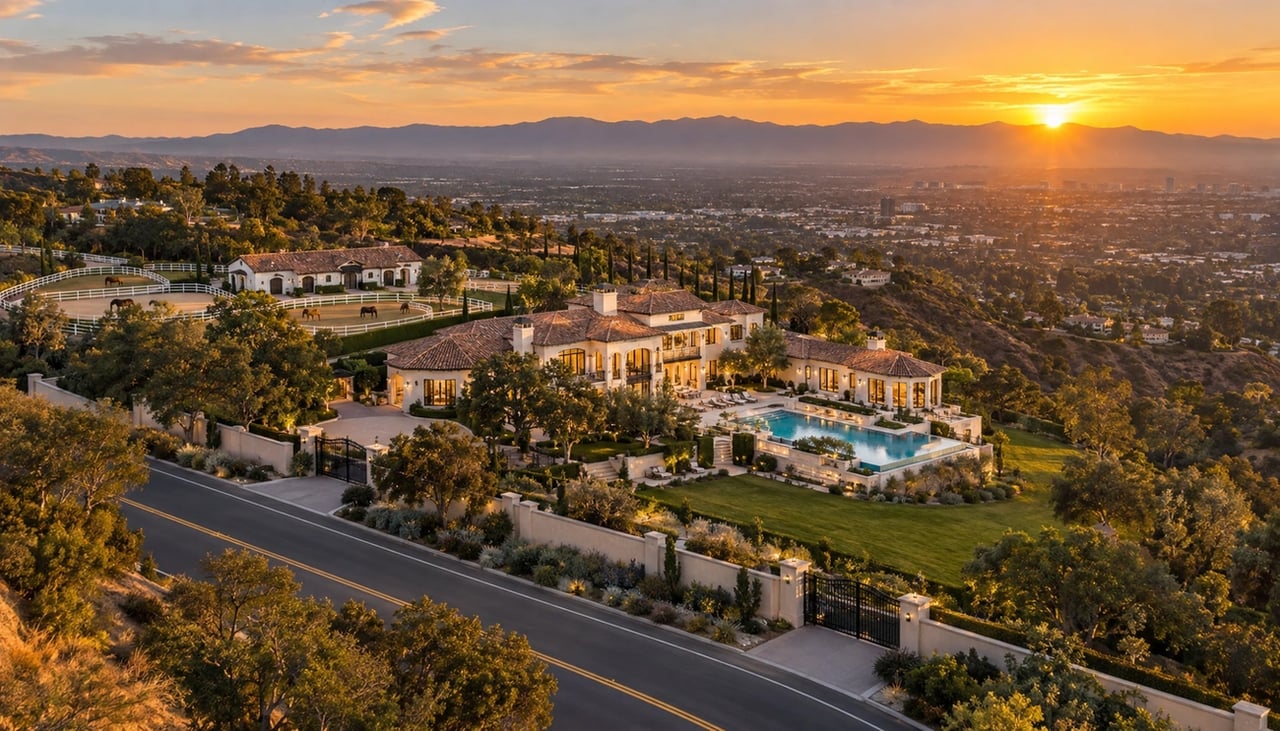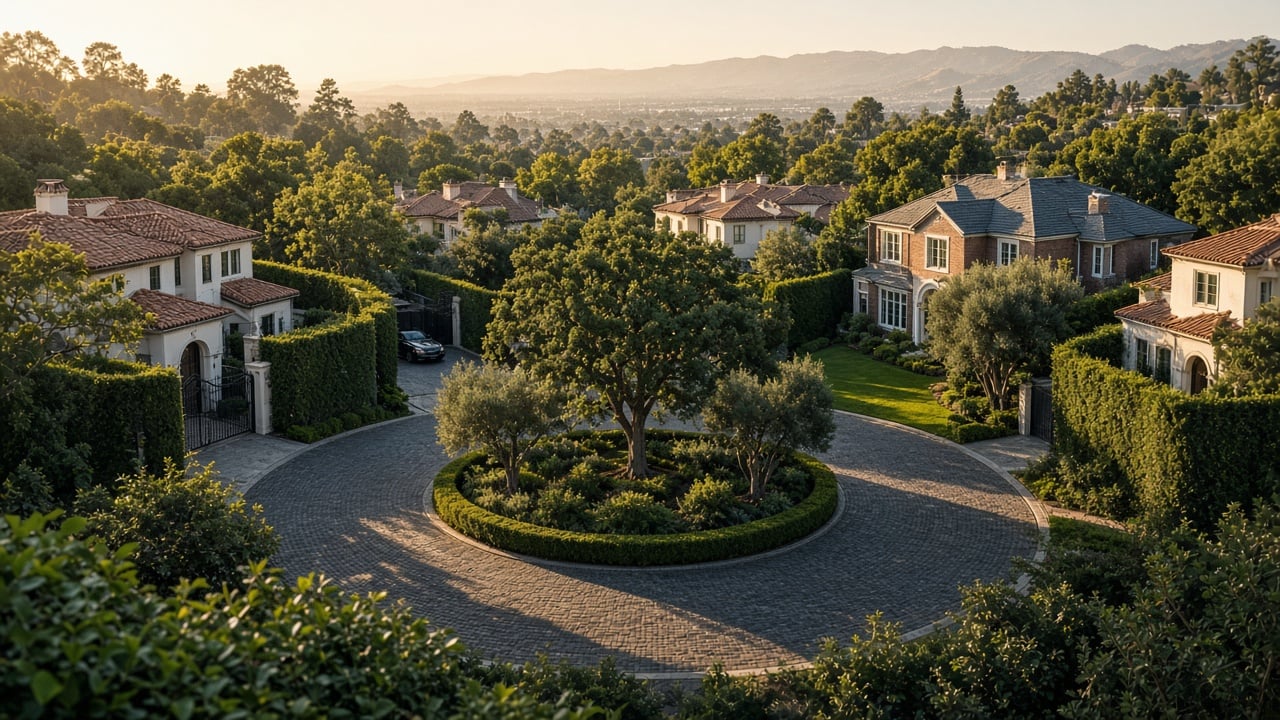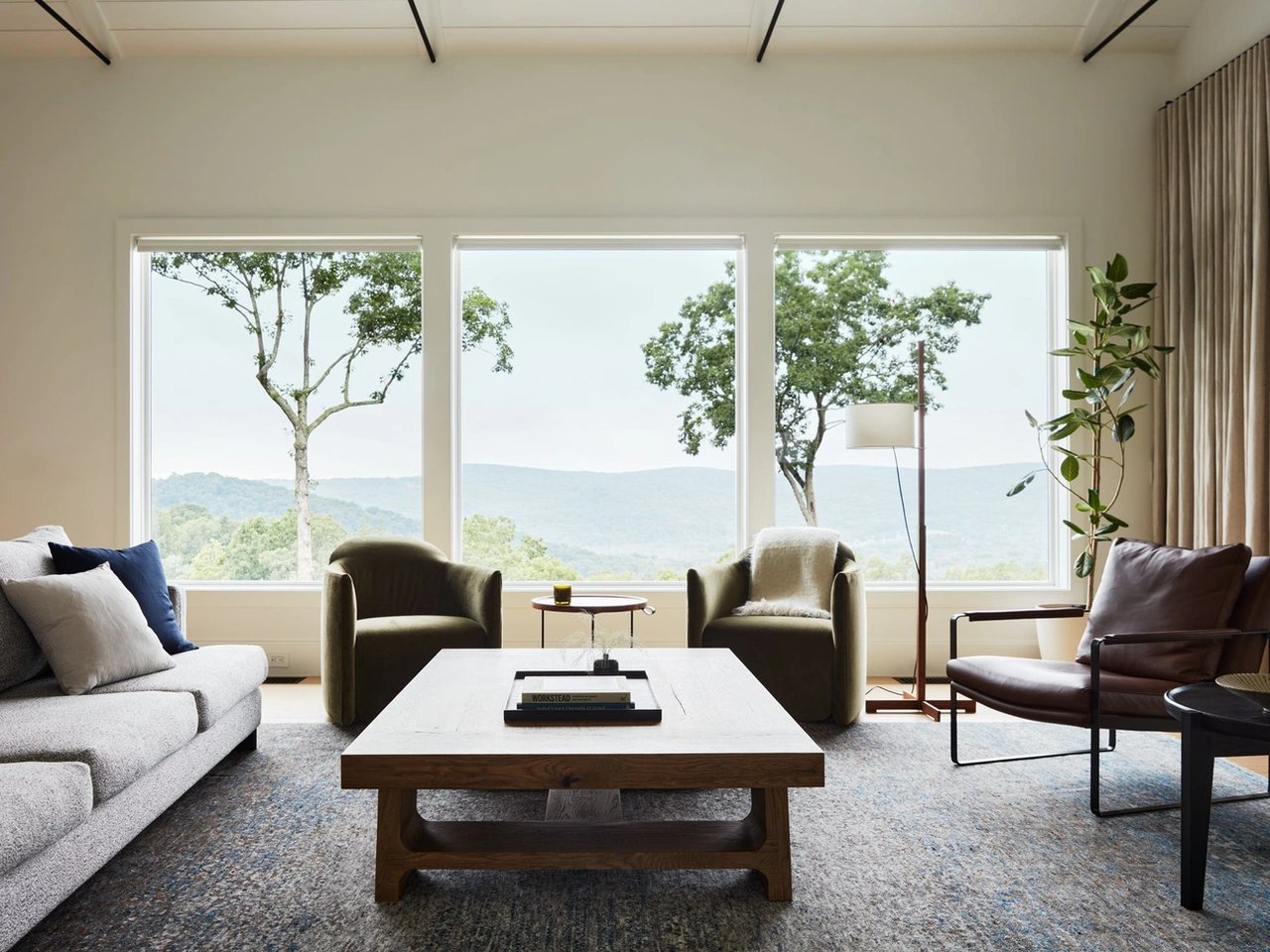
Quiet luxury interior design is more than just another passing trend. This sophisticated design approach is 2024's most enduring interior style that will last well into the future. Many people mistake it for stark minimalism or beige maximalism, but the reality shows a much more subtle approach.
The West Coast's dramatic natural landscapes have shaped a unique take on quiet luxury design. Designers believe interiors should complement their surroundings instead of overshadowing them. Los Angeles homes showcase this perfectly, where designers use bold colors thoughtfully rather than adding flashy elements just for show. Life in LA's busy urban setting has made people consider calm spaces essential, not just an afterthought. Natural light becomes a vital element in west coast design as it changes spaces throughout the day. These spaces turn quiet into one of modern living's true luxuries.
The Rise of Quiet Luxury in Los Angeles Homes
Privacy has become the most sought-after commodity in Los Angeles' elite real estate circles. The ultra-luxury market runs on principles that put discretion above everything else. Buyers and sellers make significant deals away from the public eye, and this approach isn't just preferred—they consider it essential.
Why LA's high-end market favors discretion
Beverly Hills offers the ultimate luxury of privacy, and its entire design serves this purpose. The area features gated drives, mature hedging, private streets, and guarded communities that create the anonymity high-profile residents just need. A deep-rooted culture of discretion pervades every aspect of high-end real estate. Property showings require NDAs, and deals happen confidentially behind closed doors.
Beverly Hills attracts A-list celebrities, global dignitaries, tech founders, and business magnates because they can live their lives without unwanted attention. Billionaires blend in here, not by becoming invisible, but through carefully designed insulation from the public eye.
The shift from flashy to refined interiors
Los Angeles luxury has entered a more thoughtful phase that values substance over spectacle. Living spaces showcase sculptural elements, tactile qualities, and authenticity. Quiet luxury interior design provides a sophisticated alternative to boulder styles through understated elegance:
- Premium natural materials like marble, wood, and linen
- Clean lines and classic silhouettes
- Neutral palettes enriched with varied textures
- Emphasis on craftsmanship and meticulous details
Wealthy buyers have grown more selective and prefer legacy family homes over flashy modern designs. This development mirrors broader trends toward sustainability and mindful consumption. Homeowners now choose fewer, better-made items that offer longevity and timeless appeal.
How off-market homes reflect quiet luxury values
Off-market transactions embody quiet luxury principles perfectly. Luxury deals skip the Multiple Listing Service about 25% of the time, as confidentiality and exclusivity drive the high-end segment. This approach brings several benefits:
- Complete privacy protection for high-profile individuals
- Minimal disruption to sellers' lifestyles
- Targeted marketing to pre-qualified luxury buyers
- Faster closings without public exposure
Properties with exceptional privacy features now command premiums as substantial as prime location or square footage. These features include full perimeter security systems, private gated entrances, long setback driveways, and visual barriers.
Foundational Elements of Quiet Luxury Interiors

Image Source: LUXE Interiors + Design
Quality materials and considered forms are the foundations of quiet luxury interior design. Minimalism emphasizes absence, but quiet luxury interiors celebrate presence through carefully selected elements that communicate through form, texture, and inherent quality.
Sculptural furniture that defines space
Furniture pieces in quiet luxury homes serve as architectural elements beyond their functional purpose. Sculptural designs with clean curves and weighty lines create presence naturally. A curved linen chaise, an oak console with clean lines, or an architectural floor lamp can shape a room's entire character through its form and material. These items possess a timeless quality that commands space through form rather than color or pattern, unlike trendy pieces.
Sculptural furniture creates natural focal points without adding visual clutter. This becomes valuable in open floor plans common in Los Angeles homes where minimalism might feel flat or empty. Quiet luxury welcomes intentional curation where each piece adds to the overall composition, rather than filling rooms with objects.
Natural finishes like stone, wood, and limewash
Natural materials are the foundations of quiet luxury design, emphasizing authentic, tactile surfaces. Leathered stone countertops, raw cedar ceiling cladding, and hand-applied plaster walls create a rich sensory experience. Natural materials provide visual richness and physical comfort throughout luxury LA residences.
Limewash paint has become a signature element that creates soft, textured walls with an organic feel. This breathable, non-toxic finish delivers depth and subtle movement that flat paint cannot match. The matte surface reduces glare and creates a calming atmosphere. These finishes improve the sense of balance and sophisticated restraint when combined with wood, stone, or neutral furnishings.
Layered neutrals that add depth without noise
In stark comparison to this, quiet luxury never appears flat or beige. The design uses a carefully curated palette of:
- Bone: warm with soft gray undertones
- Oat: barely-there neutrals for airy spaces
- Putty: mid-tone anchors
- Ash: deeper neutrals for contrast
These shades interact beautifully with varied textures—wool rugs, linen drapery, and handmade ceramics. The spaces feel rich through material contrast rather than color contrast, which creates visual depth without noise.
Designing for Flow, Light, and Breathability
Spatial dynamics reveal the true essence of quiet luxury interior design. These spaces excel at creating environments where movement feels natural. Light becomes a tangible design element that goes beyond furniture and materials.
Open floor plans with intentional zoning
Smart zoning creates purposeful areas in open spaces without compromising openness. Distinct functional zones blend into a cohesive whole through this technique. Los Angeles homes showcase thoughtful transitions between living, dining, and kitchen areas that don't need walls to block light flow. Natural boundaries emerge through architectural features like subtle ceiling height changes, partial walls, and strategic furniture placement while maintaining visual connection. Each area serves its purpose with brightness and logical structure, yet nothing feels isolated.
Maximizing natural light through layout and materials
Light manipulation stands as the life-blood of west coast interior design. Natural illumination magnifies through strategic choices:
- Main living spaces face south or southeast to capture optimal daylight
- Higher ceilings create more surface area for light reflection and enhance brightness
- Light bounces deeper into rooms through reflective materials like polished stone, glass furniture, and mirrored surfaces
- Light-colored finishes create airier environments by preventing light absorption
Integrated storage to reduce visual clutter
Quiet luxury homes excel with integrated millwork that eliminates visual noise. Architectural storage solutions allow spaces to breathe freely. Materials and forms command attention in these generous, edited environments where daily life flows naturally.
Curating Character Without Labels
Quiet luxury design reveals identity through thoughtful curation rather than recognizable labels or trending pieces. This design philosophy shapes spaces with genuine character and longevity that reflect their inhabitants instead of design algorithms or passing fads.
Choosing artisan and vintage over mass-market
Authentic quiet luxury rejects matching furniture sets that create sterile, uninspired environments. Los Angeles designers now prefer artisan-crafted lighting and furniture that add true character to spaces. These handcrafted pieces bring soul to optimized interiors. Vintage finds whether a mid-century travertine plinth or hand-thrown pottery add layers of history and unique forms that mass-produced items cannot match. Each piece narrates a story through its creation, materials, and cultural heritage, which adds emotional depth beyond physical features.
Letting one material or form lead the room
Quiet luxury spaces work best when they allow a single element to command attention. A travertine-defined bathroom should feature rift-sawn oak cabinetry that remains visually subtle. This creates a natural hierarchy where materials complement rather than compete. The rooms gain clarity and purpose through this intentional restraint, which allows exceptional craftsmanship to shine.
Using negative space to highlight meaningful pieces
Negative space acts as a powerful design element—not emptiness but breathing room that emphasizes carefully selected pieces. This deliberate restraint reshapes rooms into galleries where fewer, better pieces always outperform excess. Furniture placed away from walls and unadorned expanses emphasize what truly matters, which creates visual calm and quiet confidence. This approach invites deeper participation, allowing luxury to unfold in compelling yet understated ways.
Conclusion
Quiet luxury interior design represents more than just a passing trend in Los Angeles homes. This sophisticated approach has grown popular with homeowners who value substance over spectacle. These spaces show wealth through quality materials, artisanal craftsmanship, and thoughtful curation instead of flashy displays.
These interiors create sanctuary-like environments that balance openness with privacy, which adds to their appeal. Natural light flows through well-planned spaces and creates a sense of calm - the real luxury in today's ever-changing world. The focus on authentic materials like stone, wood, and limewash builds connections to nature that resonate deeply with Southern California's unique landscape.
Real quiet luxury stands apart from simple minimalism through its depth and character. These interiors tell personal stories through sculptural furniture, negative space, and carefully chosen artisan or vintage pieces rather than recognizable labels. The spaces feel timeless instead of trendy and offer lasting value that matches the sustainability values luxury buyers care about now.
A right home makes all the difference when you love to host guests. I'd love to help you find spaces designed for upscale living and effortless entertaining if you plan to buy soon or start your search. Christina Pope  310-404-9931
  [email protected]
The quiet luxury movement keeps evolving, yet its core principles stay strong. This design philosophy runs on creating spaces where people feel both inspired and relaxed - a balance that never goes out of style. Beautiful, well-crafted spaces that offer both refinement and peace will always be sought after in Los Angeles' most desirable homes.
Key Takeaways
Quiet luxury interior design is transforming Los Angeles homes by prioritizing substance over spectacle, creating sophisticated spaces that communicate wealth through quality rather than ostentation.
• Privacy drives luxury: LA's elite market favors discretion with 25% of luxury deals happening off-market, reflecting quiet luxury's emphasis on exclusivity over flashy displays.
• Natural materials create depth: Sculptural furniture, limewash walls, and layered neutrals build rich environments through texture and craftsmanship rather than bold colors or patterns.
• Light and flow define spaces: Open floor plans with intentional zoning maximize natural light while integrated storage eliminates visual clutter for breathable, sanctuary-like environments.
• Curation beats labels: Artisan and vintage pieces chosen for character over brand recognition create timeless interiors that tell personal stories through meaningful objects.
• Negative space amplifies luxury: Strategic use of breathing room highlights exceptional pieces, allowing fewer, better-crafted items to command attention and create lasting impact.
This design philosophy succeeds because it creates environments where inhabitants feel both inspired and at ease a balance that transcends trends and offers genuine sanctuary in busy urban settings.
FAQs
Q1. What defines quiet luxury interior design in Los Angeles homes? Quiet luxury interior design in Los Angeles focuses on understated elegance, using high-quality materials, sculptural furniture, and intentional curation. It emphasizes natural finishes, layered neutrals, and open spaces that maximize light and flow, creating a sophisticated atmosphere without flashy displays.
Q2. How does quiet luxury design differ from minimalism? While minimalism focuses on absence, quiet luxury celebrates presence through carefully selected elements. It uses sculptural forms, rich textures, and artisanal pieces to create depth and character, resulting in spaces that feel luxurious and lived-in rather than stark or empty.
Q3. Why is privacy becoming increasingly important in LA's luxury real estate market? Privacy has become the ultimate luxury in Los Angeles, especially in areas like Beverly Hills. High-profile residents value discretion, leading to a rise in off-market transactions, gated communities, and homes with extensive privacy features. This trend aligns with the quiet luxury philosophy of understated sophistication.
Q4. How does quiet luxury design incorporate natural light? Quiet luxury design maximizes natural light through strategic layout choices, higher ceilings, and the use of reflective materials. It positions main living spaces to capture optimal daylight and employs light-colored finishes to create bright, airy environments that connect with the surrounding landscape.
Q5. What role do artisan and vintage pieces play in quiet luxury interiors? Artisan-crafted and vintage pieces are crucial in quiet luxury design, adding character and depth to spaces. These unique items tell stories through their craftsmanship, materials, or heritage, creating interiors that feel personal and timeless rather than mass-produced or trendy.