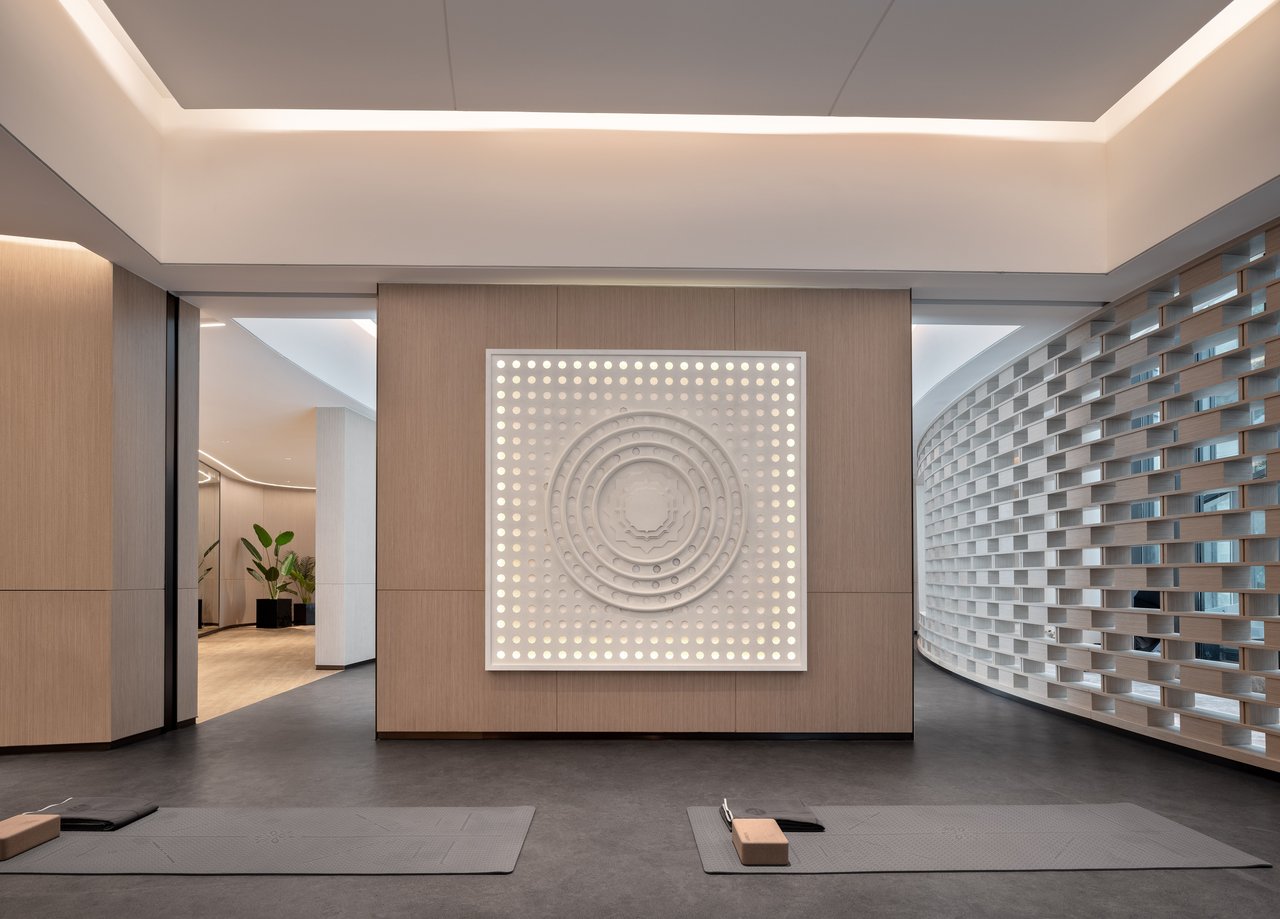
Luxury real estate in Beverly Hills and Los Angeles is undergoing a fundamental transformation where wellness infrastructure now defines property value more than traditional opulence.
• Wellness homes command 10-25% price premiums and sell 8-14% faster than conventional luxury properties, proving longevity design delivers measurable financial returns alongside health benefits.
• Essential longevity features include advanced air filtration, whole-home water purification, circadian lighting, and natural materials that eliminate toxins and support long-term occupant health.
• 54% of high-income buyers now prioritize wellness design as a core purchase criterion, with the global wellness real estate market projected to reach $1.10 trillion by 2029.
• Longevity homes function as health assets rather than liabilities, with occupants reporting better sleep, increased physical activity, reduced chronic disease rates, and improved cognitive function.
The shift from status symbols to health-optimized living spaces reflects a broader market evolution where affluent buyers increasingly evaluate properties based on air quality, material safety, and environmental stability rather than purely esthetic considerations. Working with real estate professionals who understand longevity design principles has become essential for maximizing both wellness outcomes and investment value in luxury markets. Designers are beginning to ask a question in beverly hills real estate: How might a home shape its inhabitants' health over decades? The answer is redefining luxury property markets. The home is either the greatest health asset or the most important health liability, and affluent buyers are prioritizing wellness over traditional opulence as a result.
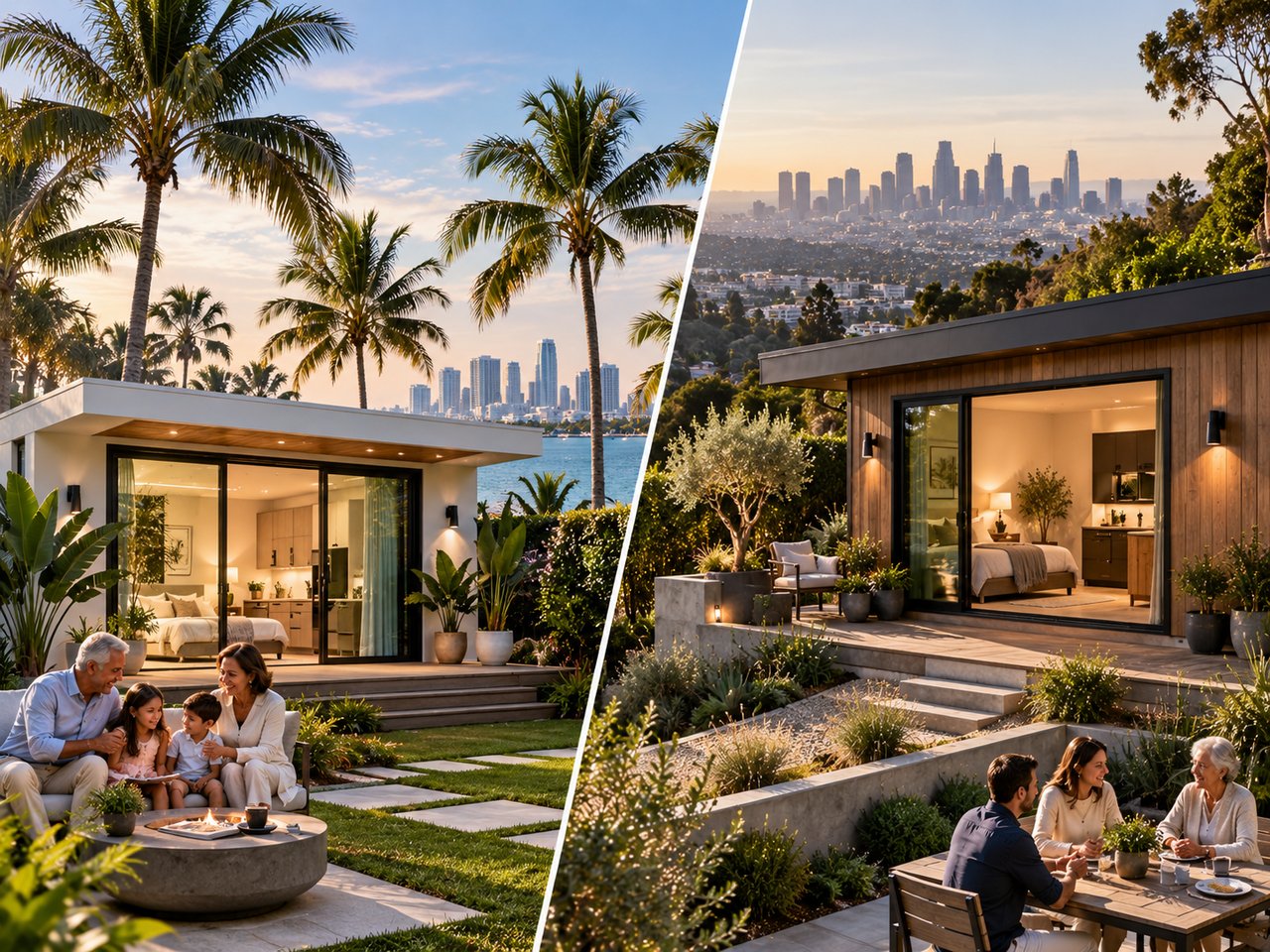
Beverly hills luxury real estate and luxury real estate Los Angeles markets are witnessing a transformation driven by longevity design. Longevity homes integrate science-informed decisions and healthier materials to support well-being. This wellness design approach appeals to health-conscious buyers seeking properties that boost quality of life.
This piece explores the rise of longevity-focused interior design and how longevity design increases property value in these luxury homes.
The Rise of Longevity-Focused Interior Design in Beverly Hills CA Real Estate
"Lifestyle ranked as the most important factor in luxury purchase decisions — above taxes, above economic stability. That is not a new preference. It is a long-held one that the data has finally caught up with." — Sotheby’s International Realty, Real estate company specializing in luxury properties
Luxury real estate in Beverly Hills California went through a gradual move beginning in the early 2000s when LEED certifications introduced sustainability into residential conversations. Environmental responsibility drove early adoption, while wellness remained secondary. The WELL Building Standard launched in 2014 and connected design decisions directly to human health through air quality, water purity, and lighting specifications.
The COVID-19 pandemic accelerated what had been a slow progress. Homes became offices, schools, and sanctuaries at once. Indoor air quality became urgent rather than optional. Acoustic privacy and natural light gained measurable psychological importance. Wellness interior design moved beyond trend status during this period as homeowners invested in advanced HVAC filtration, whole-home water purification, and circadian lighting systems.
The global wellness real estate market reached USD 584 billion in 2024 and forecasts project growth to USD 1.10 trillion by 2029. Properties incorporating wellness design principles achieve 10-25% price premiums. Market research shows that 38% of professionals working in the USD 10 million-and-above segment report aging in place has become a growing purchase factor.
Beverly Hills luxury real estate conversations reflect this progress. Buyers assess filtration systems, insulation quality, and environmental stability among traditional finishes with increasing frequency. Wellness-focused interiors are viewed as structural considerations rather than decorative enhancements.
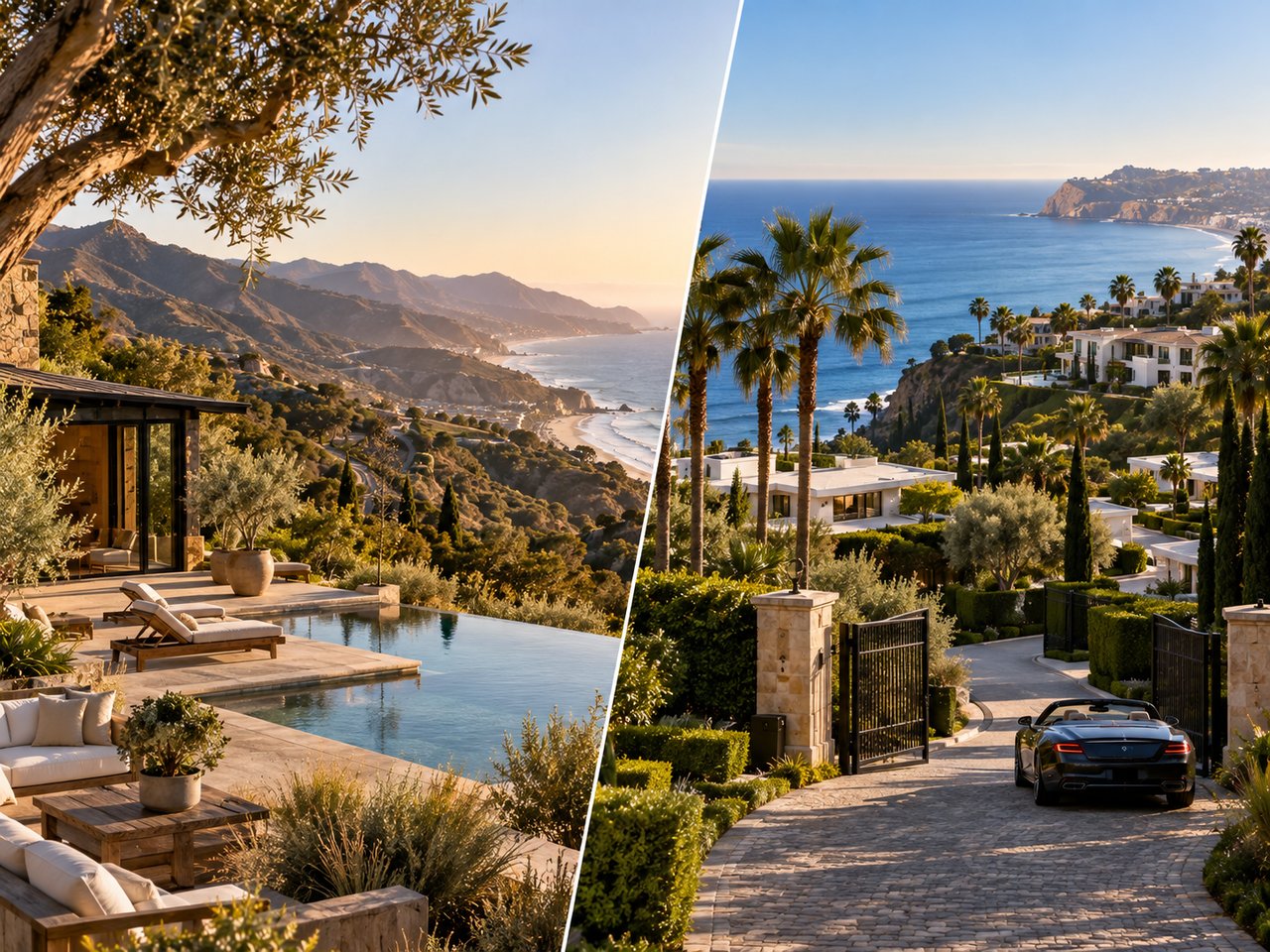
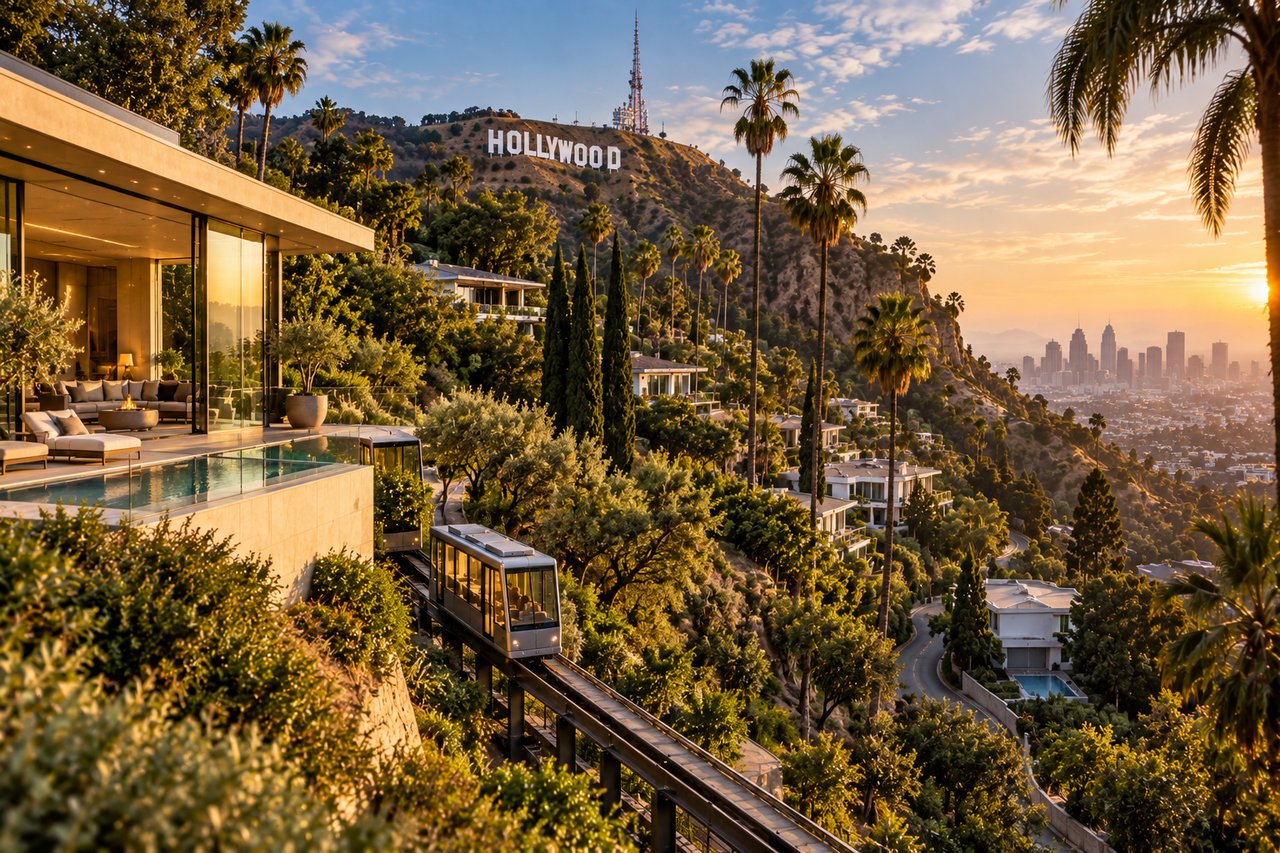
While Beverly Hills continues to lead the conversation around wellness-focused luxury living, longevity design is influencing high-end real estate throughout Los Angeles' most prestigious neighborhoods. Buyers in Bel Air, Brentwood, Hollywood Hills, Pacific Palisades, Malibu, and Hidden Hills are increasingly seeking homes that combine exceptional architecture with wellness-centered features such as advanced air and water filtration, biophilic design, spa-inspired amenities, and smart home technology. Across these premier communities, longevity-focused design is no longer viewed as an optional luxury, it is becoming an important consideration for homeowners looking to enhance daily living while protecting long-term property value in Southern California's luxury real estate market.
Essential Features of Longevity Design in Luxury Homes
True luxury in beverly hills luxury real estate emerges from clean air, purified water, and spaces that restore rather than deplete energy. Wellness must be embedded in infrastructure rather than treated as an amenity. This principle separates longevity homes from properties that add superficial wellness features.
Air quality systems represent the foundation. Advanced HEPA filtration and whole-house ventilation address indoor air pollution, which can be two to five times higher than outdoor levels. Water filtration systems for drinking and bathing provide additional protection beyond municipal standards. Natural materials are another foundation. Real wood, stone and plaster create healthier environments. Synthetic materials and harsh off-gassing get eliminated.
Natural light supports circadian rhythms and mental health. Large expanses of glass capture daylight. Circadian lighting systems regulate sleep-wake cycles. Dedicated wellness infrastructure has infrared saunas, steam showers, cold plunges, meditation rooms and treatment spaces. These elements function as domestic infrastructure rather than luxury add-ons.
Integration matters more than accumulation. Wellness spaces should feel architectural, not like gadget showrooms. Occupants of wellness-focused properties report better sleep, increased physical activity, reduced chronic disease rates and improved cognitive function.
Investment Value and Market Impact of Longevity Design
"Wellness real estate not only improves its occupants’ health and well-being, but is also good for the bottom line." Global Wellness Institute, Organization focused on wellness
Financial performance verifies longevity design as sound investment strategy rather than philosophical preference. Wellness homes command 10-25% higher sale prices and achieve 8-14% faster selling velocity than conventional properties. Rental portfolios incorporating wellness features secure 4.5-7.5% higher rents per square foot. About 54% of high-income buyers prioritize wellness design as core purchase criterion, while 51% of homebuyers express willingness to pay $5,000 or more above standard pricing for health-optimized features.
Bryce Pennel, a Beverly Hills real estate agent with Douglas Elliman's Pennel Group, observes that buyers ask smarter questions about wellness, materials and long-term livability. Properties featuring saunas, steam rooms and cold plunges command stronger prices. Fire-resistant materials and solar storage function as value drivers in beverly hills ca real estate. Longevity translates to peace of mind for high-net-worth buyers through homes that are secure and built to last.
But wellness real estate incurs 15-25% higher construction costs due to advanced HVAC systems, water purification, smart lighting and biophilic design. About 22% of new U.S. developments integrate wellness amenities.
Ready to Bring Longevity Design Into Your Home? Longevity-focused design defines luxury residences, whether you're preparing a home for the future or enhancing everyday wellness. Contact Christina Pope, Senior Global Real Estate Advisor at Sotheby's International Realty, at 310-404-9931 or [email protected] for an individual-specific Longevity Home Guide that explores how strategic longevity design lifts comfort and appeal in luxury real estate Los Angeles markets.
Conclusion
Longevity design represents a fundamental change in how affluent buyers review luxury properties. Wellness infrastructure delivers measurable health benefits and financial returns through premium valuations and faster sales velocity. Beverly Hills and Los Angeles luxury markets increasingly reward homes that prioritize air quality, natural materials, and circadian optimization over purely esthetic features. Thoughtful longevity-focused design defines luxury residences, whether you prepare a home for the future or enhance everyday wellness. Contact Christina Pope, Senior Global Real Estate Advisor at Sotheby's International Realty, at 310-404-9931 or [email protected] for an individual-specific Longevity Home Guide. Learn how strategic longevity design raises comfort and appeal in luxury real estate Los Angeles markets.
FAQs
Q1. What defines luxury interior design in high-end homes today? Luxury interior design has evolved beyond traditional opulence to prioritize wellness and longevity. Modern luxury homes integrate science-informed decisions with healthier materials, advanced air and water purification systems, natural lighting that supports circadian rhythms, and dedicated wellness spaces. The focus is on creating environments that actively support the health and well-being of inhabitants over decades, rather than simply showcasing status through expensive finishes.
Q2. How much more do wellness-focused luxury homes cost compared to traditional properties? Wellness real estate typically incurs 15-25% higher construction costs due to advanced HVAC systems, whole-home water purification, smart circadian lighting, and biophilic design elements. However, these properties command 10-25% higher sale prices and achieve 8-14% faster selling velocity than conventional luxury homes, making them sound financial investments despite the initial premium.
Q3. What are the essential features that make a home support longevity? Longevity homes incorporate several key infrastructure elements: advanced HEPA filtration and whole-house ventilation systems for superior air quality, comprehensive water filtration for drinking and bathing, natural materials like real wood and stone instead of synthetics, expansive natural light with circadian lighting systems, and dedicated wellness spaces including infrared saunas, steam showers, cold plunges, and meditation rooms.
Q4. Do wellness-designed homes actually provide better financial returns? Yes, wellness homes demonstrate strong financial performance. They command 10-25% higher sale prices, sell 8-14% faster than conventional properties, and secure 4.5-7.5% higher rents per square foot in rental portfolios. Additionally, 54% of high-income buyers prioritize wellness design as a core purchase criterion, and 51% of homebuyers are willing to pay $5,000 or more for health-optimized features.
Q5. Why has longevity design become important in Beverly Hills and Los Angeles real estate? The shift accelerated after the COVID-19 pandemic when homes became multi-functional spaces for work, school, and sanctuary. This made indoor air quality, acoustic privacy, and natural light urgent priorities rather than optional amenities. The global wellness real estate market reached $584 billion in 2024 and is projected to grow to $1.10 trillion by 2029, reflecting buyers' recognition that homes function as either significant health assets or liabilities over time.