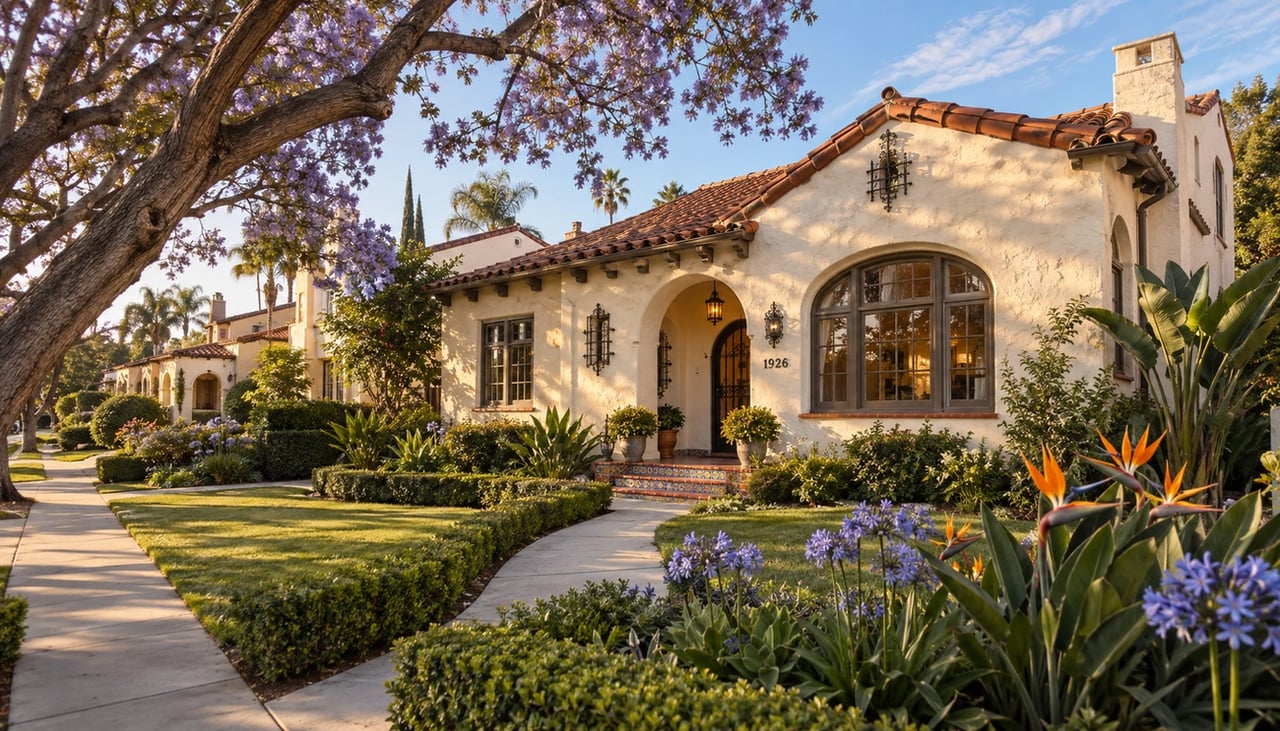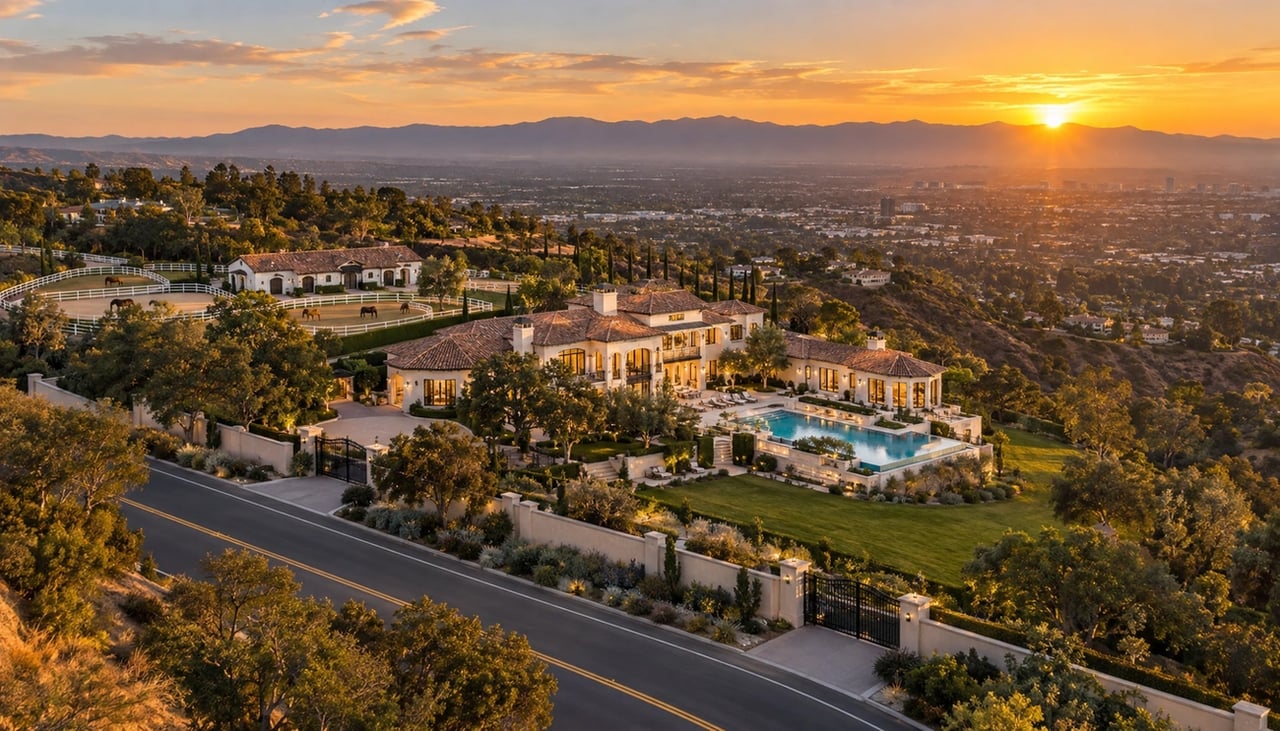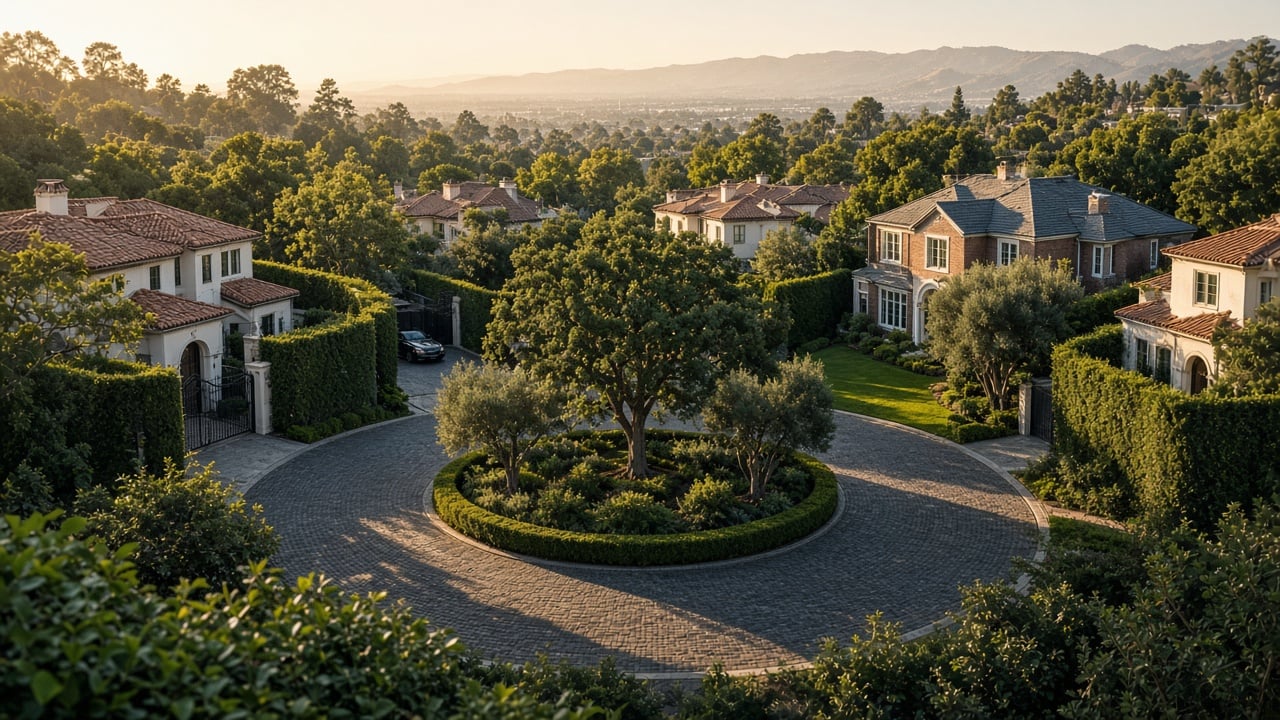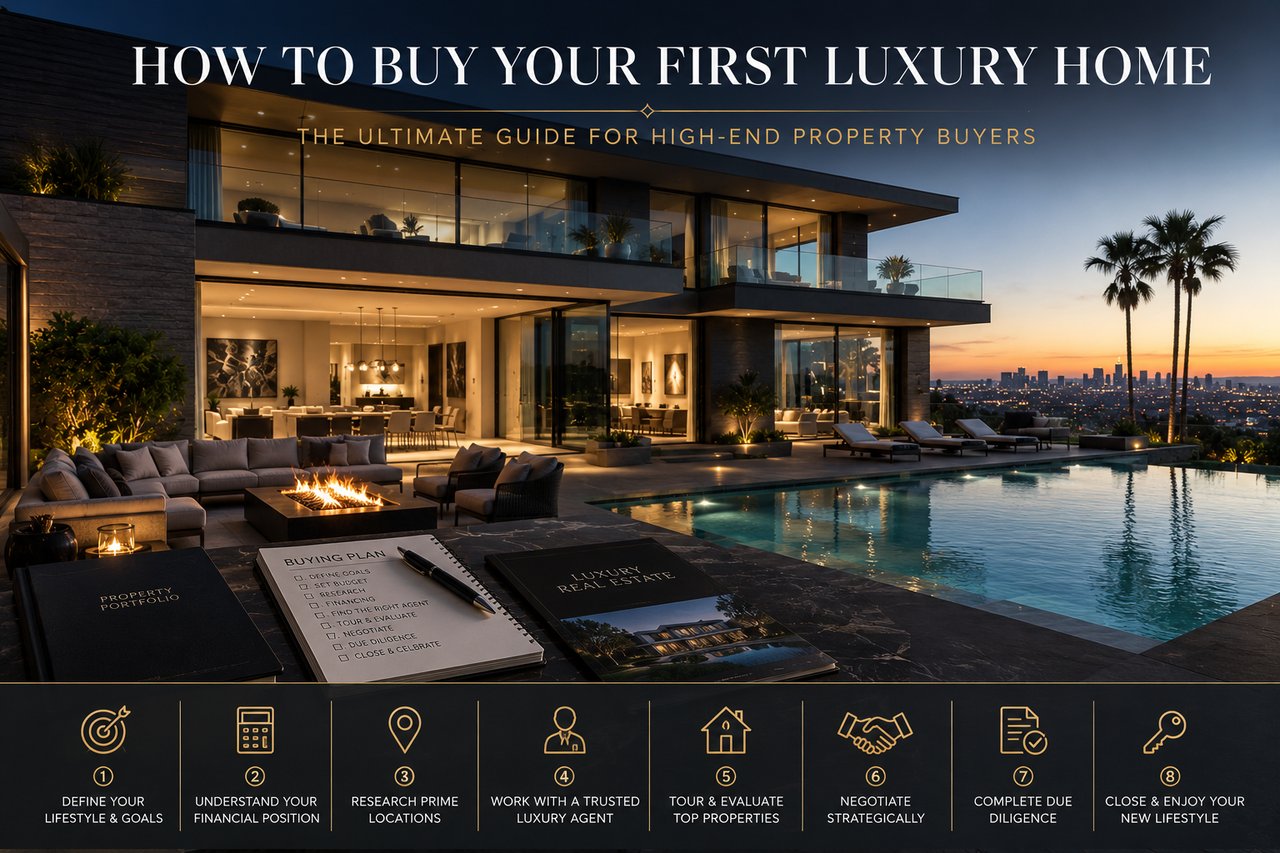
Luxury home buyers enter a distinct marketplace where entry points begin around $1 million in secondary markets and $5 million in premier locations like Los Angeles, New York, and Chicago. These buyers face requirements and obstacles that differ substantially from traditional home purchases. Financing alone presents unique hurdles lenders expect 15 to 20 percent down payments as a starting point, though 35 to 50 percent down payments occur frequently in upscale transactions.
Success requires understanding the specific desires of luxury buyers, mastering proven acquisition strategies, and recognizing the particular dynamics that shape luxury property transactions. First-time buyers need reliable guidance to make informed decisions in this specialized market, and this guide provides that foundation.
Understanding the Luxury Real Estate Market
High-end real estate moves through channels most buyers never see. The most valuable transactions happen through private conversations within trusted networks, where discretion matters as much as property value. Newcomers to this market benefit more from understanding these relationships than from watching public listings.
How High-End Properties Differ from Traditional Homes
Luxury properties typically represent the top 10 percent of a market's price distribution. The Certified Luxury Home Marketing Specialists define this classification based on local market position rather than a specific dollar amount.
These homes offer far more than additional square footage. Custom-built amenities reflect owner preferences—private theaters, wine cellars, and spa rooms become standard features. Smart home systems, advanced security measures, and architectural details distinguish these properties from mass-market construction. Even garage spaces mirror the quality found in living areas, featuring finished flooring, climate control, and custom storage solutions.
Location commands much of the premium pricing. These properties sit in prestigious neighborhoods that balance privacy with access to elite services. International buyers drive significant market activity—Chinese buyers contribute $6.1 billion annually, Canadian buyers $5.5 billion, and Indian buyers $3.6 billion.
Off-Market Listings and Private Sales
Pocket listings capture a growing share of luxury sales. From 2019 to 2021, off-market listings jumped 67%, climbing from 2.4% to 4% of all transactions. Some markets served by major brokerages see pocket listings reach 10% of total sales.
Private sales give sellers complete control over exposure and timing. Properties marketed only through broker networks avoid public attention while still reaching serious buyers. This practice grew so common that the National Association of Realtors created the Clear Cooperation Policy in 2020, requiring MLS submission within one business day of any public marketing.
These transactions appeal to sellers who value privacy, those testing market response, or owners handling sensitive personal circumstances. Buyers access these opportunities through relationships with agents who maintain exclusive networks and private showing arrangements.
Price Points and Market Segments
Luxury property thresholds reached $1.25 million nationally in March 2026. Different price bands create distinct market segments, each with unique demand patterns and appreciation rates. High-end luxury starts at $2 million, while ultra-luxury begins at $5.5 million.
Location creates dramatic threshold variations. Nantucket, Massachusetts sees 99% of active listings priced above $1 million. Rifle, Colorado (including Aspen) sets its top 1% at $59.2 million, while Jackson, Wyoming begins at $39.5 million.
Current Luxury Market Trends
Luxury home prices rose 4.6% in 2025 to a median of $1.31 million, far exceeding the 1.4% growth in non-luxury properties at $375,000. This gap reflects intense competition among cash-rich buyers rather than widespread demand increases.
Market projections show growth to $338 billion by 2030, expanding 3.2% annually. Cash purchases dominate higher price ranges: 46.5% of $1-2 million homes sell for cash, increasing to 64.4% for $2-5 million properties, and reaching 84.7% for homes between $5-10 million.
Limited inventory supports current pricing. Active luxury listings grew just 5.6% year-over-year, the slowest pace since spring, while new luxury supply increased only 2.9%. Wealthy buyers show less sensitivity to interest rate changes, making decisions based on lifestyle preferences and wealth preservation rather than financing costs.
Financial Preparation for Luxury Property Acquisition
High-end property purchases demand financial preparation that goes well beyond standard mortgage applications. Loan amounts above conventional limits require different underwriting approaches, expanded documentation, and approval processes that buyers must complete before submitting offers.
Jumbo Financing and Alternative Options
Jumbo mortgages surpass conforming loan limits established by the Federal Housing Finance Agency. The baseline conforming limit sits at $832,750 for most counties in 2026, increasing to $1,249,125 in high-cost areas. Loans exceeding these amounts enter jumbo territory and lose Fannie Mae or Freddie Mac backing.
Standard jumbo programs extend loans up to $3 million or $5 million. Specialized brokers arrange larger financing for qualified candidates. Interest rates often compete favorably with conforming loans, sometimes offering better terms depending on market conditions and borrower qualifications.
Asset-based lending suits buyers who want to avoid liquidating investments. This method uses investment portfolios as collateral while preserving the underlying assets. Some programs need only twice the loan amount in verified liquid assets—a $2.5 million loan requires $5 million in verifiable liquidity.
Required Documentation for High-End Financing
Jumbo loan applications require comprehensive financial records. Standard submissions include two months of recent pay stubs, two years of W-2 forms, and corresponding tax returns. Self-employed applicants add profit and loss statements plus business tax returns.
Asset verification goes beyond income proof. Lenders review checking accounts, savings accounts, certificates of deposit, retirement funds, and investment portfolios. Business owners submit additional materials: business tax returns (forms 1120, 1120S, Schedule K-1/1065) and current profit-and-loss statements when more than three months have elapsed since the tax year.
Employment consistency carries significant weight. Lenders prefer two years of stable employment within the same industry or with the same employer. Self-employed borrowers provide extra documentation showing income reliability and business sustainability.
Down Payment Requirements
Jumbo loans typically demand down payments between 10% and 25%. Twenty percent represents the standard benchmark, though highly qualified borrowers occasionally secure 10% down financing, especially for $2 million to $3 million properties. Reduced down payments may increase interest rates or add requirements.
Loan-to-value ratios usually cap at 80%, limiting financing to 80% of the purchase price. Lenders sometimes accept lower ratios when borrowers present compensating factors like superior credit scores or substantial reserves.
Private Lenders and Portfolio Financing
Portfolio loans provide flexibility unavailable through conventional channels. Private banks and financial institutions retain these loans rather than selling them on secondary markets. This approach enables custom packages for high-net-worth clients with complex income sources.
Pledged asset programs qualify buyers using investment portfolios without requiring liquidation. The primary benefit involves higher loan-to-value ratios reaching 90%. Cross-collateralization helps existing property owners finance additional purchases, potentially achieving 100% LTV without down payments.
Finding the Right Property and Location
Effective property searches start with clear priorities rather than chasing every listing that appears. Luxury buyers have varying needs based on lifestyle preferences, family circumstances, and investment goals.
Identifying Your Priorities and Must-Haves
Location, craftsmanship, lifestyle amenities, privacy, and investment potential guide luxury purchasing decisions. Suburban buyers often prefer wooded lots, nature preserves, equestrian facilities, and lakefront settings that offer privacy while creating peaceful environments.
Architectural expectations center on stone or brick exteriors, custom millwork and built-ins, oversized windows for natural light, and high ceilings with impressive entryways. The kitchen holds particular importance for today's luxury buyers. Professional-grade appliances from Wolf, Sub-Zero, or Thermador, expansive islands with seating, walk-in or butler's pantries, and custom cabinetry with premium countertops have become standard features.
Privacy considerations typically include half-acre lots or larger, private driveways or gated entries, cul-de-sac positions, and mature landscaping that provides natural screening. For those who love to entertain, the right home makes all the difference. If you're considering a purchase in the near future or beginning your search, I'd be delighted to help you discover spaces designed for elevated living and effortless hosting. Christina Pope  310-404-9931
  [email protected]
Working with a Specialized Luxury Real Estate Agent
Experienced high-end market agents provide access to properties never reaching public listings. These specialists maintain personal relationships that reveal unlisted properties while protecting seller privacy. Luxury property access typically involves fewer open houses and more scheduled private showings.
Evaluating Neighborhoods and Communities
Luxury buyers seek communities known for prestige, excellent schools, and lasting appeal. Transportation convenience matters significantly, especially for executives who commute to city centers or travel frequently. Easy access to major highways, commuter rail, and airports strengthens property desirability. Neighborhoods that balance peaceful residential character with transportation convenience consistently draw more interest.
Close proximity to luxury amenities high-end shopping, fine dining, private golf clubs, and exclusive spas—adds neighborhood value. Properties with panoramic water, mountain, or scenic views command substantial premiums.
Viewing Properties and Assessing Features
Professional listing photography can mislead buyers. Large homes often photograph poorly, making personal visits essential for accurate evaluation. Buyers should carefully examine architectural style and condition, noting whether historic properties retain original character or contemporary homes feature current design trends. Custom or architect-designed properties typically appeal more than standard construction.
Christina Pope—Sotheby's International Realty, EliteResidenceInternational.com
Making an Offer and Closing the Deal
The right property demands swift action. Luxury real estate transactions require specialized inspections, careful negotiation, and coordination among experienced professionals who understand high-end property complexities.
Conducting Professional Inspections
Luxury properties contain systems and amenities far more complex than standard homes, making inspections more detailed and time-intensive. A thorough assessment covers main drain and supply lines, construction quality, ventilation systems, pest concerns, electrical connections, terraces, garages, structures, basements, driveways, roofing, pools, spas, home theaters, porches, guest rooms, fire sprinklers, and security systems.
Inspectors lacking luxury property experience often miss critical issues. Organizations like the International Association of Certified Home Inspectors (NACHI) maintain directories of qualified professionals. Standard inspections cost $300 to $500, while experienced luxury specialists charge around $100,000, reflecting their expertise with high-end systems. Schedule inspections before finalizing purchase agreements—detailed examinations reveal construction issues that strengthen negotiating positions.
Understanding Comparable Sales Data
Comparative Market Analysis (CMA) tools establish property value through recent local sales adjusted for property differences. Agents typically use 3 to 5 recently sold comparable properties, though limited markets require broader search criteria. CMAs differ significantly from automated valuations like Zillow estimates, which typically miss actual market value by 5 to 15 percent.
Buyers rely on comparable sales data to justify offers and negotiate effectively. When comps show pricing above market rates, this information supports lower purchase proposals.
Negotiation Strategies for Luxury Properties
Seller motivations create negotiating opportunities. Timing, flexibility, contingencies, and emotional attachment influence decisions beyond price considerations. Scarcity and exclusivity strengthen seller positions, particularly for properties with unique locations, historical importance, or distinctive architecture.
Inspection and appraisal reports provide negotiating power for repairs or price adjustments. Building rapport through respectful communication establishes trust and leads to better terms.
Legal Considerations and Closing Costs
Luxury transactions demand thorough title searches identifying liens, encumbrances, or ownership disputes. Real estate attorneys review purchase agreements, resolve title issues, and coordinate with title companies during closing. Properties purchased through LLCs, trusts, or corporate entities require verification of legal authority and proper documentation.
Timeline Expectations
After offer acceptance, due diligence and closing phases span 45 to 60 days. Inspections complete within 10 to 14 days, appraisals arrive within 15 to 21 days, and underwriting takes 15 to 25 days for jumbo loans. Common delays include appraisals below contract price, additional documentation requests, and title issues requiring resolution.
Christina Pope—Sotheby's International Realty, EliteResidenceInternational.com
Post-Purchase Responsibilities
Ownership extends well beyond the closing table, bringing ongoing financial commitments and strategic decisions that protect both aesthetic appeal and long-term value. High-value properties require specialized attention that standard maintenance approaches cannot address.
Maintenance and Upkeep Planning
Annual maintenance typically runs 1 to 3 percent of property value. A $10 million estate requires $100,000 to $300,000 yearly. Monthly obligations include landscaping ($500 to $1,500), pool maintenance ($150 to $500), utilities ($500 to $2,000), and security monitoring ($100 to $300). Proactive maintenance planning reduces overall expenses up to 30 percent compared to reactive repairs.
Property Management and Estate Staffing
Non-resident owners often engage property management services starting at $300 to $500 monthly. Estate managers handle staff coordination, vendor relationships, budget oversight, and maintenance scheduling across multiple properties. Executive housekeepers earn market rates of $35 per hour for eight-hour shifts, with health insurance benefits after three months. Full-time nannies command annual salaries between $80,000 and $150,000.
Insurance Protection and Tax Planning
Comprehensive high-value coverage costs $5,000 to $20,000 annually. Coverage requires dwelling limits that reflect true replacement costs, typically starting at $750,000. Tax optimization includes 1031 exchanges for capital gains deferral, mortgage interest deductions, and cost segregation for accelerated depreciation benefits.
Investment Value Protection
Properties exceeding $1 million average monthly maintenance costs between $5,000 and $70,000, representing approximately 5 percent of total property value annually. Regular professional assessments identify upgrade needs while systematic maintenance prevents expensive system failures.
Christina Pope—Sotheby's International Realty, EliteResidenceInternational.com
Conclusion
Buyers who follow this guidance possess the foundation needed to succeed in luxury real estate markets. Each element—from securing appropriate financing to recognizing the value of off-market opportunities—requires both preparation and the right professional partnerships. The luxury market rewards those who understand its private nature, where trusted relationships often matter more than public listings.
For discerning clients who value exceptional living spaces and wise investment decisions, working with experienced professionals makes the difference between a transaction and finding the perfect property. The luxury market demands patience, strategic thinking, and access to exclusive networks that only seasoned specialists can provide.
Success in this market comes to those who prepare thoroughly and partner with agents who truly understand luxury properties and their unique requirements. The investment of time and expertise pays dividends in securing a home that serves both immediate lifestyle goals and long-term financial objectives.
Key Takeaways
Buying your first luxury home requires specialized knowledge and preparation that differs significantly from traditional real estate transactions. Here are the essential insights for navigating the high-end property market successfully:
• Secure jumbo financing early - Luxury properties require 10-25% down payments and extensive documentation, with loans exceeding $832,750 triggering different underwriting standards.
• Access off-market properties through specialized agents - 67% more pocket listings exist now, with many luxury transactions happening privately through exclusive broker networks.
• Budget 1-3% annually for maintenance costs - A $10 million property requires $100,000-$300,000 yearly for upkeep, including landscaping, utilities, and specialized system maintenance.
• Focus on location and unique features over size - Luxury buyers prioritize prestigious neighborhoods, privacy, custom amenities, and investment potential rather than just square footage.
• Plan for extended closing timelines - Luxury transactions take 45-60 days due to complex inspections, appraisals, and specialized legal considerations that require expert coordination.
The luxury real estate market operates through relationships and discretion, where preparation and professional partnerships determine success more than budget alone.
FAQs
Q1. What down payment is typically required for a luxury home purchase? Luxury home purchases typically require down payments between 10% and 25% of the property value, with 20% being the most common benchmark. For highly qualified buyers, some lenders may accept as low as 10% down for properties in the $2-3 million range, though this often results in higher interest rates. In the upscale market, down payments of 35-50% are quite common, and many luxury transactions are completed entirely in cash.
Q2. How long does it take to close on a luxury property? The closing process for luxury properties typically takes 45 to 60 days from offer acceptance. This timeline includes inspections (10-14 days), appraisals (15-21 days), and underwriting for jumbo loans (15-25 days). The extended timeline compared to traditional homes reflects the complexity of luxury transactions, including more comprehensive inspections of specialized systems and amenities, detailed title searches, and coordination among multiple professionals.
Q3. What are off-market listings and how do buyers access them? Off-market listings, also known as pocket listings, are luxury properties sold privately without public advertising. These listings increased by 67% between 2019 and 2021 and now account for up to 10% of transactions in some markets. Buyers gain access to these exclusive properties by working with specialized luxury real estate agents who maintain private networks and can arrange invitation-only previews, offering opportunities to purchase high-end homes before they reach the general market.
Q4. What annual maintenance costs should luxury homeowners expect? Luxury homeowners should budget 1-3% of their property's value annually for maintenance and upkeep. For a $10 million estate, this translates to $100,000-$300,000 per year. Monthly expenses typically include landscaping ($500-$1,500), pool maintenance ($150-$500), utilities ($500-$2,000), and security monitoring ($100-$300). Implementing structured preventative maintenance planning can reduce overall costs by up to 30% compared to reactive repairs.
Q5. What qualifies a property as "luxury" real estate? A property qualifies as luxury real estate when it falls within the top 10% of a market's price distribution. The national luxury threshold is approximately $1.25 million, though this varies significantly by location—starting at around $1 million in secondary markets and $5 million in top markets like Los Angeles, New York, and Chicago. Beyond price, luxury properties feature custom-built amenities, premium materials, smart home technology, superior craftsmanship, and locations in prestigious neighborhoods with exceptional privacy and access to elite services.