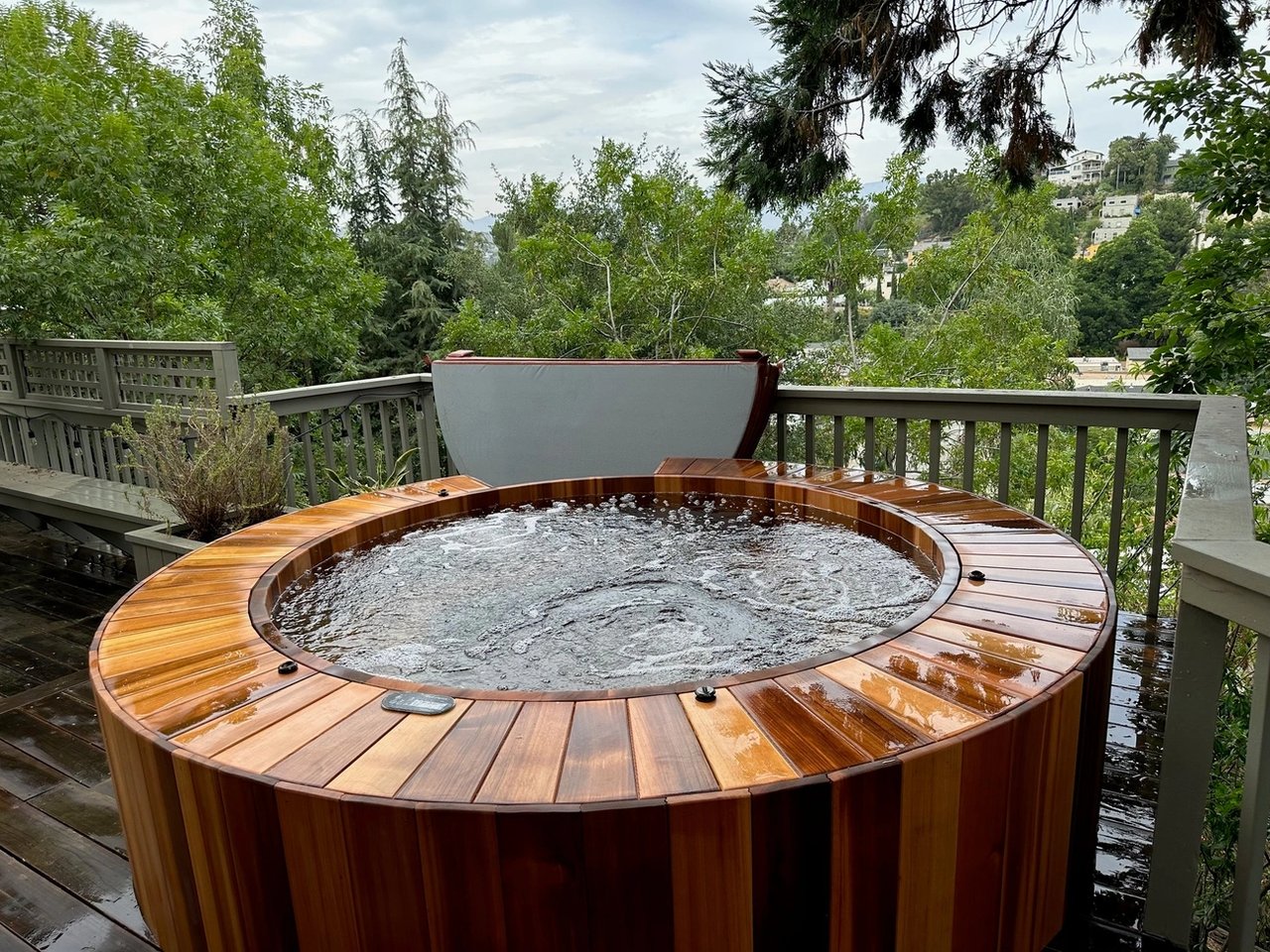
Cold plunge tubs have moved from athletic training rooms into ordinary bathrooms and garages, and the numbers reflect this acceleration. The global cold plunge tub market was valued at $354.6 million in 2025 and is projected to reach $659.9 million by 2033, growing at 8.1% a year. North America holds 38.8% of that market. You need more than a tub and ice water to cold plunge at home. LA homeowners who've updated their properties report a steep learning curve around plumbing requirements, electrical upgrades and ongoing maintenance. This piece covers how to set up a cold plunge at home, what experienced users wish they'd known before installation, and the long-term considerations that determine whether your investment delivers lasting value.
How to Set Up a Cold Plunge at Home: Step-by-Step Planning
"A cold plunge sauna setup rewards planning. The right design is the one that fits how you live, how often you will actually use it, and how much maintenance you are willing to do." — Sauna Steam Center, Wellness and sauna installation experts
To set up a cold plunge at home, start with location assessment. Indoor installations need waterproof flooring and proper ventilation to manage humidity. Outdoor setups require weatherproof electrical components and concrete pads extending 6 inches beyond the tub on all sides. The floor must support 8 to 12 pounds per gallon of water capacity plus the tub weight. This totals 2,000 to 4,000 pounds once filled.
Space allocation matters more than homeowners anticipate. Single-person units require an 8x6 feet total footprint with access space around a typical 60"x42" tub. The chiller unit needs dedicated space within 3 to 8 feet of the basin and 12-18 inches clearance on vented sides.
Electrical requirements determine installation complexity. Most residential units operate on standard 120V GFCI-protected outlets and draw 12-15 amps during cooling cycles. Indoor chillers run $13 to $17 per month in electricity. Larger systems require 220V dedicated circuits with 30-50 amp capacity.
Drainage planning prevents future headaches. A floor drain within 6 feet of the tub prevents water damage from splashing. Without floor drains, routing to bathtubs or utility sinks works. Submersible pumps handle distant drainage points.
Timeline expectations run 1-7 days from delivery to first plunge. Most systems take 3-6 hours to chill water from room temperature, with 4-24 hours for complete startup.
What Experienced LA Homeowners Wish They Knew About Daily Use
"If you want to give cold-water immersion a try, start by consulting an expert, such as a sports medicine specialist, to ensure you're plunging appropriately and following the right protocol." — Andrew Jagim, Ph.D., Specialist in sports medicine
LA's heat changes everything about how to do a cold plunge at home. Units rated to reach their minimum temperature in controlled environments struggle outdoors when ambient air hits 100°F. Chillers run continuously in summer. Underpowered systems never reach target temperatures despite constant operation. Foam-injected tubs with insulated, UV-proof lids cut heat load dramatically, but homeowners should expect higher electricity bills from June through September whatever the insulation quality.
Water maintenance just needs more attention than predicted. Cold water slows bacterial growth but slows sanitizer effectiveness equally. Testing every 1-2 weeks keeps pH between 7.0-7.6 and chlorine at 1.0-3.0 ppm. Filtration systems need 4 hours of daily runtime minimum. Complete water changes occur every 3-4 weeks even with perfect chemistry. Showering before each session removes body oils that concentrate quickly in 100-gallon volumes.
Chiller noise registers between 45-60 dB during active cooling, comparable to normal conversation. Indoor installations increase perception, while outdoor placement moves sound away from living spaces. Minimum session length that works holds at 3 minutes for water above 38°F. Experienced users extend to 10+ minutes at 45-50°F after 4-6 weeks of adaptation.
Making Your Cold Plunge Investment Last: Long-Term Considerations
Purchase price represents a fraction of total ownership economics. Monthly electricity costs range from $20 to $50 for standard systems, yet insulation quality creates dramatic variance. A poorly insulated tank can cost over $430 annually to maintain temperature versus $29 for well-insulated equivalents. Surface insulation alone accounts for 60-80% of temperature loss and makes sealed lids and foam-injected walls non-negotiable.
Component replacement follows predictable timelines. Quality compressors from manufacturers with 5-10 years of track record last that long, whereas generic alternatives fail within 2-4 years. Circulation pumps require replacement every 3-5 years. Control boards represent the weakest link at 2-5 years, especially when you have humid environments. Filter cartridges need replacement every 2-8 weeks depending on usage intensity. A $20 filter change protects systems valued over $1,000.
Resale value rarely justifies purchase decisions. Premium wellness amenities appeal to specific luxury market segments but shouldn't drive your investment. Those who love to entertain know that the right home makes all the difference. If you're thinking about a purchase in the near future or beginning your search, I'd be delighted to help you find spaces designed for better living and effortless hosting. Christina Pope 📞 310-404-9931 ✉️ [email protected]
Systems integrated into complete wellness environments with saunas and recovery zones create more compelling property features than standalone installations.
Conclusion
Cold plunge installation success depends less on the tub itself and more on understanding LA's climate challenges, electrical requirements, and maintenance realities before purchase. Homeowners who research placement, insulation quality, and long-term operating costs avoid the most common modernize regrets. Systems that integrate proper drainage, adequate chiller capacity, and realistic usage expectations deliver better results than premium tubs installed without planning. Preparation outweighs price point every time.
Key Takeaways
Before investing in a home cold plunge system, LA homeowners should understand that successful installation requires more than just purchasing equipment—it demands careful planning around space, electrical infrastructure, and ongoing maintenance commitments.
• Plan for substantial infrastructure needs: Cold plunge installations require floors supporting 2,000-4,000 pounds, dedicated electrical circuits (120V or 220V), proper drainage within 6 feet, and adequate chiller placement with 12-18 inches clearance.
• Budget beyond the purchase price: Monthly electricity costs range from $20-$50, but poor insulation can spike annual costs to $430 versus $29 for quality systems—insulation quality matters more than initial price.
• Expect rigorous maintenance demands: Water testing every 1-2 weeks, 4+ hours daily filtration, complete water changes every 3-4 weeks, and component replacements every 2-10 years are non-negotiable for system longevity.
• Account for LA's climate challenges: Southern California heat forces chillers to run continuously in summer, with underpowered systems struggling to reach target temperatures when ambient air hits 100°F despite constant operation.
• Understand realistic usage patterns: Effective sessions require minimum 3 minutes at 38°F+, with experienced users building to 10+ minutes at 45-50°F after 4-6 weeks of consistent adaptation and practice.
The cold plunge market is projected to grow from $354.6 million in 2025 to $659.9 million by 2033, but homeowners who prioritize proper planning, adequate insulation, and realistic maintenance expectations achieve better long-term results than those who focus solely on premium equipment without infrastructure preparation.
FAQs
Q1. What are the basic space and infrastructure requirements for installing a cold plunge at home? You'll need a floor that can support 2,000-4,000 pounds when the tub is filled, which includes both the water weight (8-12 pounds per gallon) and the tub itself. The installation requires an 8x6 feet footprint for single-person units, a dedicated electrical circuit (either 120V or 220V depending on the system), and drainage within 6 feet of the tub. The chiller unit needs to be placed within 3-8 feet of the basin with 12-18 inches of clearance on vented sides.
Q2. How much does it actually cost to operate a cold plunge system monthly? Monthly electricity costs typically range from $20 to $50 for standard systems, though this varies significantly based on insulation quality and climate. In Los Angeles, expect higher bills during summer months (June-September) when chillers run continuously. Poorly insulated systems can cost over $430 annually to maintain temperature, while well-insulated units may only cost around $29 per year, making insulation quality a critical factor in long-term operating costs.
Q3. How often do I need to maintain the water and replace components? Water requires testing every 1-2 weeks to maintain proper pH (7.0-7.6) and chlorine levels (1.0-3.0 ppm). The filtration system should run at least 4 hours daily, and you'll need to completely change the water every 3-4 weeks. Component replacement follows predictable timelines: filter cartridges every 2-8 weeks, circulation pumps every 3-5 years, control boards every 2-5 years, and quality compressors every 5-10 years.
Q4. How long does it take to get a cold plunge system up and running? From delivery to your first plunge, expect a timeline of 1-7 days for complete installation. Once installed, most systems take 3-6 hours to initially chill water from room temperature, with some requiring 4-24 hours for complete startup. The installation process itself typically takes 3-6 hours, depending on the complexity of your electrical and plumbing setup.
Q5. What's the minimum effective session length for cold plunge benefits? The minimum effective session length is 3 minutes for water temperatures above 38°F. However, experienced users typically extend sessions to 10+ minutes at temperatures between 45-50°F after building tolerance over 4-6 weeks of consistent practice. It's recommended to consult with a sports medicine specialist before starting to ensure you're following the right protocol for your individual needs.