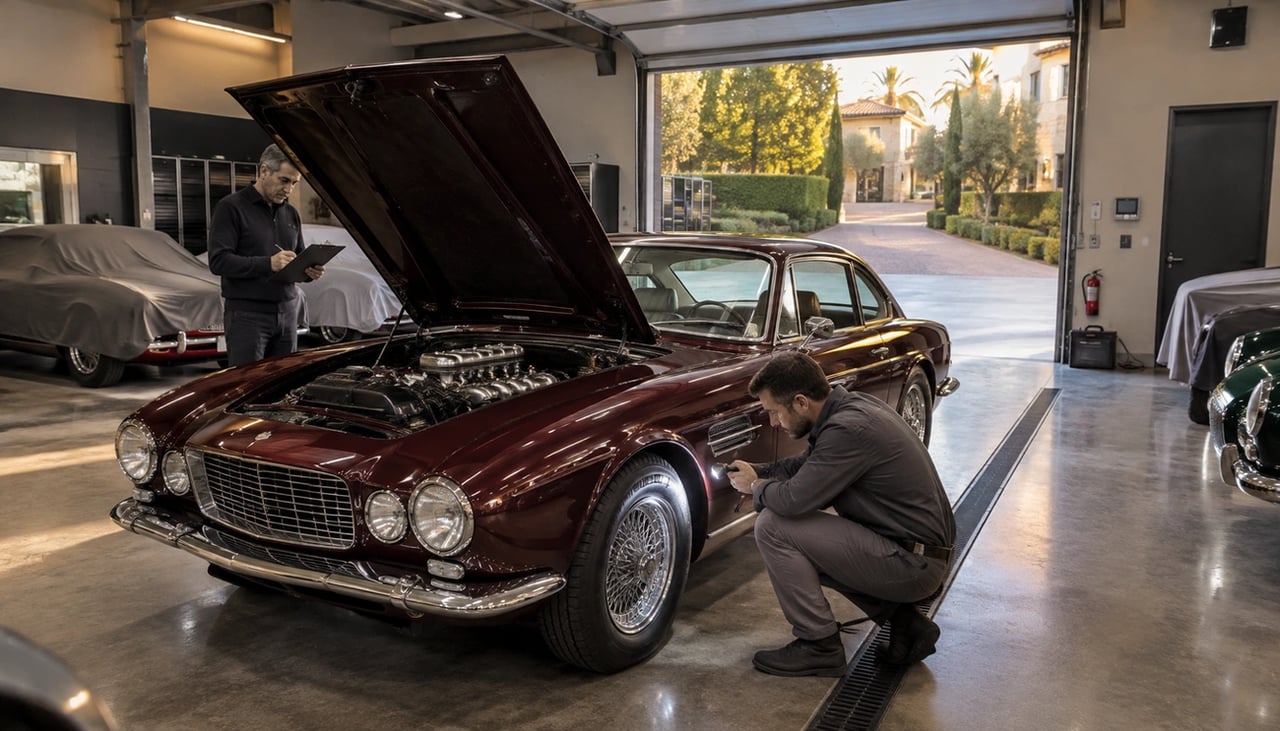
Do antique cars need inspection at the time a collector-car garage looks flawless? A polished floor, secure doors, and gleaming vehicles can still conceal moisture, structural concerns, unsafe systems, or incomplete records. Buyers who think over a Los Angeles property may need to account for privacy and timing during the viewing, but careful verification protects their decision.
A classic car inspection should get into the garage and every included vehicle because fresh paint can hide rust that continues to spread, and a brief drive cannot replace a mechanical review. This piece explains at what point classic car inspection services are worthwhile, how to use a classic car inspection checklist, and how to answer whether antique cars and cars with antique plates need inspection under applicable rules.
Step 1: Plan a Private Collector-Car Garage Viewing
Why Los Angeles Luxury Property Deals Often Stay Off Market
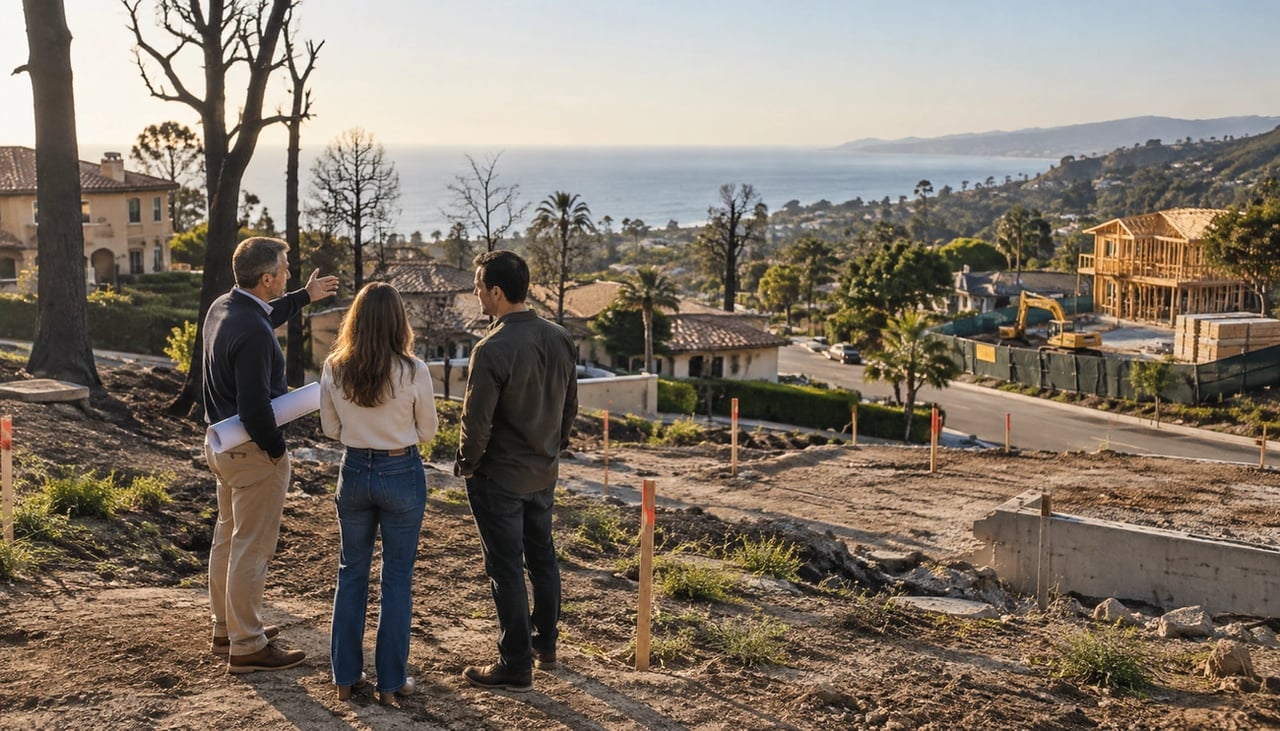
Private conversations, trusted relationships, and controlled timing often determine access to Los Angeles collector-car properties. Sellers of high-value homes may keep listings private to limit exposure and verify prospective buyers before a viewing. Industry estimates place off-market sales at 15 to 20 percent of luxury transactions above $3 million, and the share rises for properties above $10 million. A private viewing starts with confirmed access, not public listing alerts.
Set Privacy, Timing, and Purchase Goals Before the Viewing
Buyers should set the attendee list, viewing length, and rules on photography or recording before they confirm a visit. They should also identify the collection’s actual needs: vehicle count, access frequency, display space, workspace, and future growth. This preparation gives the agent a clear brief and keeps the visit focused.
A buyer who thinks about installing lifts should request access to every bay, not just the finished display area. A buyer comparing a classic car inspection checklist with included vehicles should reserve time to review records and complete cold starts instead of scheduling a rushed walk-through.
Coordinate Access With Christina Pope, Sotheby's International Realty, EliteResidenceInternational.com
Christina Pope, a Global Real Estate Advisor with Sotheby's International Realty, connects clients with properties and includes homes that never reach the public market. Her work centers on relationships, privacy, and verified access. Buyers can coordinate a viewing through Christina Pope at EliteResidenceInternational.com. This gives the owner a clear purpose to visit and enough time to prepare relevant materials.
The right home makes all the difference for those who love to entertain. If you’re thinking about a purchase soon or starting your search, I’d be delighted to help you find spaces designed for refined living and effortless hosting. Christina Pope 📞 310-404-9931 ✉️ [email protected]
Request Garage Plans, Permits, and Storage History
Buyers should request the approved garage plan, permit file, and documents covering additions, alterations, electrical work, fire-protection work, or driveway changes before the appointment. Local rules may require separate approvals for these elements, while approved drawings show the work authorities reviewed.
Storage history should show how many vehicles occupied the garage, how often they moved, and whether the space served as a workshop or display area. Request maintenance notes, climate-control records, insurance requirements, and documentation of water or rodent issues. These records help the buyer schedule classic car inspection services and use a classic car inspection checklist. They also separate property review from later registration questions. The seller should provide records before the viewing so the buyer can set the inspection schedule with clear purchase goals in advance.
Step 2: Inspect the Garage From the Entrance to the Storage Bays

Image Source: Subterio
Check Driveway Slope, Door Clearance, and Turning Space
Do antique cars need inspection?
When buyers arrive, they should inspect the vehicle’s path from the street to the bay. They should confirm that the driveway directs water away, fits the longest car, and leaves enough room to open doors without hitting rooflines or lifts. The driver should complete the intended turn and park safely with the doors open.
Inspect the Roof, Walls, Drainage, and Signs of Water Damage
Buyers should get into the condition of ceilings, flashing, walls, door seals, gutters, downspouts, and the slab edge. They should look for stains, peeling paint, warped wood, cracks, or musty odors. Buyers should ask where runoff goes. Channel drains work well with sloped driveways because they catch water before it reaches the garage.
Confirm Floor Condition and Load Limits for Cars and Lifts
Buyers should check for deterioration, major cracks, uneven areas, joint damage, and past repairs. A lift requires a level slab, enough ceiling clearance, the specified electrical power, and approved concrete. Lifts rated from 9,000 to 10,000 pounds often require about 4¼ to 5 inches of reinforced concrete with a minimum rating of 3,000 PSI, although the lift manual takes priority.
Check Temperature, Humidity, and Ventilation
Buyers should read the hygrometer and inspect the HVAC system, filters, dehumidifier, door seals, and airflow. Relative humidity of 45% to 50% helps limit corrosion and protect leather and cloth. Levels above 55% increase the risk of mold and bacterial growth. They should keep a treated garage closed during damp conditions while maintaining ventilation.
Review Wiring, Charging Points, and Fire Protection
Buyers should inspect outlets, panel capacity, circuits, chargers, and cable routing. They should confirm the lift’s power requirements. Many two-post lifts need a dedicated 220V/240V, 30-amp circuit. They should also verify detectors, alarms, suppression systems, extinguishers, and protected storage for flammable materials.
Test Security, Access Controls, and Space for Safe Storage
Buyers should test gates, locks, entry logs, lighting, cameras, and alarms. Secure entry, surveillance, and clear space around each vehicle support safe storage and service. They should record their findings on a classic car inspection checklist before classic car inspection services inspect the vehicles.
Step 3: Use a Classic Car Inspection Checklist for Included Vehicles
Do antique cars need an inspection? Once the bays are documented, buyers should use a classic car inspection checklist before valuing the included vehicles.
Check Paint, Panel Fit, Rust, and the Underside
Walk around the vehicle. Check paint reflections for waviness, compare the hood, door, and trunk gaps, then use a flashlight under the panels. A magnet with uneven grip may indicate filler. Inspect the frame and floor, along with suspension mounts, the trunk, and exhaust, for rust, leaks, or repairs.
Inspect Tires, Interior Wear, Wiring, and Controls
Check tire sidewalls for cracks, bulges, flat spots, and tread wear. Inside, inspect the carpet and upholstery, then check gages, switches, lights, the horn, wipers, hoses, and wiring for signs of water damage, rodents, corrosion, or wear. Record any controls that fail.
Observe a Cold Start and Arrange a Safe Road Test
Ask the seller to keep the engine cold. Watch the engine crank and idle, then check for smoke, oil pressure, and temperature issues before driving on different road surfaces. Test the steering and brakes, along with the clutch or shifting. Listen for vibration, clunks, grinding, or whine, then check again for leaks.
Match Vehicle IDs and Restoration Records to Seller Claims
Match each character across the title, registration, VIN or serial number, and receipts. Pre-1981 identifiers lacked standardization, so a marque specialist should verify the claimed equipment and restoration scope. NICB VINCheck requires a correct 17-digit VIN.
Step 4: Confirm Antique-Car Rules and Resolve Inspection Findings
Do Antique Cars Need to Be Inspected? Check the Registration State
Registration determines whether an antique car needs an inspection. Confirm the vehicle's registration state and its current antique vehicle definitions. Pennsylvania, to name just one example, defines an antique vehicle as more than 25 years old and a classic vehicle as at least 15 years old.
Do Cars With Antique Plates Need Inspection? Separate Safety and Emissions Rules
Safety and emissions inspections follow separate rules. Pennsylvania requires annual safety inspections for classic vehicles, while antique vehicles do not need them. Both are exempt from emissions inspections.
Confirm Local Garage Use, Lift Permits, and Insurance Terms
Make sure the approved use covers storage, workshop, or business activity. Ask the relevant authority whether a lift, electrical circuit, or slab work requires permits. Lift certification is mandatory if the authority requires it. Review each vehicle's insurance terms.
Choose Separate Garage Experts and Classic Car Inspection Services
Hire a garage professional separately from classic car inspection services. A specialist can assess the vehicle's structural and mechanical condition, bodywork, electrical systems, and authenticity instead of relying only on a classic car inspection checklist.
Use Written Reports and Repair Estimates to Proceed, Negotiate, or Walk Away
Use repair estimates with written findings. Negotiate costs if appropriate, then proceed or walk away if defects remain.
Conclusion
Luxury real estate transactions in Los Angeles often depend on privacy, timing, and verified access. Review a collector-car garage as carefully as the residence, and obtain independent vehicle inspections with complete records. Buyers should confirm the space and vehicles, along with applicable permits and registration rules, before committing. Written findings and repair estimates help buyers decide whether to move forward or walk away, while supporting fair negotiations.
Inspecting a Collector-Car Garage and Included Vehicles: Neighborhood Blurbs
Bel Air
Bel Air’s larger estates often come with garages designed to show off a collection, and a polished floor can hide a lot. Christina Pope advises buyers to inspect the building and the cars as two separate reviews. For the garage, that means checking drainage, slab condition, wiring, humidity control, fire protection, and security. For any included vehicles, a classic-car specialist should handle the mechanical and structural review. Requesting plans, permits, and storage history before the private viewing keeps the visit focused and discreet. Bel Air guide →
Beverly Hills
Beverly Hills buyers often want a garage that works as a showroom, with the finish to match. Christina Pope, with deep international experience in the Dubai luxury market, advises looking behind the finish: moisture at the slab edge, door seals, roof and gutter condition, and how the space handles temperature and humidity. If cars are included in the sale, buyers should verify identification numbers, titles, and restoration records against the seller’s claims. A garage that looks flawless should also pass a flashlight test. Beverly Hills guide →
Hollywood Hills
Hollywood Hills garages are shaped by terrain, so access comes first. Steep driveways, tight turns, and limited maneuvering room can matter more than the finishes. Christina Pope advises buyers to drive the approach with their longest or lowest vehicle, test door clearance, and note where water runs during rain. Slab condition and structural support deserve a specialist’s look, especially where a lift is planned. The best hillside garages combine a great view with a great turning radius. Hollywood Hills guide →
Brentwood
Brentwood’s established homes often include garages that have served several generations of owners, so history matters. Christina Pope advises requesting permit files, past alterations, and electrical or fire-protection records, then comparing them with what is actually there. Look for stains, odors, and signs of past water or pest issues, and ask how climate is controlled. If vehicles are included, bring in a classic-car specialist, separate from the building inspector. Two sets of expert eyes are better than one. Brentwood guide →
Pacific Palisades
For many Pacific Palisades buyers, a garage is part of a larger rebuilding conversation, so permits and insurance sit alongside the usual inspection questions. The honest pivot is that a new or rebuilt garage can be planned for a collection from the start, including slab strength, electrical capacity, and ventilation. Christina Pope advises buyers to verify what is permitted for any lift or workshop use and to ask about insurance terms for the building and the cars. Clear plans make every later step easier. Pacific Palisades guide →
Hidden Hills
Hidden Hills offers space for large, purpose-built garages, and larger spaces bring larger questions. Christina Pope advises buyers to confirm approvals for any workshop, lift, or additional structure with the city and the community association before assuming they carry over to a new owner. Inspect electrical capacity, fire protection, drainage, and security, then arrange separate reviews of the building and any included vehicles. With room to spare, a collector can plan the garage thoughtfully. Hidden Hills guide →
Malibu
Malibu’s coastal air is lovely for people and demanding for cars. Moisture, salt exposure, and temperature swings can quietly affect both the garage and the vehicles inside it. Christina Pope advises buyers to check ventilation, door seals, dehumidification, and signs of corrosion or water intrusion, and to have a specialist look at any included vehicles’ underbodies and electrical systems. Confirm permits for lifts or workshop space as well. The ocean is a fine neighbor, but a collection prefers to stay dry. Malibu guide →
Looking for a home with a garage that can handle a collection? Christina Pope, Senior Global Real Estate Advisor (CA DRE# 02022142), can be reached at 310.404.9931 or through Contact. Explore Global Listings, request a Home Valuation, see Relocation support, read the Blog, or learn more About Christina.
Key Takeaways
A thorough, independent review of the garage, vehicles, records, and regulations helps collector-car buyers avoid costly surprises.
Plan private viewings with clear storage goals, adequate inspection time, and advance access to plans, permits, maintenance logs, and storage history.
Inspect access, drainage, slab capacity, climate control, wiring, fire protection, and security; maintain 45–50% humidity to help prevent corrosion and mold.
Inspect every included classic car from paint and underbody to cold starts and road tests; verify VINs, titles, and restoration records against seller claims.
Check registration-state rules separately for antique plates, safety inspections, and emissions testing; requirements vary, even for vehicles of similar age.
Hire separate garage and classic-car specialists, then use written reports and repair estimates to negotiate confidently—or walk away from unresolved defects.
FAQs
Q1. Do antique cars need safety or emissions inspections?
Requirements depend on the registration state and vehicle classification. Antique plates do not guarantee exemption from both tests, so check current safety and emissions rules separately.
Q2. What should I check before buying a collector-car garage?
Check driveway access, door clearance, drainage, water damage, floor condition, climate control, wiring, fire protection, and security. Review approved plans, permits, and storage history as well.
Q3. What humidity level is best for storing classic cars?
Aim for 45–50% relative humidity to help limit corrosion and protect leather and cloth. Check the garage’s ventilation, dehumidifier, and door seals for effective moisture control.
Q4. What should a classic-car pre-purchase inspection include?
Inspect paint, rust, the underside, tires, wiring, and interior controls. Arrange a cold start and safe road test, then compare vehicle identifiers, ownership documents, and restoration records with the seller’s claims.
Q5. Should different specialists inspect the garage and the cars?
Yes. Use a garage professional to assess the building and its systems, and a classic-car specialist to examine the vehicles. Request written findings and repair estimates before deciding whether to buy or negotiate.