Biophilic design has become the life-blood of luxury home architecture in Los Angeles. This change shows how priorities have changed, with the 2025 Wellness in Design report revealing that almost 70% of homeowners now call natural elements 'essential'. Light-filled open interiors that flow right into outdoor living spaces appeal especially to Southern Californians. These spaces create a continuous connection between indoor and outdoor environments.
Biophilic design's true nature goes deeper than looks - it fulfills our basic biological need to connect with nature. Research shows that seeing nature can help lower blood pressure and heart rate. Los Angeles homeowners have embraced these principles in their living spaces. Home wellness features have gained popularity over the last several years. Dedicated wellness spaces have become must-have features rather than luxury extras.
Luxury living now means more than just looks and size. SoCal's population of 23.76 million people creates a unique environment that runs on indoor-outdoor living, even though it's nowhere near the size of NorCal. Indoor greenery connects residents to Southern California's Mediterranean climate naturally. Plants also boost air quality by acting as natural purifiers - a crucial benefit in an area that deals with traffic emissions and wildfire smoke.
The Rise of Wellness-First Home Design
Luxury real estate has placed wellness at its core, making it the foundation of home design. Modern architects now focus on how spaces affect people's feel and perform rather than just esthetics. This change shows a deeper understanding of how wealth and wellbeing work together.
Why wellness is now central to luxury living
The meaning of luxury has changed dramatically. True luxury today goes beyond square footage and fancy finishes. It's about how a home supports health, balance, and emotional clarity. This progress reflects wealthy homeowners' changing priorities as they look for spaces that nurture both body and mind.
Numbers tell a compelling story. The global wellness real estate market stands at US $584 billion in 2024 and will reach US $1.10 trillion by 2029. Properties designed around wellness fetch higher prices - residential properties sell for 10-25% more while commercial buildings earn better rent. Wellness design proves to be both a lifestyle choice and a smart investment.
Los Angeles luxury homes showcase this change through specific design elements:
- Meditation rooms bathed in morning light
- Spa-inspired bathrooms designed for calm
- Private gyms reimagined as tranquil retreats
These homes actively participate in their residents' health. They go beyond basic shelter by adding features that clean the air, help people sleep better, and lower stress. Smart home integration brings AI and IoT systems that track environmental conditions and suggest tailored health improvements.
How Los Angeles is leading the change
Los Angeles has unique advantages that make it perfect to lead this design transformation. The city's residents have always been wellness pioneers - from organic food and yoga to biohacking and longevity science. This wellness-first approach to architecture fits naturally with the local mindset.
California's energy codes and green awareness match perfectly with wellness architecture's focus on eco-friendly, toxin-free building practices. These regulations have helped spread these practices across the region.
The city serves as a testing ground for mindful living, from Bel Air's hills to Malibu's beaches. Los Angeles homes now regularly feature:
- Superior air and water quality systems
- Smart climate and lighting control
- Biophilic and green design elements
The Los Angeles luxury market's progress comes from private deals rather than public listings. Many groundbreaking wellness-focused properties sell through quiet transactions that stay off the open market.
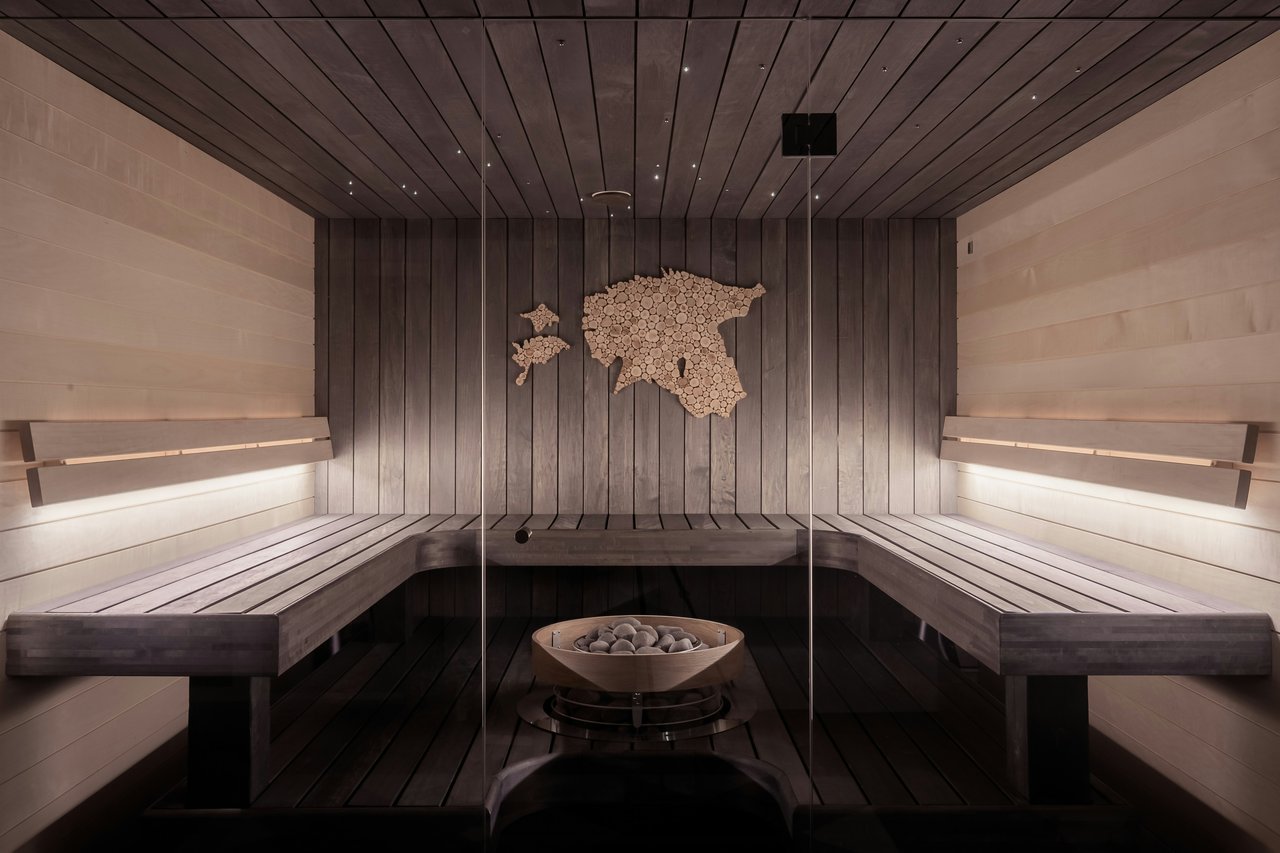
Future residential design in Los Angeles will combine net-zero energy construction, AI-driven environmental monitoring, modular wellness pods for meditation or recovery, and bigger outdoor wellness spaces with saunas and plunge pools. These state-of-the-art features reflect a simple truth that has altered the map of luxury real estate: homes should boost quality of life.
Biophilic Design Principles in LA Homes
A quiet transformation in design philosophy is happening behind the gates of LA's most coveted addresses. The world of biophilic luxury spreads through private networks, not property listings. Innovative elements have become status symbols for those who value both ecological awareness and exclusivity.
Define biophilic design and its meaning
Psychoanalyst Eric Fromm first coined the term "biophilia," and biologist E.O. Wilson later made it popular. The term describes our natural tendency to connect with nature. Biophilic design applies this concept to architecture by adding natural elements to built spaces. This goes beyond just looks—it meets our biological need to connect with nature, even in cities.
The biophilia hypothesis suggests that we have a natural connection to the systems that shaped human development. Homes with these elements can boost cognitive function, reduce stress, and make people feel better overall. LA's selective homeowners see biophilic design as both a wellness investment and a reflection of their environmental values.
Six principles of biophilic design
Stephen Kellert, who pioneered this field, created a complete framework that guides today's luxury projects. Here are the six core principles:
- Environmental Features: Direct use of plants, water, and natural light
- Natural Shapes and Forms: Curves, arches, and organic patterns that mirror nature
- Natural Light and Air: Smart placement of windows and ventilation systems
- Natural Materials: Use of wood, stone, and other organic elements
- Place-Based Relationships: Design elements that link to local ecology
- Human-Nature Relationship: Spaces that provide a sense of refuge and protection
These principles work together and involve multiple senses—sight, sound, touch, and smell—to create a rich natural experience.
Biophilic design architecture in modern homes
Biophilic architecture removes the lines between indoor and outdoor living. Architect Ma Yansong showed this approach with Gardenhouse in Beverly Hills. The project brings calm to its residents while feeling like a "hillside village" in the city center. Living rooms, dining areas, and kitchens face an inner green space, letting residents enjoy urban life while staying connected to nature.
Luxury homes across Los Angeles now feature open-plan designs that welcome natural light. Large windows offer sweeping views of outdoor landscapes. Zero-edge pools, private dining gardens with fireplaces, and dramatic granite formations combine smoothly in these spaces.
Natural materials, shapes, and colors
Materials play a vital role in creating authentic biophilic experiences. High-end LA homes now feature limewash walls, exposed wood beams, woven cane panels, raw stone countertops, and textured clay tiles. These elements add warmth and visual softness to minimalist spaces.
Nature-inspired colors dominate these interiors—subtle earth tones of brown, green, and blue. On top of that, natural shapes stand out. Curved furniture, rounded mirrors, bean-shaped tables, and organic architectural details turn static spaces into dynamic, living systems.
Indoor gardens and green walls
Living green walls are the most eye-catching biophilic feature in Los Angeles homes. These vertical gardens clean the air and serve as artistic focal points. Gardenhouse's windows open right onto living walls, making residents feel like they're in mountains instead of a city.
Indoor gardens do more than look good they create real health benefits. They clean the air, lower stress levels, and help people relax. Homeowners who want less maintenance can use integrated irrigation systems and moisture sensors. Some choose to mix live plants with high-quality artificial greenery to get the desired look with minimal care.
These elements have grown more sophisticated. They represent more than design trends they show a fundamental change in luxury living where wellness, nature connection, and environmental awareness become the ultimate signs of affluence.
Spaces for Mind and Body Restoration
LA's most luxurious properties now offer more than just marble countertops and infinity pools. The latest must-have features are private sanctuaries built for mental restoration. These exclusive spaces remain hidden from public view - a closely guarded secret shared only among elite circles and wellness architects.
Meditation pods and sensory rooms
High-end LA homes now showcase meditation pods as their newest status symbols. These enclosed spaces create immersive relaxation experiences by combining sight, sound, and scent to help people disconnect from stress. The advanced models come equipped with large screens showing calming visuals, optional aromatherapy diffusion, and heated seats that relax muscles. They even monitor heart rates to track your progress.
Sensory rooms have made their way from therapeutic settings into residential spaces. These custom environments use specific lighting, textures, sounds, and scents to help regulate emotions. Residential versions reflect each owner's priorities, ranging from soft tactile elements to soundproofing materials that block out city noise.
Floating tanks and digital detox zones
Premier LA homes now feature float therapy chambers - water-filled sensory deprivation tanks filled with Epsom salt. These tanks eliminate outside stimuli and help the body reach deep relaxation. Research shows they can reduce stress, anxiety, and depression. Each tank contains about 1,500 pounds of magnesium-rich Epsom salt that creates buoyancy and provides additional wellness benefits.
Digital detox zones represent the latest trend in biophilic wellness design. These tech-free areas take inspiration from exclusive resorts where guests hand over their devices at check-in. Natural materials, calming colors, and mindfulness-promoting elements create a digital-free sanctuary. Studies show that people experience significant mental changes after 48 hours without digital devices, including greater calm and stronger personal connections.
Designing for mental clarity and calm
Neuropsychological research guides the creation of these spaces. Good designs combine physical comfort through proper acoustics and lighting with psychological safety using clear sightlines and curved rather than angular forms. Circadian lighting systems, water filtration, and voice-controlled wellness features add to these environments.
These spaces use intentional design choices and biophilic elements to become active partners in their residents' wellness. They provide an escape from LA's hectic lifestyle behind private doors.
Next-Level Fitness and Recovery Zones
Luxury wellness labs hide deep within Los Angeles's most exclusive neighborhoods. Wealthy homeowners no longer make occasional trips to high-end spas. They've made fitness and recovery part of their daily routines with private sanctuaries that blend advanced technology and biophilic design.
Private Pilates and VR fitness studios
High-end LA homes now commonly feature custom Pilates studios. These spaces come with reformer and trapeze apparatus installations worth over $8,300 per unit. The professional setup eliminates any need for studio visits. Yes, it is common to find celebrities like Kris Jenner with sleek, state-of-the-art Pilates studios in their multi-million dollar mansions.
Virtual reality fitness has grown from a novelty into an essential feature. Modern VR fitness spaces do more than track movement - they measure efficiency and spot muscle imbalances before injury occurs. Users can climb virtual mountains or box digital opponents in these immersive environments while getting measurable physical benefits.
Cryotherapy and hyperbaric chambers
Los Angeles's private homes now feature whole-body cryotherapy chambers once limited to elite sports facilities. These units expose the body to temperatures as low as -148°F for 2-3 minutes. The treatment helps decrease pain, reduces inflammation, and speeds up recovery. Home units range from nitrogen-powered cryosaunas at €20,000-30,000 to electric models that cost over €70,000.
Hyperbaric oxygen chambers have caught on with health-conscious homeowners. These pressurized environments boost oxygen delivery throughout the body. The treatment can speed up recovery times, strengthen immune function, and improve overall wellness. Higher atmospheric pressure in these chambers helps the body get more oxygen, which moves to blood plasma and vital tissues.
Biohacking labs and recovery lounges
Complete biohacking labs showcase the ultimate home wellness setup. These spaces typically have:
- Cold plunge tanks (some costing up to $60,000)
- Contrast therapy stations for temperature variation
- Infrared saunas with aromatherapy and light therapy
- IV therapy stations for nutrient delivery
- Compression therapy systems for circulation
The Culhane family shows this trend perfectly. They've invested hundreds of thousands in their Arizona home's wellness features. Their custom setup has a hyperbaric oxygen chamber, UV air scrubbers, and a six-person cold plunge from California Pool and Spa.
Recovery lounges have become key features in luxury properties. These dedicated spaces help with post-exercise recovery through infrared therapy beds, guided breathwork areas, and other technologies once found only in elite athletic facilities.
Smart Wellness Tech That Heals
Los Angeles's most exclusive homes now feature wellness technology that stays hidden from view. These state-of-the-art wellness solutions join biophilic design principles to create spaces that help maintain residents' health actively.
Circadian lighting and air systems
Circadian lighting systems have become standard features in luxury properties. These systems automatically adjust brightness and color temperature to match natural daylight patterns. The lights shift to warmer tones in the evening to help residents relax, while cooler morning light boosts their energy levels. This technology supports the body's natural health cycles and helps regulate sleep patterns for better rest and mood.
Water filtration and hydrotherapy
Whole-house water filtration systems are now must-haves in premium homes. Clean, filtered water flows through every tap—from kitchen sinks to shower heads—and removes common contaminants. Modern wellness features have evolved from traditional practices. Luxury properties now feature cold plunge pools, hot spas, and dedicated hydrotherapy spaces that improve blood flow, strengthen immune systems, and reduce inflammation.
Voice-controlled wellness features
Voice AI technology has revolutionized how people use their wellness features. Advanced systems like NAMUHX combine air purification with smart voice controls that respond to custom commands while delivering tailored experiences. These smart systems track acoustic environments and analyze health metrics continuously. Some can even measure blood pressure or blood oxygen levels through facial recognition.
Conclusion
Wellness-focused design has without doubt reshaped the scene of luxury real estate in Los Angeles. Biophilic principles have become essential rather than optional during this progress, and natural elements are now the life-blood of truly luxurious living spaces. The definition of luxury has moved beyond square footage or opulent finishes to how well a home supports physical health and mental wellbeing.
Los Angeles pioneers this architectural revolution. Exclusive properties now have everything from meditation pods and sensory rooms to private cryotherapy chambers and circadian lighting systems. The most remarkable aspect of these wellness-centric homes stays hidden from public view. Many innovative biophilic residences change hands through discreet transactions that never reach the open market. These properties spread through private networks where ecological consciousness meets exclusivity.
The financial data proves this move compelling, as wellness-designed properties consistently command premium prices. These design choices serve both lifestyle priorities and sound investment strategies. Smart systems actively participate in residents' health experience while technology continues to improve the healing potential of these spaces.
Luxury real estate in Los Angeles now means spaces that nurture both body and mind with continuous connection to the natural world. The right home makes all the difference to those who love to entertain. Christina Pope would be delighted to help you find spaces designed for better living and effortless hosting if you plan to buy soon or start your search (📞 310-404-9931 ✉️ [email protected]).
Wellness architecture keeps growing, and future Los Angeles homes will likely add more innovative features from AI-driven environmental monitoring to modular wellness pods. Trends may come and go, but homes should improve quality of life rather than merely provide shelter. This understanding has permanently altered luxury real estate. This approach shows a deeper truth: genuine wealth means not just financial prosperity but also physical vitality and mental clarity.
Key Takeaways
Wellness has fundamentally redefined luxury real estate in Los Angeles, with properties now prioritizing health and wellbeing over traditional opulent features.
• Biophilic design is now essential: 70% of homeowners consider natural elements 'essential,' with wellness-focused properties commanding 10-25% price premiums in the luxury market.
• Private wellness sanctuaries are the new status symbols: Meditation pods, cryotherapy chambers, and floating tanks have moved from commercial spas into exclusive residential spaces.
• Smart wellness technology actively heals: Circadian lighting systems, whole-house water filtration, and voice-controlled wellness features create homes that participate in residents' health journeys.
• LA leads the wellness architecture revolution: The city's established wellness culture and environmental consciousness make it the perfect laboratory for mindful living innovations.
• Investment potential is substantial: The global wellness real estate market is projected to reach $1.10 trillion by 2029, making these features sound financial investments beyond lifestyle choices.
The most exclusive wellness-focused properties often change hands through private networks rather than public listings, representing a new tier of luxury where ecological consciousness meets exclusivity. This shift reflects a deeper understanding that true wealth encompasses not just financial prosperity, but physical vitality and mental clarity.
FAQs
Q1. How is wellness influencing luxury home design in Los Angeles? Wellness is now central to luxury living in Los Angeles, with homes incorporating biophilic design principles, meditation spaces, and advanced fitness areas. These features aim to enhance both physical and mental well-being, reflecting a shift in priorities among affluent homeowners.
Q2. What are some key features of biophilic design in LA homes? Biophilic design in Los Angeles luxury homes often includes large windows for natural light, indoor gardens, green walls, natural materials like wood and stone, and seamless indoor-outdoor transitions. These elements aim to satisfy the innate human need for connection with nature.
Q3. Are there any unique wellness amenities found in high-end LA residences? Yes, some exclusive LA homes feature amenities like private cryotherapy chambers, hyperbaric oxygen rooms, sensory deprivation tanks, and biohacking labs. These cutting-edge wellness features are often not publicly advertised and are shared through private networks.
Q4. How is smart technology integrated into wellness-focused homes? Smart wellness technology in luxury LA homes includes circadian lighting systems that mimic natural daylight patterns, whole-house water filtration systems, and voice-controlled features that can monitor and respond to residents' health conditions.
Q5. Is investing in wellness-focused home design financially beneficial? Yes, investing in wellness-focused home design can be financially beneficial. Properties designed with wellness features often command premium prices, with residential assets achieving 10-25% price premiums. The global wellness real estate market is projected to reach $1.10 trillion by 2029, indicating strong growth potential.