Beverly Hills luxury real estate moves through quiet conversations between trusted advisors and discerning clients. The biggest sales happen away from public attention, where discretion matters as much as the property itself. Single-family luxury home sales rose 5.7% in the first eleven months of 2025 compared to 2024, but the reasons behind these purchases have changed completely.
Today's buyers care more about how a home flows than how many square feet it contains. They notice immediately whether rooms connect naturally, whether light moves through spaces the right way, and whether living areas make sense for their lifestyle. These details determine both selling speed and final price.
Interior flow has become the deciding factor for Beverly Hills buyers who expect properties to feel effortless and intentional. This guide explains exactly what interior flow means, why sophisticated buyers demand it, and how sellers can evaluate and improve their home's flow before going to market.
What interior flow means in Beverly Hills real estate
How luxury buyers define flow differently
Flow represents the invisible structure that makes a home feel right. Architects call this Environmental Coherence - the natural rhythm that lets you move, breathe, and think without effort. Your brain works constantly when you walk through a property, processing every misplaced door, dim hallway, or clumsy room connection. This creates what specialists term Cognitive Load, mental strain that shows up as physical tension, restlessness, and fatigue.
Sophisticated buyers judge flow through their body's response rather than visual appeal. Nearly 80% of luxury real estate specialists report that wealthy clients specifically seek flowing layouts with smooth, casual transitions between spaces. These buyers sense immediately whether a home breathes properly. They can tell within moments if spaces serve real purposes, if the layout fits their daily routines, and if the home offers serenity without feeling empty.
The difference lies in what buyers expect. High-end purchasers evaluate how well the architecture holds together, how indoor and outdoor areas connect, and where privacy boundaries fall. They skip over cosmetic improvements to focus on thoughtful design and quality construction. Exceptional flow eliminates mental effort entirely, with rooms that anticipate your needs and guide movement naturally.
The connection between flow and property value
Interior design creates a buyer's first impression, establishing quality perceptions before any discussion begins. Smart interior choices make spaces appear larger, brighter, and more useful without adding actual square footage. Function determines worth. Open living areas, sensible room connections, and well-defined spaces attract today's buyers strongly.
Professional designers turn every room into productive space, converting awkward corners into functional zones that enhance openness. Their skills showcase architectural details through careful furniture arrangement, lighting choices, and sight lines, helping properties stand out in competitive markets. Practical luxury wins over showy luxury. Homes that feel comfortable and purposeful generate better offers than properties designed solely for impression.
Why flow matters more than square footage
Square footage counts hallways, closets, and bathrooms - areas where families don't spend their actual time. Buyers feel let down when impressive numbers hide awkward room arrangements, wasted areas, or poor configurations. Size means nothing if poor planning makes homes feel unwelcoming or cramped.
The reality becomes clear fast: 1,500 square feet can feel enormous or tiny based purely on how it's arranged. Broken-up floor plans with rooms in odd locations create spaces that simply don't work well. But when every area has clear purpose and receives careful attention, a home's possibilities become unlimited.
Why today's buyers prioritize seamless room transitions
Privacy without isolation in modern floor plans
Families need spaces that work for everyone at the same time. A parent preparing dinner wants to see children doing homework at the dining table or playing nearby. Well-designed homes provide this natural supervision while still offering privacy when needed. Separate rooms create sound barriers that allow different activities to happen simultaneously - someone can take an important call in the study while others watch television in the living room.
The pandemic changed how families use their homes, and those changes stuck. People discovered they needed dedicated spaces for work, school, and quiet time. Homes with flexible rooms that can shift between private and connected use became essential rather than nice-to-have. The same open floor plans that work beautifully for family dinners can feel overwhelming when everyone needs their own space.
Multigenerational living and separate zones
Homes now serve multiple purposes that would have been unimaginable a generation ago. Remote work, virtual meetings, and hybrid schedules mean living spaces must accommodate professional responsibilities alongside family life. Twenty-five percent of home buyers report the pandemic directly influenced their housing priorities, and the 2021 US Houzz and Home Study documented a 14% increase in demand for flexible spaces.
Smart buyers look for rooms that can evolve with their needs. That extra bedroom might start as a home office, become a nursery, then transform into a teenage study space. Flexibility has become non-negotiable for families who understand their needs will change.
Entertainment spaces that connect naturally
Great entertaining happens when hosts can stay connected to their guests throughout the evening. Kitchens that flow into living areas mean preparing drinks or appetizers doesn't isolate the host from conversation. Guests move easily between spaces - grabbing refreshments in the kitchen, settling into the living room for deeper conversations, or gathering around the dining table without navigating awkward doorways or feeling cut off from the group.
For those who love to entertain, the right home makes all the difference. If you're considering a purchase in the near future or beginning your search, I'd be delighted to help you discover spaces designed for elevated living and effortless hosting. Christina Pope  310-404-9931
  [email protected]
Outdoor areas have become extensions of interior entertaining space. Gardens, terraces, and balconies offer additional options for relaxation and connection with nature.
The shift from formal to functional layouts
Traditional homes separated formal and casual spaces - elegant dining rooms for special occasions, casual breakfast nooks for daily meals. Some buyers still appreciate this distinction, but others see formal rooms as wasted space. Younger buyers especially expect homes to prioritize everyday functionality over occasional formality. Properties that match current buyer preferences sell faster and hold their value better in today's market.
Design elements that create exceptional flow in your home
Sightlines and visual connectivity
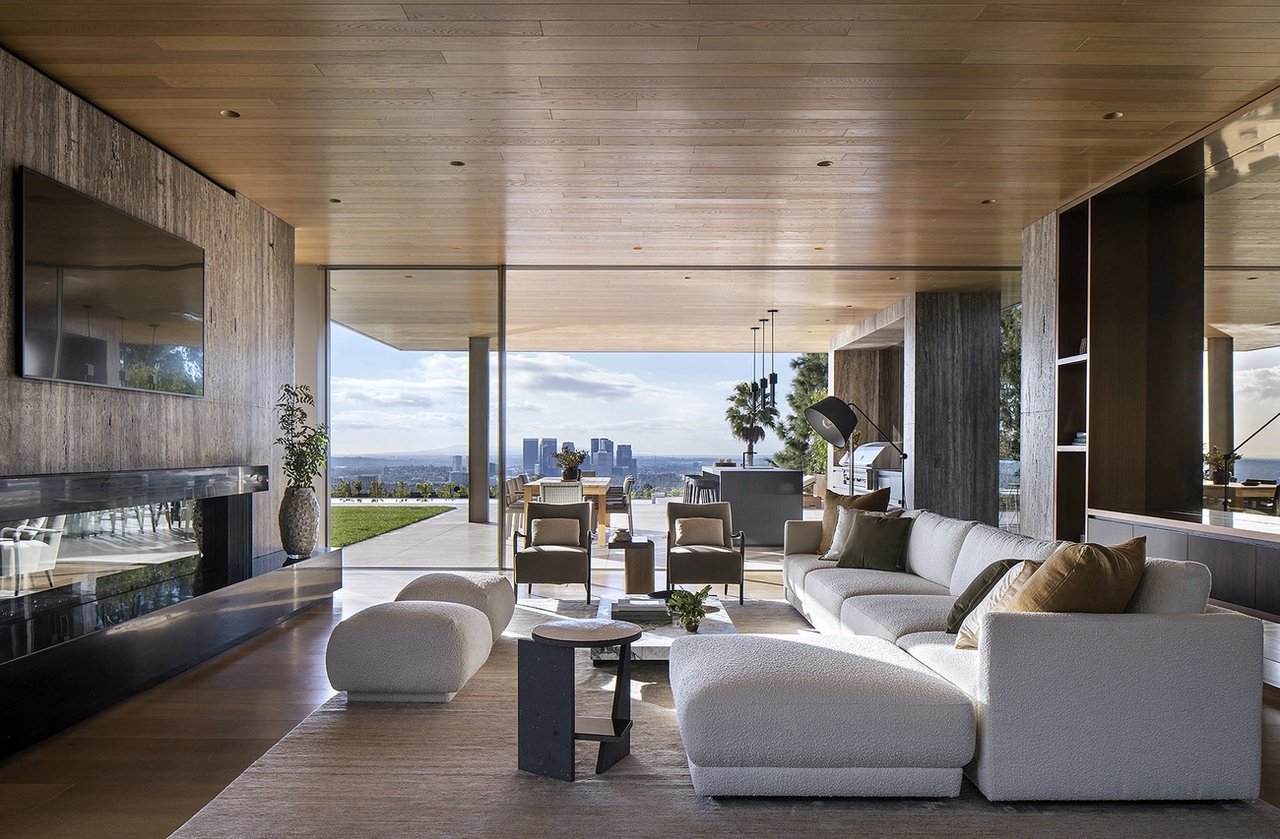
Clear visual paths between rooms make homes feel much larger than they actually are. When you can see from one space into another without obstruction, buyers immediately understand how the home works. Windows and doorways that line up create natural light highways, bringing brightness into interior rooms that would otherwise feel dark. These long views create the illusion of depth, making spaces feel expansive without adding a single square foot.
Door placement and hallway width
Where you place doors determines how people move through your home. Standard residential hallways measure 36-48 inches wide, but 42-48 inches feels comfortable for most people. Main hallways connecting your living areas should be 42-48 inches wide, while secondary hallways can be narrower at 36-42 inches. Doors that swing into walking paths create constant obstacles, so planning their clearance prevents daily frustration.
Ceiling heights and transitions between spaces
Tall ceilings create an immediate sense of luxury and space. Vaulted ceilings add drama and make even modest rooms feel generous. Changing ceiling heights helps define different areas within larger rooms. Open floor plans work best when ceiling heights stay consistent, creating smooth transitions from space to space.
Natural light pathways through the home
Light affects how people feel in a space more than almost any other factor. East-facing windows provide gentle morning light, while west-facing windows capture golden evening rays. Light wall colors, natural wood, and reflective surfaces help distribute daylight into darker corners. Interior windows or glass panels can brighten central areas that depend entirely on artificial lighting.
Strategic placement of living zones
Furniture creates the actual pathways people use every day. Keep at least 3 feet of clearance in high-traffic areas so people can walk comfortably. Different activities need their own defined spaces within larger rooms. Smart furniture placement highlights architectural features while keeping movement natural and unobstructed.
How to assess and improve your home's flow before selling
Walking through your home like a buyer
Start at the front door and walk through every room systematically. Floor plans tell a story, taking potential buyers on a journey from space to space. Notice where movement feels awkward or forced. Does the path from entry to living areas feel natural? Check practical details: how far is the kitchen from the garage for groceries, and do bedrooms have enough distance from entertaining spaces? Your own daily navigation patterns reveal problem areas where furniture blocks pathways or rooms feel disconnected.
Removing barriers to movement
Clear pathways make the biggest difference in how homes feel. Furniture should follow natural traffic patterns, with 24-30 inches of walking space around major pieces. Float furniture away from walls to create breathing room and intentional arrangements. Store excess pieces temporarily, even favorites that crowd the space. Better to have fewer, well-placed items than rooms that feel cluttered.
Creating clear purpose for each room
Each room needs one obvious function. Spare bedrooms that serve as offices, gyms, and storage confuse buyers about the space's potential. Pick the most valuable use, clear everything else out, and stage for that single purpose. Transform awkward areas into something buyers can envision using. A stair landing becomes a cozy reading spot with just a chair and lamp.
When to consult design professionals
Professional insight adds value when preparing your home for market. Experienced designers know how to arrange furniture, lighting, and flow so buyers can picture their own lives in the space. They spot layout problems you might miss and suggest solutions that maximize your home's appeal. The investment often pays for itself in faster sales and higher offers.
Conclusion
Interior flow has replaced square footage as the determining factor in Beverly Hills luxury sales. Buyers now evaluate properties based on how spaces feel and function rather than impressive numbers alone.
Sellers who understand this shift and prepare accordingly hold a clear advantage. Properties with intentional flow and clear room purposes attract stronger offers and sell faster, regardless of size. The homes that succeed in today's market support how people actually live and work.
For sellers ready to position their property strategically, assessing and improving interior flow before listing can make the difference between a quick sale and months on the market.
Key Takeaways
Interior flow has become the decisive factor in Beverly Hills luxury real estate, with buyers prioritizing seamless room transitions over traditional metrics like square footage alone.
• Flow drives value more than size - Well-designed 1,500 sq ft can feel palatial while poorly planned larger homes disappoint buyers • Buyers assess homes biologically - 80% of luxury specialists report wealthy buyers prioritize flowing layouts that reduce cognitive load and anxiety • Modern lifestyles demand flexible zones - Remote work and multigenerational living require privacy without isolation and adaptable spaces • Visual connectivity creates spaciousness - Uninterrupted sightlines, proper door placement, and natural light pathways make homes feel larger • Strategic staging removes barriers - Walk through like a buyer, maintain 24-30 inch walkways, and give each room one clear purpose
Properties with exceptional flow sell faster and command stronger offers because they support how people actually live, making functional luxury the new standard in Beverly Hills real estate.
FAQs
Q1. What exactly is interior flow in a luxury home? Interior flow refers to how naturally and intuitively you can move through a home's spaces. It's the invisible architecture that creates seamless transitions between rooms, incorporates natural light pathways, and reduces mental effort when navigating the property. Good flow means spaces feel intentional and support your lifestyle without creating anxiety or confusion.
Q2. Why do Beverly Hills buyers care more about flow than square footage? Square footage includes hallways, closets, and bathrooms where people don't actually live. A poorly planned 3,000 sq ft home can feel cramped and awkward, while a well-designed 1,500 sq ft property can feel spacious and functional. Buyers have realized that how space is configured matters far more than the total amount of space available.
Q3. How does interior flow actually affect my home's selling price? Homes with exceptional flow sell faster and command stronger offers because they create positive emotional responses immediately. Well-designed interiors make spaces feel larger and more functional, while poor flow increases cognitive load and creates physical discomfort. Nearly 80% of luxury real estate specialists report that wealthy buyers specifically prioritize flowing layouts when making purchase decisions.
Q4. What are the most important design elements that create good flow? Key elements include uninterrupted sightlines between spaces, proper hallway width (42-48 inches for main areas), strategic door placement that doesn't block pathways, consistent or intentionally varied ceiling heights, and natural light pathways throughout the home. Furniture placement that maintains at least 24-30 inches of walking space also contributes significantly to flow.
Q5. How can I improve my home's flow before listing it for sale? Start by walking through your home like a buyer would, noting any obstacles or awkward transitions. Remove excess furniture that blocks natural pathways, pull remaining pieces away from walls to create intentional arrangements, and give each room one clear purpose rather than multiple conflicting functions. Consider consulting a design professional who can optimize layout and flow to help buyers envision living in the space.