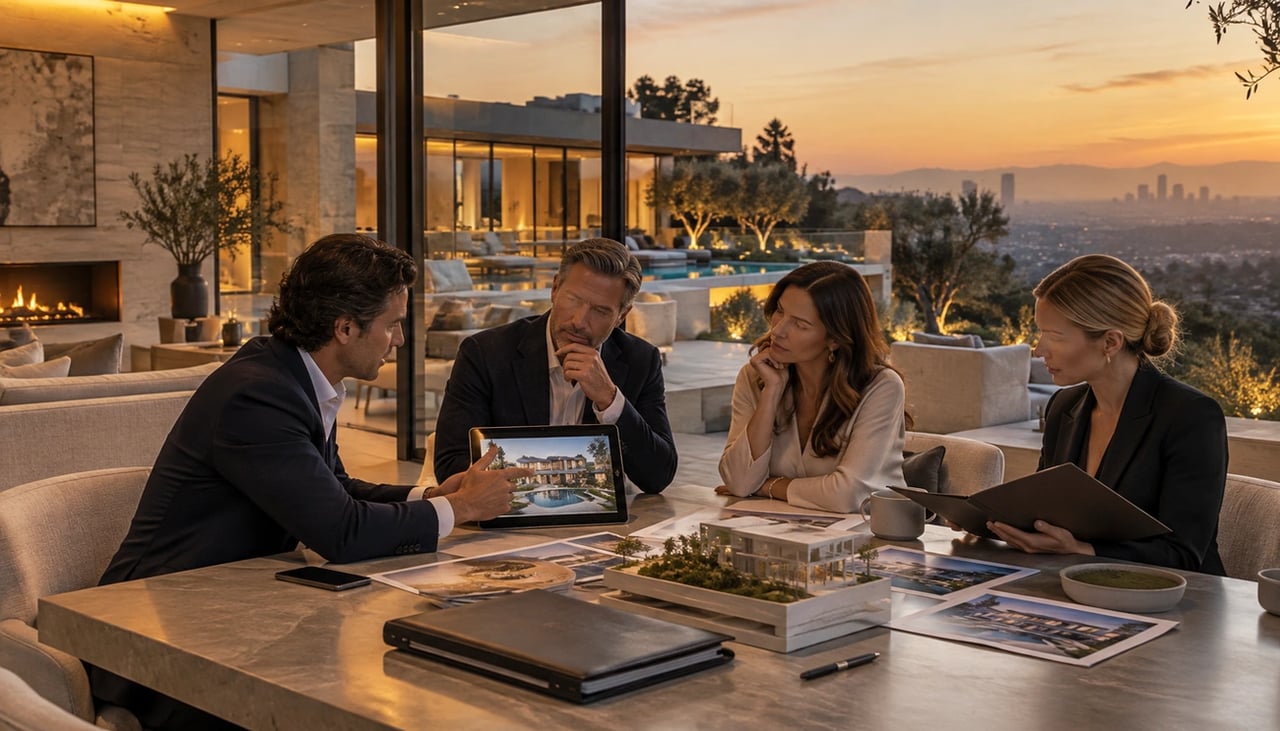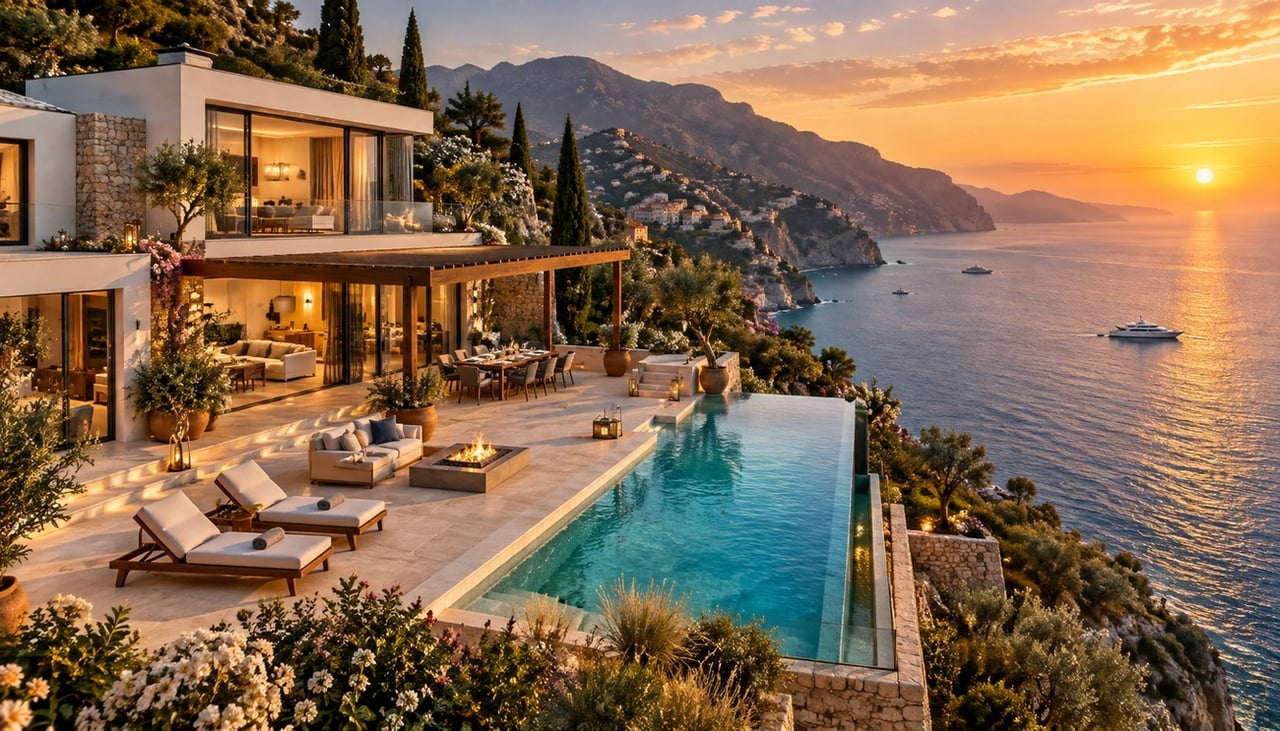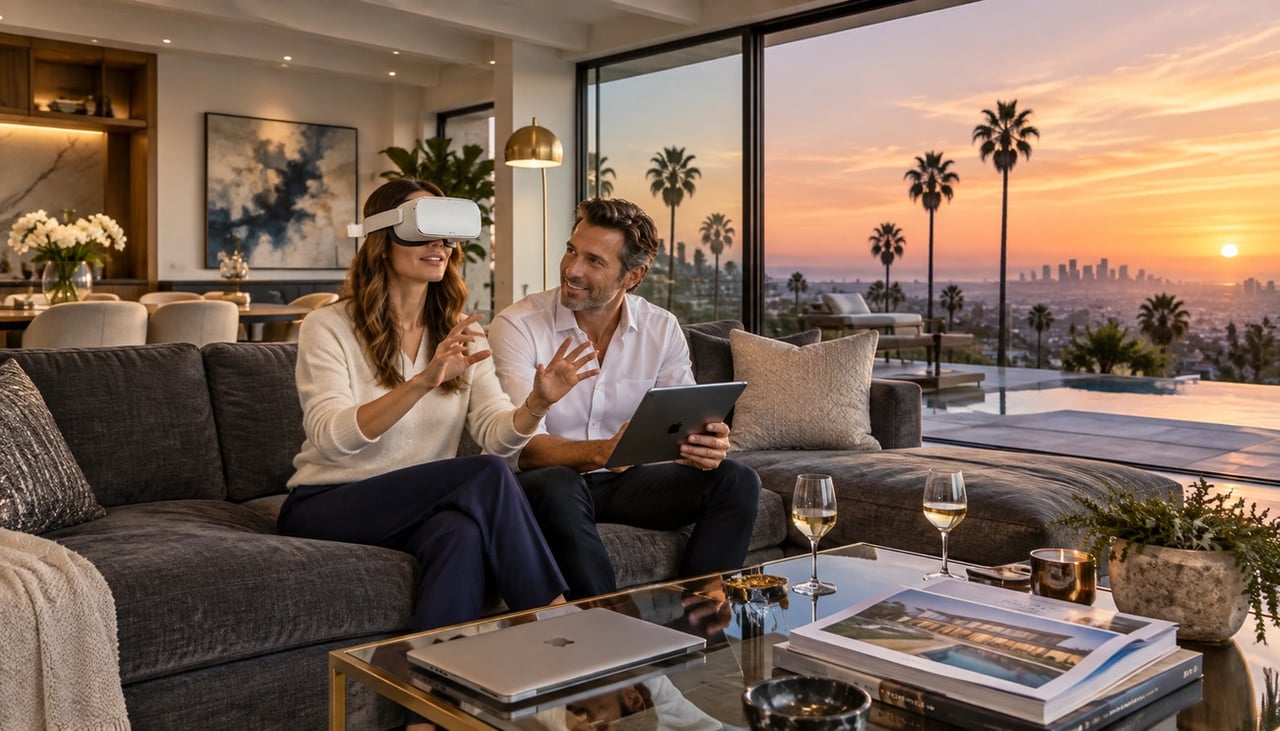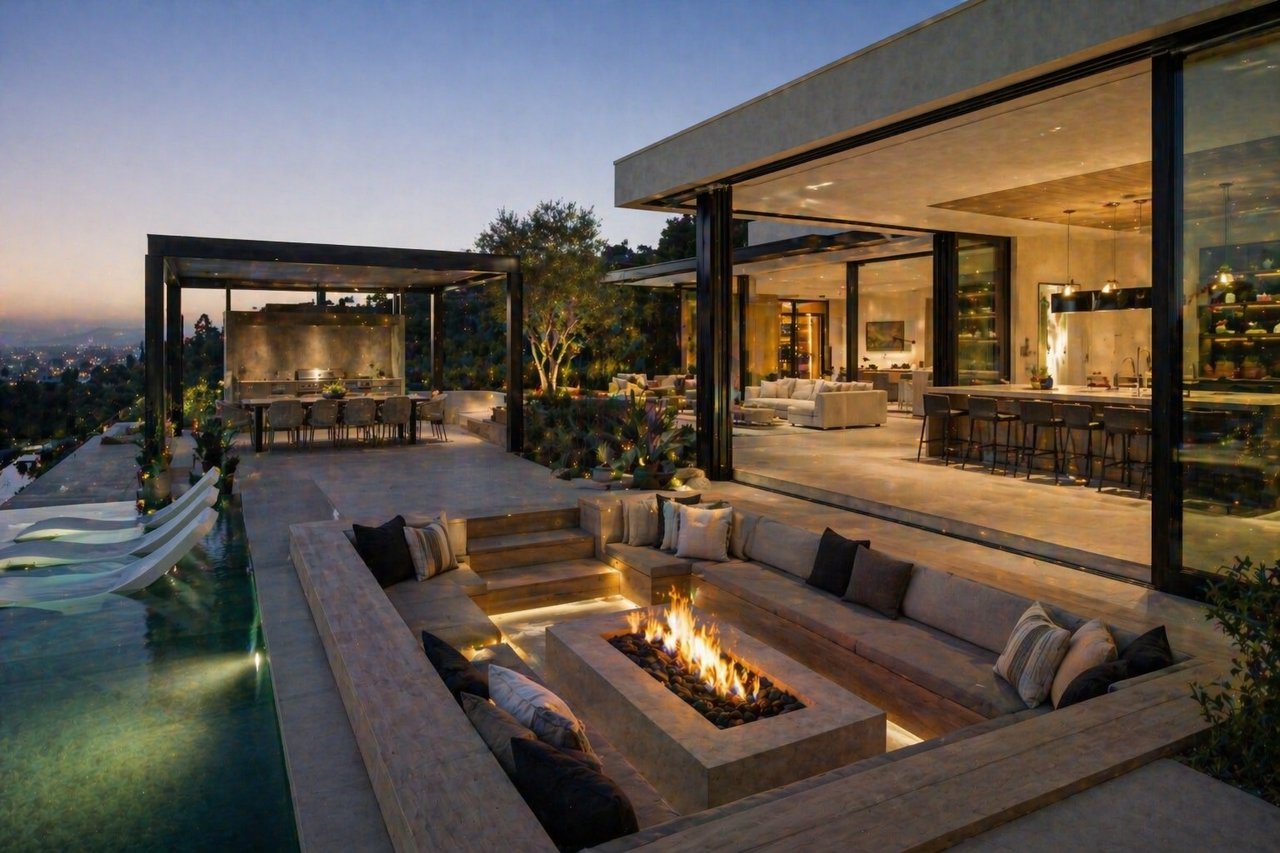
Outdoor entertaining trends are transforming how luxury homeowners in Los Angeles design and employ their properties. Indoor-outdoor living continues to be a signature of LA luxury, where outdoor spaces function as extensions of daily living rather than occasional gathering spots. Homeowners are investing in spa-inspired courtyards, alfresco dining rooms, and open-air wellness studios. They recognize that these areas expand a home's livable square footage. The latest outdoor entertaining ideas blend comfort with new concepts, from chef-quality outdoor kitchens to smart home technology integration. This piece explores the architectural features, design concepts and sustainable technologies that define modern outdoor entertaining spaces in Los Angeles luxury real estate.
Architectural Features Defining Modern Outdoor Spaces
Covered Cabanas and Pavilions
Luxury homeowners select cabanas that offer more than simple shade. Modern structures feature automated louver systems that adjust light exposure through smartphone controls. This allows exact management of sun and shadow throughout the day. These freestanding designs provide placement flexibility anywhere in the yard and serve multiple functions from poolside changing areas to shaded hot tub retreats. Customization extends to color selection, drapes, side panels, integrated lighting and built-in seating. Modular systems enable future expansion. The structures create private sanctuaries that blend landscape integration with ambient lighting and establish distinct zones for relaxation separate from main entertaining areas.
Multi-Level Deck Designs
Tiered deck configurations maximize sloped backyards. They reduce extensive grading needs and create natural transitions between indoor and outdoor spaces. Each level serves specific purposes. Upper tiers accommodate outdoor kitchens with stainless steel appliances and composite counters, while lower levels house lounging zones or fire pit areas. Modern railings favor minimalist cable or glass panels that preserve views and maintain open sightlines. Built-in LED lighting boosts safety on stairways and level transitions. It highlights architectural features for evening functionality. These designs work well with Los Angeles topography, where elevation changes become design assets rather than obstacles.
Fire Features and Heating Elements
Fire features extend outdoor use throughout cooler months and establish natural gathering points for conversation and entertainment. Configurations range from 30-foot fire walls that span curved pool edges to sunken seating areas with integrated fire tables at eye level with surrounding water. Combining fire with water creates optical illusions, such as flames appearing to float on pool surfaces through strategic placement behind acrylic pool sides. Linear fire pits positioned between cushioned seating light up surrounding scenery. These installations require careful thought about seating distance from heating elements and functional placement for genuine usability.
Water Features and Pool Innovations
Modern pool water features function as architectural art rather than simple additions. Bubblers positioned on tanning ledges create playful water columns and mark shallow areas. Laminar jets produce uniform arcs reaching eight feet high. Reverse infinity edges display visible catch basins finished with glass tile or stone and create dramatic walls of water visible from multiple vantage points. Sheer descents deliver thin water sheets from raised walls. Scuppers guide water through metal or stone openings in rectangular, U-shaped, or round configurations. Spillover spas serve dual purposes, with water cascading from raised positions into pools below and connecting both bodies through soothing movement.
Outdoor Entertaining Ideas for Year-Round Use
Flexible Furniture Arrangements
Year-round entertaining requires furniture that adapts as gatherings shift from morning coffee to evening conversations. Clearly defined zones support different activities without constant rearranging. Dining areas handle meals and projects, lounge zones help relaxed conversation, and circulation paths keep movement natural. Modular seating from teak, wicker, or aluminum collections layers near dining spaces and allows the patio to transition between uses naturally. Materials matter throughout the year. Breathable options provide comfort during warm months, while supportive seating keeps guests relaxed during cooler evenings. Layouts that allow slight furniture shifts accommodate changing needs without requiring complete resets between day and night use.
All-Weather Textiles and Materials
Performance fabrics maintain their appearance despite sun exposure and temperature fluctuations. Sunbrella fabrics resist fading, stains, mold, and mildew through UV-stabilized color pigments and built-in stain resistance that withstands years of use. Solution-dyed acrylics like Outdura and Spuncrylic offer fade and water resistance with easy maintenance. Polyester provides durability and quick-drying properties at available price points, while olefin delivers strength and fade resistance for high-traffic areas. These weather-resistant materials enable outdoor furniture to remain ready for use without constant protection routines.
Layered Lighting Design
Lighting transforms outdoor spaces from functional to atmospheric through three distinct layers. Ambient lighting provides base illumination through low-level bollards, soft floodlighting, or diffused wall lights that typically use 2700K-3000K color temperatures for warm, inviting tones. Task lighting ensures safety and usability along pathways, steps, and dining areas through recessed fixtures and shielded fittings. Accent lighting highlights specimen trees, sculptures, or textured walls through uplighting and grazing techniques that create visual hierarchy and depth. This combination creates contrast between light and shadow and makes spaces feel natural and immersive rather than uniformly bright.
Statement Art and Sculptural Elements
Sculptures function as defining focal points that establish identity in luxury outdoor spaces. Stainless steel pieces offer reflective surfaces that interact with sunlight, clouds, and greenery throughout the day and create dynamic visual experiences. Bronze adds warmth and tradition, while marble delivers timeless elegance to courtyards and poolside areas. These installations become signature elements that guests remember and transform open areas into expressions of refinement. Placement near entrances, pools, or within landscaped courtyards brings unity to outdoor design while bridging the gap between architecture and landscape.
Culinary and Hospitality Zones
Chef-Quality Outdoor Kitchens
Professional outdoor kitchens represent one of the fastest-growing segments in luxury real estate. The global market is projected to expand from USD 27 billion in 2025 to USD 60 billion by 2034. North America drives this growth, with demand valued at USD 2.4 billion in 2024 and expected to reach USD 5.5 billion by 2034. Most installations span 100 to 400 square feet and feature premium grills that were factored in at USD 800 million in 2024. High-performance equipment has smokers and pizza ovens, along with outdoor sinks that provide hot and cold water access. Appliances built from 304-grade stainless steel withstand temperature extremes and resist corrosion. Homeowners invest around USD 13,000 on average, though 22% allocate upwards of USD 30,000 for high-end configurations. These spaces deliver 100 to 200% returns at the time properties sell.
Alfresco Dining Areas
Dining zones extend beyond simple table placement. Covered areas with fans maintain comfort during warm afternoons. Strategic positioning captures views and natural breezes. Bar seating near cooking zones keeps hosts involved with guests during meal preparation.
Bar and Lounge Configurations
Integrated bar zones combine prep areas with serving counters and refrigeration. Pass-through windows connect indoor and outdoor spaces, and swivel stools help conversation flow. Built-in beverage centers with wine storage and ice makers eliminate interior trips.
The right home makes all the difference for those who love to entertain. If you're thinking about a purchase in the near future or beginning your search, I'd be delighted to help you find spaces designed for elevated living and effortless hosting. Christina Pope  310-404-9931
  [email protected]
Technology and Sustainability Integration
Smart Home Systems for Outdoor Spaces
Automated climate controls keep outdoor spaces comfortable year-round and adjust heating and cooling based on weather patterns and personal priorities. Smart thermostats regulate temperature while automated shading systems respond to sunlight intensity. Weather sensors measure sun exposure, wind speed and rain, and they trigger pre-programmed behaviors without user input. Retractable awnings close when wind speeds exceed safe thresholds. This protects investments and extends infrastructure life. Smart irrigation systems optimize water usage by adjusting based on immediate weather conditions. The system waters efficiently without resource waste. LED lighting systems controlled remotely via smartphone or voice commands allow tailored schemes that change with mood or time of day. Solar-powered lighting reduces grid dependency while enhancing esthetic value.
Eco-Friendly Materials and Design
Composite and recycled plastics made from post-consumer materials resist rot, moisture and insect damage while diverting waste from landfills. Permeable paving allows water infiltration to recharge aquifers instead of overwhelming stormwater systems. Sustainable concrete incorporates supplementary cementing materials like fly ash and reduces carbon footprint. Reclaimed wood eliminates deforestation while delivering authentic character. Bamboo regenerates within ten years of harvest and offers hardwood-comparable strength with rapid renewability.
Solar-Powered Features
Luxury solar systems combine eco-friendly living with modern amenities through reliable energy generation and storage. Off-grid homes use high-output solar arrays and matched energy storage to satisfy all residential power requirements without grid connections. Ground-mounted systems deliver ample power even with challenging demands. They are configured for structural integrity. This is a big deal as it means that site parameters. Installations like 15-kW solar arrays power homes while feeding surplus energy to grids to credit.
Native Plant Selection and Water Conservation
Native plants thrive on local rainfall patterns and need minimal supplemental irrigation once they are several years old. Deep and extensive root systems anchor soil and prevent erosion while accessing underground water reserves. These species stabilize soil, enhance water retention and improve water quality by trapping sediments and absorbing excess nutrients. Drought-tolerant selections adapted to specific site conditions reduce maintenance demands while supporting local ecosystems.
Conclusion
Outdoor entertaining spaces matter just as much as interior design in Los Angeles luxury real estate. These investments change daily living experiences and deliver meaningful returns. Properties with thoughtfully designed outdoor zones command premium positioning as lifestyle priorities evolve. The right home makes all the difference if you love to entertain. Spaces designed for refined living create lasting value. Contact Christina Pope at 310-404-9931 or [email protected] to find properties built for effortless hosting.
Key Takeaways
Outdoor entertaining spaces are no longer optional amenities but essential features driving luxury real estate values in Los Angeles, with these investments delivering 100-200% returns when properties sell.
• Architectural innovation leads value creation: Multi-level decks, automated cabanas, and integrated fire-water features transform outdoor spaces into year-round living extensions that maximize property square footage.
• Smart technology enables effortless hosting: Automated climate controls, weather-responsive systems, and app-controlled lighting create seamless indoor-outdoor experiences without constant manual adjustments.
• Chef-quality outdoor kitchens drive market demand: The outdoor kitchen market is projected to grow from $27 billion to $60 billion by 2034, with premium installations spanning 100-400 square feet.
• Sustainability integration attracts premium buyers: Solar-powered features, native plant landscaping, and eco-friendly materials reduce operational costs while appealing to environmentally conscious luxury purchasers.
• Flexible design ensures year-round functionality: All-weather textiles, layered lighting systems, and modular furniture arrangements allow spaces to adapt from morning coffee to evening entertainment seamlessly.
These trends reflect a fundamental shift where outdoor spaces function as primary living areas rather than seasonal additions, making thoughtfully designed exterior zones essential for competitive positioning in Los Angeles luxury real estate.
FAQs
Q1. What return on investment can homeowners expect from outdoor kitchen installations? Outdoor kitchens typically deliver 100 to 200% returns when properties sell. Most homeowners invest around $13,000, though 22% allocate upwards of $30,000 for high-end configurations featuring premium grills, smokers, pizza ovens, and appliances constructed from 304-grade stainless steel.
Q2. How do smart home systems enhance outdoor living spaces? Smart home systems automate climate controls, lighting, and shading based on weather patterns and personal preferences. Weather sensors measure sun exposure, wind speed, and rain to trigger pre-programmed responses, while smart irrigation systems optimize water usage by adjusting to real-time conditions. LED lighting can be controlled remotely via smartphone or voice commands for personalized ambiance.
Q3. What makes native plants ideal for luxury outdoor spaces in Los Angeles? Native plants thrive on local rainfall patterns and require minimal supplemental irrigation once established. Their deep root systems prevent erosion, access underground water reserves, and improve water quality by trapping sediments and absorbing excess nutrients. These drought-tolerant selections reduce maintenance demands while supporting local ecosystems.
Q4. What architectural features extend outdoor space usability year-round? Modern cabanas with automated louver systems, multi-level deck designs, fire features combined with heating elements, and covered pavilions enable year-round use. All-weather textiles like Sunbrella fabrics resist fading, stains, and mildew, while layered lighting design creates ambient, task, and accent illumination for evening functionality.
Q5. How large are typical outdoor kitchen installations in luxury homes? Most outdoor kitchen installations span 100 to 400 square feet and include high-performance equipment such as premium grills, smokers, pizza ovens, and outdoor sinks with hot and cold water access. The global outdoor kitchen market is projected to expand from $27 billion in 2025 to $60 billion by 2034, reflecting growing demand for these chef-quality spaces.