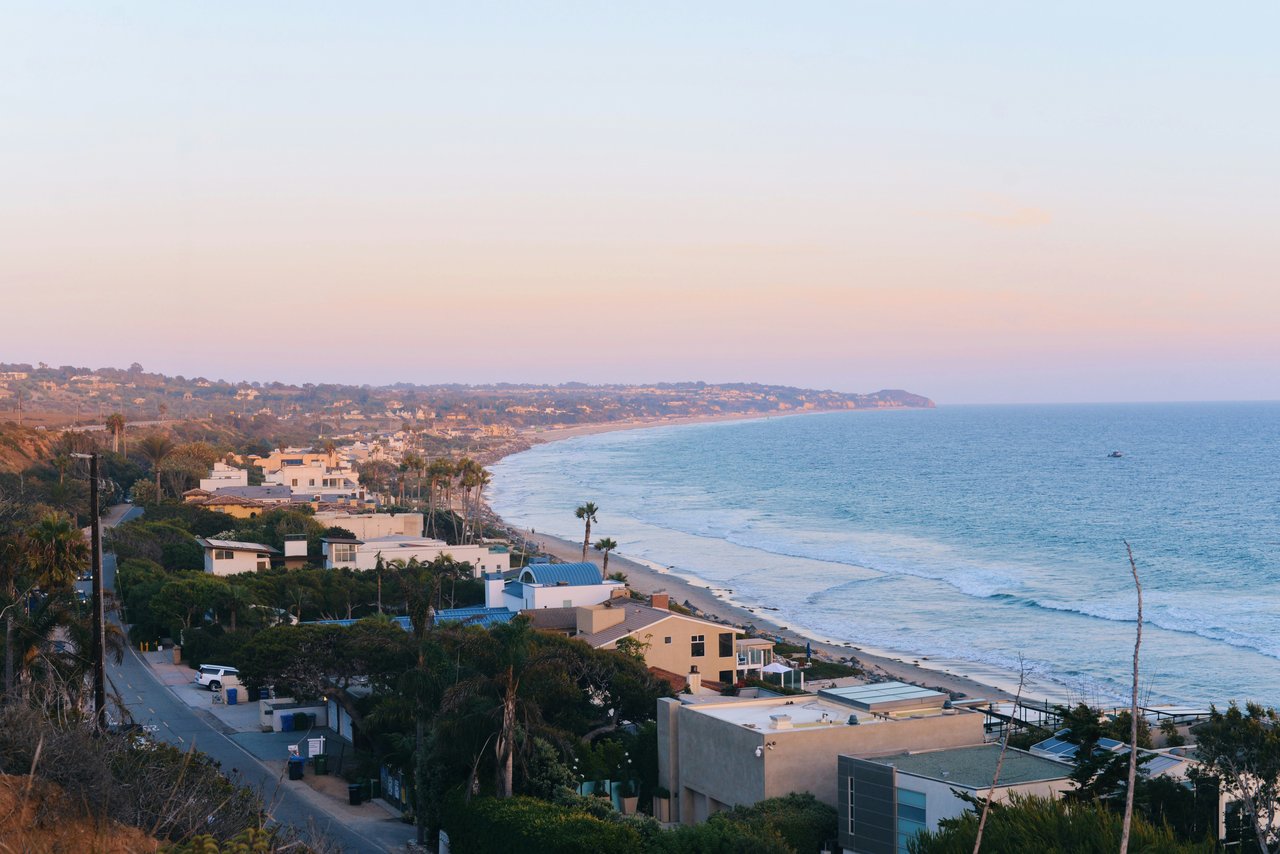
Malibu oceanfront homes tell an amazing story through their price history. A median home's price jumped from $46,000 in 1970 to roughly $4.9 million today. The surge represents a massive 10,600% increase across five decades, leaving general inflation far behind.
The price tag might scare away potential buyers, but the value story runs deeper. Natural barriers limit Malibu's prime real estate to just 21 miles of beachfront. This lack of space helps maintain long-term value. The market's resilience shows in how quickly it bounced back from the 2008 Financial Crisis, outpacing most U.S. housing markets. Prime locations still attract multiple offers because buyers can't find many alternatives.
The true cost of a Malibu house becomes clear when we look at inflation. A $1 purchase from 1970 would cost $6.88 today - a 588% rise. Malibu's oceanfront properties have grown at eighteen times that rate. This gap between inflation and actual market prices creates a complex situation for anyone looking at oceanfront Malibu homes today.
The Illusion of Price: Why Malibu Seems More Expensive Than It Is
The sky-high prices of Malibu oceanfront homes can shock potential buyers at first glance. A deeper look reveals a complex economic story that smart investors already know.
How nominal prices have changed since 1970
The raw numbers tell an amazing story about Malibu's real estate experience. The median home price in Malibu started at $46,000 in 1970. Values shot up to $192,000 by 1980 four times higher in just a decade. This growth didn't stop there. Prices climbed to $671,000 by 1990, reached $1,250,000 by 2000, and hit approximately $2,400,000 by 2010. Today's median list price stands at an eye-popping $5,647,500.
The role of inflation in real estate pricing
These numbers make more sense when you look at historical inflation. To name just one example, see how a $1.00 item from 1970 now costs $6.88 a 588% jump over five decades. The 1970s saw severe inflation, especially when you have $100 in 1970 dropping to $70.20 in just five years. By 1980, that same $100 from 1975 lost 38% of its buying power.
You'd now need $691 to buy what $100 could get you in 1970. So a $5 million Malibu home in 2026 equals what $650,000 could buy in 1970 dollars. That's still a big increase, but it makes more sense when placed in context.
Why sticker shock doesn't tell the full story
The real story of value growth becomes clearer after inflation adjustments. The nominal price appreciation looked massive at 312% during the 1970s, but the actual increase was 80% after inflation. Recent decades paint a different picture prices seemed to rise by 180% in the last decade, but the inflation-adjusted growth showed a strong 151%.
This creates an interesting twist: Malibu's nominal price growth has slowed over the decades, while the real inflation-adjusted value growth has gotten better. Oceanfront Malibu real estate has proven itself as an effective hedge against inflation for investors and homeowners.
A simple question about Malibu house prices just needs more than a number you should learn about what that price means in terms of historical value.
What the Numbers Really Say: Inflation-Adjusted Home Values

Image Source: Voronoi
Elite investors know a complex economic story lies behind every Malibu oceanfront home price tag. Raw numbers tell one story. The inflation-adjusted values paint a completely different picture.
Malibu home prices vs national inflation trends
Malibu's growth shows an exceptional position compared to broader economic indicators. The median Malibu home price escalated from $46,000 to approximately $4.9 million between 1970 and 2020. This growth rate consistently beats national inflation metrics. The U.S. Bureau of Labor Statistics data shows overall inflation pushed prices up by 735.37% between 1970 and 2026. Malibu home values grew by almost 10,600% during that same time.
Housing costs nationwide have risen 861.46% since 1970. This remains well below Malibu's oceanfront appreciation rate. Malibu was quick to bounce back after the 2008-2009 crisis compared to surrounding areas. The market showed remarkable resilience even during economic downturns that devastated other regions.
Real appreciation vs perceived appreciation
The difference between nominal and real appreciation reveals much about Malibu's value proposition. Prices seemed to jump by 312% through the 1970s. The real growth landed at approximately 80% after adjusting for that decade's high inflation.
Malibu's real gains grew substantially as inflation moderated in later decades. The market saw inflation-adjusted appreciation of 114% in the 1980s. Each of the next three decades delivered about 140-150% real growth. This performance stands out given each decade's economic challenges.
How $5M today compares to 1970 dollars
A $5 million Malibu property in 2026 equals what $650,000 could buy in 1970 dollars. One dollar today buys what 17 cents could in 1970. This helps put things in perspective.
The numbers tell an interesting story. $5 million from 1970 would equal approximately $41.7 million in 2026 purchasing power. A 1970 investment of $1 million would be worth $8.35 million today. These figures help frame current oceanfront prices clearly.
Malibu continues to prove its worth as both a residence and investment vehicle to investors who see value beyond simple numbers.
Why Malibu Oceanfront Real Estate Still Outperforms
Malibu oceanfront homes offer something that traditional investments can't match: you simply can't create more of them. Smart luxury buyers who know how to time the market see Malibu as the ultimate strategic buy.
Lack of oceanfront Malibu homes for sale
The coveted Malibu coastline stretches only 21 miles, which naturally limits the available beachfront inventory. Strict coastal regulations make new development tough and help protect property values. A real estate expert put it perfectly: "They're not making any more beachfront properties". This basic truth explains why the median sale price rose 13.3% year-over-year to $4.30M.
Long-term resilience through economic cycles
Malibu shows amazing staying power during economic downturns. While most U.S. housing markets crashed in the 2008 financial crisis, Malibu's luxury properties bounced back much faster. The area saw even higher demand during the 2020 pandemic as wealthy families looked for private coastal retreats.
How Malibu compares to other luxury markets
Malibu stands alone among California's premium coastal communities. Newport Beach has more inventory and Santa Barbara grows slower, but Malibu properties perform better consistently. La Jolla makes a solid investment but falls nowhere near Malibu's quick appreciation. On top of that, Malibu's location near Los Angeles creates great value for commuters.
The right home transforms your entertainment style. Ready to start your search or thinking about buying soon? I would love to help you find spaces perfect for upscale living and easy hosting. Christina Pope  310-404-9931
  [email protected]
Strategic Buying: What Smart Investors Understand
Savvy investors know Malibu oceanfront real estate plays by its own rules. The most valuable deals rarely hit the headlines. They happen through trusted networks where timing and discretion matter more than visibility.
Using real estate as a hedge against inflation
Strategic buyers see Malibu properties as exceptional shields against inflation. Real estate investments have shown average annual appreciation of 3.4%, which beats other asset classes with returns averaging 9.5% during high-inflation periods. Malibu's track record looks even better—these oceanfront properties grow faster than inflation rates as purchasing power drops. Note that hard assets like Malibu real estate hold their value when the dollar weakens.
The power of holding vs flipping
Malibu rewards long-term investors more than short-term flippers. Market swings don't matter much to those who can hold properties for 10-15 years. Patient owners watch their investments grow while they enjoy the lifestyle benefits. Families who bought decades ago have seen their properties multiply in value, and these homes now serve as gathering spots for generations.
How to assess true value in 2026
The year 2026 looks promising for strategic buyers. Inventory sits at its highest since 2020, financing spreads are getting smaller, and market data favors buyers. The cost of waiting now exceeds the cost of entry. Property location, market conditions, and rental income potential shape the long-term value of oceanfront Malibu homes for sale.
Why off-market deals matter more than ever
Off-market transactions properties shared between agents without MLS listing bring unique advantages. Sellers value their privacy and prefer keeping their intentions quiet. Buyers face less competition, while sellers can test different price points without accumulating days on market. Buyers who work with well-connected agents get first access to exclusive opportunities.
The right home makes hosting effortless and entertaining a joy. Let me help you find spaces built for elevated living. Christina Pope 310-404-9931 [email protected]
Conclusion
Malibu's oceanfront real estate shows evidence of exceptional long-term value creation. Properties that cost $46,000 in 1970 now sell for nearly $5 million. This growth far exceeds national inflation trends. The price tag might shock you at first, but experienced investors see beyond these basic numbers.
Without doubt, Malibu homes show remarkable strength after adjusting for inflation. The 1970s saw nominal growth of 312% with real appreciation of only 80%. Recent decades tell a different story with real growth around 140-150%, despite economic hurdles. These properties have proven themselves as effective inflation hedges.
The limited supply of Malibu's 21-mile coastline guarantees lasting value. You can't manufacture or copy oceanfront property. Malibu bounces back faster than similar markets through recessions, financial crises, and market swings.
Smart buyers take a patient approach to Malibu. Long-term ownership beats short-term speculation, and off-market deals often create better opportunities for people with trusted connections. The 2026 market conditions offer great entry points for sharp investors, with more inventory and better financing options.
Malibu's oceanfront homes offer more than just financial returns - they provide an amazing lifestyle while protecting wealth. The high prices might raise eyebrows, but knowing how to outpace inflation while enjoying unique coastal living explains the steady demand. These properties represent both a smart long-term investment and an extraordinary way of life.
Key Takeaways
Understanding Malibu's true market value requires looking beyond sticker shock to see the inflation-adjusted reality and strategic opportunities that smart investors recognize.
• Inflation reveals the real story: A $5M Malibu home today equals $650K in 1970 dollars—dramatic but not as shocking when properly contextualized.
• Scarcity drives lasting value: Only 21 miles of Malibu coastline exist with strict development restrictions, creating permanent supply limitations that sustain appreciation.
• Long-term holding beats flipping: Patient investors who hold Malibu properties 10-15 years consistently outperform short-term speculators while enjoying lifestyle benefits.
• 2026 presents strategic timing: Current market conditions offer highest inventory since 2020 with favorable financing, making the cost of waiting exceed entry costs.
• Off-market deals provide advantages: Exclusive transactions through trusted networks offer reduced competition for buyers and privacy for sellers in this elite market.
For discerning investors, Malibu oceanfront real estate functions as both an exceptional inflation hedge and lifestyle investment, with properties consistently recovering faster from economic downturns than comparable luxury markets nationwide.
FAQs
Q1. How have Malibu oceanfront home prices changed since 1970? Malibu oceanfront home prices have increased dramatically since 1970. A median home that cost $46,000 in 1970 now commands approximately $4.9 million, representing an increase of nearly 10,600% over five decades.
Q2. Is Malibu real estate a good hedge against inflation? Yes, Malibu real estate has proven to be an excellent hedge against inflation. While general inflation has increased prices by about 735% since 1970, Malibu home values have grown by almost 10,600% during a similar timeframe, significantly outpacing inflation.
Q3. Why do Malibu oceanfront properties maintain their value so well? Malibu oceanfront properties maintain their value due to absolute scarcity. With only 21 miles of coveted coastline and strict coastal regulations limiting development, the supply of beachfront homes remains permanently limited, sustaining long-term value.
Q4. How does Malibu real estate compare to other luxury markets? Malibu consistently outperforms other luxury markets. Unlike areas with higher inventory or slower appreciation, Malibu properties show rapid appreciation and resilience during economic downturns, recovering faster than surrounding areas after crises.
Q5. What strategies do smart investors use when buying Malibu oceanfront homes? Smart investors in Malibu oceanfront homes often focus on long-term holding rather than flipping, use properties as inflation hedges, evaluate true value based on location and market conditions, and leverage off-market deals for better opportunities with less competition.