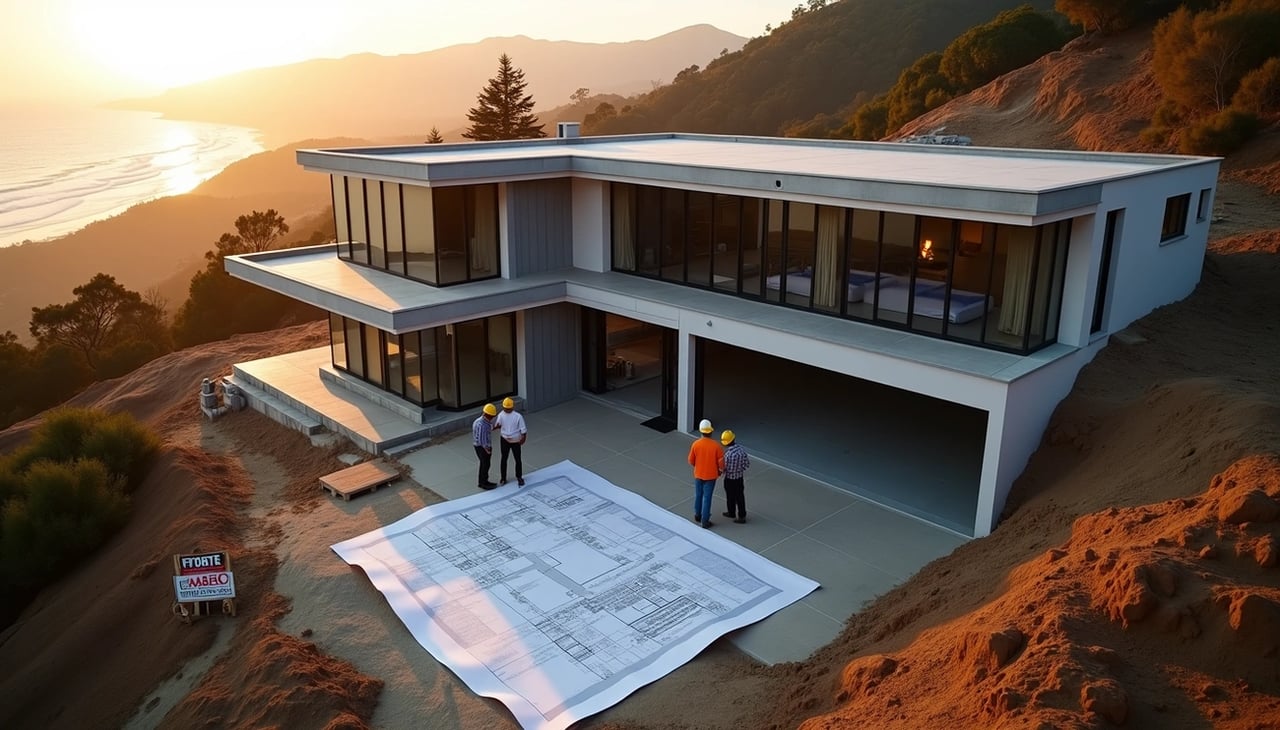
Property buyers in Pacific Palisades rebuild areas face substantial hidden challenges that extend far beyond the listing price. More than 480 rebuilding projects currently stand under construction out of approximately 5,600 total projects. The city's decision to forfeit building fees will cost as much as $90 million over three years, signaling the extraordinary market conditions at play.
Prospective buyers discover numerous unexpected expenses when pursuing property purchase agreements in fire-affected zones. Wildfire rebuilding in Pacific Palisades demands careful attention to fire-resistant materials and strict building code compliance. Property tax based on purchase price represents only one financial factor among many that buyers must consider.
Valerie Chan, among thousands who lost homes in the Palisades Fire, invested in steel framing, sprinkler systems, and fire-safe windows during her rebuild. These essential safety features mark just the beginning of costs that never appear on listing sheets. This guide examines the complex financial landscape that defines property purchases in Pacific Palisades rebuild zones throughout 2026.
Understanding the Rebuild Zone Market

Image Source: Los Angeles Times
The Pacific Palisades rebuild market follows its own distinct patterns, where relationships prove essential and standard valuations tell only part of the story. Buyers entering this market must grasp three critical dynamics that define both opportunities and potential pitfalls.
Why Pacific Palisades rebuild areas are different
Pacific Palisades distinguishes itself from other fire-affected communities through affluence and recovery speed. The average household income of nearly $400,000 more than double that of neighboring Altadena provides residents with recovery options unavailable elsewhere. Many Palisades homeowners have already secured second homes while determining their rebuilding plans. This financial capacity creates a market where desperation rarely drives decisions.
The permit approval timeline also sets Pacific Palisades apart. Thomas James Homes secured approvals in less than 60 days—far quicker than standard Los Angeles processing. This efficiency generates a more active property purchase environment compared to other rebuild zones.
Off-market deals and private listings
The most desirable opportunities in Pacific Palisades rarely appear on public platforms. While 164 lots received official listings by April 2025, with 27 sales recorded since January 7, these numbers miss considerable market activity. Investors purchased approximately 40% of lots sold in Pacific Palisades during Q3 2025, frequently through private networks.
These off-market transactions often feature specialized builders like Thomas James Homes, which holds 14 rebuild permits and provides guaranteed completion under 12 months. Private arrangements typically offer complete solutions covering permitting through construction.
How fire history affects property value
Fire history has fundamentally altered Pacific Palisades property valuations. Lot prices dropped 40% between February and June 2025, presenting both challenges and opportunities for buyers. Vacant lots now average approximately $1.6 million—significantly below pre-fire values that included existing structures.
Real estate losses in Pacific Palisades alone reach $22 billion. Insurance premiums have risen 35-50% since the fires, adding ongoing expense to any property purchase agreement. Historical patterns from previous California wildfires suggest complete rebuilding will require 5-7 years, positioning today's purchases within an extended market evolution.
Permit and Compliance Costs You Didn't Expect
Land acquisition in Pacific Palisades rebuild areas represents only the beginning of your financial commitment. Permit and compliance expenses create a complex web of costs that often catch buyers off guard, appearing only after contracts are signed and expectations are set.
Coastal Commission and zoning delays
California Coastal Commission reviews add significant complexity to every Pacific Palisades property purchase. Applications face a 3-6 month review period before approval, with roughly 30% requiring revisions or additional documentation. Property carrying costs during this period average $15,000-$25,000 monthly while lots remain undeveloped.
Zoning variances present another expense layer. Rebuild zones often require these hearings since previous structures may not meet current codes. Application fees alone typically run $8,500-$12,000, excluding the professional representation most buyers need to succeed in these proceedings.
Soil reports and geological surveys
Geological testing requirements frequently surprise first-time Pacific Palisades buyers. Post-fire soil stability assessments cost $7,500-$15,000 depending on lot size and terrain. These reports often reveal remediation needs that must be addressed before permit issuance.
Slope stability analysis adds $5,000-$8,000 to pre-construction expenses. Many Palisades properties require these mandatory assessments, making them essential components of any purchase agreement in high-risk hillside locations.
Fire safety retrofitting requirements
California's revised Fire Code mandates specific materials and design elements for all rebuild properties. Required upgrades include:
-
Class A fire-resistant roofing ($15,000-$30,000 over standard materials)
-
Ember-resistant venting systems ($3,500-$7,000)
-
Enhanced sprinkler systems beyond standard code ($20,000-$45,000)
-
Defensible space landscaping compliance ($10,000-$20,000)
These requirements increase construction costs roughly 22% compared to pre-fire building specifications.
Architectural review board fees
Pacific Palisades Architectural Review Board oversight covers every rebuild project, whether buyers arrive with existing plans or start fresh. Initial review applications cost $6,500, with revisions billed at $2,500 per submission. Most projects require 2-3 revisions before approval.
Design guidelines have grown stricter since the fires, with board members balancing aesthetic continuity against fire resistance priorities. Expedited reviews are available for $10,000 additional, though this fee only provides priority queue placement—not approval guarantees.
Financial Traps in the Purchase Process
The physical recovery efforts in Pacific Palisades mask a complex financial landscape that affects every property transaction. Buyers who understand these hidden monetary pitfalls can protect themselves through careful planning and expert guidance.
Escrow complications in fire-affected zones
Fire-affected properties bring title complications that include unrecorded easements, boundary disputes, and infrastructure damage. Title companies have recognized these challenges, with several now offering discounted services specifically for Palisades Fire lots. Post-fire claims create ownership transition delays, particularly when insurance settlements remain unresolved.
Insurance gaps and rebuild coverage issues
High-risk area property purchases face their greatest challenge through insurance requirements. California FAIR Plan policies—the state's insurer of last resort more than doubled between 2020 and 2024. These policies cover fires but exclude water damage and liability protection. Buyers must obtain expensive "wrap-around" policies to achieve complete coverage, creating substantial ongoing ownership costs.
Loan challenges for high-risk zones
Lending patterns have shifted dramatically in fire-prone areas. Traditional banks approve fewer home loans in these zones while online lenders maintain their presence. Traditional banks hold mortgages longer, creating different risk exposure than online lenders who quickly sell mortgages and transfer risk. Fire-zone properties often face stricter lending requirements and higher interest rates as a result.
TDS and tax implications on property purchase
Post-fire purchases involve distinct tax considerations that buyers must understand. Senate Bill 663 extends property tax relief, allowing up to eight years to rebuild while maintaining pre-fire tax bases an increase from the previous five-year limit. Filing deadlines for misfortune and calamity claims now extend from 12 to 24 months. Properties that avoided direct fire damage may still qualify for reassessment due to smoke contamination, access restrictions, or market value impacts.
Professional and Legal Fees That Add Up
Quality professional guidance separates successful rebuilds from costly mistakes in Pacific Palisades. These specialized relationships often determine whether a project proceeds smoothly or becomes mired in delays and complications.
Hiring a rebuild-savvy architect or GC
An architect serves as the backbone of any rebuild project, balancing esthetics, function, and structural integrity. Buyers who select professionals based solely on price often discover this approach costs far more in the long run. Specialists with experience in Los Angeles coastal communities and fire-resistant construction standards typically command 15-20% higher fees than their counterparts working in standard construction, yet their expertise proves invaluable.
Expediters and permit consultants
Los Angeles permitting remains "notoriously difficult", making professional expediters essential team members. The executive order signed to streamline rebuilding cannot address the sheer volume of applications currently overwhelming the system. Without expert guidance, homeowners may wait "years for approval of their architectural plans", creating carrying costs that dwarf expediter fees.
Legal review of property purchase agreements
Attorneys specializing in post-disaster property transactions examine far more than standard contract elements. Their review includes insurance settlement transfers, liability clauses, and rebuilding rights—critical details that general practice attorneys often miss. Insurance companies and homeowners maintain "opposite interests," with insurers aiming "to pay out as least as possible", making specialized legal counsel essential.
Post-sale compliance inspections
Post-purchase inspections reveal compliance issues and previously undiscovered problems that standard inspections miss. Important "soft costs" associated with rebuilding must cover engineering, architectural planning, and permitting fees—expenses that buyers frequently underestimate when calculating total project costs.
Conclusion
Property purchases in Pacific Palisades rebuild zones require far more than the listed price suggests. Hidden expenses from Coastal Commission reviews that extend timelines for months to specialized soil reports costing upwards of $15,000 turn apparent opportunities into complex financial commitments. Architectural review fees, fire safety retrofitting requirements, and insurance complications add layers of cost that prospective buyers rarely anticipate.
Knowledgeable investors continue to find substantial opportunities within this unique market despite these challenges. The accelerated approval process, potential tax benefits through Senate Bill 663, and long-term value proposition of this prestigious location remain attractive despite the obstacles. Success in this landscape requires assembling the right team of specialists—architects experienced with fire-resistant construction, permit expediters familiar with coastal regulations, and attorneys versed in post-disaster transactions.
The Pacific Palisades rebuild market follows its own distinct rules, where traditional metrics tell only part of the story and relationships often matter more than capital. For those who love to entertain, the right home makes all the difference. If you're considering a purchase in the near future or beginning your search, I'd be delighted to help you discover spaces designed for elevated living and effortless hosting. Christina Pope  310-404-9931
  [email protected]
The rebuilding journey requires patience, as the complete process likely extends 5-7 years based on historical patterns from previous California wildfires. Buyers who approach this market with thorough research, realistic financial planning, and expert guidance can transform these challenges into opportunities—creating homes that meet both current safety standards and future lifestyle needs while establishing themselves in one of Los Angeles' most sought-after communities.
Key Takeaways
Buying property in Pacific Palisades rebuild areas involves substantial hidden costs that can dramatically exceed initial purchase expectations, requiring careful financial planning and expert guidance.
• Permit costs add $50,000-$100,000+: Coastal Commission reviews, soil reports ($7,500-$15,000), fire safety retrofitting (22% construction increase), and architectural board fees create significant unexpected expenses.
• Insurance premiums increased 35-50% post-fire, with many buyers forced into expensive FAIR Plan policies plus costly "wrap-around" coverage for comprehensive protection.
• Off-market deals dominate the best opportunities: 40% of lots sold to investors through private channels, with specialized builders offering turnkey solutions bypassing traditional listings.
• Professional team costs are non-negotiable: Rebuild-savvy architects command 15-20% higher fees, while permit expediters and specialized attorneys become essential for navigating complex regulations.
• Timeline expectations require adjustment: Complete rebuilding spans 5-7 years historically, with 3-6 month Coastal Commission reviews and multiple architectural revisions standard.
The Pacific Palisades rebuild market rewards prepared buyers who understand that success depends more on assembling the right professional team and realistic budgeting than simply securing the lowest purchase price.
FAQs
Q1. What are the main hidden costs when purchasing property in Pacific Palisades rebuild areas? The main hidden costs include permit and compliance expenses, such as Coastal Commission reviews, soil reports, fire safety retrofitting, architectural review board fees, and increased insurance premiums. These can add up to $50,000-$100,000 or more on top of the purchase price.
Q2. How has the fire history affected property values in Pacific Palisades? Fire history has significantly impacted property values in Pacific Palisades. Lot prices experienced a steep 40% decline between February and June 2025, with vacant lots now selling for approximately $1.6 million, which is a fraction of pre-fire property values that included structures.
Q3. What are the insurance challenges for properties in Pacific Palisades rebuild zones? Insurance has become a major challenge, with premiums increasing by 35-50% since the fires. Many buyers are forced into California FAIR Plan policies, which only cover fires, necessitating additional expensive "wrap-around" policies for comprehensive protection.
Q4. How long does the rebuilding process typically take in Pacific Palisades? Based on historical patterns from previous California wildfires, the complete rebuilding process in Pacific Palisades is expected to span 5-7 years. This timeline includes navigating permits, architectural reviews, and actual construction.
Q5. Why is it important to hire specialized professionals when purchasing in rebuild areas? Specialized professionals are crucial because they understand the unique challenges of rebuild zones. Rebuild-savvy architects, permit expediters, and attorneys experienced in post-disaster transactions can navigate complex regulations, potentially saving time and money in the long run.