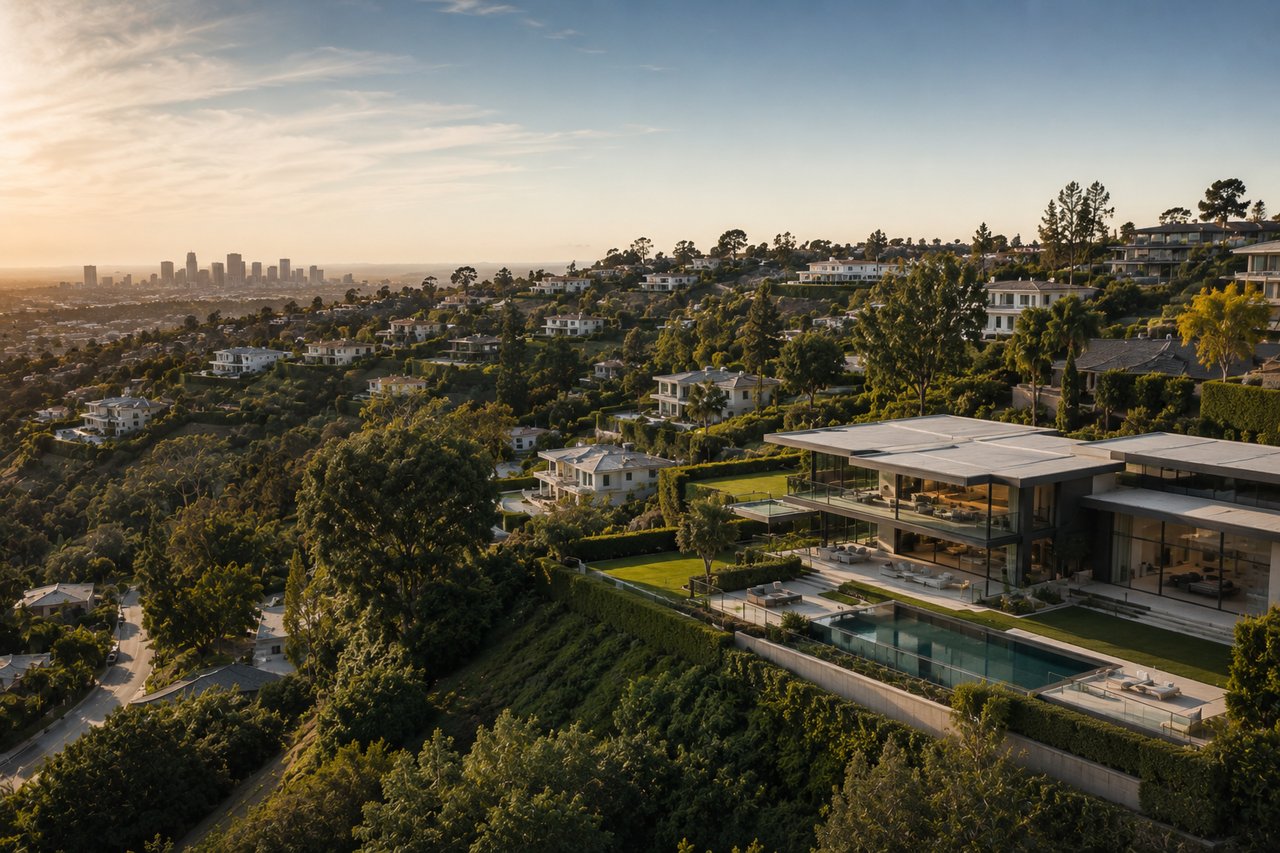
Luxury real estate in wealthy neighborhoods in Los Angeles operates differently than traditional markets. The most important transactions unfold through private conversations and trusted networks rather than public listings. Beyoncé and Jay-Z's $200 million Malibu estate, to name just one example, represents the caliber of properties that change hands discreetly. Los Angeles logged 232 sales above $10 million in 2023 alone. Buyers seeking strategic positioning in the richest neighborhoods in Los Angeles must understand appreciation patterns in affluent areas like Hidden Hills, Beverly Hills and Bel Air. This piece reveals how luxury real estate in Los Angeles CA appreciates and covers investment strategies in the wealthiest neighborhoods where timing and access determine value.
Understanding LA's Ultra-Luxury Real Estate Landscape
"Luxury real estate is in many ways the equivalent of a family trust: It is where wealth lives." — Ana Bozovic, Founder of Analytics Miami
Why Wealthy Neighborhoods in Los Angeles Operate Differently
Timing and access shape outcomes in Los Angeles luxury markets more than public visibility ever could. The ultra-luxury segment, properties priced above $25 million, functions through selective networks where transactions unfold privately. Fewer deals occur at this tier. Pricing trends reveal sustained demand despite broader market moderation. High-net-worth buyers remain insulated from pressures affecting traditional housing segments. Interest rates and short-term economic changes hold minimal influence over purchasing decisions driven by asset preservation, lifestyle priorities, and lack of inventory.
Wealthy neighborhoods in Los Angeles attract buyers who prioritize legacy acquisition rather than immediate returns. These buyers maintain multiple residences and can time their purchases without financial pressure. Negotiations occur through trusted networks where properties change hands with minimal market exposure. This creates a parallel market shielded from public view. Greater Los Angeles posted ultra-luxury transaction increases exceeding 50 percent year-over-year, and sales volume rose 61 percent. Stock market gains, major liquidity events, and generational fortunes accelerate activity at the $10 million-plus level rather than interest rate movements.
The Hidden Market: Off-Market Transactions and Private Sales
An estimated 70 percent of luxury transactions happen off-market, available only through long-standing connections. These private listings never reach Multiple Listing Services and protect seller privacy while offering buyers exclusive access. Nearly 25 percent of luxury deals now bypass the MLS. This creates an exclusive tier where homes worth tens of millions trade through quiet conversations. Properties in wealthy neighborhoods in Los Angeles like Brentwood, Pacific Palisades, Beverly Hills, Bel Air, and Malibu use this path.
Off-market sales need targeted outreach through luxury broker networks and invite-only channels. Viewings remain appointment-only and are limited to pre-qualified prospects with proof of funds or lender pre-qualification required early. Confidentiality agreements precede sensitive detail sharing. The city's transfer tax adds 4 percent on transactions exceeding $5 million and 5.5 percent above $10 million. This influences seller timing and buyer negotiations.
Key Factors Driving Property Values in Exclusive Enclaves
Limited inventory in premier neighborhoods sustains demand in any market condition. Lack of inventory functions as both cause and effect in wealthiest neighborhoods in Los Angeles, where only finite homes exist on the best streets. Properties designed by prominent architects carry cultural significance that exceeds short-term trends and establishes valuation floors that rarely decrease. Buyers from Asia, Europe, and the Middle East view luxury real estate in Los Angeles CA as both status symbol and safe investment harbor. Global appeal creates perpetual buyer pools insulated from regional downturns.
Top Affluent Neighborhoods in Los Angeles and Their Appreciation Patterns
Beverly Hills: Gateway Estates and The Flats
Beverly Hills median sale prices reached $6.10 million over three months ending May 2026. This represents a 56.2% year-over-year increase. Price per square foot climbed to $1,750, up 15.7% since last year. Homes sell within 51 days on average. Gateway Estates command premium positioning north of The Flats and Sunset Boulevard. Properties range from $15 million to $30 million due to elevation and privacy. The Flats showcase classic estates on wide tree-lined streets. Average prices push above $12 million on coveted blocks like Bedford and Canon Drive.
Bel Air and Holmby Hills: The Platinum Triangle
The Platinum Triangle includes Beverly Hills, Bel Air and Holmby Hills, with overall median home prices near $6 million. Bel Air properties range from $4 million to $8 million, with median asking prices reaching $8 million. Parcels span 1 to 5+ acres, far exceeding typical Beverly Hills lots. Year-over-year appreciation sits at 5.8% and shows capital preservation focus. Holmby Hills pricing follows similar patterns at $1,100 per square foot. Premium properties push $3,000 per square foot. Strict building restrictions maintain neighborhood character and protect values.
Hidden Hills Los Angeles: Gated Privacy and Celebrity Appeal
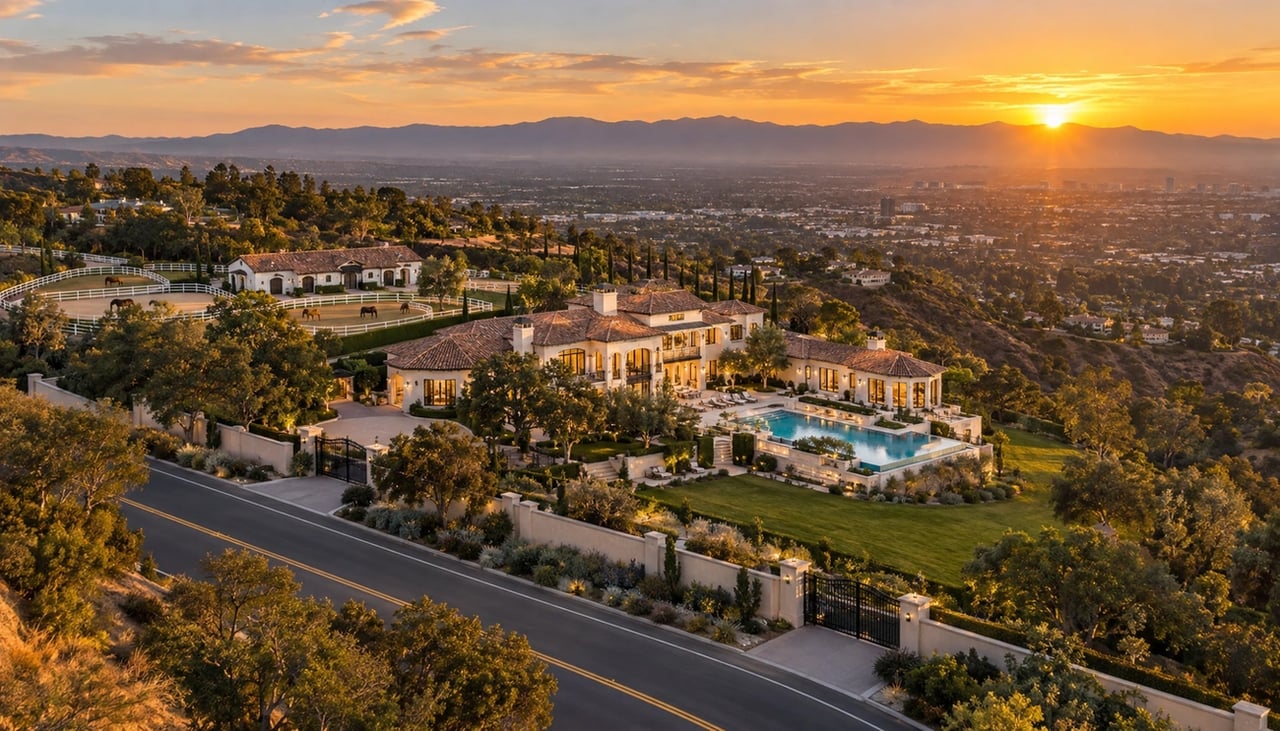
Hidden Hills median sale prices hover around $8 million. Ultra-luxury estates exceed $15 million. The fully gated community showed 52.9% price appreciation over five years and ranked third among California's fastest-growing luxury markets. Only 700 homes house approximately 2,000 residents. Equestrian zoning allows private stables and access to 25 miles of bridle trails. Properties sit on one to three-acre lots.
Malibu Oceanfront: Paradise Cove and Serra Retreat
Malibu's median sale price climbed to $4.30 million, a 13.3% increase. Price per square foot stands at $1,890, up 51% year-over-year. Paradise Cove Bluffs commands extraordinary pricing with median listings at $67.25 million and $10,700 per square foot. Only 25 properties occupy these elevated bluffs.
Brentwood and Pacific Palisades: Coastal Luxury with Accessibility
Brentwood median sale prices reached $3 million with 14.6% year-over-year growth. Single-family homes range from $2.50 million to $20 million. Properties sell within 14 days. Pacific Palisades median prices dropped to $2.80 million, down 32.6% following wildfire effects. Price per square foot declined to $950, down 42.5% year-over-year.
Property Appreciation Secrets in LA's Wealthiest Neighborhoods
Property appreciation in wealthy Los Angeles neighborhoods stems from mechanisms that operate beneath market visibility. The most important value drivers remain unavailable to those outside networks built over decades.
Limited Inventory and Value Growth Driven by Lack of Supply
Lack of supply premiums now account for all raised real estate values in U.S. markets. Deep supply constraints create regressive rent inflation and drive price appreciation. Chronic housing undersupply maintains this dynamic. Net residential investment has rarely exceeded 2 percent of GDP after 1980. The richest Los Angeles neighborhoods benefit most from this structural lack of supply. Finite homes on premier streets sustain demand whatever the broader economic conditions.
Architectural Importance and Design Preservation
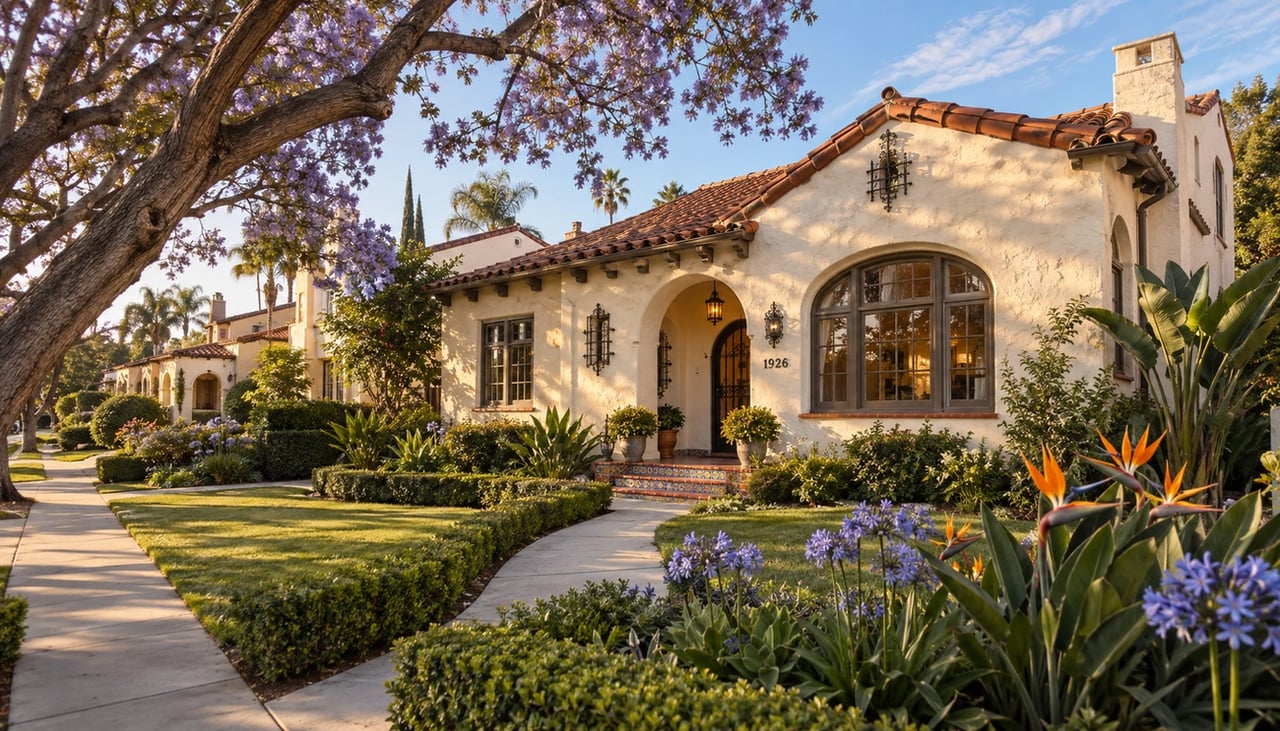
Historical styles like Spanish Colonial Revival and Hollywood Regency hold value through timeless appeal and cultural importance. Properties with historical charm command premiums from buyers. Modern designs that incorporate clean lines and open floor plans attract sustained interest. Architectural difference sets valuation floors that rarely drop.
Strategic Timing: Entry Points for Premium Markets
November through December presents motivated sellers who face financial pressures or relocations. Spring brings maximum inventory but competition intensifies. Properties priced correctly in Santa Monica, Brentwood and Beverly Hills still move. Aspirational pricing extends days on market.
Tax Implications and the Mansion Tax Effect
Measure ULA imposes 4 percent tax on sales between $5 million and $10 million, and 5.5 percent above $10 million. Sales of eligible properties dropped 38 percent after implementation. Single-family home sales above $5 million declined 68 percent year-over-year.
Investment Strategies for Luxury Real Estate in Los Angeles CA
"Ninety percent of all millionaires become so through owning real estate. More money has been made in real estate than in all industrial investments combined. The wise young man or wage earner of today invests his money in real estate." — Andrew Carnegie, Billionaire industrialist
Luxury real estate in Los Angeles isn't driven by headlines—it's shaped by private conversations, timing and access. The most meaningful transactions unfold quietly within trusted circles, where discretion carries as much weight as value. Visibility is secondary to precision for those who understand this world, and timing is everything.
Identifying Undervalued Properties in Well-Established Areas
Motivated sellers facing relocation, divorce or estate settlements prioritize speed over profit. Surface-level flaws like dated interiors scare off retail buyers but yield strong returns after light renovation. Properties with long days on market signal cosmetic rather than structural issues. Transitional areas near tech hubs or transit expansions lag in price before surging later.
Working with Specialized Agents and Exclusive Networks
Top agents in wealthiest neighborhoods in Los Angeles maintain a minimum $25 million annual volume with 75+ luxury closings. Off-market pocket listings represent 20-30% of luxury transactions, available only through industry networks. Elite agents achieve 98-104% sale-to-list ratios versus 93-97% for average agents.
Long-Term Hold vs. Renovation and Resale Approaches
A solid majority of 58.3% adopt renovation strategies and seek properties with good bones in prime locations. Turnkey properties command 11-30% price premiums. Long-term appreciation outpaces short-term flips in mature enclaves historically.
Privacy Considerations and Discretionary Transactions
Ultra-high-net-worth buyers purchase through LLCs or trusts and keep names off public records. NDAs precede sensitive transactions. Off-market sales test pricing without public exposure privately.
Conclusion
Strategic positioning in wealthy Los Angeles neighborhoods requires access to private networks and specialized expertise. Buyers who understand appreciation patterns, off-market opportunities, and timing advantages position themselves for success.
Partnering with agents who maintain deep connections in ultra-luxury circles provides access to transactions that never reach public view. Those who recognize lack-driven value in enclaves like Beverly Hills and Bel Air secure assets that appreciate whatever the broader market conditions.
Key Takeaways
Los Angeles luxury real estate operates through exclusive networks where strategic positioning and timing matter more than public visibility. Understanding these hidden dynamics separates successful investors from those who miss premium opportunities.
• 70% of luxury transactions happen off-market through private networks, requiring established connections to access properties worth tens of millions that never reach public listings.
• Scarcity drives appreciation in LA's wealthiest neighborhoods where limited inventory on premier streets sustains demand regardless of economic conditions or interest rates.
• The Mansion Tax significantly impacts strategy with 4% on sales $5M-$10M and 5.5% above $10M, causing a 68% decline in single-family sales above $5M.
• Elite neighborhoods show distinct appreciation patterns: Beverly Hills median prices jumped 56.2% to $6.10M, while Hidden Hills gained 52.9% over five years at $8M median.
• Specialized agents with $25M+ annual volume provide access to pocket listings representing 20-30% of luxury deals and achieve 98-104% sale-to-list ratios versus 93-97% for average agents.
Success in LA's ultra-luxury market requires working with connected professionals who understand that the most valuable properties change hands through quiet conversations, not public exposure. Privacy, timing, and architectural significance create lasting value in neighborhoods where scarcity premiums account for essentially all elevated pricing.
FAQs
Q1. Why do luxury properties in Los Angeles sell differently than regular homes? Ultra-luxury properties above $25 million operate through selective private networks rather than public listings. An estimated 70% of luxury transactions happen off-market, accessible only through established connections with specialized agents. These deals unfold through quiet conversations and trusted relationships, with properties changing hands discreetly to protect seller privacy while offering buyers exclusive access to homes that never reach the Multiple Listing Service.
Q2. Which Los Angeles neighborhoods show the strongest property appreciation? Beverly Hills leads with median sale prices reaching $6.10 million, representing a 56.2% year-over-year increase. Hidden Hills demonstrates exceptional growth with 52.9% appreciation over five years and median prices around $8 million. The Platinum Triangle (Beverly Hills, Bel Air, and Holmby Hills) maintains median home prices near $6 million with consistent 5.8% annual appreciation, while Paradise Cove Bluffs in Malibu commands extraordinary pricing at $67.25 million median listings.
Q3. How does the LA Mansion Tax affect luxury real estate transactions? Measure ULA imposes a 4% tax on sales between $5 million and $10 million, and 5.5% on transactions above $10 million. Following implementation, sales of eligible properties dropped 38%, with single-family home sales above $5 million declining 68% year-over-year. This tax significantly influences seller timing decisions and buyer negotiations, making strategic planning essential for luxury transactions.
Q4. What makes certain properties appreciate faster in wealthy LA neighborhoods? Limited inventory and scarcity drive value growth, as only finite homes exist on the best streets in premier neighborhoods. Properties designed by prominent architects carry cultural significance that establishes valuation floors rarely subject to decrease. Historical styles like Spanish Colonial Revival maintain timeless appeal, while modern designs with clean lines and innovative features attract sustained interest. These factors create appreciation independent of broader market conditions.
Q5. When is the best time to purchase luxury real estate in Los Angeles? November through December presents opportunities with motivated sellers facing financial pressures or relocations. While spring brings maximum inventory, it also creates heightened competition. Working with specialized agents who maintain minimum $25 million annual volume provides access to off-market pocket listings representing 20-30% of luxury transactions. Strategic timing combined with exclusive network access determines success more than seasonal patterns alone.