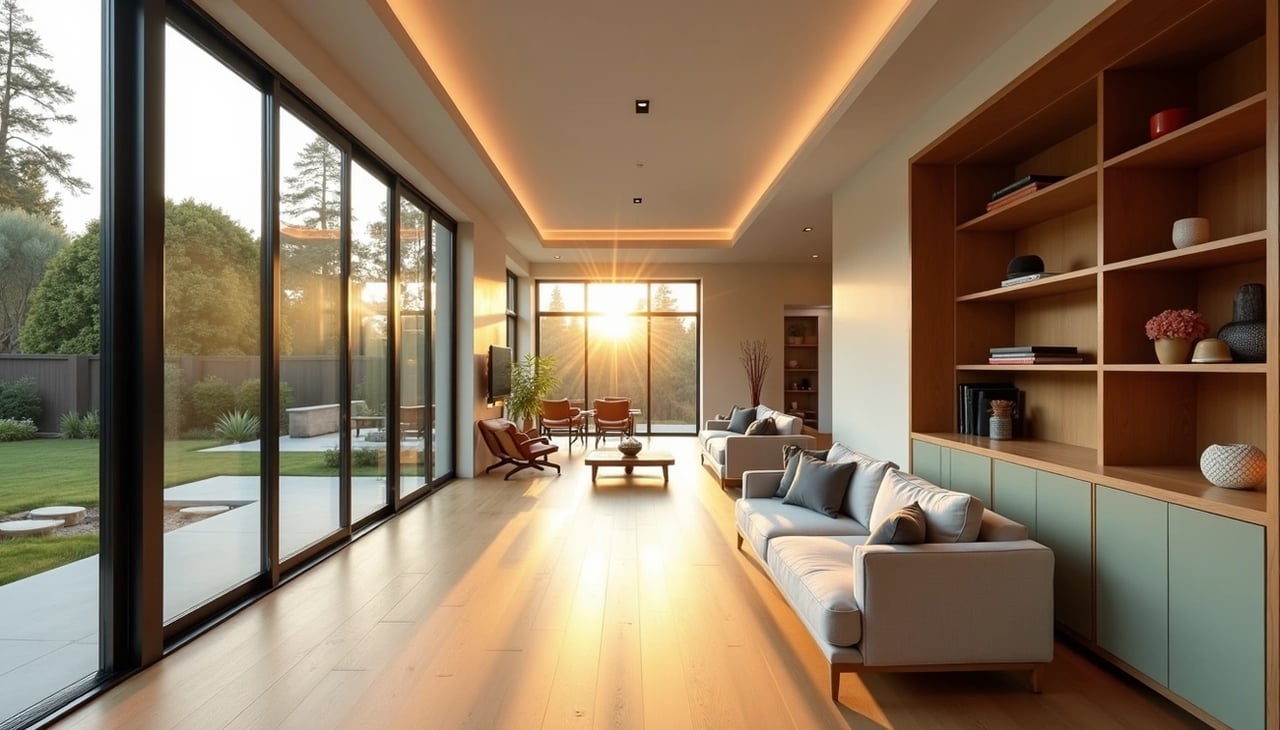
Classic Architectural Elements That Define Enduring Luxury
Architectural principles that resist obsolescence share a common foundation: they respond to human perception rather than passing priorities. High-end home features built on these principles create spaces that feel balanced and intentional. Every element serves both function and visual coherence. Materials, proportion, detailing and light work together to establish the character that defines modern luxury homes interior design.
Premium Materials That Age With Grace
Natural materials are the foundations of homes that improve with time. Stone, brick and wood develop patina rather than showing wear. They create visual richness that synthetic alternatives cannot replicate. Hardwood floors deepen in tone. Natural stone surfaces acquire subtle variations, and metals develop character instead of degrading visually. These materials stabilize or improve esthetically over decades. They eliminate the need for constant correction that trend-driven finishes just need.
Marble countertops, hand-selected hardwoods for floors and cabinetry, and specialty plaster create tactile depth. This distinguishes luxury home features from standard construction. Materials sourced for their organic variation and warm aging characteristics ensure the home evolves naturally rather than requiring periodic renovation to maintain relevance.
Proportion and Scale Over Square Footage
Room scale determines comfort more than dimensions alone. Proportion influences how buyers notice usability, ceiling height balance and movement through the property. Spaces feel natural without requiring explanation when proportion lines up correctly. Buyers respond emotionally to this balance, even when they cannot state why a room feels right.
Ceiling heights, window sizes, and spatial relationships must go together with human experience. A towering ceiling paired with undersized furniture creates emptiness rather than grandeur. Proper scale allows each element to support the others. This establishes visual equilibrium that remains comfortable across changing uses.
Architectural Details That Never Date
Coffered ceilings, paneled walls and arched doorways add depth without dictating style. High ceilings with crown molding and wainscoting create sophisticated transitions between surfaces. They highlight spatial proportions. Custom millwork and built-in details showcase precision joinery that reflects craftsmanship standards. These elements adapt across architectural approaches, from Mediterranean to contemporary. They emphasize execution quality rather than stylistic trends.
Natural Light as a Design Foundation
Light shapes how occupants notice space and influences mood throughout daily rhythms. Strategic window placement transforms interiors. South-facing windows provide consistent illumination, east-facing openings capture morning sun, and clerestory windows introduce light while preserving privacy. Orientation, surrounding structures and seasonal changes determine how daylight moves through rooms. This makes light study a primary design consideration for luxury home must haves.
Functional Spaces That Adapt to Changing Lifestyles
Homes that accommodate changing priorities without structural overhaul share thoughtful design strategies. These luxury house amenities balance current function with future flexibility and ensure high-end home features remain relevant across decades.
Gourmet Kitchens Built for Any Era
The work triangle remains foundational: an imaginary line connecting sink, cooktop and refrigerator creates efficient movement without traffic interference. This layout principle optimizes workflow and provides ample workspace surrounding cooking zones. Drawer-heavy storage keeps everyday tools available, while landing areas next to major appliances support meal preparation. Quality materials anchor the design, solid wood cabinet faces with reliable hardware and natural stone countertops that deliver durability. These elements create kitchens that function efficiently whatever culinary trends emerge.
Primary Suites Designed for Daily Retreat
Luxury primary suites require a minimum of 300 square feet for the bedroom alone. Premium designs extend to 400-450 square feet. This sizing accommodates distinct zones: sleeping areas with king-sized beds, separate sitting spaces and smooth transitions to ensuite bathrooms and walk-in closets. Custom cabinetry with built-in shelving, dedicated shoe storage and central islands change closets into organized dressing areas. Smart thermostats, automated lighting and motorized blinds integrate without disrupting the refined esthetic.
Flexible Rooms That Evolve With Your Needs
Bonus rooms maximize square footage by serving multiple purposes. Basements and second-floor lofts convert from home offices to guest suites or entertainment spaces as needs change. Murphy beds and daybeds preserve refined esthetics while providing accommodation flexibility. Well-laid-out multipurpose rooms increase property value by attracting buyers seeking adaptable spaces.
Smart Home Integration Done Discreetly
Technology feels architectural when it disappears into the background. Climate control, security, lighting scenes and entertainment systems function as one continuous ecosystem rather than disconnected upgrades. The best installations remain quiet, stable and nearly invisible, with elegant wall controls and dependable mobile access. Pre-wired pathways and equipment rooms built during construction support future platform upgrades while maintaining clean aesthetics.
The Connection Between Indoor and Outdoor Living
Outdoor environments become true extensions of the home when designed with architectural intention rather than as afterthoughts. Indoor-outdoor living has evolved from trend to life-blood of modern luxury design, where glass walls and open layouts extend living areas outward while courtyards and patios function as genuine outdoor rooms. These luxury amenities for homes expand usable square footage and transform how occupants experience daily life.
Outdoor Spaces as Year-Round Extensions
Climate control elements determine whether outdoor areas serve multiple seasons or sit unused for months. Covered verandas with modern pergolas, overhead infrared heaters, retractable screens and ceiling fans ensure spaces remain comfortable whatever the weather. Strategic orientation addresses sun exposure and wind patterns during the design phase. This eliminates reliance on temporary fixes.
Landscape Design That Matures Over Time
Well-designed landscapes can add 10% or more to property value, but achieving this return requires patience. Quality installation methods and advanced irrigation systems create foundations that develop visual richness over years. The right home makes all the difference for those who love to entertain. I'd be delighted to help you find spaces designed for elevated living and effortless hosting if you're beginning your search or thinking over a purchase in the near future. Christina Pope  310-404-9931
  [email protected]
Privacy and Views in Perfect Balance
Wide open transitions raise privacy concerns that landscape design resolves. Strategic placement of trees, architectural screens and native plantings filters sightlines while preserving views. This creates comfortable microclimates that support year-round use.
Quality and Craftsmanship That Outlast Trends
Materials and systems determine whether luxury home features maintain their value over decades. Craftsmanship separates homes that appreciate from those requiring constant correction.
Custom Millwork and Built-In Details
High-quality materials ensure longevity compared to mass-produced alternatives. Skilled artisans select premium wood, finishes, and joinery techniques that withstand daily use while maintaining appearance. Built-ins transform functional storage into architectural statements through precise detailing, controlled reveals, and consistent proportions. These elements raise perceived quality and support premium pricing through visible craftsmanship.
Investment in Superior Systems and Infrastructure
Superior plumbing systems include water filtration and softening equipment that protect fixtures from mineral buildup. Soundproofing and advanced insulation regulate temperature, minimize noise transfer between rooms, and reduce energy costs. High-performance infrastructure maintains comfort while preserving long-term property value.
Sustainable Features That Add Long-Term Value
Homes with solar panels sell regularly at premiums because buyers understand long-term savings and protection from rising energy costs. Energy-efficient windows, heat pumps, and tight building envelopes reduce operating expenses significantly. Sustainable homes benefit from lower utility costs, reduced maintenance, and stronger appeal among buyer demographics.
The Role of Understated Elegance
Quality materials like solid wood, marble, and natural stone create depth without requiring logos or decoration. Fewer, better pieces outlast trend-driven purchases. Natural materials improve with age rather than showing wear.
Conclusion
Homes built on these principles resist obsolescence because they prioritize craft over novelty. Natural materials and thoughtful proportions create flexible spaces that accommodate changing needs without requiring structural reinvention. Properties designed with restraint and precision maintain relevance across decades then, while trend-driven features demand constant updating. The right home makes all the difference for those who love to entertain, and Christina Pope (310-404-9931, [email protected]) specializes in finding spaces designed for sophisticated living and seamless hosting that stand the test of time.
Key Takeaways
Understanding what creates lasting luxury helps buyers invest in homes that maintain value and relevance across decades, rather than requiring constant updates to stay current.
• Premium materials like natural stone, hardwood, and marble age gracefully, developing character over time rather than showing wear
• Proper proportion and scale matter more than square footage well-balanced rooms feel comfortable regardless of size
• Flexible spaces that adapt to changing needs (home offices to guest suites) maximize long-term functionality and value
• Seamless indoor-outdoor living with climate control extends usable space year-round in luxury properties
• Superior infrastructure and craftsmanship from custom millwork to advanced systems distinguish true luxury from surface-level upgrades
• Understated elegance through quality materials and restrained design outlasts flashy trends and maintains timeless appeal
The most valuable luxury homes balance innovation with restraint, ensuring that every feature serves both present needs and future flexibility. When architectural elements, materials, and systems work together harmoniously, they create properties that appreciate rather than depreciate over time.
FAQs
Q1. What materials in luxury homes maintain their value over time? Natural materials like hardwood, natural stone, and marble are ideal for lasting luxury because they develop character and patina rather than showing wear. These materials deepen in tone and acquire subtle variations over decades, eliminating the need for constant updates that trend-driven finishes require.
Q2. Why does room proportion matter more than square footage in high-end homes? Proper proportion and scale determine how comfortable and usable a space feels, regardless of its actual size. When ceiling heights, window sizes, and spatial relationships are balanced correctly, rooms feel natural and inviting. Well-proportioned spaces create visual equilibrium that remains comfortable across different uses and furniture arrangements.
Q3. How do flexible rooms add value to luxury properties? Flexible spaces like bonus rooms, home offices, and multipurpose areas maximize long-term functionality by adapting to changing needs without requiring structural renovations. These rooms can transition from offices to guest suites or entertainment spaces as lifestyles evolve, making them highly attractive to buyers seeking adaptable living environments.
Q4. What makes indoor-outdoor living a key feature in modern luxury homes? Seamless indoor-outdoor connections extend usable living space year-round through features like large glass walls, covered patios, and climate control elements such as heaters and retractable screens. Strategic landscape design with proper privacy screening and mature plantings creates comfortable outdoor rooms that function as true extensions of the home.
Q5. How does quality craftsmanship distinguish true luxury from surface-level upgrades? Superior craftsmanship is evident in custom millwork, precise joinery, premium materials, and advanced infrastructure like high-performance plumbing and insulation systems. These elements maintain their appearance and functionality over decades, supporting long-term property value while creating visible quality that elevates the entire home beyond cosmetic improvements.