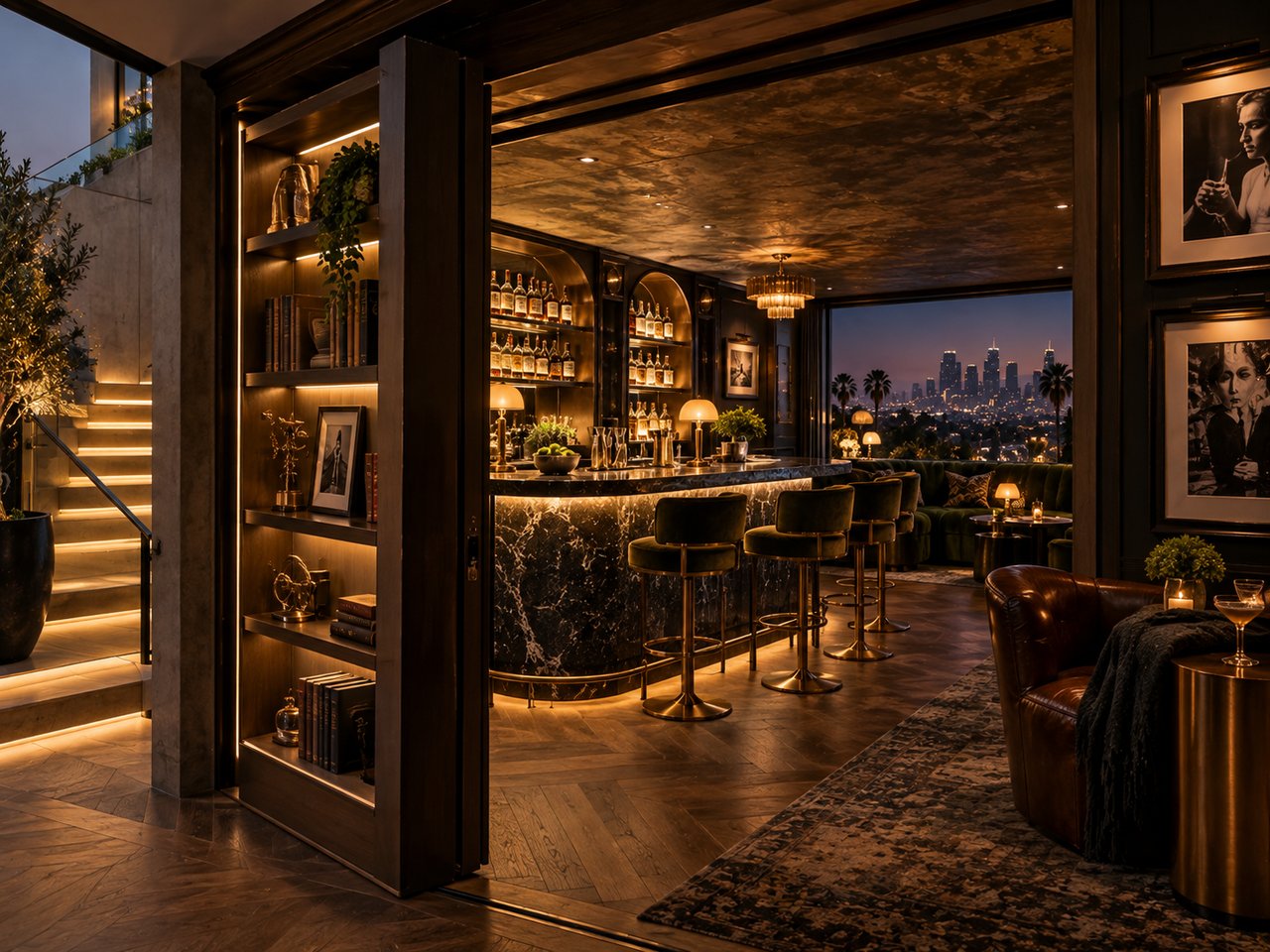
Luxury homeowners have fundamentally redefined their living priorities. Wellness interior design now commands attention in high-end properties where personal sanctuary takes precedence over grand social spaces. The most discerning clients seek homes designed for daily restoration rather than occasional entertainment. Meditation rooms and spa-inspired bathrooms occupy spaces once reserved for formal dining rooms and ballrooms. The demand for in-home wellness amenities has been steadily increasing for years, reflecting a permanent shift in how luxury living is conceived and experienced.
Wellness-centered design represents the new standard for sophisticated homeowners who understand that true luxury lies in spaces that support their physical and mental well-being. This exploration examines the essential features of modern wellness spa interior design, meditation room design principles, key elements that create effective relaxation spaces, and the wellness interior design trends defining luxury homes in 2025.
The Shift from Entertaining to Wellness-Focused Design
Why luxury homeowners are rethinking traditional spaces
Today's luxury market reflects a profound evolution in how sophisticated clients approach their living environments. Wellness interior design has moved beyond isolated spa rooms to become the foundation of residential architecture. Homeowners with international experience and refined taste recognize that spaces designed for daily restoration deliver greater value than rooms reserved for special occasions. This philosophy treats wellness as essential infrastructure rather than luxury addition.
Spaces that support ritual and recovery integrate naturally into morning routines, evening wind-downs, and weekend recharging. The most successful wellness designs invite regular use through thoughtful positioning and intuitive layouts that feel effortless to inhabit.
The decline of formal dining rooms and grand ballrooms
The market data tells a clear story. Nearly 80% of designers working on new home communities report that dining rooms have become significantly less important over the past year. Formal dining rooms have been almost eliminated from the design vocabulary of luxury builders, replaced by adaptable spaces that serve multiple purposes throughout the week.
Grand entertaining areas that once defined luxury properties now sit empty while homeowners gravitate toward intimate, flexible environments. Kitchen islands have emerged as the true social centers, reflecting authentic family patterns rather than theoretical entertaining scenarios. This shift represents practical wisdom from clients who understand how they actually live versus how they once thought they should live.
Rising demand for private wellness sanctuaries
Sophisticated buyers prioritize dedicated spaces for mental and physical restoration. Meditation rooms, therapeutic pools, and spa-quality bathrooms create opportunities for decompression without elaborate planning or scheduling. These wellness sanctuaries draw family members throughout the day, supporting clarity and calm as natural extensions of daily life.
Reading alcoves, strategically placed window seats, and quiet lounges offer retreat without isolation. The most effective wellness spaces get used consistently because they feel welcoming and accessible rather than formal or intimidating.
How the pandemic accelerated this design transformation
Extended time at home revealed gaps in residential design that many luxury homeowners had never noticed. Prolonged indoor living made clear the need for warm, comfortable spaces where families could truly relax. Properties transformed from showcases into sanctuaries where well-being became the primary consideration.
This period generated substantial investment in wellness-focused renovations as discerning homeowners upgraded spaces to support healthier, more balanced daily routines. The changes reflect permanent shifts in luxury residential priorities, with implications for how premium properties are designed, marketed, and valued.
Key Features of Modern Wellness Interior Design
Dedicated meditation and yoga rooms
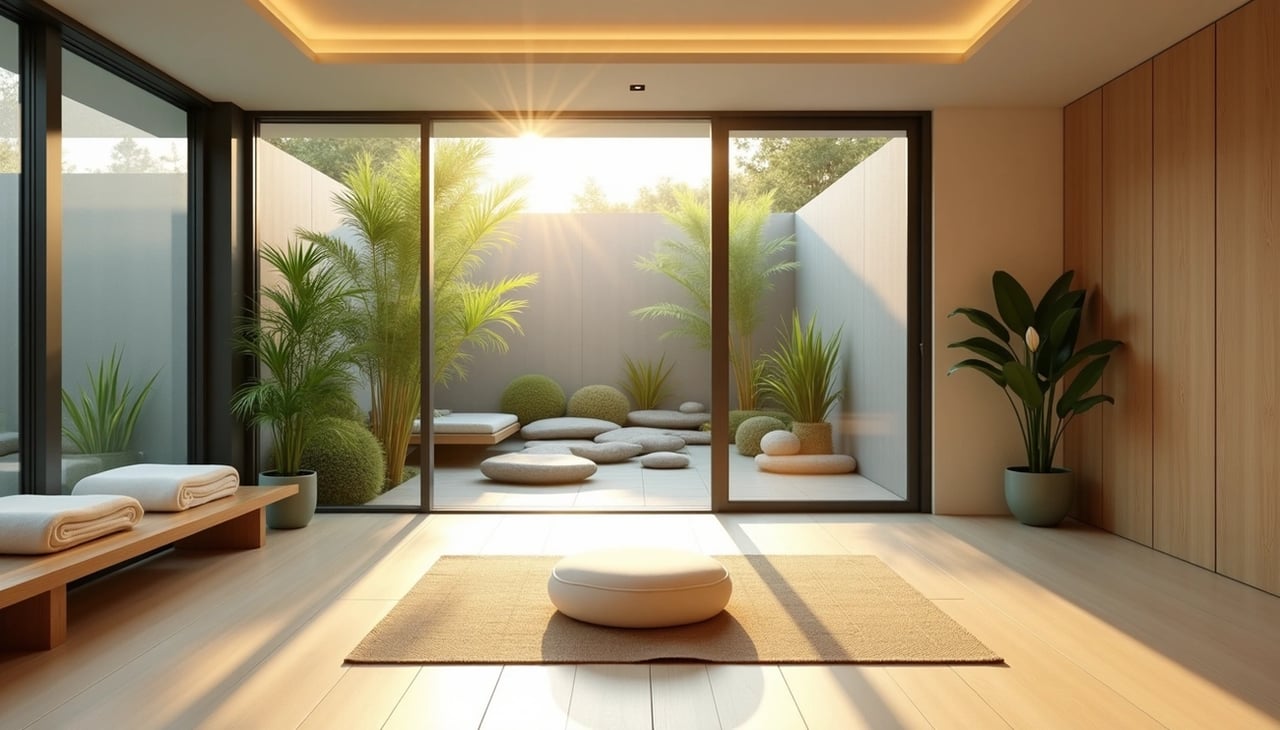
Meditation room interior design requires surprisingly little space just 4x4 feet accommodates comfortable practice. Strategic window placement floods rooms with natural light, while adjustable lighting adapts to different wellness routines. Proper seating with back support prevents discomfort during extended sessions. Earth-toned palettes in blues, greens, and soft pinks create soothing environments supported by color psychology research. Wood, bamboo, and stone materials establish grounding atmospheres that connect practitioners to nature.
Spa-inspired bathrooms and hydrotherapy spaces
Hydrotherapy installations require minimum dimensions of 200-300 square feet for equipment and movement. Professional-grade features include rainfall showerheads, steam showers, body sprays, and freestanding soaking tubs crafted from natural stone or marble. Water features provide auditory privacy while enhancing the spa experience. Proper drainage systems and non-slip flooring ensure safety in moisture-rich environments. Layered lighting combines natural sources with warm, adjustable fixtures to create distinct moods for different routines.
Home wellness interior design with biophilic elements
Biophilic design in hospitals reduces hospitalization time, patient mortality, pain levels, and stress while supporting faster recovery. Research shows interactions with nature may help brain areas critical for memory and emotional regulation. Visual connections with nature lower blood pressure and heart rate. Wood, stone, linen, and rattan materials invite touch and create comfort-driven spaces. Indoor plants improve air quality while reducing carbon dioxide levels. Water features provide calming soundscapes that promote tranquility.
Natural light optimization and circadian lighting systems
Over 1,600 employees ranked access to natural light and views as their top workplace priority. Natural light triggers serotonin production, regulates circadian rhythms, and supports vitamin D absorption. Circadian lighting systems use tunable LED luminaires that shift from 2700K to 6500K throughout the day. These systems can increase productivity by 12%. Morning exposure to bright, blue-enriched light boosts alertness, while dimmer, warmer evening light promotes melatonin production for better sleep.
Soundproofing and acoustic design for tranquility
Acoustic treatments reduce reverberation time to ideal residential levels of 0.3-0.6 seconds. Materials with high NRC values absorb sound effectively: carpet (0.4), ceiling tiles (0.5-0.6), and acoustic panels (0.7). Specialized drywall blocks noise transfer, creating environments conducive to restful sleep. Double-wall construction minimizes vibrations between rooms. Soft textiles, filled bookshelves, and strategic furniture placement enhance sound absorption without sacrificing aesthetics.
Smart wellness technology integration
Smart home automation orchestrates lighting, climate, and audio systems to support physical and mental well-being. Automated window treatments open to natural light each morning and close in the evening, reinforcing circadian rhythms. Climate control systems maintain optimal temperature and humidity levels automatically. Voice-activated controls reduce decision fatigue and mental clutter. Integrated air quality sensors detect pollutants and trigger purification systems when needed, addressing indoor air quality issues that contribute to 3.8 million premature deaths annually.
Design Elements That Create Effective Relaxation Spaces
Selecting calming color palettes and natural materials
Color psychology directly influences emotional states and mental well-being. Blue promotes calmness and tranquility, green evokes harmony and peace, while neutral tones create balance and grounding. Earth tone palettes incorporating soft beiges, muted greens, and warm grays establish serene environments that mirror natural landscapes. Natural materials provide tactile comfort and visual warmth. Wood floors, stone countertops, and handcrafted bronze hardware bring permanence to interiors while encouraging connection with nature. Organic textiles like wool, cotton, and linen offer breathability and hypoallergenic properties that support healthier indoor environments.
Wellness spa interior design principles for home environments
The most successful residential spa designs focus on layered sensory experiences that work every day, not just special occasions. Soft, diffused lighting creates relaxing atmospheres, while natural light enhances material textures and amplifies mood-lifting effects. Water fixtures require careful selection—adjustable temperature and pressure controls ensure consistent comfort for daily use. Natural stone tiles and surfaces provide grounding textures that foster stability and authenticity. Quality linens elevate the experience, turning routine into ritual.
Aromatherapy and sensory integration
Scent profoundly impacts emotional responses and memory recall. Lavender and vanilla induce serenity and reduce stress, while citrus scents foster invigorating environments that promote creativity. Essential oil diffusers disperse therapeutic fragrances that interact with olfactory receptors, triggering feel-good hormone release. Pairing aromatherapy with complementary color schemes reinforces desired effects. Earthy tones harmonize with woody scents, while cooler blues enhance calming environments. Natural materials like wood and stone absorb and diffuse essential oils more effectively than synthetic surfaces.
Minimalist layouts that reduce visual clutter
Clutter creates stress—something luxury homeowners understand intuitively. Clean design reduces mental noise through thoughtful furniture selection, strategic color placement, and purposeful texture choices. Neutral color palettes minimize overstimulation, while open floor plans with abundant natural light make spaces feel larger. White space guides the eye and highlights important elements without overwhelming the senses. Grouping displayed items in sets of three and leaving negative space around objects creates visual harmony. Smart storage solutions like built-in cabinetry and concealed systems keep essentials accessible but invisible.
Indoor-outdoor connectivity and garden views
Windows become focal points when they frame outdoor vistas that improve mood and support relaxation through connection with nature's rhythms. Sightlines to gardens or green spaces strengthen biophilic connections that reduce stress and enhance well-being. Cool colors like blues and greens in outdoor spaces create serene atmospheres, while fragrant plants like lavender, jasmine, and mint provide calming scents. Water features such as fountains or bubbling rocks enhance peaceful ambiance with soothing sounds. Symmetrical planting patterns and repeated plant species establish continuity that fosters mindfulness.
Implementing Wellness Interior Design Trends 2025
Working with specialized wellness architects and designers
Qualified wellness architects possess a deep understanding of how materials, proportions, and spatial design influence human physiology and emotional states. These professionals integrate eight dimensions of wellness (emotional, physical, environmental, purpose, organizational culture, professional, intellectual, and social) to deliver holistic impact. Early collaboration ensures esthetics and functionality work together seamlessly, with designers addressing workflow needs while architects maintain beautiful, purposeful spaces.
Budget considerations for wellness-focused renovations
Wellness-focused renovations can add 10-25% to standard renovation costs. Zero-VOC paints cost 20-50% more per gallon, while whole-house filtration and advanced ventilation represent significant additions. These wellness upgrades deliver long-term value through energy savings and improved health outcomes.
Balancing esthetics with functionality
Successful wellness interior design trends 2025 require form to serve function. Well-designed elements enhance usability through natural light, airflow, and spatial perception. Materials like polished concrete, natural wood, and sustainable composites provide both visual appeal and structural integrity.
Sustainable and eco-conscious material selections
Discerning homeowners seek Greenguard Gold certification for low chemical emissions, FSC certification for responsibly sourced wood, and Cradle to Cradle certification for environmentally responsible products. Low-VOC materials address indoor air pollution, which can be 2-5 times higher than outdoor air.
Technology that enhances without disrupting tranquility
Smart wellness technology supports holistic, low-stress environments through thoughtful automated controls. Experienced designers recommend wired connections over wireless networks and careful placement of electrical circuits away from sleeping areas.
Conclusion
The luxury real estate market has permanently embraced wellness-centered living. Discerning buyers now seek properties where daily well-being takes precedence over formal entertaining capabilities. Luxury real estate selections favor thoughtful positioning, privacy, and spaces designed for restoration and mental clarity.
Christina Pope possesses the expertise to identify properties that embody these wellness principles while maintaining sophisticated design standards. Her deep understanding of luxury living and ability to perceive clients' unique wellness needs ensures she can locate homes that support both elevated lifestyles and personal sanctuary. For those seeking properties where tranquility meets refined functionality, Christina can be reached at 310-404-9931 or [email protected].
Key Takeaways
Luxury homeowners are fundamentally reimagining their living spaces, moving away from formal entertaining areas toward wellness-centered sanctuaries that support daily restoration and mental clarity.
• Formal spaces are disappearing: Nearly 80% of designers report dining rooms becoming less important, replaced by flexible wellness areas that adapt to daily needs.
• Wellness rooms require minimal space: Meditation and yoga spaces need only 4x4 feet, making wellness accessible in any home layout.
• Natural elements boost health: Biophilic design with plants, natural light, and water features reduces stress, lowers blood pressure, and supports faster recovery.
• Smart technology enhances tranquility: Circadian lighting systems and automated climate controls can increase productivity by 12% while supporting better sleep patterns.
• Investment pays long-term dividends: While wellness renovations add 10-25% to costs, they deliver energy savings and improved health outcomes over time.
This transformation reflects a permanent shift in how luxury properties are conceived—prioritizing spaces that support consistent well-being over occasional entertainment, creating homes that truly serve how people live today.
FAQs
Q1. What does wellness interior design mean for luxury homes? Wellness interior design focuses on creating spaces that support mental and physical health through dedicated areas for meditation, spa-inspired bathrooms, natural materials, and biophilic elements. It prioritizes daily restoration and tranquility over traditional entertaining spaces, transforming homes into personal sanctuaries that promote well-being as part of everyday routines.
Q2. How much space do you need for a meditation or yoga room? You only need a minimum of 4x4 feet to create a comfortable meditation or yoga space. These wellness rooms emphasize natural light, minimal clutter, earth-toned color palettes, and natural materials like wood and bamboo to create calming atmospheres that support regular practice.
Q3. What are the main wellness features being added to modern luxury homes? Modern luxury homes incorporate dedicated meditation rooms, spa-inspired bathrooms with hydrotherapy features, biophilic design elements including indoor plants and natural materials, circadian lighting systems that adjust throughout the day, soundproofing for tranquility, and smart home technology that automates climate and lighting controls to support well-being.
Q4. How does biophilic design improve health and wellness at home? Biophilic design connects occupants with nature through elements like indoor plants, natural materials, water features, and views of outdoor spaces. Research shows these elements reduce stress, lower blood pressure and heart rate, improve air quality, support faster recovery, and enhance areas of the brain critical for memory and emotional regulation.
Q5. What is the typical cost increase for wellness-focused home renovations? Wellness-focused renovations typically add 10-25% to standard renovation costs. This includes expenses for features like zero-VOC paints (20-50% more per gallon), whole-house filtration systems, advanced ventilation, and specialized materials. However, these upgrades often provide long-term benefits through energy savings and improved health outcomes.