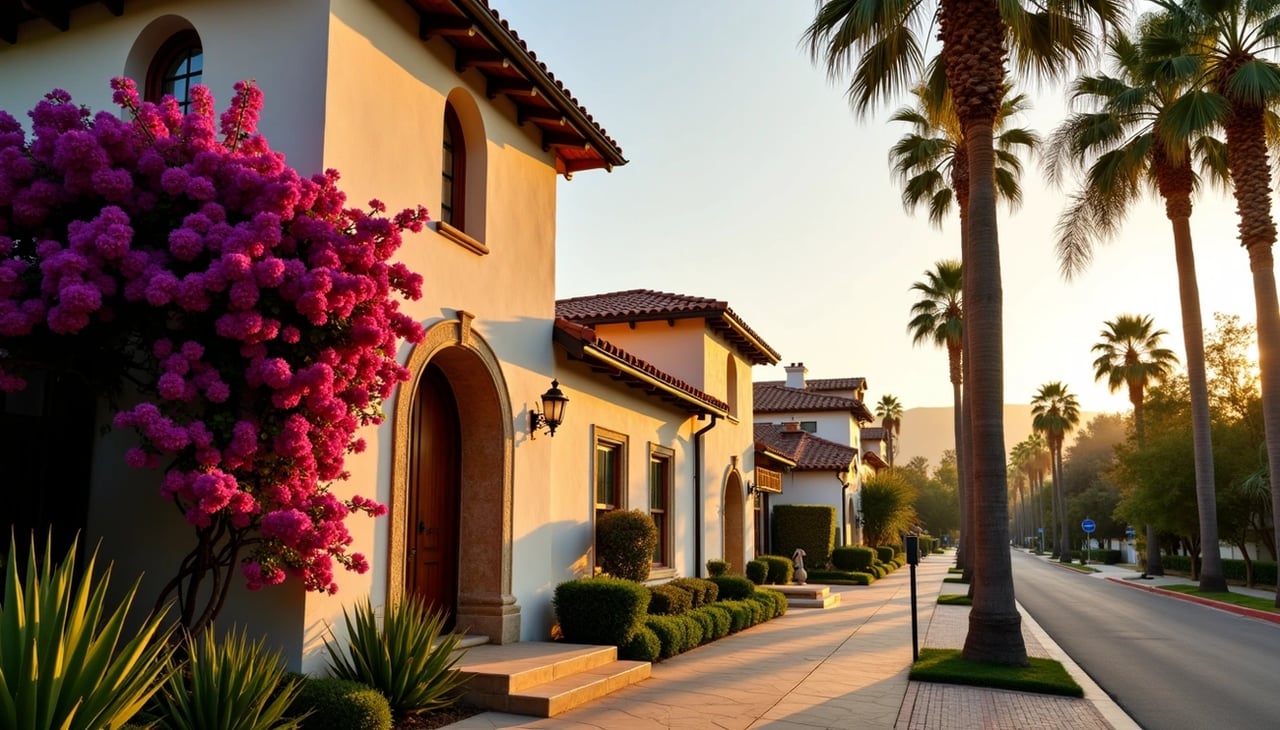
Cultural authenticity has become the defining factor in luxury living, with 87% of luxury travelers saying authentic, exclusive cultural experiences will matter more to them in 2026. Affluent buyers now prioritize heritage and community character over conventional amenities. This change is reshaping Los Angeles real estate. Boutique properties delivering customized and actual neighborhood connections are outpacing traditional luxury chains. They signal a change in what defines cultural authenticity for high-net-worth residents.
This need arrives at a critical moment though. Los Angeles neighborhoods face mounting pressures from development and performative experiences that threaten cultural heritage authenticity. In this piece, we get into where cultural authenticity drives real estate value, the forces endangering it, and approaches for culturally intelligent luxury buyers seeking properties that honor architectural legacy and living community traditions.
Define cultural authenticity in 2026 luxury living
Beyond amenities: Why story and place now matter most
Psychologists define place authenticity as a unique essence that makes a location feel genuine and alive, rooted in cultural and historical dimensions. The emotional and psychological ties people develop with places contribute directly to their perception of authenticity. This concept has displaced traditional luxury markers in high-net-worth purchasing decisions.
Affluent families now purchase properties with multi-generational thinking. They ask whether homes will feel timeless two decades ahead and whether spaces can accommodate family gatherings that span generations. Legacy in luxury real estate extends beyond wealth preservation. It creates homes that embody family identity and values. Properties become anchors for family continuity rather than symbols of achievement alone.
Art installations, sculptures, and architectural accents create cultural touchpoints. These represent creativity and heritage in ways pure architecture cannot convey. Areas with defined cultural identities communicate depth and make properties feel connected to something meaningful.
The difference between staged experiences and living heritage
Luxury brands now craft immersive experiences where consumers live within constructed narratives rather than simply purchase products. Yet authentic cultural heritage is fundamentally different from these staged environments. Hospitality brands create temporary sensory experiences through curated scents and tactile elements. Living heritage develops organically through interaction between people and place over time.
Storytelling transforms luxury properties into emotional experiences. Dining rooms become settings for gatherings and backyards turn into relaxation sanctuaries. But these constructed narratives are different from neighborhoods where stories accumulate naturally. Generations of residents share common spaces and build experiences together.
What affluent residents seek in authentic neighborhoods
High-net-worth buyers gravitate toward heritage architecture over modern builds. These properties offer character, craftsmanship, and historical depth. Intricate moldings, original fireplaces, and period-specific detailing prove hard to replicate in contemporary construction. Buyers seek thoughtful, experiential living spaces over uniform luxury. They value homes that serve as custodians of irreplaceable history rather than standardized mansions.
Where cultural authenticity drives Los Angeles real estate value
Arts District and Downtown: Industrial history meets contemporary culture
The Arts District evolved from abandoned factories into a creative hub at the time artists priced out of Venice and Hollywood migrated to vacant warehouses in the 1970s. The 1981 Artist-in-Residence ordinance legalized residential use of formerly industrial buildings and transformed the neighborhood into a cultural ecosystem. Properties here carry layered histories spanning transcontinental railroad depots, manufacturing centers and artist studios. The median property price reached USD 714,500 in 2016, up from USD 370 per square foot in 2013.
Brentwood and Pacific Palisades: Preserving architectural legacy
Pacific Palisades housed the Case Study House program headquarters conceived by Arts and Architecture editor John Entenza in 1945. Architects including Richard Neutra and the Second Generation designed modernist homes on challenging hillside sites. The area became a center for European émigrés escaping Nazi Germany in the 1930s and 1940s. These included writers and artists. The Pacific Palisades Preservation Coalition now works to safeguard cultural and architectural heritage while integrating fire-safe building practices and climate resilience.
Santa Monica Canyon: Artist colonies and creative continuity
Santa Monica Canyon maintains a median home price around USD 3.80 million. Ray Kappe and other California modernists designed iconic mid-century homes that remain investment-grade properties. Writer Christopher Isherwood lived in the canyon and wrote about its bohemian character in works including "A Single Man". The neighborhood attracted European émigrés in the 1940s. Screenwriter Salka Viertel's Mabery Road home became a gathering place for Hollywood's intellectual community.
The San Gabriel Valley: Asian-American cultural foundations
The San Gabriel Valley houses the largest concentration of Asian Americans in the country. Asian immigrants transformed Monterey Park from 3% of the population in 1960 to 60% in 1990 after the Immigration and Nationality Act of 1965. The Huntington Library's Liu Fang Yuan Chinese garden, opened in 2008, reflects the community's cultural establishment.
Threats to cultural heritage authenticity in luxury markets
Overtourism and the performative neighborhood effect
Neighborhoods attract attention because of cultural authenticity, yet that attention threatens the qualities that made them valuable. We measure tourism intensity in nights spent per resident to reveal the strain: Paris records 19.9 nights per resident, while Prague reaches 14.1 nights. Overtourism drives up local prices as markets adjust to tourist spending power. The generalization of short-term rental platforms amplifies this effect. It converts residential housing into tourist accommodation and escalates rents.
Perceived crowding influences destination attractiveness and worsens tourist experiences through excessive wait times, insufficient facilities, and decreased service quality. Problems like tourism gentrification, commodification of sites, and rent escalation gain visibility as neighborhoods transform into tourist-centric hubs. Cultural erosion follows. Small communities lose identity as destinations morph into spaces designed for visitor consumption rather than resident life.
At the time restoration becomes erasure
The choice to restore a site to its state in a particular historical period carries sociopolitical weight rather than neutrality. Selective preservation supports nationalistic or imperial agendas, and immense power lies in conservation decisions. Urban renewal beginning in the 1950s cleared old buildings for new developments. It displaced communities and their histories. The removal of buildings breaks continuity with the past and creates tension between forgetting and remembering, affecting self-identity and sense of belonging.
Gentrification alters narrative through three forms: erasure (coordinated effort to erase presence), retelling (altering stories to fit agendas), and negligence (gradual forgetting over time).
The invisible transactions protecting neighborhood soul
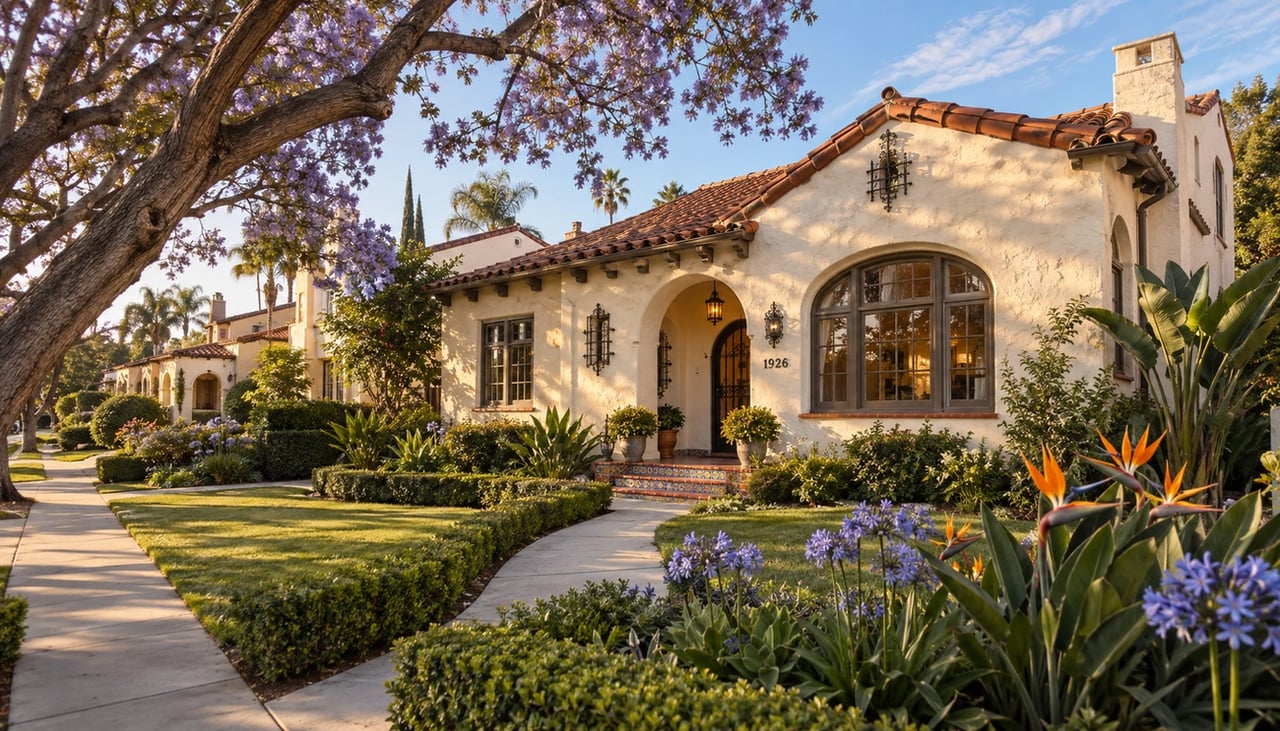
Large luxury houses appearing on historic lots raise questions about how much fabric will survive. Properties representing communities inhabited without interruption face pressure from profit-driven complexes built out of scale and character. Every Victorian, Craftsman, or Spanish Revival home demolished for oversized modern infill erases irreplaceable living history.
Strategic positioning for culturally intelligent luxury buyers
Luxury real estate in Los Angeles operates through private conversations and trusted networks where discretion carries as much weight as value. The most important transactions unfold quietly, and timing outweighs visibility for those who understand this landscape.
Properties that honor architectural and community heritage
Historic houses serve as tangible links to previous generations. They offer glimpses into architecture and culture while providing unique educational opportunities to understand historical context and cultural importance. Well-kept historic districts boost property values and attract investment. This creates desirable neighborhoods for residents and businesses. These structures honor the lives and contributions of those who came before. Their stories endure.
Off-market opportunities in culturally important locations
Off-market properties, known as pocket listings, remain unavailable through public channels or Multiple Listing Services. Sellers choose this route for privacy, exclusivity and controlled negotiations. Relationships with local real estate agents provide access to these hidden opportunities.
Building relationships with local cultural guardians
Multicultural real estate organizations open avenues to community leaders. They help agents understand how to better serve diverse communities. Partnership with these groups demonstrates respect for their participation and leadership.
The role of specialized real estate advisors
Real estate advisors with cultural sensitivity understand different backgrounds. They adjust approaches to meet specific client needs rather than imposing rigid business methods. Christina Pope at Sotheby's International Realty specializes in heritage-conscious acquisitions.
Privacy and timing in heritage-conscious acquisitions
Strategic timing in heritage markets requires understanding when culturally important properties become available before public listings emerge.
Conclusion
Cultural authenticity has redefined what constitutes luxury in Los Angeles real estate. Properties anchored in genuine heritage and living community traditions outperform generic mansions, whatever the price point. So buyers recognize that access matters more than visibility in this market.
Specialized advisors who understand both architectural legacy and neighborhood character are essential. Christina Pope at Sotheby's International Realty guides heritage-conscious acquisitions where timing and discretion determine success. Cultural intelligence separates informed investment from surface-level luxury purchases.
Key Takeaways
Cultural authenticity has replaced traditional amenities as the primary driver of luxury real estate value in Los Angeles, with buyers prioritizing heritage and community character over conventional luxury features.
• Heritage properties outperform modern builds: 87% of luxury buyers now seek authentic cultural experiences, driving demand for homes with architectural legacy and neighborhood stories over standardized mansions.
• Specific LA neighborhoods command premiums for authenticity: Arts District, Pacific Palisades, Santa Monica Canyon, and San Gabriel Valley properties gain value through preserved cultural heritage and living community traditions.
• Overtourism and development threaten authentic neighborhoods: Tourist-driven gentrification and oversized modern infill risk erasing the cultural fabric that makes these areas valuable to discerning buyers.
• Off-market opportunities require cultural intelligence: Strategic buyers work with specialized advisors who understand both architectural legacy and community character to access heritage-conscious properties before public listings.
• Multi-generational thinking drives purchasing decisions: Affluent families now buy properties as anchors for family continuity, asking whether homes will feel timeless decades ahead and accommodate generational gatherings.
The most valuable luxury properties in 2026 Los Angeles are those that serve as custodians of irreplaceable history while maintaining authentic connections to their cultural communities. Success in this market requires understanding that access matters more than visibility, and timing outweighs traditional luxury markers.
FAQs
Q1. What defines luxury living in Los Angeles in 2026? Luxury living in 2026 prioritizes cultural authenticity, heritage, and community character over traditional amenities. Affluent buyers seek properties with genuine neighborhood connections, architectural legacy, and multi-generational appeal rather than standardized mansions with conventional luxury features.
Q2. Which Los Angeles neighborhoods offer the most authentic cultural experiences for luxury buyers? The Arts District combines industrial history with contemporary culture, Pacific Palisades preserves mid-century modernist architecture, Santa Monica Canyon maintains its artist colony heritage with median prices around $3.80 million, and the San Gabriel Valley represents the largest concentration of Asian-American cultural foundations in the country.
Q3. How does over tourism threaten authentic luxury neighborhoods? Over tourism drives up local prices, converts residential housing into short-term rentals, and creates perceived crowding that diminishes neighborhood character. This tourism-driven gentrification can erase the cultural fabric and community identity that originally made these areas valuable to discerning buyers.
Q4. Why do heritage properties outperform modern luxury builds? Heritage properties offer irreplaceable character through intricate moldings, original fireplaces, period-specific detailing, and layered histories that cannot be replicated in contemporary construction. These homes serve as tangible links to previous generations and provide authentic cultural touchpoints that create emotional connections.
Q5. What role do specialized real estate advisors play in heritage-conscious acquisitions? Specialized advisors with cultural intelligence understand both architectural legacy and neighborhood character, providing access to off-market properties in culturally significant locations. They navigate discrete transactions where timing and privacy matter more than public visibility, helping buyers find properties that honor community heritage.