The micro-location effect in luxury real estate works like an invisible force that reshapes property values. Today's market shows that real value goes beyond just the neighborhood. Small, often overlooked geographical spots create the line between great properties and good ones. Buyers have become smarter about what they want, making these tiny location differences more crucial than ever.
Yes, it is easy to spot location premiums, but few realize how much they affect sale timing. Luxury real estate companies know that two similar properties can perform very differently based on their block or lot features. Take Buckhead's premium markets - lot characteristics can influence prices just as much as the home's features. Buyers prefer quiet streets with less traffic. They look for cul-de-sacs that naturally slow down vehicles and blocks with consistent visual appeal and mature landscaping. Advanced analytics now help us analyze these micro-locations better. Evidence-based platforms measure everything from how walkable an area is to noise levels on each block.
This explains why luxury properties that look identical on paper sell at different prices. As the luxury real estate market grows, developers, agents, and buyers must understand these subtle location differences. Missing these micro-location factors could mean the difference between making profit and cutting prices.
The Street-Level Details That Shape Luxury Pricing

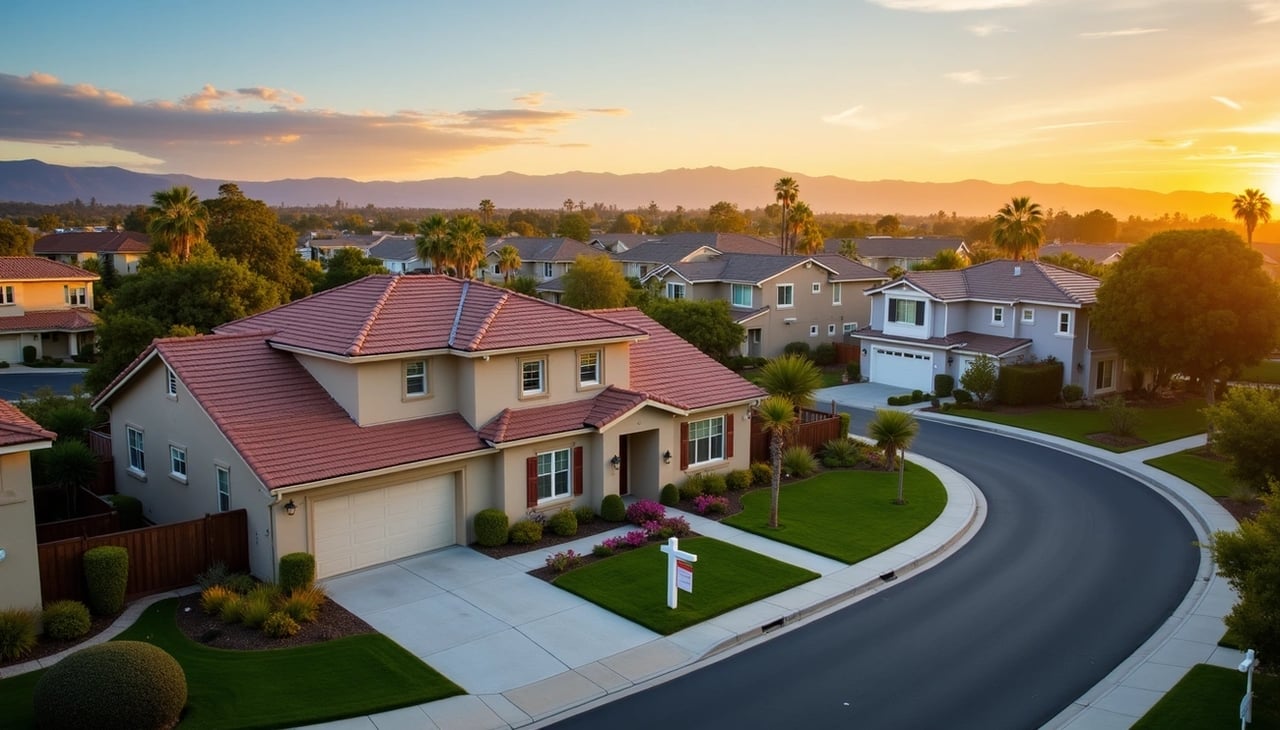
Image Source: Kanebridge News Middle East
Luxury real estate has invisible boundaries that pack quite a punch. The price gap between multi-million dollar properties often boils down to street-level details rather than neighborhood differences.
Why one block can change everything
Small changes in location can shake up property values in premium markets. A couple of blocks sometimes just crossing a street can create huge price gaps between similar luxury properties. The high-end market pays close attention to street types, sightlines, land features, noise, and protected views that affect property values. These small factors create what experts call "invisible borders" that smart buyers spot right away.
The street-level details like traffic flow also play a big role in buyer decisions. Homes on quiet streets usually cost more than those on busy roads, especially when you look at long-term investment value. Smart buyers visit properties at different times because a quiet afternoon can paint a different picture from a busy weekend.
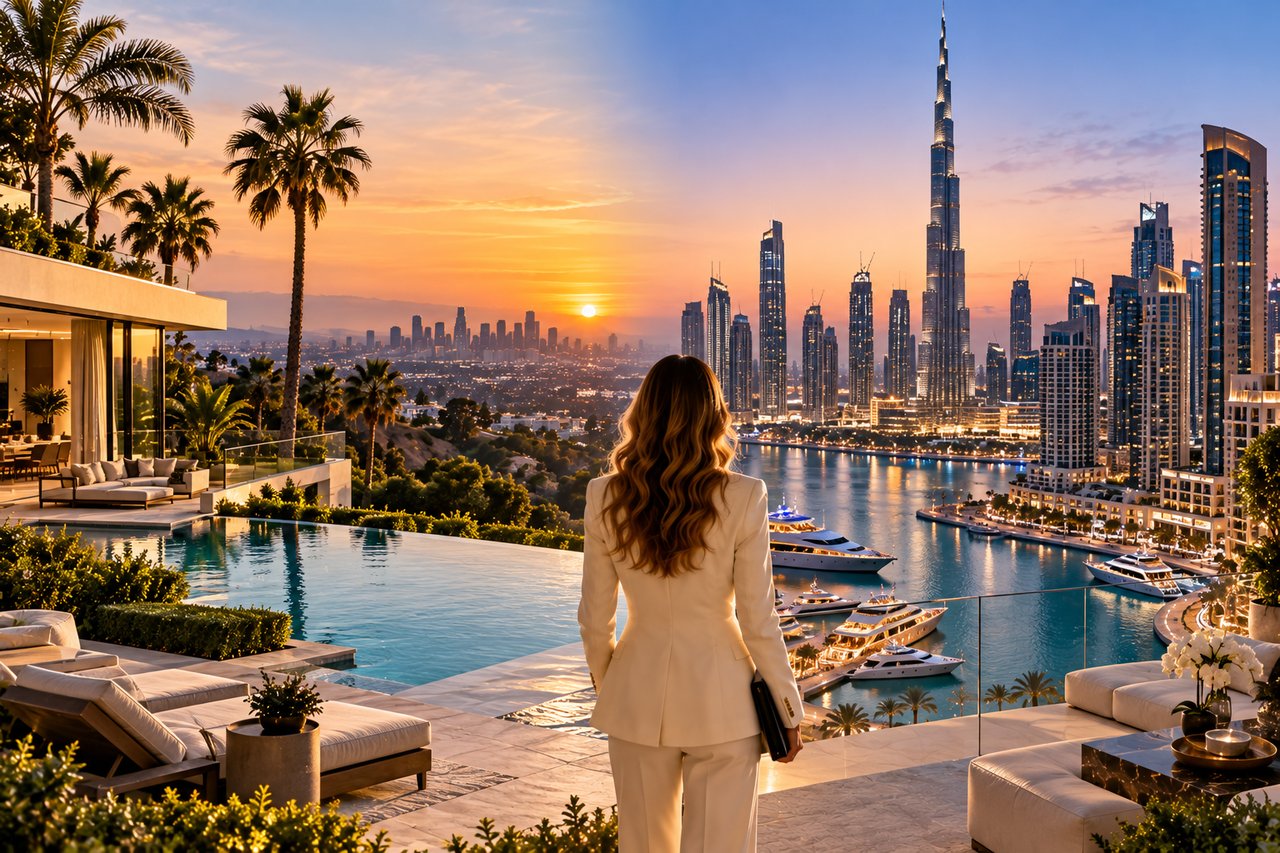
Examples from Los Angeles and Dubai luxury real estate
LA's luxury markets show how city identity shapes pricing. Properties across Boston, Brookline, and Newton follow different rules and tax systems, leading to varied buyer expectations. These factors change monthly costs and future investment potential for buyers looking at similar properties.
Dubai's luxury market has grown beyond just measuring square footage. Two homes with matching layouts, finishes, and locations might differ by millions of dirhams based on their views and privacy. International buyers moving to the UAE want certainty they need to know their sea views won't vanish behind new buildings and nearby lots won't turn into construction sites. Waterfront homes can sell for 30% to 60% more than inland properties.
How buyers notice lifestyle from the curb
First impressions make a huge difference. Properties that look clean and ready to move in fetch higher prices than similar homes that need work. Even small touches in flooring, paint, fixtures, or lighting can change how much buyers think a home is worth.
Market exposure creates surprising price differences. Great photos, compelling descriptions, and professional marketing bring in more serious buyers. Better exposure usually leads to competition, which drives up prices for similar properties. Luxury buyers ended up making choices based on their lifestyle goals—they want homes that support their living style without giving up privacy or future options.
The Data Behind the Difference
A complex web of data points shapes luxury property valuation. Smart buyers and sellers know this by instinct. The math behind micro-locations ends up shaping market outcomes better than broad neighborhood labels.
Walkability, noise, and transit access
Walkability now adds real value in luxury markets. Each extra point in walkability score adds about $3,948 (0.83%) to a home's value in Los Angeles. Properties scoring 90-100, what we call a "Walker's Paradise," are rare gems. They make up less than 2% of active listings but stay in high demand.
Noise levels can make or break a property's value. Homes exposed to noise above 60 decibels can lose 5-10% of their value. This creates big price gaps between similar luxury homes that just happen to sit on different sides of sound barriers or streets.
Properties near public transportation gain value too, rising by $2,040 (0.6%) on average. Commercial properties near subways and railways add about $3.85 per square foot in value.
Using heat maps and microzone analytics
Modern luxury real estate experts use smart heat maps to see these micro-market factors clearly. These tools assess key metrics like safety scores, traffic patterns, smooth connectivity, social infrastructure, and pollution levels.
Heat maps show exactly where people want to live and where they're moving to. This helps spot micro-markets that might gain value - crucial info when you're dealing in luxury properties.
How luxury real estate companies use this data
Smart luxury real estate companies combine these data points into detailed valuation models. They know premium buyers look at measurable lifestyle factors beyond just property features.
This evidence-based approach helps match ultra-high-net-worth clients with homes that line up with their lifestyle needs. The result? Better deals and premium prices in the most wanted micro-locations.
Psychological Borders and Buyer Perception
Luxury real estate values depend more on psychological boundaries than physical features. A railroad track, an underpass, or just a change in neighborhood name can shape how buyers look at properties.
The power of names, landmarks, and invisible lines
Property values respond surprisingly well to neighborhood names. Areas with names like "The Heights," "Estates," or "Hills" naturally suggest luxury and exclusivity. Properties near landmarks and historically important community spots tend to be worth more. As these communities become landmarks themselves, nearby home values tend to rise faster over time.
How perception creates price gaps
What buyers think directly leads to real price differences. A house on the "right" side of these invisible lines can cost $100,000 more than a similar house just across the street. Research has also found that round numbers affect pricing psychology a lot—buyers see houses at $400,000 as better deals than those at $399,000, even though the difference is just $1,000.
Why two identical homes can sell at different prices
The threshold effect explains the different performance of similar properties. Houses priced just under certain points (like $499,000 instead of $500,000) typically sell for about 2% less when resold—Utah homeowners lose roughly $4,000 in value. Emotional appeal works differently in luxury markets compared to standard real estate. Buyers who carefully inspect home prices rarely question high prices for luxury cars or watches.
The Future of Micro-Matching in Luxury Markets
Three connected trends are changing tomorrow's luxury real estate world way beyond traditional pricing factors.
Rise of 15-minute neighborhoods
The idea of 15-minute neighborhoods has grown from a simple urban planning concept into what defines luxury living today. People can walk or bike to meet their daily needs in these communities. They stand out because of their livability, eco-friendly design, and focus on health and well-being. Regular neighborhoods measure success by their size, but these areas shine because everything sits close by. Properties that score 90-100 on the walkability scale are hard to find and make up less than 2% of premium market listings.
Remote work and lifestyle clustering
Remote work has changed how people look at luxury real estate. Wealthy buyers now pick locations based on their lifestyle instead of how close they are to work. They move to places that match their interests, from horse farms to mountain retreats. This change shows in how people use their vacation homes - they stay for months rather than just weekends. Luxury developments now include co-working spaces, cafés, wellness centers, and parks within walking distance.
What this means for luxury real estate development
Mixed-use luxury projects now blend workspaces, homes, and leisure spots naturally. Rich buyers see value in both the returns and stability these investments offer. A perfect home makes hosting gatherings effortless. I would love to help you find spaces built for upscale living and entertaining if you plan to buy soon or start looking. Christina Pope  310-404-9931
  [email protected]
Conclusion
Micro-location is the key driver of luxury real estate values. It matters way beyond what you might expect from traditional neighborhood labels. These hidden geographical differences create notable price gaps between similar properties in premium markets. Smart buyers now know that specific block features, street designs, and lot characteristics often affect pricing just as much as the home itself.
Numbers tell the story clearly. Walkability scores, noise levels, and distance to amenities directly affect property values. Properties in ideal micro-locations command higher prices. Homes without these features need major price adjustments, no matter how nice their interiors or how large they are.
Mental boundaries make these differences even bigger. Buyer perceptions create real price gaps based on sometimes random dividing lines. Two luxury homes might look similar in every way but sell at very different prices just because of where they sit within these invisible boundaries.
The luxury real estate scene keeps changing as we match buyers with perfectly located properties. The growth of 15-minute neighborhoods, remote work communities, and mixed-use projects shows a more detailed approach to premium property selection. These trends have altered the map of how wealthy buyers assess potential homes. They now focus more on specific lifestyle elements rather than general location factors.
The right home makes all the difference if you love to entertain. I'd be happy to help you find spaces built for upscale living and easy hosting if you're planning to buy soon or starting your search. Christina Pope 310-404-9931 [email protected]
Luxury real estate deals work best when buyers grasp these micro-location dynamics before investing. Without doubt, those who understand and make use of these subtle geographical differences will not just buy property. They'll secure their spot in the most sought-after corners of luxury real estate markets worldwide.
Key Takeaways
Understanding micro-location dynamics is crucial for luxury real estate success, as these hyper-local factors can create dramatic price differences between seemingly identical properties.
• Street-level details drive luxury pricing: Traffic patterns, noise levels, and visual consistency can create 30-60% price premiums between identical properties on different blocks.
• Data quantifies micro-location value: Each walkability point adds $3,948 to home value, while noise above 60 decibels decreases value by 5-10%.
• Psychological borders create real price gaps: Neighborhood names and invisible boundaries can generate $100,000+ price differences between identical homes across arbitrary lines.
• 15-minute neighborhoods define future luxury: Properties offering walkable access to daily needs represent less than 2% of listings but command significant premiums.
• Remote work reshapes location priorities: High-net-worth buyers now choose properties based on lifestyle clustering rather than commute convenience, permanently altering luxury market dynamics.
The most successful luxury transactions happen when buyers recognize these subtle geographical distinctions before investing, securing position within the most coveted micro-markets rather than just good neighborhoods.
FAQs
Q1. How does micro-location impact luxury real estate pricing? Micro-location significantly influences luxury real estate pricing by creating substantial value differences between properties in close proximity. Factors like street type, noise levels, and walkability can lead to price variations of 30-60% between seemingly identical homes on different blocks.
Q2. What role does data play in determining micro-location value? Data plays a crucial role in quantifying micro-location value. For instance, each point increase in walkability score adds approximately $3,948 to a home's value, while noise levels exceeding 60 decibels can decrease property value by 5-10%.
Q3. How do psychological borders affect luxury real estate prices? Psychological borders, such as neighborhood names or invisible boundaries, can create significant price gaps in luxury real estate. These perceptual differences can result in price variations of $100,000 or more between identical homes on opposite sides of these arbitrary lines.
Q4. What is a 15-minute neighborhood, and why is it important in luxury real estate? A 15-minute neighborhood is a community where residents can meet most daily needs within a short walk or bike ride. These areas are increasingly important in luxury real estate, with properties in such locations representing less than 2% of active listings and commanding significant premiums due to their livability and sustainability.
Q5. How has remote work affected luxury real estate preferences? Remote work has fundamentally altered luxury real estate preferences. High-net-worth individuals now prioritize locations based on lifestyle rather than commute distance, leading to increased interest in second homes and properties in areas that align with their personal interests and values.