![Affluent Neighborhoods in Los Angeles: How Modern vs Traditional Architecture Shapes Buyer Decisions [2026]](https://media-production.lp-cdn.com/cdn-cgi/image/format=auto,quality=85,fit=scale-down,width=1280/https://media-production.lp-cdn.com/media/deddae5a-25b4-431c-a254-4b85c0042c87)
The most exclusive transactions in Los Angeles unfold beyond public view, within circles where trust and timing matter more than market reports. Architectural style becomes the defining factor when discerning buyers choose between contemporary sophistication and timeless craftsmanship. Beverly Hills Gateway properties reach median values approaching $13 million, while Los Angeles luxury homes average above $4 million. These elite enclaves reveal distinct architectural preferences that shape both lifestyle and investment outcomes.
The choice between modern minimalism and traditional elegance reflects deeper considerations about daily living, entertainment needs, and long-term value preservation. Buyers with refined tastes understand that architectural character influences not only immediate satisfaction but also future market performance. Success in these markets requires recognizing how design philosophy aligns with personal vision and financial objectives.
The Architecture-Price Connection in Most Affluent Neighborhoods in Los Angeles
Elite property transactions operate through private channels where relationships supersede public listings. Architectural distinction drives valuation in these circles, where aesthetic excellence meets strategic investment. Christina Pope at Sotheby's International Realty and platforms like EliteResidenceInternational.com facilitate these high-level transactions through established networks, where market access depends on timing and professional positioning rather than public advertisements.
How Design Style Affects Market Value
First impressions create lasting market advantage across Los Angeles luxury enclaves. Properties showcasing exceptional curb appeal achieve prices 7% higher than comparable homes without architectural distinction. Facade composition, roofing materials, and landscape harmony function as value drivers, not mere decoration.
Modern architectural designs featuring open floor plans capture 63% of luxury buyer interest, translating preference into pricing power. Contemporary estates with clean geometry, floor-to-ceiling glass, and sustainable construction demonstrate superior appreciation compared to traditional counterparts. Properties incorporating modern elements achieve potential value increases exceeding 20%, with energy-efficient systems adding 2-5% premiums. Smart home integration accelerates market performance substantially—homes equipped with automated systems sell 30% faster than properties lacking these capabilities.
Traditional architecture commands respect through heritage and craftsmanship excellence. Established neighborhoods witness reduced market exposure for traditional properties compared to contemporary developments, reflecting buyer confidence in proven design principles and mature community character. Spanish Colonial Revival and Mediterranean estates appeal to buyers valuing architectural authenticity, with 56% preferring customizable historic properties over new construction.
Price Per Square Foot: Modern vs Traditional
Construction investment requirements vary dramatically between architectural approaches across the most expensive neighborhoods in Los Angeles. Contemporary luxury commands peak construction costs from $1.20 million to $2.10 million per square foot. This premium reflects specialized craftsmanship and precision tolerances contemporary design demands.
Mediterranean and Spanish-style construction ranges between $800,000 and $1.50 million per square foot, with Colonial architecture maintaining similar cost parameters. Contemporary builds require 25% longer construction timelines than traditional projects, necessitating specialty contractors capable of executing modern architecture's exacting standards.
Days on Market by Architectural Type
Sales velocity correlates with architectural presentation and buyer alignment across luxury segments. National averages show homes listed 66 days before contract execution as of February 2026. Architectural character influences these timelines throughout wealthy Los Angeles neighborhoods. Traditional properties in established areas benefit from community prestige and mature landscaping, reducing market exposure. Contemporary homes with smart technology achieve 30% faster sales, demonstrating how modern amenities compress transaction cycles despite premium pricing.
Modern Architecture: Defining Features and Market Appeal
Contemporary design philosophy emerged from 1930s European architects who abandoned decorative excess for purposeful form. Le Corbusier, Walter Gropius, and Mies van der Rohe created principles that define today's luxury estates across wealthy neighborhoods in Los Angeles.
Minimalist Design and Open Floor Plans
Clean lines and uncluttered spaces allow architectural elements to command attention. This philosophy eliminates unnecessary ornamentation to achieve calm and harmony within living environments. Open floor plans deliver flexible living with improved traffic flow and optimal natural light distribution. The design promotes fluid movement throughout spaces while accommodating multiple activities and functions.
Glass Walls and Natural Light Integration
Expansive glass defines luxury construction in upscale neighborhoods. Floor-to-ceiling windows and sliding glass doors eliminate barriers between indoor and outdoor environments. Horizontal windows ensure balanced lighting throughout homes, while glass partition systems create multi-use rooms that separate work areas from recreational spaces without sacrificing openness. Folding and sliding glass doors enable residents to reconfigure spaces as needs change.
Sustainable Building and Green Technology
Natural materials serve specific architectural purposes in modern construction. Flat roofs support solar panels, while indoor-outdoor integration and horizontal windows reduce energy and heating expenses. Open-concept layouts require fewer materials to complete construction. Green building practices minimize carbon footprints and resource consumption, with sustainable luxury homes achieving higher resale values as buyers appreciate reduced operating costs and environmental benefits.
High-End Finishes and Smart Systems
Contemporary estates blend esthetics with functionality. Centralized platforms manage lighting, climate, security, and entertainment through unified interfaces. AI-driven systems learn homeowner preferences, delivering intuitive and personalized experiences. Biometric access, motion sensors, and real-time alerts strengthen security in affluent neighborhoods.
Resale Performance of Contemporary Estates
Modern homes sometimes require longer market exposure due to a more selective buyer pool. Durable materials and minimal ornamentation make contemporary luxury homes easier to maintain than Spanish Colonial estates. Minimalist properties offer customization opportunities through their adherence to simplified design principles.
Traditional Architecture: Timeless Appeal in Upscale Neighborhoods in Los Angeles
Traditional architectural styles across Los Angeles' most prestigious addresses represent centuries of refined European and American design heritage. These estates captivate buyers through exceptional craftsmanship and construction methods that modern building rarely matches.
Spanish Revival and Mediterranean Charm
Spanish Colonial Revival architecture commands significant presence throughout Los Angeles' elite neighborhoods, drawing from Spain and Latin America's rich design traditions. The style masterfully combines Moorish, Mediterranean, and Spanish Colonial elements. White stucco exteriors crowned with red clay tile roofs epitomize California's signature look, while thick walls provide natural insulation perfect for warm climates. Strategically placed small windows limit harsh sunlight, and soaring ceilings encourage air circulation.
Courtyards function as architectural centerpieces beyond mere beauty. These interior spaces invite natural light and fresh air while creating private sanctuaries between the home and its surroundings. Hand-forged wrought iron graces railings, balconies, and window treatments, displaying metalwork artistry. Exposed wooden beams contribute rustic elegance while supporting structural loads. Loggias provide shaded outdoor retreats that offer respite from California sun.
Mediterranean properties showcase barrel-tile roofs, graceful arched windows, and terracotta-detailed courtyards. French doors and sliding glass panels connect interior spaces with porches and gardens.
French Provincial and Chateau Estates
French Chateau architecture blends Italian Renaissance influences with dramatic, steep rooflines. These residences range from formal symmetrical compositions to whimsical designs featuring towers, turrets, chimneys, columned entrances, and curved or triangular pediments. Interior spaces typically display ornate details that make bold, classical statements. Such properties excel for large family celebrations given their generous scale, multiple bedrooms, and expansive outdoor entertainment areas.
Colonial and East Coast-Inspired Designs
Colonial architecture achieves refined balance through symmetrical facades and carefully considered details. Construction utilizing brick, wood, and stone includes steep roofs, classical cornices, and ornate entryways. Georgian Colonial residences present rectangular, balanced forms with centered front doors and evenly distributed double-hung windows. Greek-inspired pilasters grace front facades, while dental moldings enhance rooflines.
Craftsmanship and Architectural Heritage
Historic homes showcase hand-carved wooden details, elaborate stained glass windows, and superior woodwork that reflect dedicated artisan skill. Traditional construction techniques using locally sourced materials including wood, stone, brick, and plaster create authentic character.
Market Stability of Classic Homes
Historic district properties command average 2.5 times the assessed value per acre compared to surrounding areas. San Antonio historic district homes appreciated 139% over fifteen years, while comparable properties outside historic districts gained only 68%. Indianapolis single-family houses in local historic districts increased 7.3% annually versus 3.5% for non-historic district properties.
Decision Factors: What Drives Buyers to Choose Modern or Traditional
Architectural preference reveals more than aesthetic taste when buyers evaluate luxury properties in Los Angeles's most exclusive neighborhoods. The selection between contemporary design and traditional elegance stems from practical considerations about family life, entertainment patterns, and financial strategy.
Lifestyle Needs and Entertainment Spaces
Flowing layouts appeal to nearly 80% of luxury buyers who value easy, informal transitions. Modern open-concept designs excel for frequent entertainers and those who prefer less compartmentalized living. Traditional layouts create clear functional separation between kitchen, dining room, and living areas. This compartmentalization suits buyers who value quiet, dedicated spaces.
For those who love to entertain, the right home makes all the difference. If you're considering a purchase in the near future or beginning your search, I'd be delighted to help you discover spaces designed for elevated living and effortless hosting. Christina Pope  310-404-9931
  [email protected]
Privacy Requirements and Lot Configuration
Privacy considerations shape architectural choices among discerning buyers. Traditional estates on expansive lots rely on mature landscaping and generous setbacks for natural screening. Contemporary designs achieve privacy through calculated window placement and interior courtyard arrangements.
Maintenance Considerations and Long-Term Costs
New construction demands minimal upkeep during early ownership years—73% of homeowners spend less than $25 monthly on maintenance costs. Older properties require more attention, with 26% of homeowners spending $100 or more monthly. Older homes carry 17% higher electricity costs and 38% more for gas annually. Modern builds command higher initial investment but deliver long-term savings through superior insulation and smart technology.
Family Size and Multigenerational Living
Three-generation households surged 271% between 2011 and 2021. Multigenerational purchases now account for 17% of all home transactions, with 25% of buyers purchasing specifically to care for aging parents. Additionally, 95% of adults aged 55 and older consider aging in place important. Modern designs accommodate these arrangements through flexible spaces, while traditional estates offer separate wings that maintain proximity without compromising independence.
Investment Goals and Appreciation Potential
Luxury home values grew 3.9% compared to 3.2% for typical homes. Luxury inventory remains 47% below pre-pandemic levels, creating supply constraints that support continued appreciation in affluent neighborhoods in los angeles.
Neighborhood-by-Neighborhood Breakdown of Architectural Trends
Each exclusive enclave across Los Angeles develops its own architectural personality, shaped by topography, historical influences, and the particular tastes of residents who choose these addresses. Understanding these distinctions helps discerning buyers identify locations that align with their design preferences and lifestyle expectations.
Beverly Hills Gateway: Traditional Estates ($13M+ Median)
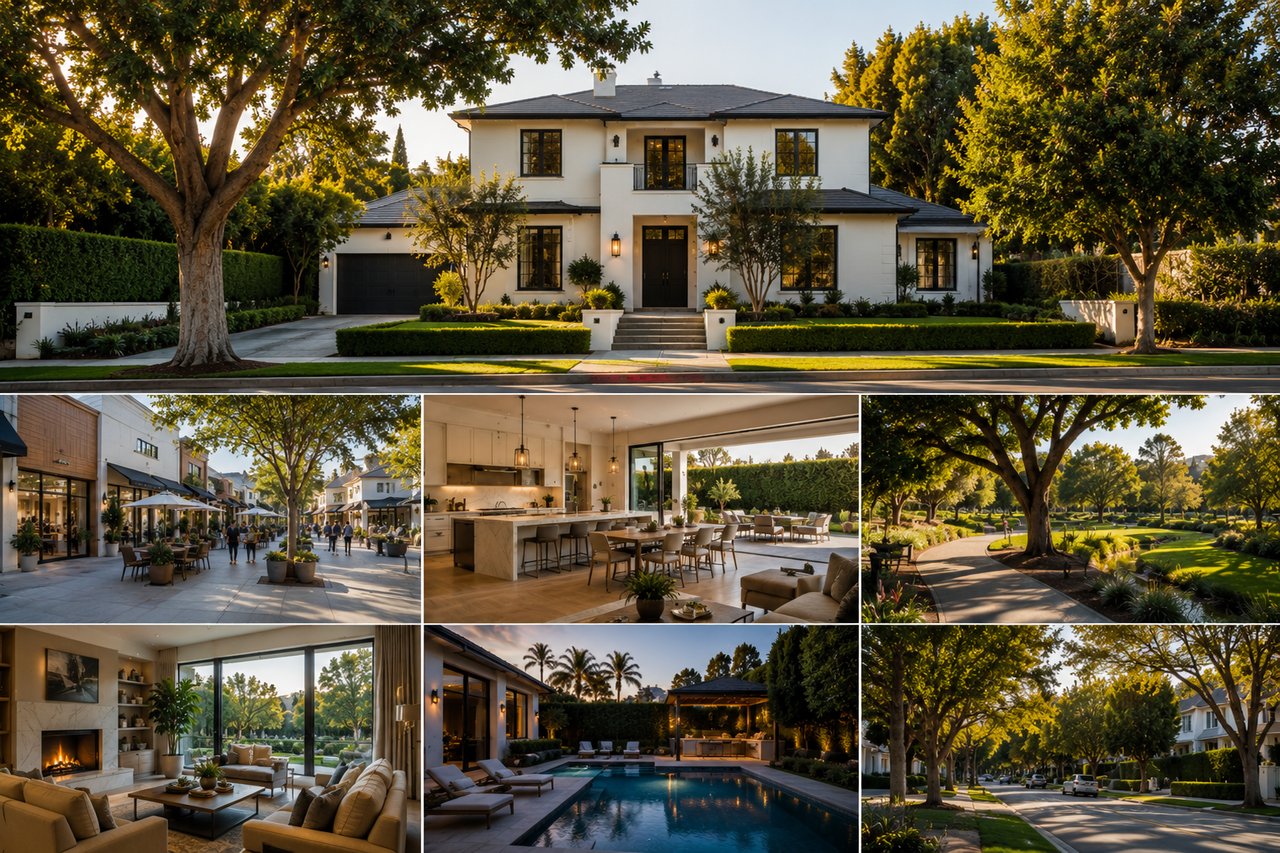
Beverly Hills Gateway occupies the prestigious position between The Flats and Beverly Hills Post Office, earning recognition as the city's premier address. Properties average $10.50 million, with the most coveted homes situated on elevated lots offering sweeping views. Traditional architecture holds firm dominance here, where buyers consistently choose established elegance over contemporary statements.
Bel Air Estates: Modern Hillside Dominance ($40M Median)
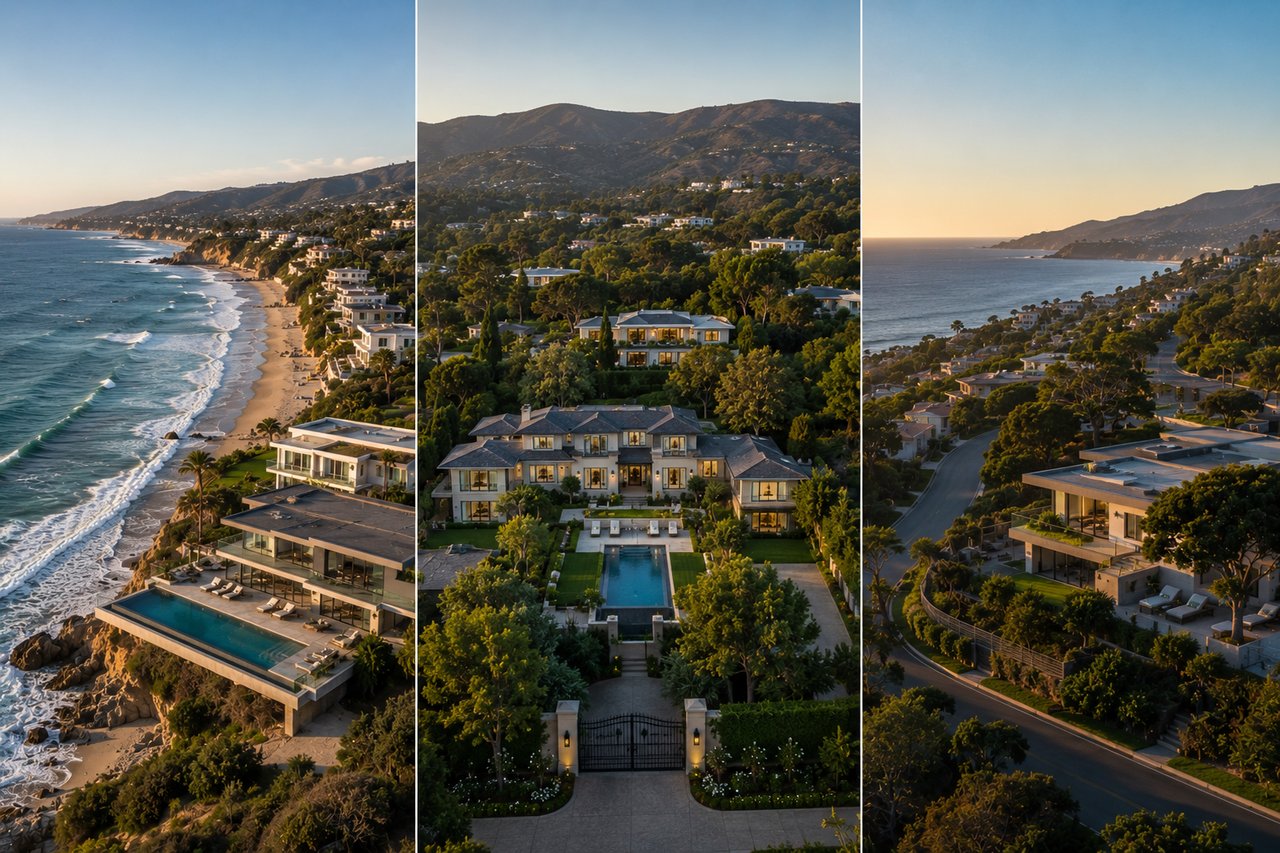
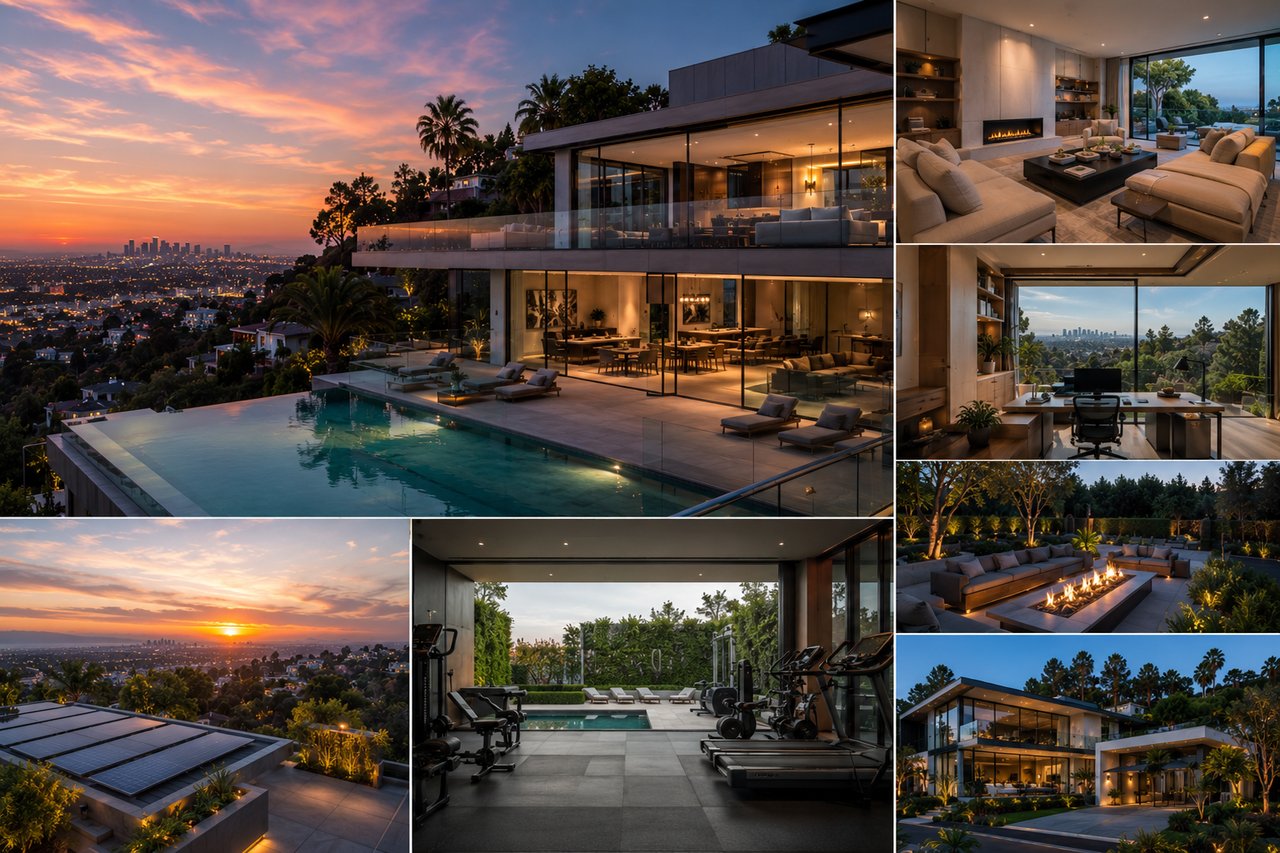
Bel Air properties showcase sophisticated modern design that maximizes spectacular reservoir and canyon views. Stone Canyon residences feature dramatic glass walls, imported Italian marble, and resort-caliber grounds with infinity pools and carefully terraced gardens. Contemporary architecture proves particularly suited to these challenging hillside lots, where cantilevered construction and seamless indoor-outdoor flow become essential design elements.
Pacific Palisades: Coastal Contemporary and Mid-Century
Mid-century modern design defines Pacific Palisades, where properties span from $3 million to over $20 million. The Kappe House, recognized as a Cultural Historical Monument in 1996, sold for $11.50 million with multiple offers arriving within three days. Pierre Koenig's 1963 Beagle House preserves its original condition, featuring floor-to-ceiling glass that frames ocean views stretching from the Palisades to Catalina Island. Karl Klokke and Paul Wuesthoff designed striking avant-garde residences on 1.4-acre parcels, currently priced at $7.995 million.
Holmby Hills: European Estate Architecture
Holmby Hills maintains its reputation through European architectural grandeur, featuring Georgian, Mediterranean, French Chateau, and Neoclassical estates. Renowned architects Paul Williams, Wallace Neff, and Richard Landry created magnificent properties with imported marble, serene Zen gardens, and vineyard-inspired courtyards. The Playboy Mansion's $100 million sale in 2016 represents one of Los Angeles' most legendary properties.
Brentwood and Hidden Hills: Family-Oriented Design Mix
Brentwood properties range from $2.50 million to over $10 million, featuring thoughtfully updated traditional homes where white clapboard facades and pitched roofs create refined family residences. Hidden Hills honors its equestrian roots through expansive 12,000-square-foot ranch-modern designs that incorporate required 4:12 pitched roofs, board-form concrete walls, and beautifully cultivated courtyards.
Comparison Table
Modern vs Traditional Architecture: Essential Insights for Discerning Buyers
Christina Pope understands that luxury real estate decisions extend beyond architectural preference—they reflect lifestyle vision and investment strategy. Each client brings unique needs that require careful attention to detail and market knowledge gained through years of experience with the most sophisticated buyers.
Properties in these exclusive neighborhoods demand expertise that goes beyond surface-level comparisons. The right architectural choice supports long-term satisfaction and financial performance.
Christina Pope — Sotheby's International Realty | EliteResidenceInternational.com
Architectural Style Comparison Table
Market intelligence becomes most valuable when presented clearly and completely. The following comparison draws from years of transaction data across Los Angeles' most prestigious addresses, offering the detailed analysis discerning buyers require when choosing between contemporary and traditional estates.
Christina Pope — Sotheby's International Realty | EliteResidenceInternational.com
| Attribute | Modern Architecture | Traditional Architecture |
|---|---|---|
| Construction Cost per Sq Ft | $1.20M - $2.10M | $800K - $1.50M (Mediterranean/Spanish/Colonial) |
| Construction Timeline | 25% longer than traditional builds | Standard baseline |
| Buyer Preference Rate | 63% prefer open floor plans | 56% prefer customization potential over new construction |
| Property Value Increase Potential | 20%+ with modern features | 2.5x assessed value per acre in historic districts |
| Energy Efficiency Premium | 2-5% additional value | N/A |
| Sales Speed | 30% faster with smart technology | Fewer days on market in established neighborhoods |
| Curb Appeal Premium | 7% higher prices with strong design | 7% higher prices with strong design |
| Market Exposure | May remain longer (smaller buyer pool) | Reduced time in established areas |
| Monthly Maintenance Costs | Less than $25 (73% of new construction) | $100+ monthly (26% of older properties) |
| Annual Energy Costs | Lower due to superior insulation | 17% higher electricity, 38% higher gas costs |
| Key Design Features | Clean lines, floor-to-ceiling windows, open floor plans, flat roofs, minimal ornamentation | Ornate details, compartmentalized rooms, steep roofs, hand-carved elements, stained glass |
| Material Characteristics | Natural materials, glass walls, sustainable building, smart systems | Brick, wood, stone, stucco, clay tile, wrought iron |
| Indoor-Outdoor Integration | Sliding glass doors, folding partitions, horizontal windows | Courtyards, loggias, French doors to porches |
| Privacy Approach | Strategic window placement, interior courtyards | Larger lots, mature landscaping, established setbacks |
| Customization Ease | Easy to customize (minimal design principles) | Requires respecting historical character |
| Maintenance Complexity | Easier (strong materials, less ornamentation) | More complex (intricate details, traditional materials) |
| Lifestyle Fit | 80% of luxury buyers prefer flowing layouts; ideal for entertaining | Better for privacy, dedicated spaces, formal separation |
| Multigenerational Living | Flexible spaces accommodate 17% of transactions | Separate wings maintain proximity and independence |
| Historic Value Appreciation | N/A | 139% over 15 years (historic districts) vs 68% outside |
| Annual Appreciation Rate | N/A | 7.3% in historic districts vs 3.5% non-historic |
| Dominant Neighborhoods | Bel Air ($40M median), Pacific Palisades ($3M-$20M+) | Beverly Hills Gateway ($13M+ median), Holmby Hills |
| Architectural Styles | Minimalist, Contemporary, Mid-Century Modern | Spanish Colonial Revival, Mediterranean, French Chateau, Georgian Colonial |
| Technology Integration | AI-driven systems, centralized platforms, biometric access | Limited or retrofitted |
| Sustainability Features | Solar panels, green building practices, reduced carbon footprint | Traditional materials, natural ventilation |
| Target Buyer Profile | Frequent entertainers, tech-forward, sustainability-focused | Heritage-conscious, privacy-seeking, traditional esthetics |
Note: All data sourced from the article "Affluent Neighborhoods in Los Angeles: How Modern vs Traditional Architecture Shapes Buyer Decisions ". Market conditions reflect 2026 projections and current trends in Los Angeles luxury real estate.
Conclusion
Neither modern nor traditional architecture claims absolute superiority in Los Angeles luxury markets. Each approach delivers strong returns when aligned with buyer priorities and market conditions. Contemporary homes equipped with smart technology close transactions 30% faster and demonstrate 20%+ appreciation potential, while traditional properties in historic districts achieve 139% value increases over fifteen years.
Personal preferences ultimately guide these decisions. Buyers who prioritize open-concept entertaining and sustainable living gravitate toward modern designs. Those valuing handcrafted details and established neighborhood character choose traditional estates. Both paths offer solid investment performance when properties match lifestyle needs and long-term objectives.
The right home transforms how you live and entertain. For buyers ready to explore properties designed for elevated living, Christina Pope provides the expertise and connections that matter most. 310-404-9931 [email protected].
Key Takeaways
Understanding how architectural style influences luxury real estate decisions in Los Angeles' most affluent neighborhoods reveals critical insights for buyers navigating this exclusive market.
• Modern homes command premium construction costs ($1.2M-$2.1M per sq ft) but sell 30% faster with smart technology integration
• Traditional properties in historic districts appreciate 139% over 15 years versus 68% for non-historic homes, proving heritage value
• Open floor plans attract 63% of luxury buyers, while 56% prefer customizable traditional homes over new construction
• Contemporary estates offer 20%+ appreciation potential and lower maintenance costs, but traditional homes provide proven market stability
• Neighborhood location determines architectural preference: Bel Air favors modern hillside designs ($40M median) while Beverly Hills Gateway prefers traditional estates ($13M+ median)
The choice between modern and traditional architecture ultimately reflects personal lifestyle needs, entertainment preferences, and long-term investment strategy rather than a clear market winner.
FAQs
Q1. Which Los Angeles neighborhoods are considered the most affluent? Beverly Hills Gateway, Bel Air Estates, Holmby Hills, Pacific Palisades, and Hidden Hills rank among the wealthiest neighborhoods in Los Angeles. Beverly Hills Gateway commands median values near $13 million, while Bel Air properties average around $40 million. These areas are known for their luxurious estates, exclusive amenities, and high-profile residents.
Q2. Is traditional architecture more expensive to build than modern architecture? Traditional architecture typically costs less to construct than modern designs. Mediterranean and Spanish-style homes range from $800,000 to $1.50 million per square foot, while contemporary homes command $1.20 million to $2.10 million per square foot. Modern construction also requires 25% more time than traditional builds due to specialized labor and exacting tolerances.
Q3. Do modern homes sell faster than traditional homes in luxury markets? Modern homes equipped with smart technology sell approximately 30% faster than properties without these features. However, traditional properties in established neighborhoods often spend fewer days on market due to community appeal and mature landscaping. The typical home remains listed for 66 days, though architectural style and location significantly influence this timeline.
Q4. Which architectural style offers better long-term value appreciation? Both styles demonstrate strong appreciation under different circumstances. Modern homes with contemporary features show potential value increases of 20% or more, while traditional properties in historic districts have appreciated 139% over fifteen years compared to 68% for non-historic homes. Historic district properties also show annual appreciation rates of 7.3% versus 3.5% for non-historic areas.
Q5. What are the main maintenance cost differences between modern and traditional luxury homes? Modern homes typically require lower maintenance costs, with 73% of new construction homeowners spending less than $25 monthly. In contrast, 26% of owners in older traditional properties spend $100 or more monthly on maintenance. Additionally, older homes incur 17% higher electricity costs and 38% more for gas annually, though modern builds cost more initially.