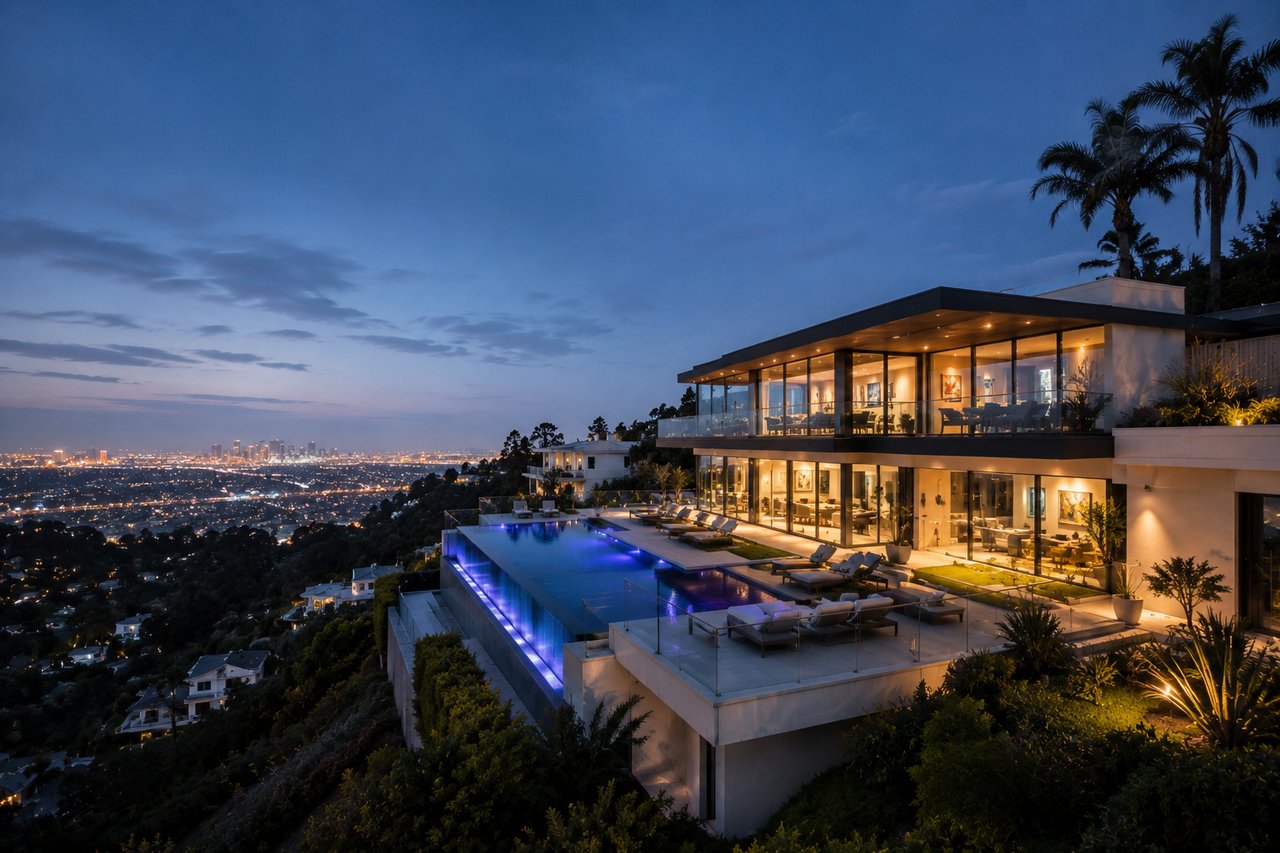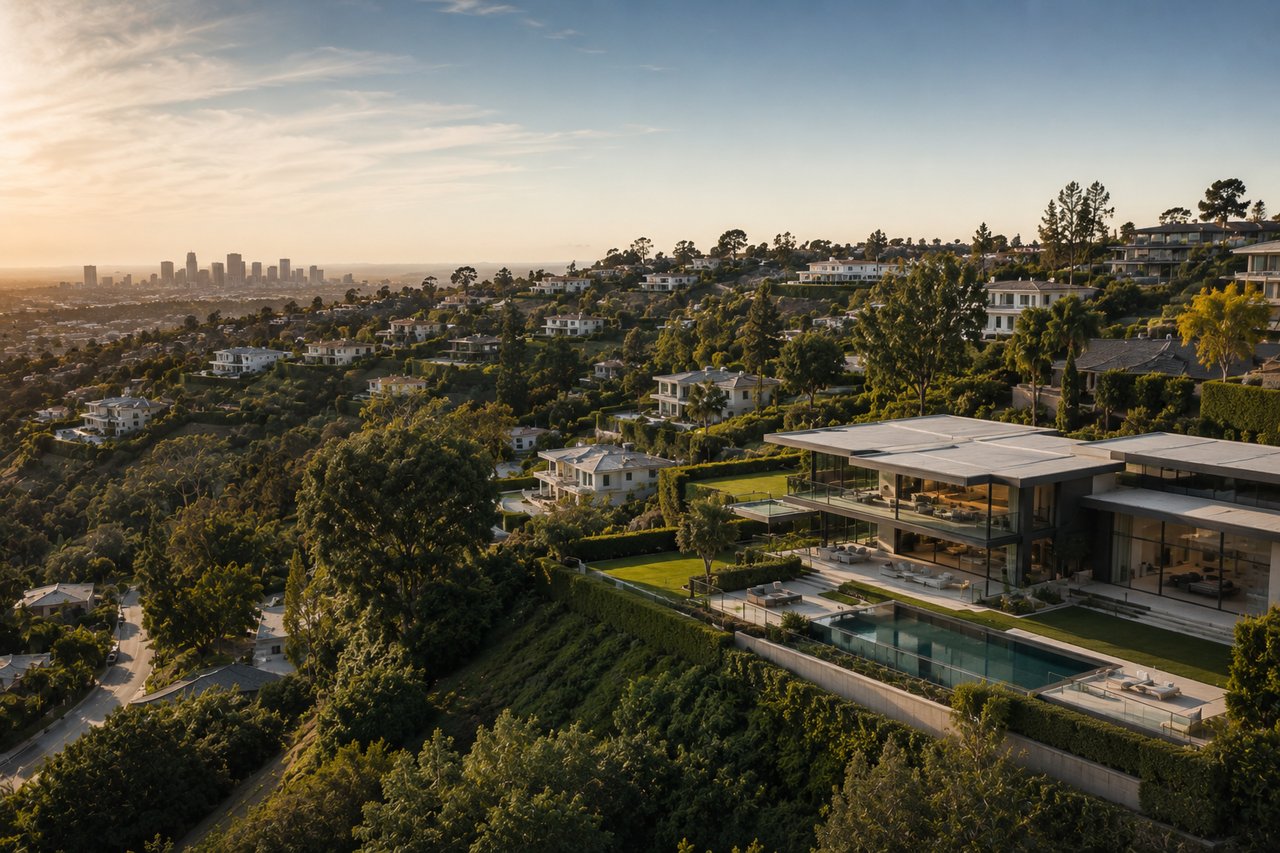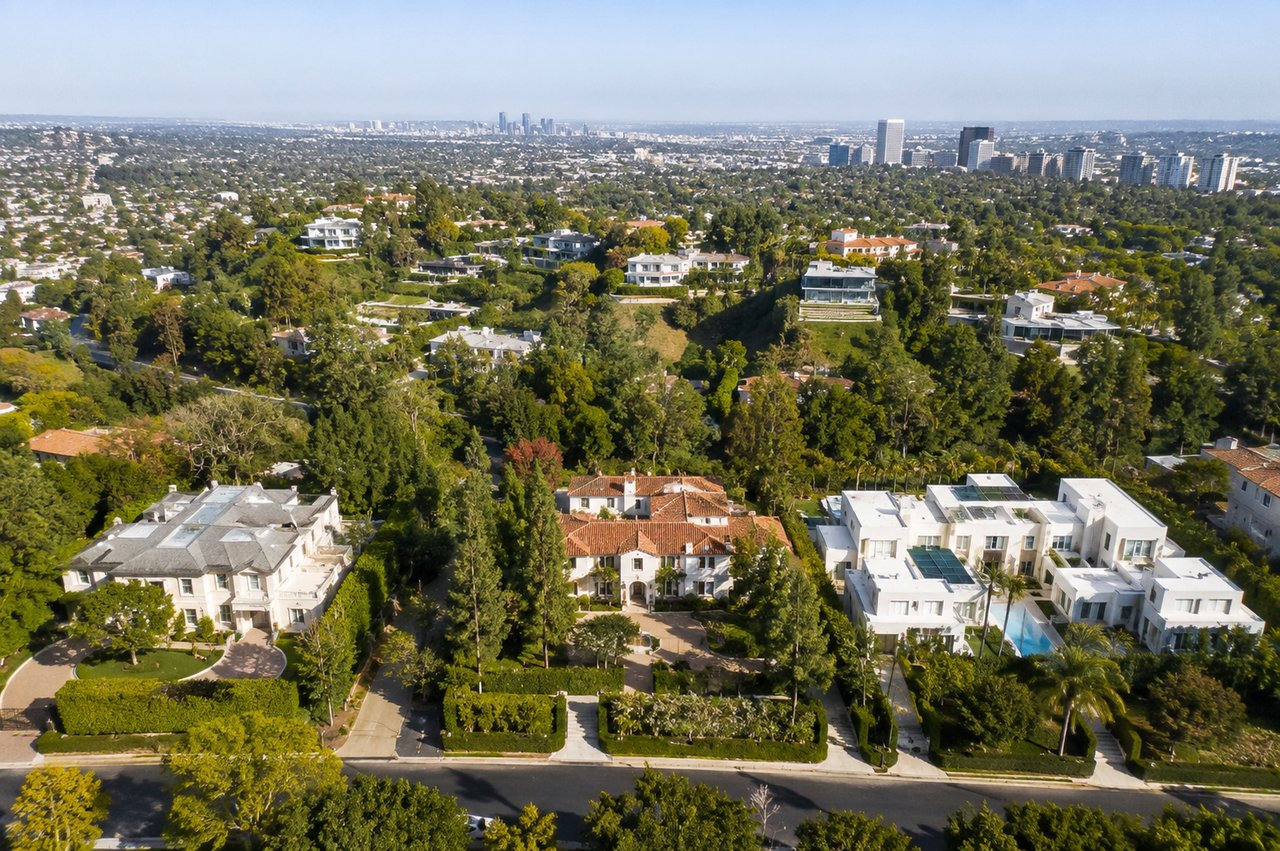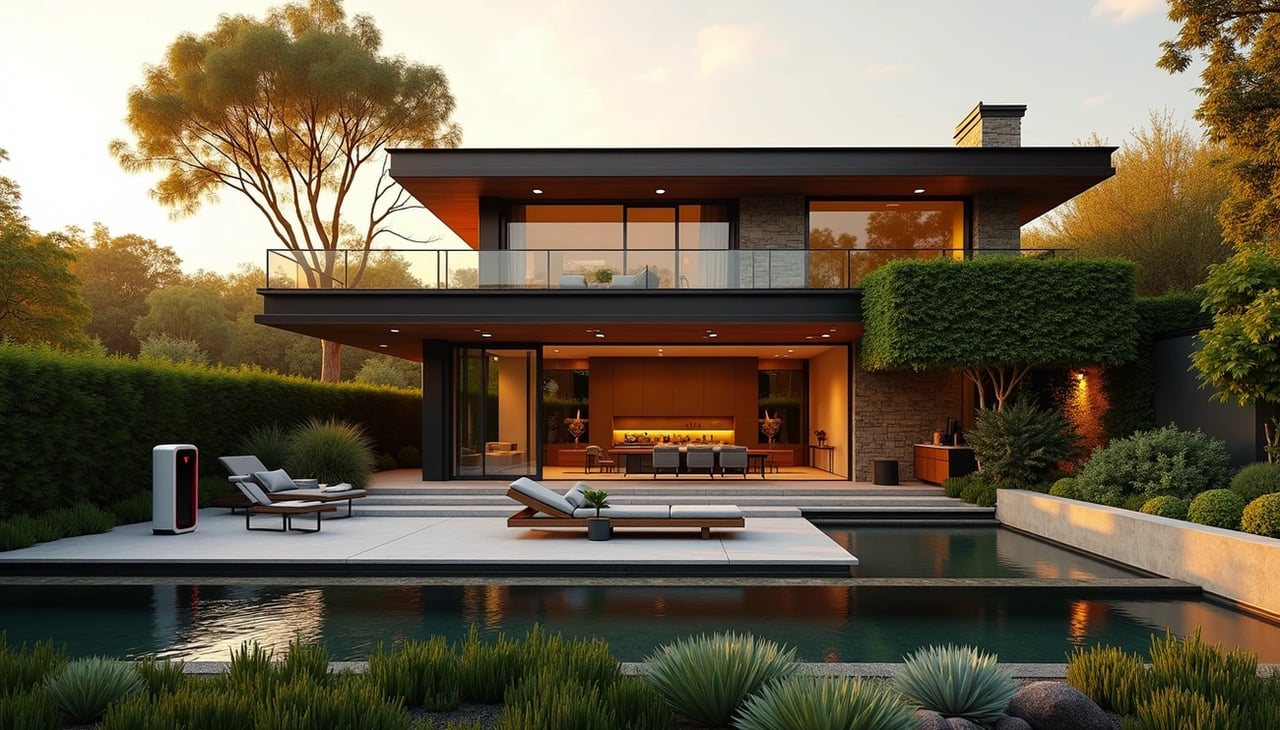
Luxury real estate news shows how wealthy buyers' priorities have changed dramatically. They no longer chase flashy features and status symbols. High-end property buyers now focus on creating value through eco-friendly investments—market experts call it "smart luxury". This fundamental change shows a mature market where practical benefits matter more than prestige.
Sustainability has grown from a passing trend to become a key driver in the luxury real estate market. European luxury buyers' preferences prove this point—49 percent see energy performance as essential, while 43 percent rate it as important. The trend extends beyond Europe, as wealthy buyers worldwide look for properties with green technologies, energy-saving systems, and sustainable materials.
Practical concerns and environmental awareness shape today's luxury property market. A Coldwell Banker survey reveals that 45 percent of their Luxury Property Specialists see more Gen X buyers who want flexible layouts and multi-generational living spaces. These buyers prefer LEED-certified homes equipped with solar panels and energy-efficient designs. The message rings clear: modern luxury real estate surpasses mere opulence by embracing sustainability, functionality, and long-term value creation.
Strategic luxury buying replaces status-driven decisions
The luxury property investment landscape looks different in 2025. Wealthy buyers no longer see high-end real estate as just status symbols or safe spots during economic uncertainty. They now use strict investment criteria for purchases, which has created a more sophisticated market that focuses on real value.
Why 'safe haven' buying is fading
Rich investors no longer see premium property as a simple shelter for their wealth. High-net-worth individuals (HNWIs) now look for specific strategic criteria in their purchases. Economic uncertainty has made even the wealthy more careful. Yet about 68 percent of luxury specialists say buyers continue to invest in real estate or expand their holdings. This suggests they still trust property to preserve wealth, but they're more selective now.
The rise of ROI-focused purchases
Luxury buyers today care more about investment potential than fancy features. Experts call this new mindset "smart luxury". Numbers back this up - 30 percent of luxury specialists see strategic buying as a key market force. Properties that offer growth potential, cheaper upkeep through modern materials, and better resale value get the most attention. This focus on returns has created a gap between active ultra-wealthy buyers and more cautious "aspirational" luxury buyers with $1-5 million in net worth.
How liquidity and tax efficiency now lead decisions
Cash deals dominate luxury transactions in 2025. Over half of the agents report a big rise in cash purchases. Only 3.9 percent saw fewer cash buyers. High borrowing costs and better negotiating power drive this trend toward liquid deals. Quick closings and clear terms matter more than headline prices now. Tax planning shapes buying choices too, as strategic buyers watch property taxes that can affect their returns.
One insider calls today's luxury real estate a "smart market." Here, value means more than price per square foot - it covers craftsmanship, location, and emotional connection.
Sustainability becomes the new standard in luxury real estate
"Sustainability has graduated from being a niche trend to being a standard expectation in the luxury real estate market." — Beverly Golf Avenue, Luxury Real Estate Market Analysis Platform
Sustainability has transformed from a luxury add-on into a basic requirement for affluent homebuyers. Climate extremes last year - from floods to wildfires - have made environmental factors the key driver in high-end real estate decisions. Wealthy buyers now want their homes to showcase both their style preferences and personal values. Sustainability has become central to modern luxury living.
Green certifications and energy ratings
LEED and BREEAM certifications have evolved beyond optional features to become quality markers. Properties with these credentials command premium valuations and attract environmentally conscious buyers who seek homes with proven green performance. Energy Star remains the most recognized rating, though buyers now understand many more green certifications. These standards assess everything from energy efficiency to water management, material choices, and indoor environmental quality.
Low-carbon materials and smart energy systems
Modern luxury properties blend reclaimed wood, natural stone, recycled steel, and innovative low-carbon materials like calcined clay. Energy-efficient systems such as solar panels, geothermal heating, and smart home integration reduce environmental footprint while providing practical advantages. High-performance HVAC systems, advanced insulation, and energy-monitoring tools help homeowners track and control their consumption.
Sustainable retrofitting of older properties
Progressive developers prefer adaptive reuse over demolishing historic structures. They install high-performance glazing, energy-efficient systems, and design layouts that maximize natural light and outdoor access. This strategy preserves neighborhood character while cutting waste and emissions. Research shows that updating existing buildings almost always proves greener than new construction, with immediate climate benefits.
Generational shift toward ESG-aligned investments
Young wealthy investors lead this transformation by seeing their homes as extensions of their values. These buyers define legacy through creating positive change now, not just wealth preservation. Nearly 80% of younger investors want to reduce consumption and put their money into sustainability rather than focusing solely on financial returns.
Impact on property valuation and resale
Sustainable features boost property values substantially. Green-certified homes sell at higher prices, with LEED-certified buildings earning up to 20% more in rental rates than standard properties. Financial benefits include reduced operating costs, possible tax incentives, and stronger market appeal.
Design shifts from spectacle to wellness and function

Image Source: Sarah Barnard Design
"Biophilic design, where nature is brought inside through large windows, living walls, and indoor gardens, is also becoming the hallmark for many luxury homes." — Beverly Golf Avenue, Luxury Real Estate Market Analysis Platform
Rich homeowners now prefer practical design elements that improve their physical and mental well-being. This change toward functional luxury puts health-focused features ahead of showy displays of wealth. The market has matured, and buyers want homes that support their lifestyle needs beyond just looking good.
Indoor-outdoor living and flexible layouts
Premium properties must have smooth indoor-outdoor flow. Large windows, sliding glass doors, and open-plan designs let natural light flood in and create a natural connection with the outdoors. These spaces make homes feel bigger and work better for relaxation and entertaining. Floor-to-ceiling windows and wall-to-wall retractable doors give luxury homes a floating feel that blends indoor and outdoor living spaces.
Biophilic design and air quality improvements
Biophilic design—bringing nature inside—has become one of the foundations of modern home design. Living walls, natural materials, and organic patterns feed our natural connection to nature and boost physical and mental health. Air purification systems and water filtration technology are now standard features. Air purifier sales will likely double worldwide by 2030. These upgrades help people sleep better, feel less stressed, and think more clearly.
Wellness spaces: gyms, spas, and meditation rooms
Dedicated wellness areas are perhaps the most important change in luxury home design. Modern fitness studios with special lighting, sound systems, and equipment work alongside spa-style bathrooms that have steam rooms, heated floors, and chromotherapy lighting. Meditation rooms use natural light, calm colors, and organic materials to create peaceful spaces for mental clarity. These thoughtful spaces show buyers want homes that actively support their physical and emotional health.
Minimalism and personalization in interiors
Today's luxury interiors focus on refined simplicity. Clean lines, natural materials, and soft colors have replaced busy patterns and decorative clutter. This move toward minimalism gives homeowners a chance to showcase carefully chosen statement pieces against neutral backgrounds. Multi-purpose spaces with adaptable, subtle furniture keep rooms open without losing comfort or practicality. The result is a sophisticated space that reflects the owner's personality.
Liquidity and simplicity define success in 2025
Cash transactions now rule the ultra-luxury real estate world in 2025. The market rewards quick, simple deals with the greatest success. Knowing how to close quickly and cleanly matters more than almost anything else in high-end property transactions. This shows a radical alteration in how wealth flows through real estate.
Why cash deals are dominating
The numbers paint a clear picture. Nearly half of luxury homes sold in early 2025 were bought with cash. Properties above $1 million saw over 40% of deals with no financing. This number jumps above 50% for homes worth more than $2 million. A record 45% of affluent homebuyers used cash in Q1 2025 - the highest in at least a decade. Wealthy buyers skip traditional financing to gain an edge in negotiations and dodge high interest rates.
The role of clear terms and fast closings
Success in transactions now depends on speed and simplicity. Cash deals remove financing contingencies and speed up closings. Quick transactions cut extra costs like extended mortgage rate locks and carrying expenses. Digital tools such as e-signatures and virtual meetings are a great way to get faster paperwork and discussions. Clear communication channels stop the confusion that often slows down closings.
How sellers are adapting to cautious buyers
Smart sellers have adjusted to new market demands. Turnkey properties—fully furnished, designer-curated homes in pristine condition—attract the most attention. As one expert notes, "Often, saving time and avoiding everyday hassles are the real luxuries". Competitive pricing remains crucial, but sellers with properties that have sought-after amenities in trophy markets can still demand premium prices. Quality, presentation, and move-in readiness matter more now as sellers try to stand out in a market where buyers take their time and expect the best.
Conclusion
Luxury real estate has without doubt grown beyond flashy displays of wealth. Wealthy buyers in 2025 showed a remarkable transformation toward "smart luxury." They now prioritize sustainable features, wellness-focused designs, and mutually beneficial investment potential.
The market has matured with buyers who want their properties to deliver real returns and environmental responsibility. LEED certifications, biophilic elements, and energy-efficient systems are now the foundations of high-end homes. The focus on indoor-outdoor living spaces and dedicated wellness areas shows how today's wealthy buyers want homes that boost their physical and mental wellbeing.
Cash transactions now rule successful deals, which proves how liquidity and simplicity matter most. Buyers who can close quickly with clear terms have an edge that's almost as valuable as the property itself. They now exercise more selectivity and patience in their purchases.
The luxury real estate market has ended up in a new era. True value now includes way more than price per square foot or prestigious zip codes. Modern sophisticated buyers know that genuine luxury exists in properties that match their values, improve their lifestyle, and serve as sound investments. The market's message stays clear - sustainable, functional luxury has replaced conspicuous consumption as premium real estate's defining standard.
Key Takeaways
The luxury real estate market has fundamentally transformed in 2025, with wealthy buyers prioritizing strategic value over status symbols. Here are the essential insights driving this new era:
• Strategic buying replaces status purchases: Affluent buyers now focus on ROI, tax efficiency, and liquidity rather than prestige, with cash deals dominating over 50% of transactions above $2 million.
• Sustainability becomes non-negotiable: Nearly 49% of luxury buyers consider energy performance essential, with LEED-certified properties commanding up to 20% higher values and faster sales.
• Wellness trumps spectacle in design: Modern luxury prioritizes biophilic elements, indoor-outdoor living, and dedicated wellness spaces over flashy amenities that don't enhance daily life.
• Speed and simplicity drive success: Properties offering turnkey conditions, clear terms, and fast closings significantly outperform those requiring extensive negotiations or renovations.
• Green retrofitting preserves value: Adaptive reuse of existing properties with sustainable upgrades proves more environmentally beneficial and cost-effective than new construction.
This shift represents a permanent evolution where true luxury means properties that align with personal values, support wellbeing, and deliver measurable returns—marking the end of conspicuous consumption as the primary driver of high-end real estate decisions.
FAQs
Q1. What are the key trends shaping luxury real estate in 2025? The luxury real estate market in 2025 is characterized by a focus on sustainability, wellness-oriented design, and strategic buying. Buyers prioritize energy-efficient features, biophilic elements, and properties that offer strong return on investment potential.
Q2. How important is sustainability in luxury real estate? Sustainability has become a standard expectation in luxury real estate. Nearly half of European luxury buyers consider energy performance essential, and properties with green certifications like LEED can command up to 20% higher values.
Q3. What design features are most sought after in luxury homes? Luxury homes now emphasize indoor-outdoor living, flexible layouts, and dedicated wellness spaces. Features like large windows, open floor plans, home gyms, spa-like bathrooms, and meditation rooms are highly desirable.
Q4. How has the luxury real estate buying process changed? Cash transactions now dominate the luxury market, with nearly half of high-end homes purchased entirely with cash. Buyers prioritize clear terms, fast closings, and turnkey properties that offer simplicity and immediate move-in readiness.
Q5. Are older luxury properties still in demand? Yes, but with a focus on sustainable retrofitting. Many buyers and developers now favor adaptive reuse of existing structures, upgrading them with energy-efficient systems and modern amenities. This approach preserves neighborhood character while reducing environmental impact.