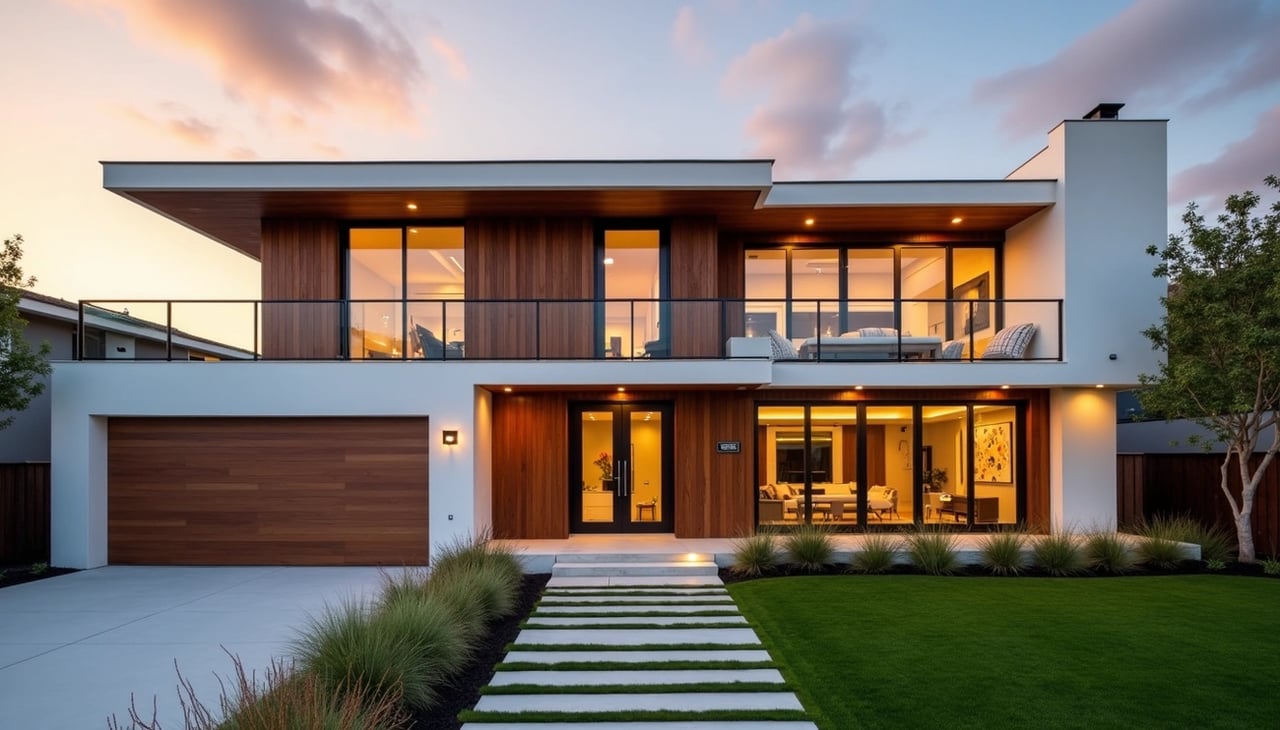
The luxury real estate landscape in Los Angeles tells a story that rarely makes headlines. Most premium transactions occur behind closed doors, where high-net-worth buyers express clear preferences for modern transitional design over traditional opulence. These properties never appear on public listings, yet they represent the most significant shift in luxury home preferences among discerning clientele.
Christina Pope has witnessed this evolution firsthand through her work with international buyers and exclusive Beverly Hills properties. Her clients consistently seek homes that marry contemporary clean lines with enduring comfort—spaces that achieve sophistication without sacrificing livability. This preference reflects a deeper understanding of what luxury means today.
Modern transitional homes offer something that pure contemporary and traditional styles cannot: balance. They provide the streamlined elegance today's buyers expect while maintaining the warmth and functionality that makes a house truly livable. This approach creates properties that serve both immediate lifestyle needs and long-term investment goals.
The following exploration reveals what defines modern transitional interior design, examines why Los Angeles's most selective buyers choose this style over ornate alternatives, and provides practical guidance for implementing modern transitional elements throughout living spaces, kitchens, and beyond for properties that maintain their appeal across market cycles.
Understanding Modern Transitional Style
Defining Modern Transitional Architecture
Transitional architecture emerged in the late 1960s as a sophisticated response to the limitations homeowners discovered in pure modernist design. The style evolved when discerning property owners recognized the need for something beyond the stark choices between ornate traditional moldings with rich colors and the sleek lines with neutral palettes that defined modern esthetics. Modern transitional architecture combines clean lines, large glass panels, and open-concept floor plans while incorporating traditional elements such as natural materials and comfortable furnishings that actually enhance daily living.
Pure modernism created problems that luxury homeowners could not ignore. All-glass houses left residents feeling uncomfortable and exposed, while spaces stripped of architectural detail lost their human scale and proportions. Modern transitional homes solved these issues by preserving the roof types and proportional relationships found in traditional designs while incorporating the flowing open spaces that early modernist movements developed. Quality execution of this approach produces buildings that achieve both elegance and timeless appeal.
The Balance Between Comfort and Sophistication
The most successful transitional interiors achieve what many luxury buyers seek: harmony between opposing forces—luxury paired with comfort, masculine elements balanced with feminine touches, and carefully selected antiques mixed with contemporary pieces. Traditional design often overwhelms with excessive ornamentation, while contemporary décor can feel sterile and unwelcoming for daily life. Transitional interiors extract the finest elements from both approaches, combining curved and straight lines within uncluttered, polished spaces that serve real families.
Restraint defines this design philosophy. Furniture selections emphasize straightforward sophistication, with pieces featuring crisp lines and right angles sharing rooms with furniture displaying softer, more rounded profiles. This careful curation creates environments that support both functionality and visual appeal, ensuring rooms serve their intended purposes while maintaining the refined atmosphere luxury buyers expect. Modern transitional homes offer less ornamentation than traditional properties while providing more warmth and invitation than contemporary design typically delivers.
Common Features in Modern Transitional Homes
Quality transitional properties display specific characteristics that experienced buyers recognize immediately. The design foundation relies on neutral color palettes featuring whites, creams, browns, grays, and taupes that provide sophisticated backdrops for furnishings and art. These carefully selected color schemes gain visual interest through texture rather than busy patterns, incorporating materials such as nubby throws, velvet upholstery, and metallic accents that create depth without visual chaos.
Floor plans emphasize connectivity, with kitchens flowing into great rooms and dining areas that update traditional layouts with contemporary spatial relationships. Exteriors feature streamlined designs with generous windows, utilizing traditional materials like wood siding and stone in applications that feel current rather than dated. The material palette thoughtfully blends natural elements including hardwood and stone with modern components such as glass and steel, achieving visual richness while avoiding overwhelming compositions.
Why LA Luxury Real Estate Is Moving Away from Traditional Design
Luxury real estate in Los Angeles operates through private conversations and exclusive networks rather than public spectacle. Christina Pope at Sotheby's International Realty and EliteResidenceInternational.com understands that the most significant transactions unfold quietly, where discretion carries weight equal to value. For those seeking premium properties, precision matters more than visibility.
The New Generation of High-Net-Worth Buyers
Millennials now represent the largest group of homebuyers in the market, fundamentally reshaping luxury real estate preferences. These buyers arrive with career success and dual incomes, seeking modern transitional homes that support their lifestyles without unnecessary ornamentation. Nearly 80% of luxury specialists report that buyers want flowing layouts with easy, informal transitions, while about 70% note that new-construction homes have risen in popularity over the past year. This demographic values turnkey arrangements with sleek, open layouts and smart technology for everyday ease.
Lifestyle Changes Driving Design Preferences
Wellness amenities now drive purchasing decisions as buyers prioritize holistic health and environmental stewardship. Properties featuring meditation rooms, spa-inspired bathrooms, and natural light systems command premium attention. Flexible spaces that seamlessly shift purpose appeal particularly to those who work from home or run their own businesses, reflecting the need for multipurpose functionality. Modern transitional interior design answers these requirements by blending comfort with sophistication.
The Desire for Understated Elegance
Quiet luxury defines the aesthetic shift away from traditional opulence. This approach emphasizes high-quality materials, timeless design, and sophisticated style that whispers rather than shouts. Buyers gravitate toward neutral palettes, expert craftsmanship, and natural light over ornate details. The style reflects an "old money" sensibility where quality speaks louder than logos.
Off-Market Transactions and Design Trends
Approximately 25% of luxury deals now happen without touching the Multiple Listing Service. California sellers using off-market channels lose around $30,000 per property compared to MLS-listed homes. Privacy-conscious buyers accept these trade-offs willingly. Off-market transactions allow control over who sees properties and how information spreads, particularly valuable for high-profile individuals.
Implementing Modern Transitional Design in Your Home
Successful modern transitional design requires deliberate decisions that serve both immediate comfort and long-term value. Christina Pope guides her clients through these choices, understanding that each element must work both independently and as part of a cohesive whole.
Transitional Living Room Ideas That Work
The foundation begins with neutral palettes—beige, gray, and taupe create the canvas for everything else. Texture becomes the primary tool for creating interest. Velvet upholstery paired with rattan accents and dimensional rugs builds depth without overwhelming the space. Furniture mixing works best when traditional forms meet modern upholstery, with coordinated neutral tones keeping contrast subtle yet effective.
Creating a Modern Transitional Style Kitchen
Shaker-style cabinets deliver the perfect balance—clean lines rooted in classical construction. These pair beautifully with quartz or marble countertops, while soft whites and greiges maintain the neutral foundation. Modern appliances in stainless steel or integrated finishes complete the look without competing for attention. Pendant lighting offers the ideal opportunity to add personality while respecting the overall restraint.
Selecting Furniture with Dual Appeal
The most successful pieces blend classic silhouettes with contemporary fabrics. Sofas benefit from gentle curves and clean profiles—avoiding both ornate traditional excess and stark modern coldness. Quality construction trumps quantity every time, a principle Christina emphasizes with clients building collections that will endure.
Lighting Choices for Transitional Spaces
Fixture selection requires careful material consideration. Brushed nickel, clear glass, and bronze work beautifully while ornate details detract from the overall goal. The best chandeliers and pendants achieve balance between traditional motifs and contemporary forms. Mixing modern and vintage fixtures within the same space adds visual interest when done thoughtfully.
Architectural Details That Define the Style
Coffered ceilings gain modern relevance through clean insets. Simple crown molding and trim details provide traditional character without excess ornamentation. Wainscoting and shiplap accent walls contribute texture where needed.
Working with Materials and Finishes
Material combinations create visual richness—wood, stone, metal, and glass work together when proportions remain balanced. Neutral flooring in hardwood or engineered wood requires protective finishes for durability in high-traffic luxury homes. Unlacquered brass and greige accents contribute warmth without overwhelming the palette.
The Future of Luxury Home Design in Los Angeles
Sustainability Meets Transitional Esthetics
Environmental responsibility has become standard expectation rather than optional consideration, particularly among younger wealthy buyers. Data analysis by NoTriangle Studio reveals that transitional homes were deemed the most valuable style in West Coast states such as Washington and Oregon. The neutral color schemes, minimalist lines, and openness of modern transitional homes suit West Coast esthetic preferences while remaining adaptable to evolving interior design preferences.
Natural materials drive this evolution. Wood delivers warmth, versatility, and durability that ages gracefully through various renovation cycles. Eco-friendly materials including reclaimed wood, recycled metal, and low-VOC paints now define luxury properties without sacrificing esthetics. Properties that successfully balance environmental stewardship with uncompromising design maintain distinct advantages in the competitive market.
How Christina Pope and Elite Agents View the Market
Christina Pope's refined global perspective shapes her approach to Los Angeles luxury real estate. Her experience in Dubai's competitive market, combined with her specialization in premier properties throughout Beverly Hills and the Hollywood Hills, provides unique insight into evolving buyer preferences. Today's high-net-worth buyers seek authenticity and craftsmanship over generic luxury, preferring properties that communicate stories through thoughtful material choices and design integrity.
Long-Term Value of Transitional Design Choices
Properties featuring cohesive design, durable finishes, and enduring esthetics consistently command higher resale prices. Flexible layouts and classic designs maintain their appeal across different buyer demographics. Adaptable layouts ensure properties remain both appealing and functional as lifestyle needs shift over time.
Conclusion
Modern transitional design has proven its worth among Los Angeles's most discerning property buyers. The style delivers what matters most to high-net-worth buyers: homes that combine immediate livability with enduring appeal.
Quality materials, thoughtful proportions, and flexible spaces create properties that serve families well regardless of changing trends. These homes offer something increasingly rare in luxury real estate—authenticity paired with sophistication.
Christina Pope has seen firsthand how properties with this balanced approach maintain their desirability across market cycles. Her clients appreciate homes that reflect their success without announcing it, spaces that provide comfort without compromising elegance.
The most successful luxury properties tell stories through careful material choices and design integrity rather than ostentatious displays. This approach ensures that investments remain sound while creating environments where families truly want to live.
Key Takeaways
Modern transitional design is revolutionizing LA's luxury real estate market by offering sophisticated alternatives to traditional opulence that today's discerning buyers actually want.
• Millennials drive luxury market shift: The largest homebuyer demographic now prefers clean lines, open layouts, and smart technology over ornate traditional features in high-end properties.
• Neutral palettes maximize long-term value: Homes using whites, grays, and taupes with quality materials like quartz countertops and hardwood floors maintain appeal across market cycles.
• Off-market transactions favor understated elegance: 25% of luxury deals happen privately, where quiet luxury and craftsmanship matter more than flashy design statements.
• Sustainability meets sophistication: Eco-friendly materials and energy-efficient features are now standard expectations, not premium add-ons, for wealthy buyers.
• Flexible spaces command premium prices: Open-concept layouts that adapt to work-from-home needs and lifestyle changes consistently outperform rigid traditional floor plans.
The most successful luxury properties balance timeless comfort with contemporary functionality, creating homes that whisper sophistication rather than shout status. This approach ensures both immediate livability and lasting market appeal in LA's competitive luxury segment.
FAQs
Q1. What exactly is modern transitional design and how does it differ from traditional or contemporary styles? Modern transitional design is a balanced approach that combines the clean lines and open layouts of contemporary architecture with the warmth and comfort of traditional design. Unlike traditional homes with ornate details and heavy ornamentation, or stark contemporary spaces that can feel cold, transitional design uses neutral color palettes, quality materials, and streamlined furniture to create sophisticated yet livable spaces. It emerged in the late 1960s as homeowners sought to blend the best elements of both styles without committing to either extreme.
Q2. Why are wealthy buyers in Los Angeles choosing transitional homes over traditional luxury properties? High-net-worth buyers, particularly millennials who now represent the largest homebuyer demographic, prefer transitional design because it supports their lifestyle needs without unnecessary ornamentation. They value turnkey properties with open floor plans, smart technology integration, and wellness amenities like spa-inspired bathrooms and natural light systems. These buyers seek understated elegance and quality craftsmanship over flashy traditional opulence, prioritizing homes that feel both sophisticated and comfortable for everyday living.
Q3. What are the essential features to include when creating a transitional kitchen? A successful transitional kitchen combines Shaker-style cabinets for their clean lines and classical construction with modern elements like quartz or marble countertops. Use neutral color schemes in soft whites and greiges, incorporate stainless steel or integrated appliances, and add personality through pendant lighting that balances traditional and contemporary forms. The key is maintaining simplicity while ensuring functionality, avoiding both ornate traditional details and overly stark modern esthetics.
Q4. How does modern transitional design maintain long-term property value? Transitional homes maintain their value through timeless esthetics, quality materials, and flexible layouts that appeal to buyers across different market cycles. Properties with neutral color palettes, durable finishes like hardwood floors, and adaptable open-concept spaces remain relevant as design trends evolve. The style's balanced approach avoids dated elements while incorporating classic features that age gracefully, making these homes consistently attractive to future buyers.
Q5. What role does sustainability play in modern transitional luxury homes? Sustainability has become a standard expectation rather than a premium feature in luxury transitional homes. Buyers now prioritize eco-friendly materials including reclaimed wood, recycled metal, and low-VOC paints that don't compromise esthetics. Natural materials like wood and stone not only provide warmth and durability but also align with environmental responsibility. Properties that successfully integrate sustainable features with sophisticated design position themselves advantageously in the competitive luxury market.