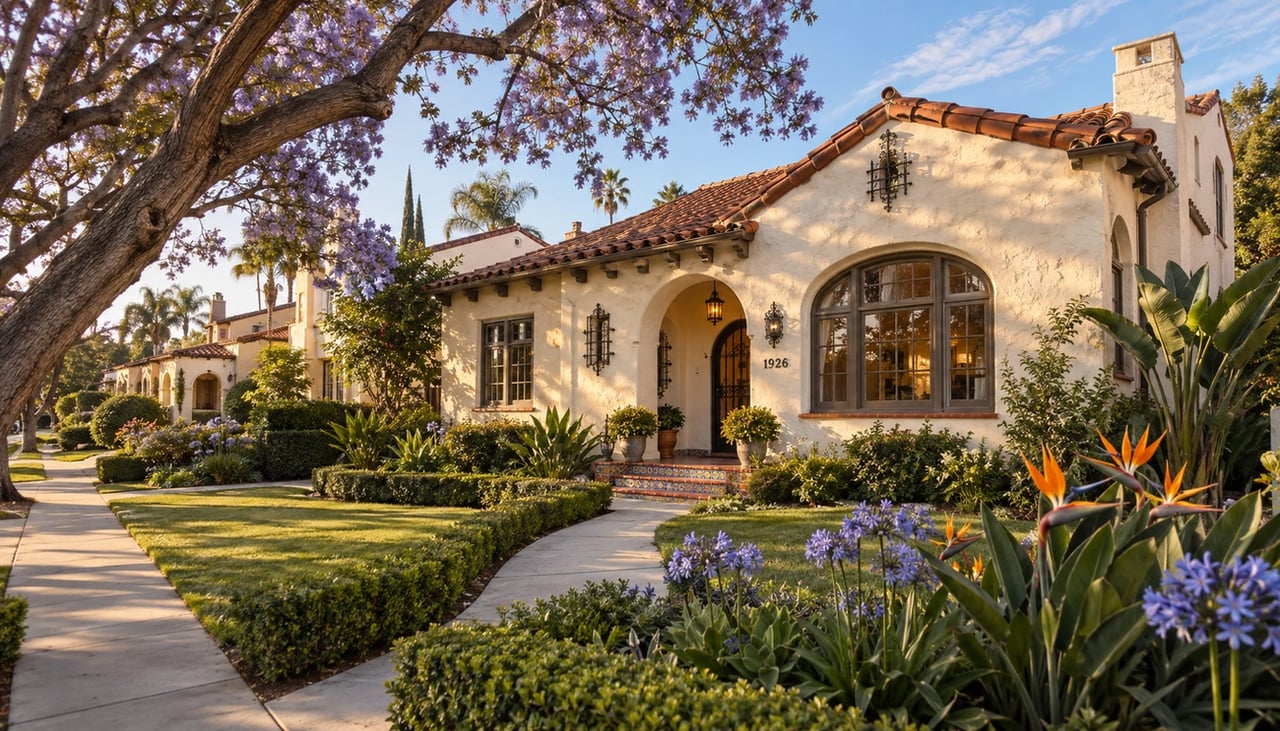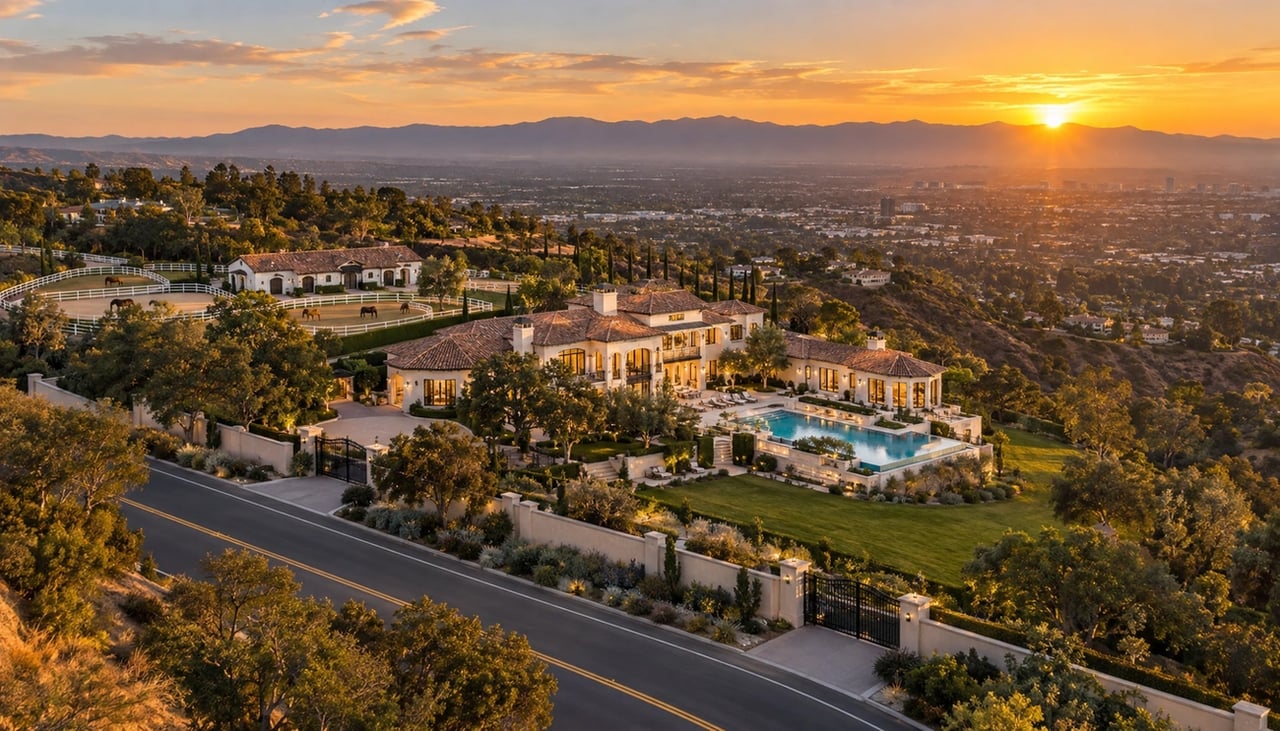
Pacific Palisades occupies a rare position between the Santa Monica Mountains and the Pacific Ocean, drawing 23,717 residents who value both coastal access and genuine neighborhood character. The most significant transactions here move through trusted networks, where discretion and timing carry as much weight as the listing itself. Market pricing ranges from entry luxury at $3 million to $5 million, core luxury at $5 million to $10 million, and ultra-luxury above $10 million and within each tier, coastal bluff parcels come with a distinct set of geological considerations that deserve careful attention before closing. Buyers evaluating luxury homes for sale in Pacific Palisades, CA will want a clear picture of erosion exposure, geotechnical requirements, and the financial responsibilities that accompany bluffside ownership.
Pacific Palisades Coastal Bluff Properties: Where Erosion Risk Concentrates
"Because bluffs are composed mainly of sedimentary rocks such as sandstones and shales they are particularly prone to erosion." — California Coastal Commission, State agency responsible for coastal management
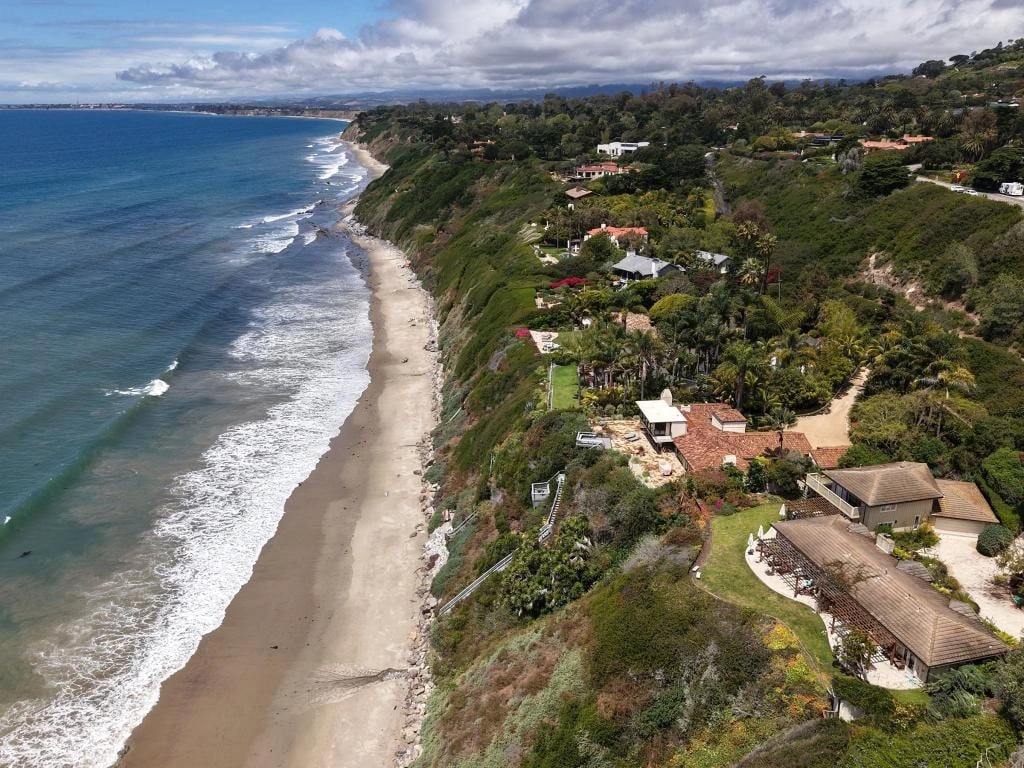
Castellammare carries the highest erosion exposure among pacific palisades real estate holdings. The neighborhood's winding streets with Italian names sit atop seaside bluffs, and the ocean views that command property premiums come paired with geological vulnerabilities that warrant a close look. Huntington Palisades, positioned closest to Will Rogers State Beach on low-slope bluffs, draws buyers with its coastal architecture and beachfront character. Geotechnical due diligence and potential Coastal Development Permits are required considerations for bluff and near-coastal sites in both neighborhoods.
Documented erosion rates in comparable Southern California bluff properties reach 0.52 feet annually, which amounts to roughly 39 feet of retreat across a 75-year span. Bluff composition ranging from silt and fine gravel to coarse gravel and boulders directly influences how quickly that retreat occurs. Vegetation offers a natural buffer, with root systems binding soil and surface foliage absorbing the impact of rainfall. Groundwater movement, drainage patterns, and wave action at the bluff base each add their own pressure to the system.
Weakly cemented sand bluffs are particularly susceptible to wave oversteepening, with slope inclinations reaching 65 degrees at the point of incipient failure. The January 2025 fire sharpened these concerns considerably. Several beachfront properties destroyed in the fire no longer have functioning seawalls, leaving stretches of coastline unprotected and allowing erosion to push close to Pacific Coast Highway. Officials red-tagged multiple parcels as an immediate safety response, restricting access to sites with deteriorating coastal embankments.
Geotechnical Investigation Requirements Before You Close
Any addition to a building on a coastal bluff regardless of square footage triggers mandatory geotechnical reporting. Santa Cruz County requires geotechnical investigations for all new single-family and multi-family buildings, as well as any additions that extend a structure in a seaward direction. San Diego holds to a baseline 40-foot setback from bluff edges, with actual requirements climbing to 53-64 feet depending on site-specific conditions.
A complete investigation covers subsurface exploration through borings or trenches, laboratory testing of soil samples, and slope stability analysis conducted with specialized software. Engineers produce geologic cross-sections, model stability under varying water table conditions, calculate safety factors for both static and seismic scenarios, and project erosion patterns over a 75-year horizon. Bluff recession rates along the San Diego coastline range from 3.1 to 13.2 centimeters annually, with weighted averages settling at 8.0 cm per year figures that carry real weight when evaluating long-term ownership.
Timeline and cost are straightforward to plan for. Field work on residential properties typically wraps within 1-3 days, with the full report delivered within 4-8 weeks. Total costs fall between $1,000 and $5,000, with most homeowners spending around $2,700. One detail worth noting: reports older than five years require updated addendums confirming their applicability to current site conditions and any proposed project scope.
Insurance, Permits, and Long-Term Financial Exposure
"Protecting your home entails more than just purchasing insurance; it also includes understanding the risks, planning for the future, and selecting a policy that provides peace of mind in the face of changing climates and coastline tides." — Dickstein Associates Agency, Insurance Agency
Most development within the coastal zone requires a Coastal Development Permit unless the project qualifies for exemption. Following the January 2025 fire, Executive Orders streamlined the review process removing certain Coastal Act requirements while establishing minimum setbacks of 10 feet from canyon bluff edges and 25 feet from coastal bluff edges. Projects that increase square footage or alter foundations typically trigger both a new geotechnical review and a CDP, with some approvals remaining subject to appeal to the California Coastal Commission. Properties closest to the bluffs or shoreline face additional review for any additions, rebuilds, or sea-facing improvements.
On the insurance side, standard homeowners policies exclude earth movement — landslide, mudslide, and subsidence among them. The California FAIR Plan, the state's last-resort option, covers basic fire at a maximum limit of $3 million per residential property. As of June 2025, the FAIR Plan held over 610,000 active policies, 97% of which were home insurance. Buyers who need broader protection typically layer Difference in Conditions policies on top of FAIR Plan coverage to address excluded risks such as water damage, liability, and theft.
For clients who want to understand exactly what they are taking on before signing, Christina Pope is well positioned to help assess these considerations with clarity. Contact Christina at 310-404-9931 or [email protected].
Conclusion
Bluffside properties in Pacific Palisades reward buyers who arrive prepared. Erosion exposure, geotechnical reports, permit obligations, and insurance structure each require attention well before closing — and the right guidance makes that process straightforward rather than overwhelming. Christina Pope at Sotheby's International Realty brings the expertise and trusted relationships that buyers of luxury coastal real estate rely on, with a genuine commitment to results that hold up long after the transaction is complete. Reach Christina at 310-404-9931 or [email protected], or visit EliteResidenceInternational.com.
Key Takeaways
Before purchasing Pacific Palisades coastal bluff properties, buyers must understand the critical geological and financial risks that come with these premium locations.
• Erosion rates reach 0.52 feet annually in Southern California bluff properties, potentially causing 39 feet of retreat over 75 years, with the January 2025 fire intensifying concerns as destroyed seawalls now expose Pacific Coast Highway.
• Mandatory geotechnical investigations cost $1,000-$5,000 and require 4-8 weeks to complete for any bluff property additions, with reports analyzing 75-year erosion patterns and establishing setbacks of 40-64 feet from bluff edges.
• Standard homeowners insurance excludes earth movement, forcing buyers into California's FAIR Plan (capped at $3 million) plus supplemental Difference in Conditions policies to cover landslide, mudslide, and subsidence risks.
• Coastal Development Permits are required for most improvements on bluff properties, with post-fire regulations mandating minimum 25-foot setbacks from coastal bluff edges and subjecting approvals to California Coastal Commission appeals.
• High-risk neighborhoods include Castellammare and Huntington Palisades, where properties command premiums for ocean views but face the greatest geological vulnerabilities due to weakly cemented sands and wave action causing bluff oversteepening.
Understanding these factors is essential for making informed decisions in the Pacific Palisades luxury market, where properties range from $3 million entry-level to ultra-luxury above $10 million, and where geological risks can significantly impact long-term property value and ownership costs.
FAQs
Q1. What are the typical costs and timelines for geotechnical investigations on coastal bluff properties? Geotechnical investigations for coastal bluff properties typically cost between $1,000 and $5,000, with most homeowners spending approximately $2,700. The complete process requires 4-8 weeks from initiation to final report delivery, though field investigations usually complete within 1-3 days for residential properties.
Q2. Does homeowners insurance cover erosion damage on coastal bluff properties? Standard homeowners insurance policies exclude earth movement damage, including landslide, mudslide, and subsidence caused by erosion. Property owners must rely on California's FAIR Plan, which caps coverage at $3 million per residential property, and purchase additional Difference in Conditions policies to cover excluded risks like water damage and liability.
Q3. How fast do coastal bluffs erode in Southern California? Coastal bluff erosion rates in Southern California reach approximately 0.52 feet annually, which translates to about 39 feet of retreat over a 75-year period. Along the San Diego coastline specifically, documented recession rates range from 3.1 to 13.2 centimeters per year, with weighted averages of 8.0 cm annually.
Q4. When is a Coastal Development Permit required for bluff properties? A Coastal Development Permit is required for most development within the coastal zone, including additions, rebuilds, or improvements to properties near bluff edges. Following recent regulatory changes, projects must maintain minimum setbacks of 25 feet from coastal bluff edges, and approvals may be subject to appeal by the California Coastal Commission.
Q5. Which Pacific Palisades neighborhoods have the highest coastal erosion risk? Castellammare has the highest erosion exposure, with properties positioned atop seaside bluffs along winding streets. Huntington Palisades also faces significant risk, sitting on low-slope bluffs closest to Will Rogers State Beach. Both neighborhoods require mandatory geotechnical due diligence and potential Coastal Development Permits for bluff or near-coastal sites.