Quiet luxury brands redefined how the wealthy signal status. The language of power has gone quiet. Those who speak it recognize each other through quality rather than logos. A McKinsey 2024 survey revealed that more than 60 percent of high-income shoppers now favor quality-over-quantity buying behaviors. This quiet luxury trend marks a move away from flashy branding toward understated luxury that emphasizes craftsmanship and timeless design. What is quiet luxury? It's how the quiet luxury esthetic transformed modern fashion. Neutral tones, luxe natural fibers and minimal branding now define true affluence.
What Is Quiet Luxury and Why It Matters in 2026
The fashion industry witnessed a fundamental inversion in 2024. Logo-heavy brands experienced their first contraction in 15 years, while quiet luxury houses like Brunello Cucinelli and Loro Piana posted double-digit growth. This performance gap signals more than a trend. It represents a complete restructuring of how affluence expresses itself through clothing.
The move from logos to quality
Luxury operated on visibility for decades. Louis Vuitton monograms and Gucci's interlocking Gs functioned as readable status markers. This logic held when luxury goods remained genuinely scarce. The democratization of luxury changed everything. Outlet malls expanded, entry-level products appeared at available price points, and the Gucci belt showed up on everyone from hedge fund managers to college students. The wealthy noticed their exclusive symbols had been diluted.
Global interest in quiet luxury rose 734% year-on-year in Q1 2024, driven by consumer fatigue around influencer culture, fast fashion and conspicuous branding. The change moved luxury from external verification to internal confidence. When The Row sells a white t-shirt for $400 with no exterior branding whatsoever, the price buys the absence of a logo. Anyone can purchase visible branding. Choosing not to display one when you could afford the most expensive option signals a different relationship with wealth.
How stealth wealth became the new status symbol
Understated luxury prioritizes materials that only informed observers can identify. Vicuña wool, sourced from Andean animals that can only be shorn every three years, costs more per ounce than gold. Baby cashmere, harvested from goats under one year old, offers softness that standard cashmere cannot match. These fabrics announce nothing to casual observers but everything to those who understand textile quality. The difference is tactile, not visual.
This quiet luxury esthetic operates on discretion rather than display. Loro Piana's cashmere baseball cap carries a $800 price tag yet looks ordinary to most people. Two wearers recognize each other without a word exchanged. That silent acknowledgment provides more satisfaction than mass admiration. Search volume for 'quiet luxury' increased 300% following Succession's peak seasons and made this aesthetic change legible to audiences who had never thought about the difference.
Why 'if you know, you know' defines modern luxury
The quiet luxury trend creates recognition within select circles where quality and expertise are prized above all else. Brunello Cucinelli reported revenue growth of 23.5% in their most recent fiscal year and outperformed dramatically within a contracting market. This performance validates a fundamental principle: today's luxury creates a sense of belonging among those who value insider knowledge over public recognition.
The satisfaction comes from knowing rather than showing. When you recognize another person's $5,000 jacket that most people would walk past without noticing, you've confirmed shared membership in a knowledge community. Studies published in Psychology & Marketing found that quiet luxury buyers seek connection with elite groups who share similar values and contradict theories suggesting luxury exists solely for mass status signaling. This confirmation provides psychological rewards that public recognition cannot match.
Why the Elite Are Abandoning Visible Branding
"Consumers burned out from constant trend cycles want stability from brands. They want quality that holds up. They want a brand presence that does not push them into endless consumption but invites them into a lifestyle that feels grounded." — Ayerhs Magazine, Fashion and business analysis publication
Several converging forces pushed wealthy consumers away from visible branding between 2023 and 2026. These pressures transformed quiet luxury brands from niche players into market leaders.
Economic uncertainty and the rise of discretion
High-net-worth individuals in China became more sophisticated and selected understated style over ostentatious logos as economic headwinds intensified. The luxury consumer base contracted sharply and dropped from 400 million buyers in 2022 to approximately 340 million by 2025. Aspirational consumers pulled back from traditional luxury goods and added pressure on logo-driven brands. Flaunting wealth through visible branding reads as tone-deaf when financial uncertainty strikes. The rich recognized this change quickly. A logo-covered ensemble during layoff cycles and recession fears signals either ignorance or insensitivity. Discretion became protective coloring for those who could still afford luxury but chose not to advertise it.
Social media fatigue and the desire for privacy
Ultra-high-net-worth individuals reported exhaustion from constant brand bombardment. One client stated: "I only care when I feel they truly care about me". What once felt exclusive now registers as routine and mechanical. Service fatigue set in when personalization became automation and surprise turned into predictable processes. Privacy emerged as the new luxury. The wealthy can afford private islands and security systems that shield them from exposure and make privacy itself a status marker. Constant visibility breeds burnout and anxiety. Solitude and quiet moments provide essential relief.
The Succession effect and pop culture influence
HBO's Succession crystallized quiet luxury esthetics for mass audiences. Costume designer Michelle Matland explained that her team followed one-percenters into stores like Brunello and Loro Piana and mimicked what they touched and felt. The show's characters wore expensive bomber jackets and cashmere baseball caps that looked ordinary but cost hundreds of dollars. Gwyneth Paltrow's court appearances in subdued Prada blouses and The Row coats further amplified the trend. This cultural validation gave permission to abandon logos.
Generational values shifting toward sustainability
Gen Z commands $9.8 trillion in spending power as of 2025 and is projected to reach $12.8 trillion by 2030. This generation prioritizes environmental responsibility. 69% of Gen Z luxury consumers make environmental conscience a purchase priority. They view sustainability not as a checkbox but as a status symbol that requires conviction and investment. Craftsmanship must pair with transparency about who made products, where, and under what conditions.
The Defining Elements of the Quiet Luxury Esthetic
"The quiet luxury business model is built on four pillars: craftsmanship, scarcity, storytelling, and long term brand value." — Ayerhs Magazine, Fashion and business analysis publication
Understanding what defines the quiet luxury esthetic requires dissecting five interconnected elements that separate true luxury from mass-market imitation.
Premium materials over visible logos
The quiet luxury trend prioritizes textile selection as the primary differentiator. Cashmere, silk, linen, and vicuña wool become the language of understated luxury. These fabrics speak through tactile experience rather than visual markers. Loro Piana and similar quiet luxury brands offer 61% more items made from premium materials compared to logo-driven competitors like Gucci and Prada. Vicuña wool costs around $20,000 per coat due to extreme rarity. Each animal produces only 0.5 kg of fleece. Sea Island cotton, silk from Italian artisans, and Belgian linen establish quality through their origin and production methods.
Craftsmanship and tailoring
Bespoke tailoring requires 40 hours of handwork by skilled craftsmen, with costs ranging from $3,000 to over $40,000 per suit. The process involves multiple fitting iterations and hand-stitched buttonholes. French seams take twice as long as standard construction but create garments built to last. Hand-draping techniques and couture methods like jackets quilted on organza maintain featherlight structure. This precision transforms fabric into architecture.
Timeless silhouettes and neutral color palettes
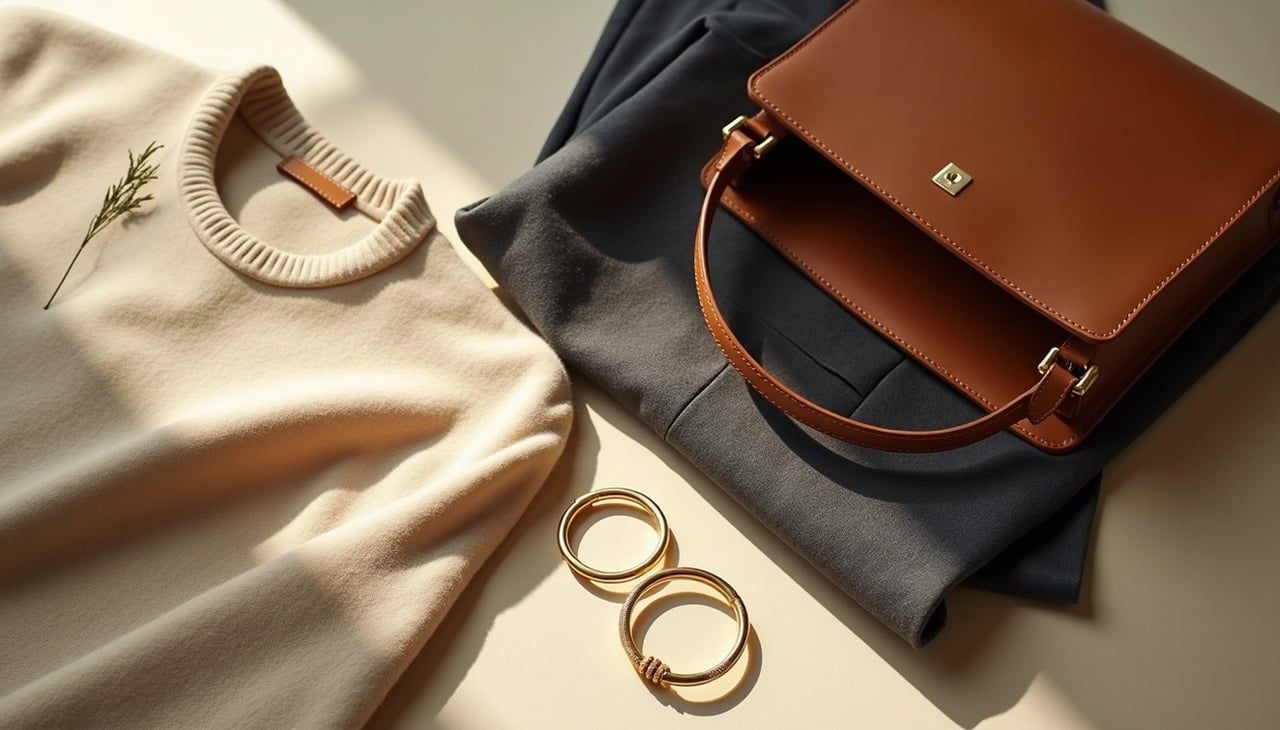
The quiet luxury esthetic centers on muted colors including beige, gray, navy, and soft earth tones. These neutral foundations create versatile wardrobes that exceed seasonal cycles. Classic loafers, timeless trench coats, tailored trousers, and crisp logo-free tees form the wardrobe foundation. Structured oversized garments and relaxed tailoring maintain clean lines without following fleeting trends.
Fit and proportion
Fit determines whether premium materials achieve their full potential. Tailored garments frame shoulders correctly and allow movement ease. They maintain balanced proportions and improve posture naturally. Shoulder width, sleeve pitch, waist definition, and hem length receive millimeter-level refinement. Body metrics guide silhouette selection, with measurements providing reliable reference points across inconsistent brand sizing.
Longevity and investment-grade quality
Quality garments maintain their shape, color, and structure after repeated use. Premium construction minimizes wear at stress points through reinforced seams and precise stitching. Well-made pieces last years or decades rather than seasons. This reduces waste and environmental impact. Durability makes each purchase an investment rather than expense, aligning with sustainability values that define modern luxury consumption.
12 Quiet Luxury Brands Leading the Movement
Specific houses have mastered the quiet luxury esthetic through decades of consistent refinement. These brands built reputations not through advertising campaigns but through product excellence that speaks for itself.
Loro Piana: The pinnacle of understated Italian craftsmanship
The house started in 1924 as a wool merchant in Piedmont and now controls every production step from fiber sourcing to final garment. Loro Piana pioneered sustainable vicuña harvesting in the Andes and sources baby cashmere from young Hircus goats in Mongolia. Their Storm System fabric combines natural fiber comfort with waterproof performance. LVMH acquired the brand in 2013, and it expanded around the world while maintaining family leadership and artisanal standards.
The Row: Minimalist luxury by the Olsen twins
Mary-Kate and Ashley Olsen launched The Row in 2006 with a seven-piece collection centered on a perfect t-shirt. The sisters refused interviews for three years and let garments speak without celebrity association. Chanel's owners and L'Oreal heiress Françoise Bettencourt Meyers bought stakes in 2024, valuing the brand at $1 billion while the Olsens retained majority control.
Brunello Cucinelli: Relaxed elegance from Solomeo
Cucinelli built a brand around gentle tailoring and deformalized suiting from the medieval village of Solomeo in 1978. The company employs 400 village inhabitants and runs a tailoring academy that preserves Italian craftsmanship traditions. Light neutral palettes and present-but-never-stiff shoulders define the Solomeo aesthetic.
Hermès: Heritage and exclusivity without the noise
Thierry Hermès founded the saddlery workshop in 1837. Each Birkin bag requires 18 to 25 hours of single-craftsman handwork. The house reported €15.2 billion revenue in 2024 with operating margins above 40%. Hermès avoids celebrity endorsements and mass advertising and trusts exclusivity alone to attract clientele.
Bottega Veneta: The intrecciato weave speaks volumes
The Vicenza house introduced its signature Intrecciato weave in 1975 and moved the diagonal direction to 45 degrees for distinctive softness. This no-logo philosophy made the weave recognizable among informed buyers. Bottega Veneta ranks in the top 10 brands for resale value among 400 luxury houses.
Max Mara: Iconic outerwear and timeless style
Anne-Marie Beretta designed the 101801 coat in 1981 and created Max Mara's most recognized piece worldwide. The Manuela coat in pure camel hair and Ludmilla in cashmere represent the house's understated luxury philosophy. Italian heritage combines with advanced artisanal techniques in every coat.
Khaite: Modern American sportswear elevated
Catherine Holstein and Adam Pritzker co-founded Khaite in 2016 and reimagined American sportswear codes through architectural silhouettes. The brand blends strength with softness and structure with fluidity, creating modern luxury wardrobes rooted in New York's cinematic energy.
Gabriela Hearst: Sustainable luxury with substance
The Uruguayan designer founded her namesake label in 2015 and used deadstock materials for the first collection. Hearst prioritizes sustainable choices over esthetic preferences and makes eco-friendly decisions win every design debate. Her ranch-raised background taught her that true luxury means beautifully crafted items built to last.
Totême: Scandinavian minimalism done right
Swedish brand Totême emerged in 2014 when Elin Kling and Karl Lindman built their vision around capsule wardrobes composed of timeless pieces that adapt in a variety of lifestyles. The Stockholm house commits to sustainability through preferred fibers, reaching 83% in 2023/2024 with a goal of 100% by 2025. Their reinterpretation of signature pieces like the striped shirt and scarf coat establishes a foundation for versatile wardrobe essentials that combine well.
Jil Sander: 90s minimalism reimagined
Jil Sander launched her Hamburg label in the 1970s after working in magazines and sold a majority stake to Prada in 1999 for over $100 million. Though Sander herself departed in 2013, creative directors Luke and Lucie Meier now guide the house. The brand avoids the minimalist label. It prefers "purity" to describe design that introduces new material qualities and unused proportions.
Wardrobe.NYC: Curated capsules for the modern elite
Stylist Christine Centenera and designer Josh Goot launched Wardrobe.NYC in 2017. They created thematic releases designed to fill wardrobe gaps. The brand attracts celebrity followers including Rosie Huntington-Whiteley and Hailey Bieber through understated, high-quality pieces.
St. Agni: Australian understated elegance
Lara and Matt Fells founded St. Agni in Byron Bay in 2014, bringing quiet luxury before mainstream adoption. The brand operates four Australian retail locations across Melbourne, Sydney, Byron Bay, and Brisbane.
How to Incorporate Quiet Luxury Into Your Wardrobe
Adopting the quiet luxury esthetic requires choices you consider carefully, ones that put substance over flash. The transition begins when you understand how materials, silhouettes and construction methods create wardrobes that communicate through quality rather than visibility.
Invest in quality fabrics and materials
Natural fibers are the foundations of understated luxury wardrobes. Wool, cashmere, silk and linen deliver durability and premium feel that synthetics cannot copy. Cottons like poplin and twill offer longevity when well-made. Price no longer guarantees quality, so get into seams, button stitching and fabric texture directly. Cheap synthetics pill quickly. Faux leather cracks. Avoid both.
Choose timeless pieces over trendy items
Classic silhouettes resist obsolescence. Tailored blazers, straight-leg trousers and A-line skirts maintain relevance across decades. Extreme proportions date quickly. Anything oversized, shrunken or detail-heavy loses appeal within seasons. Investment pieces sit in the middle ground without excessive styling.
Focus on perfect fit and tailoring
Proper fit transforms adequate garments into exceptional ones. Tailoring enhances natural silhouettes through body-specific adjustments. Minor alterations create polished appearances. Taking in waist seams or adjusting hem length makes all the difference.
Build a neutral color foundation
Black, navy, camel, white, gray and earth tones create versatile bases. These neutrals ensure maximum wearability and pairing flexibility. Neon shades and seasonal colors lack longevity.
Quality over quantity approach
Durable construction means fewer replacements and consistent performance. Pieces maintain shape, color and comfort through repeated wear when well-made. This approach reduces waste while building reliable wardrobes.
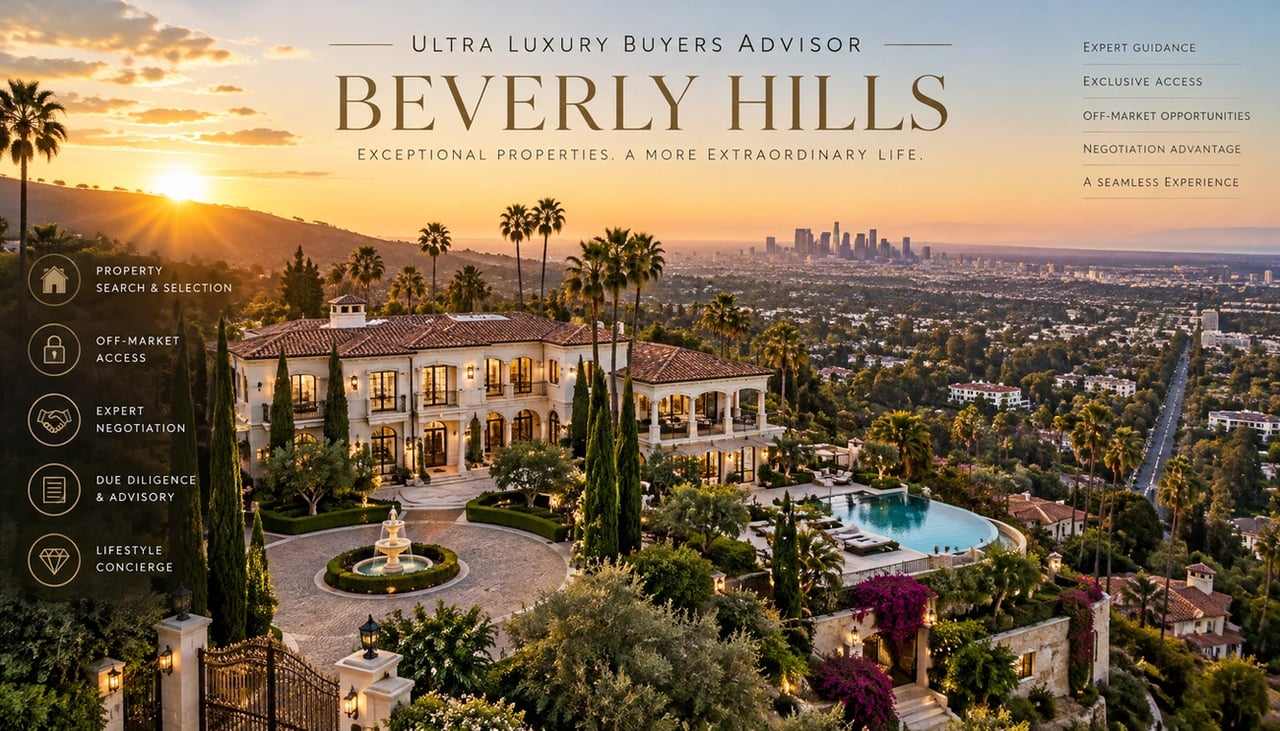
Those who value refined living spaces that reflect principles of quality and discretion know the right environment enhances every aspect of lifestyle. Christina Pope can guide you toward spaces that embody these values if you're thinking over a purchase or beginning your search for a home designed for elevated living.  310-404-9931
  [email protected]
Conclusion
Quiet luxury represents more than a passing trend. The movement reflects fundamental changes in how affluence expresses itself through clothing. It prioritizes craftsmanship over visibility and knowledge over mass recognition. Those who adopt this esthetic understand that true luxury communicates through quality fabrics, impeccable tailoring and timeless design rather than logos.
The transition requires intentional choices. Natural materials, neutral foundations and perfect fit should anchor wardrobes that last decades rather than seasons. This approach delivers satisfaction that fleeting trends never achieve. Those seeking spaces that reflect these principles of refined discretion can connect with Christina Pope. She guides clients toward environments designed for sophisticated living. 310-404-9931 [email protected]
Key Takeaways
The wealthy are abandoning flashy logos for understated luxury that speaks through quality, craftsmanship, and insider knowledge rather than visible branding.
• Quality over logos defines modern luxury - Premium materials like vicuña wool and baby cashmere signal status to informed observers while remaining invisible to the masses.
• Economic uncertainty drives discretion - High-net-worth individuals choose understated pieces to avoid appearing tone-deaf during financial instability and social media fatigue.
• "If you know, you know" creates exclusive communities - Quiet luxury brands like Loro Piana and The Row build recognition among elite circles who value craftsmanship over public display.
• Investment-grade construction ensures longevity - Focus on natural fibers, perfect tailoring, and timeless silhouettes that maintain value and relevance across decades.
• Neutral foundations maximize versatility - Build wardrobes around beige, navy, and earth tones that create endless pairing possibilities while transcending seasonal trends.
This shift represents a fundamental restructuring of how affluence expresses itself, where true luxury lies in the absence of obvious branding and the presence of exceptional quality that only connoisseurs can recognize.
FAQs
Q1. What makes quiet luxury different from traditional luxury brands? Quiet luxury prioritizes exceptional quality, premium materials, and expert craftsmanship over visible logos and branding. Instead of relying on recognizable symbols, these brands use superior fabrics like vicuña wool and baby cashmere, impeccable tailoring, and timeless designs that only informed observers can truly appreciate. The focus shifts from external validation to insider knowledge and authentic quality.
Q2. Are quiet luxury brands actually better quality than logo-heavy brands? Quality depends more on construction and materials than the presence or absence of logos. Many quiet luxury brands do emphasize superior craftsmanship, natural fibers, and durability that ensures garments last for years or decades. However, some traditional luxury houses also use premium materials—the key difference is that quiet luxury brands make quality their primary statement rather than relying on visible branding to communicate value.
Q3. Why has quiet luxury become the new status symbol among wealthy consumers? Quiet luxury represents authenticity and discretion in an era of social media overexposure and economic uncertainty. It allows the elite to signal their status through insider knowledge and refined taste rather than obvious displays of wealth. The "if you know, you know" approach creates exclusive recognition among those who understand quality, making it more meaningful than mass-market visibility.
Q4. Will quiet luxury continue to grow in popularity beyond 2026? The quiet luxury movement reflects deeper shifts in consumer values, particularly among younger generations who prioritize sustainability, authenticity, and emotional connection over performative displays. As Gen Z gains more spending power and cultural influence, the emphasis on quality, craftsmanship, and timeless design over trend-driven consumption is likely to strengthen rather than fade.
Q5. How can someone incorporate quiet luxury into their wardrobe without spending a fortune? Start by investing in quality basics made from natural fibers like wool, cotton, and linen in neutral colors. Focus on perfect fit through tailoring, choose timeless silhouettes over trendy pieces, and adopt a quality-over-quantity approach. Even affordable pieces can embody quiet luxury principles when they feature good construction, classic design, and materials that age well over time.