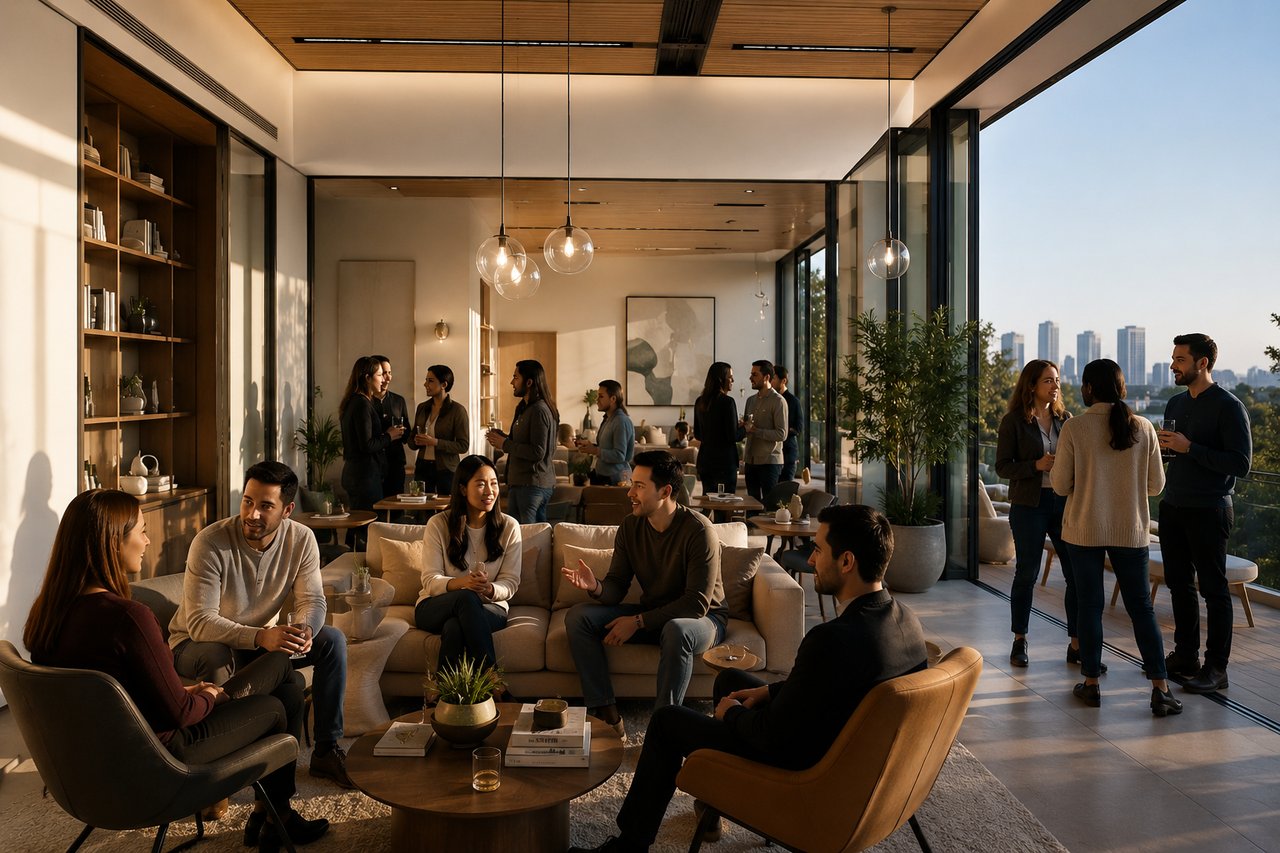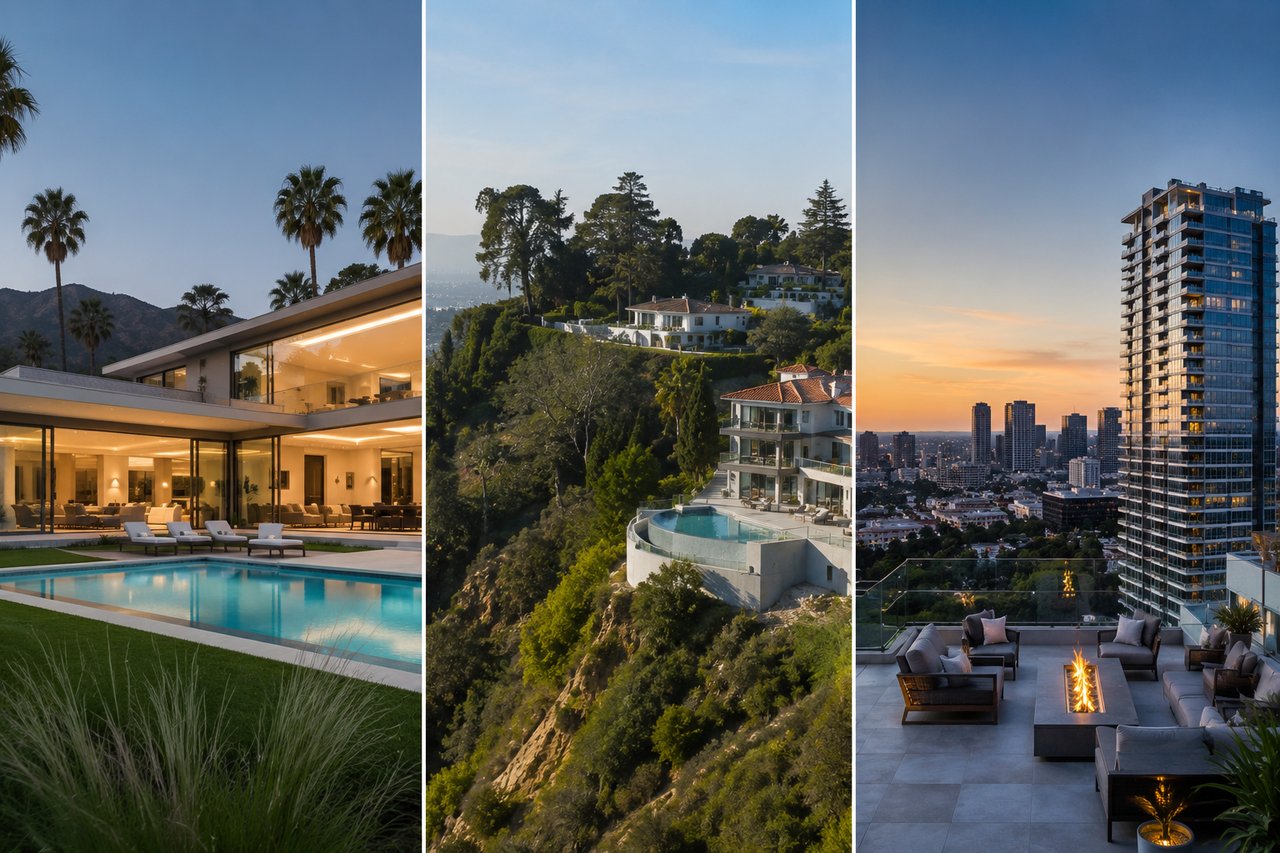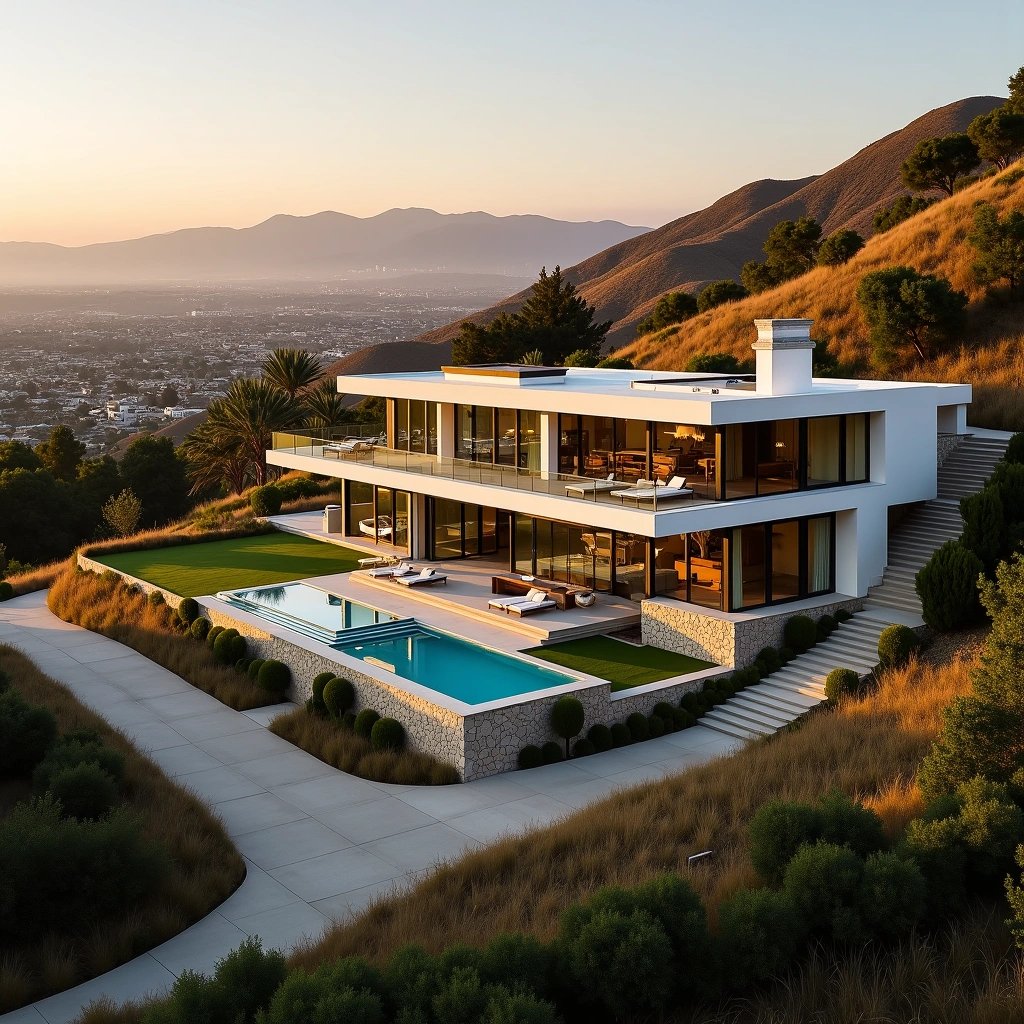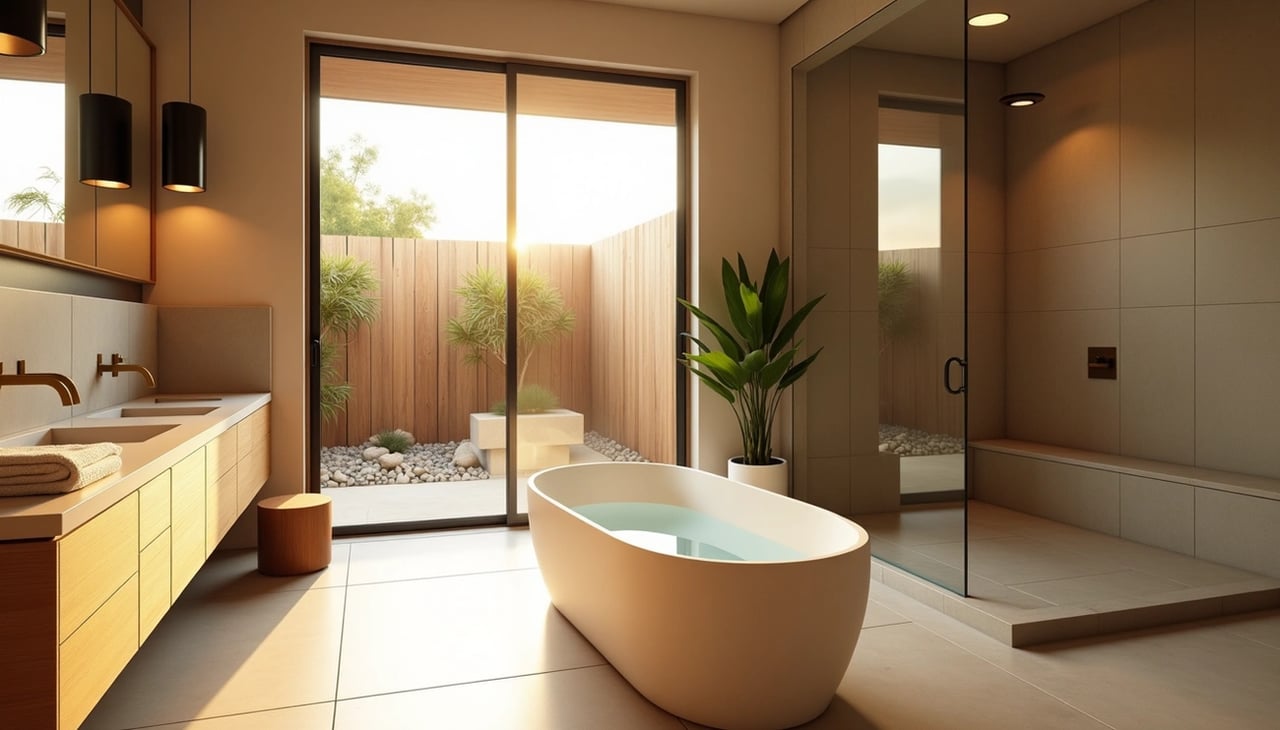
Spa like bathroom design has emerged as the defining feature of luxury comfort in Los Angeles homes. Homeowners now prioritize wellness over showmanship. The most aspirational homes today focus on spaces that feel restorative rather than decorative. Wellness rooms and spa-like bathrooms are becoming central to high-end home design. Architecture now plays a significant role in supporting mental clarity and mindfulness. This change reflects a broader movement where luxury home interior design centers on experience-led living. Spa like bathroom design ideas maximize natural light. Small spa-like bathroom design solutions work for compact spaces. Homeowners are transforming their bathrooms into personal wellness retreats that nurture both mind and body.
The Cultural Shift: Why LA Homeowners Are Prioritizing Wellness Spaces
Statement Pieces Give Way to Personal Sanctuaries
Wellness has claimed the top position on home buyers' wish lists and displaced traditional priorities like kitchen size or architectural drama. The change moves away from spaces designed to impress guests toward environments that support daily restoration. Homeowners request spaces that regulate their nervous systems and make recovery easier from modern life's relentless pace.
Designer observations verify this transformation. Clients no longer ask solely for homes that look good; they want homes that feel good. The focus has changed from aesthetics to atmosphere. Buyers seek spaces that support specific rituals: cold plunges, saunas, breathwork zones, morning sunlight moments, and quiet areas where phones remain absent.
This development reflects a deeper understanding that design shapes behavior. Spa-like bathroom design becomes part of a larger wellness strategy where every corner of the home contributes to physical and mental health. The concept extends beyond carving out space for a home gym or adding a sauna. It incorporates all-encompassing approaches reaching every corner of the residence.
The High-End Real Estate View on Wellness-Centered Design
Wellness real estate represents a $548 billion sector globally, with projections suggesting 15.2% annual growth over the next five years and reaching $1.1 trillion by 2029. These numbers reflect genuine market transformation rather than temporary enthusiasm.
Homes and communities designed around wellness report resale values 10% to 25% higher. Commercial properties achieve rental premiums of 4.5% to 7.5% more per square foot. The financial incentives verify what many homeowners already understand: investing in wellness-centered design delivers returns beyond personal satisfaction.
Buyers demonstrate willingness to trade traditional features for wellness benefits. Many respondents in the America at Home Study, which surveyed 6,000 consumers nationwide, indicated they would accept smaller homes or eliminate garages completely to live in places that better support health and connection. This represents a fundamental change of priorities in luxury home interior design.
The pandemic accelerated wellness considerations from optional amenities to decision factors you can't ignore. Health and wellness rank among their top reasons when homeowners choose where to live. Real estate professionals report that homes with wellness amenities attract more interest and command higher prices. Buyers recognize both convenience and long-term value.
Post-Pandemic Changes in Home Design Priorities
Lockdowns forced homes to function as workspaces, gyms, and recovery centers at the same time. The experience reshaped how people view residential spaces and what they need from them. Wellness design evolved from adding features into traditional homes toward designing entire homes for wellness from the ground up.
The generational component proves most important. Younger generations, mainly Gen Z and Millennials, focus far more on mental and physical well-being. Raised by parents who lacked the knowledge to prioritize these aspects, they approach wellness with a 360-degree view. They see mental and emotional health as interconnected and place high value on work-life balance.
Climate considerations now intersect with wellness priorities. Disaster readiness has become the next development of everyday resilience. Developers create homes and communities that are disaster-resistant. This has hurricane-resistant construction in South Florida and wildfire-resistant homes in Southern California. These offer protection and peace of mind with potential insurance benefits.
Small spa-like bathroom design solutions address the practical reality that not every wellness space requires expansive square footage. Strategic material selection, thoughtful lighting, and sensory design elements create restorative environments whatever the room dimensions.
What Defines a Spa Like Bathroom Design
Natural Materials and Organic Textures
A calming ambiance starts with the foundation: color palettes drawn from nature. Muted beiges, soft grays, warm beige tones, sage greens, gentle sand hues and creamy whites form the backdrop for spa-like bathroom design. Layering neutral tones adds depth and serenity. This creates the visual calm that defines these spaces.
Stone-effect porcelain tiles capture the timeless appearance of limestone, travertine or marble without maintenance demands. Matte or honed finishes work better than gloss. Soft, low-reflective surfaces diffuse light gently and establish the ambient mood. Textured porcelain and ceramic tiles add dimension to walls and floors, catching light in ways that invite touch. Stone walls create immediate focal points, especially effective in awkward or small spaces where they distract from irregular ceiling lines.
Natural wood introduces warmth and balance. Vanity units, shelving and accent furniture soften the harder lines of stone and tile. Wood-effect porcelain tiles deliver rich tones and textures for moisture-prone areas while remaining resistant to water and humidity. Natural textures complement each other when you mix materials. Stone applications throughout the bathroom result in unified esthetics when repeated. Textured surfaces positioned where light can graze across them emphasize natural patterns through wall lighting or LED strips.
Thoughtful Lighting Design
Lighting functions as the canvas for spa-like bathroom design ideas. Two lighting circuits provide versatility: one circuit handles main lighting through downlights or wall lights, while the second offers relaxing glow through water-resistant niche lighting, uplights or linear profile lighting. Main circuit lighting on dimmers allows brightness adjustments. This enables transitions from functional morning routines to evening relaxation.
Warm white light between 2700K and 3000K creates soothing, candlelight effects rather than harsh daylight tones. Three-tiered systems balance functionality with atmosphere. Soft overhead sources set the overall mood through ambient lighting. Task lighting positions around mirrors and vanities, with wall lights flanking mirrors for flattering, shadow-free illumination. Accent lighting highlights architectural features and decorative elements, adding depth and visual interest.
Uplighters behind freestanding baths provide the perfect mood for soaking. Cove lighting or profile lighting laid around wet room edges offers functional yet calming presence. Color-changing lights allow hue selection or gentle spectrum alternation, dimming further for intimate settings. IP ratings matter for safety: Zone 0 requires IP67 minimum, Zone 1 needs IP65, Zone 2 demands IP44 and Zone 3 accepts IP20.
Sensory Experience Through Every Element
Spa-like bathroom design addresses all senses at once. Touch grounds the experience through tactile materials. Smooth marble contrasts with textured stone; polished surfaces meet tumbled finishes. Porcelain tiles with fluted surfaces create visual depth and physical interest when mixed.
Aromatherapy through eucalyptus, lavender or sandalwood boosts relaxation. Essential oil diffusers, candles in stone holders or wall-mounted systems enrich the air. Temperature control proves equally vital. Heated floors and towel warmers signal safety and care to the body, releasing dopamine. Water temperature control systems transform habits into healing moments.
Plants infuse organic feel, balancing senses and promoting relaxation. Varieties thriving in humid environments, like bamboo or orchids, complement natural elegance. Natural light through larger windows or skylights transforms spaces into luxury retreats, boosting beauty while refreshing senses.
Privacy and Spatial Flow
Small spa-like bathroom design relies on minimalist principles. Clean lines reduce visual distractions and create calmer spaces. Functional storage solutions maintain clutter-free surfaces, which prove essential for tranquil environments where relaxation comes naturally. Hidden storage behind mirrors or under counters removes visual noise.
Thoughtful layouts use frosted panels or partitions between shower and vanity zones. This creates separation without sacrificing openness. Minds release self-awareness when environments protect privacy. Large tile slabs minimize grout lines, boosting the sense of order and cleanliness that defines spa-like spaces.
Core Features That Transform Bathrooms Into Wellness Retreats
Freestanding bathtubs now function as wellness vessels rather than purely esthetic fixtures. Hydro Systems pioneered the integration of hydrotherapy into freestanding designs and introduced Cold Plunge systems that reduce water temperature to 37°F. Cold water therapy for less than five minutes daily improves sleep and reduces inflammation. It boosts immunity and regulates hormones. Hydro Fusion maintains heated water at constant temperature for extended soaks. Hydro Indulge infuses bathwater with oxygen-rich microbubbles that penetrate pores and exfoliate, cleanse, and restore skin. These innovations address the reality that 81% of remodelers pursue stylish and beautiful bathrooms, with homeowners seeking beauty alongside therapeutic function.
Soaking Tubs and Freestanding Elements
Hot air massage features available in models like the Oceanus and Adoni bathtubs create gentle therapeutic experiences through tiny air jets. These jets produce warm bubble cascades that massage muscles and ease tension. Self-cleaning systems purge excess water after each use and prevent mold or mildew buildup that plagues traditional jetted tubs. Heated surfaces warm the back, shoulders, and neck. They change routine bathing into spa-like therapy. Chromatherapy lighting creates soothing ambience through full-spectrum color options.
Steam Showers and Multi-Function Systems
Steam showers operate at 100-115°F with 95-100% humidity. Saunas reach 160-194°F with only 5-10% humidity. An average 20-minute steam session uses less than one gallon of water. This makes it the quickest method compared to jetted tubs requiring 40 gallons or standard showers consuming up to 25 gallons in 10 minutes. Systems now integrate with voice controls through Amazon Alexa. Users can adjust settings, save profiles with preset temperatures and timings, and incorporate aromatherapy and custom lighting.
Custom Vanities and Storage Solutions
Semi-custom cabinetry constructed with all-plywood delivers durability and moisture resistance while accommodating exact layout requirements. Specialized configurations include hairstyling drawers with integrated outlets and rolling drawers with full-extension slides for deep cabinet access. Tiered drawer systems prevent cavernous catchalls. Tip-out trays and notched drawers maximize space in front of sinks, while hidden hampers eliminate visible laundry storage.
Temperature Control and Heated Surfaces
Electric radiant heating systems cost $900 to $1500 to install in 100-square-foot bathrooms. Ceramic, porcelain, and natural stone tiles function as excellent temperature conductors. They retain heat long after systems turn off. Programmable timers activate floors before morning routines and eliminate cold surfaces.
Air Quality and Ventilation Systems
Proper ventilation controls humidity and airborne contaminants that contribute to health hazards. All ventilation system types reduce pollutant concentrations, with energy recovery ventilators showing the largest improvements in asthma symptoms. CFM calculations determine system capacity: standard bathrooms require square footage multiplied by 1.1, while spaces with steam showers or jetted tubs need 20-50% additional capacity.
Small Spa Like Bathroom Design: Creating Luxury in Compact Spaces
Compact bathrooms measuring 35 to 40 square feet can achieve spa-like luxury through smart layout decisions. Linear plans position fixtures along one wall or two adjacent walls. This maintains open central floor space and prevents the cramped hallway effect that plagues poorly designed small bathrooms. A 5x7 bathroom represents the classic small full bath size. The seven-foot wall serves as the service wall where shower, toilet, and vanity arrange themselves in sequence.
Strategic Layout Decisions
Clearance requirements follow the 15-21 rule: 15 inches minimum on each side of the toilet and 21 inches of clear floor space before every fixture. Consolidating plumbing to one wall reduces costs and improves flow. Floating vanities expose more floor area. Rooms appear larger and cleaning becomes simpler. Wall-mounted toilets achieve the same spatial gains. The door's swing direction matters in tight quarters. Converting to pocket doors or barn doors reclaims two to three square feet of usable space.
Material Selection for Visual Expansion
Large-format tiles measuring 12x24 inches or larger reduce grout lines. Floors read as single expansive surfaces. Running the same tile from the bathroom floor into the shower without a threshold creates visual continuity that expands perceived space. Light, neutral tile tones reflect available light rather than absorb it. Frameless glass shower enclosures eliminate visual barriers and allow sight lines to extend through the entire room. High-gloss paint finishes bounce light around compact spaces more than matte surfaces.
Maximizing Natural Light in Limited Square Footage
Skylights introduce natural illumination without sacrificing wall space or privacy. Both fixed and ventilating options are available. Frosted glass windows provide light while maintaining discretion in populated areas. Mirrors positioned opposite windows double the natural light's effect. Layered artificial lighting compensates where natural light proves limited. Warm white bulbs between 2700K and 3000K create spa-appropriate ambiance. LED strips beneath floating vanities generate soft glows that improve spatial perception.
How Los Angeles Architecture Shapes Spa Like Bathroom Design Ideas
Indoor-Outdoor Connection Through Design
Los Angeles architecture allows spa-like bathroom design ideas that few other locations can replicate. Doors and windows remain open to outdoor spaces nearly year-round. Bathrooms function as indoor-outdoor retreats where fresh air and natural surroundings merge naturally. Glass walls eliminate barriers between interior bathrooms and private gardens or decks. Retractable glass doors create true indoor-outdoor spaces where concrete-look floors transition to exterior decking. Freestanding tubs positioned on decks or adjacent to gardens capture views while maintaining the onsen-inspired esthetic that Southern California's climate supports.
Climate-Responsive Features
Mild temperatures allow outdoor showers connected to indoor bathing areas, especially useful for homes with pools. Skylights flood spaces with natural light without generating excessive heat. Strategic positioning and ventilating options that introduce fresh air make this possible. Frosted glass balances privacy needs in populated neighborhoods while preserving light transmission.
Neighborhood-Specific Design Considerations
Coastal homes favor light, organic finishes that reflect ocean views and natural light. Mid-century properties balance wood tones with sleek stone. Spanish-style residences incorporate natural tile and warm accents that honor architectural authenticity.
The Role of Natural Light in Southern California Homes
Natural light is the defining priority in Southern California bathroom remodels. Larger windows, clerestory windows, and floor-to-ceiling glazing create spa-like ambiance. Desert neutrals, coastal blues, warm whites, and soft terracotta tones complement abundant sunlight. Natural wood vanities in light oak, walnut, or white oak pair with floating designs that maintain airy, open esthetics. Christina Pope at Sotheby's International Realty helps buyers find spaces designed for improved wellness for those thinking about homes where spa-like bathroom design improves daily living.  310-404-9931
  [email protected]
Conclusion
Spa-like bathroom design has moved beyond trend status to become the defining feature of luxury Los Angeles living. Homeowners now prioritize daily restoration over visual showmanship. They create spaces that support wellness rather than just looking impressive. The financial data confirms this shift. Wellness-centered homes command resale premiums and deliver quality-of-life improvements.
Material selection and lighting create restorative environments whatever the square footage. Small spa-like bathroom design proves that luxury stems from intentional choices rather than expansive dimensions. Those thinking about homes where wellness design improves daily living can connect with Christina Pope at Sotheby's International Realty to find spaces designed for comfort. 310-404-9931 [email protected]
Key Takeaways
Los Angeles homeowners are transforming their bathrooms from decorative showpieces into wellness sanctuaries that prioritize daily restoration and mental health support.
• Wellness-centered bathroom design increases home values by 10-25%, with the global wellness real estate market projected to reach $1.1 trillion by 2029.
• Essential spa features include natural materials, warm lighting (2700K-3000K), freestanding tubs with hydrotherapy, and steam showers that use less than one gallon per session.
• Small bathrooms achieve luxury through strategic layouts, large-format tiles, floating vanities, and frameless glass that maximizes visual space and natural light.
• LA's year-round climate enables unique indoor-outdoor bathroom connections with retractable glass doors, outdoor showers, and skylights that flood spaces with natural illumination.
• Temperature control through heated floors, proper ventilation systems, and climate-responsive features create therapeutic environments that support both physical comfort and mental well-being.
This design evolution reflects a fundamental shift where luxury means creating spaces that feel restorative rather than impressive, with every element contributing to a holistic wellness experience that nurtures both mind and body.
FAQs
Q1. How much does spa-like bathroom design increase home value? Homes with wellness-centered bathroom design report resale values 10% to 25% higher than comparable properties without these features. This premium reflects genuine market demand, as buyers increasingly prioritize wellness amenities and are willing to pay more for homes that support daily restoration and mental health.
Q2. What are the essential features of a spa-like bathroom? Essential features include natural materials like stone and wood, warm lighting between 2700K-3000K, freestanding soaking tubs with hydrotherapy options, steam showers, heated floors, proper ventilation systems, and thoughtful storage solutions. These elements work together to create a multi-sensory experience that promotes relaxation and wellness.
Q3. Can small bathrooms achieve a luxury spa design? Yes, compact bathrooms can achieve spa-like luxury through strategic design choices. Key approaches include using large-format tiles to minimize grout lines, installing floating vanities and wall-mounted toilets to expose more floor space, incorporating frameless glass shower enclosures, and maximizing natural light through skylights or frosted windows.
Q4. How does Los Angeles climate influence spa bathroom design? LA's year-round mild climate enables unique features like indoor-outdoor connections through retractable glass doors, outdoor showers adjacent to indoor bathing areas, and abundant natural light through skylights without excessive heat. The climate allows bathrooms to function as true indoor-outdoor retreats with seamless transitions to private gardens or decks.
Q5. What lighting works best for creating a spa-like bathroom atmosphere? A three-tiered lighting system works best: ambient lighting for overall mood through soft overhead sources, task lighting around mirrors and vanities for functionality, and accent lighting to highlight architectural features. Use warm white bulbs (2700K-3000K) on dimmers, and consider LED strips beneath floating vanities for a soft, spa-appropriate glow.